What I Learned by Fishing Without Rod, Reel, or Hook – Image for illustrative purposes only (Image credits: Unsplash)
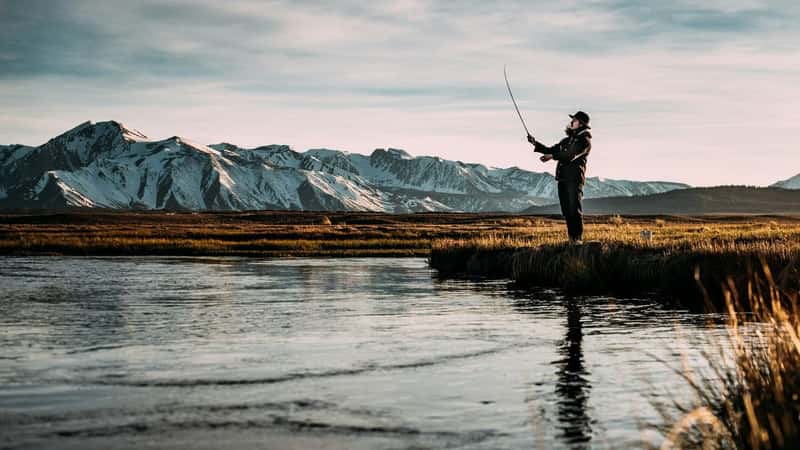
California – Sage Ono paused at the edge of a small pool along Swamp Creek, scanning the clear water for signs of the rare McCloud River redband trout. His project required covering roughly 4,000 miles of the state by foot, vehicle, and other means to locate and document populations of native trout in their remaining strongholds. The effort stood apart from typical angling because it relied entirely on visual observation rather than any rod, reel, or hook.
The Scale of the Undertaking
Traveling such a distance demanded careful planning and repeated visits to remote watersheds. Ono focused on streams and rivers where native trout still persist despite habitat pressures and competition from introduced species. The journey took him through varied terrain, from northern mountain creeks to more southern waterways that support other endemic fish.
Each stop required patience and quiet movement to avoid disturbing the fish. Success depended on recognizing subtle movements and habitat features rather than any capture technique. The photographer documented conditions at each site to build a record of where these populations remain viable.
Adapting to Observation-Only Methods
Working without fishing equipment shifted the entire process toward careful study of the environment. Ono examined water clarity, cover such as undercut banks and overhanging vegetation, and the presence of insects or other food sources. This approach revealed details about trout behavior that might be missed during active angling.
Time spent at each location increased because there was no option to cast and retrieve. The method encouraged longer periods of stillness, allowing the fish to resume normal activity. Over the course of the miles traveled, patterns emerged about which stream features most reliably supported the target species.
Focus on the McCloud River Redband Trout
The McCloud River redband trout represented one of the primary targets in Ono’s documentation. These fish inhabit a limited range and face ongoing challenges from changes in water flow and temperature. Visits to sites like Swamp Creek formed part of a broader effort to record current distribution.
Similar attention went to other native trout strains found across California. The cumulative record from the journey highlights both the persistence of some populations and the narrow margins on which they survive. Ono’s images and notes provide a snapshot of conditions at the time of the travels.
Insights Gained Along the Route
The extended travel produced observations about habitat connectivity and the importance of cold, clean water sources. Sites that retained natural structure tended to show more consistent fish presence. The absence of harvest pressure during the project allowed for repeated, non-invasive checks at the same pools.
Overall, the experience underscored how much can be learned through sustained presence rather than extraction. The resulting body of work offers a visual inventory of native trout locations that can inform future monitoring efforts by others interested in the same watersheds.