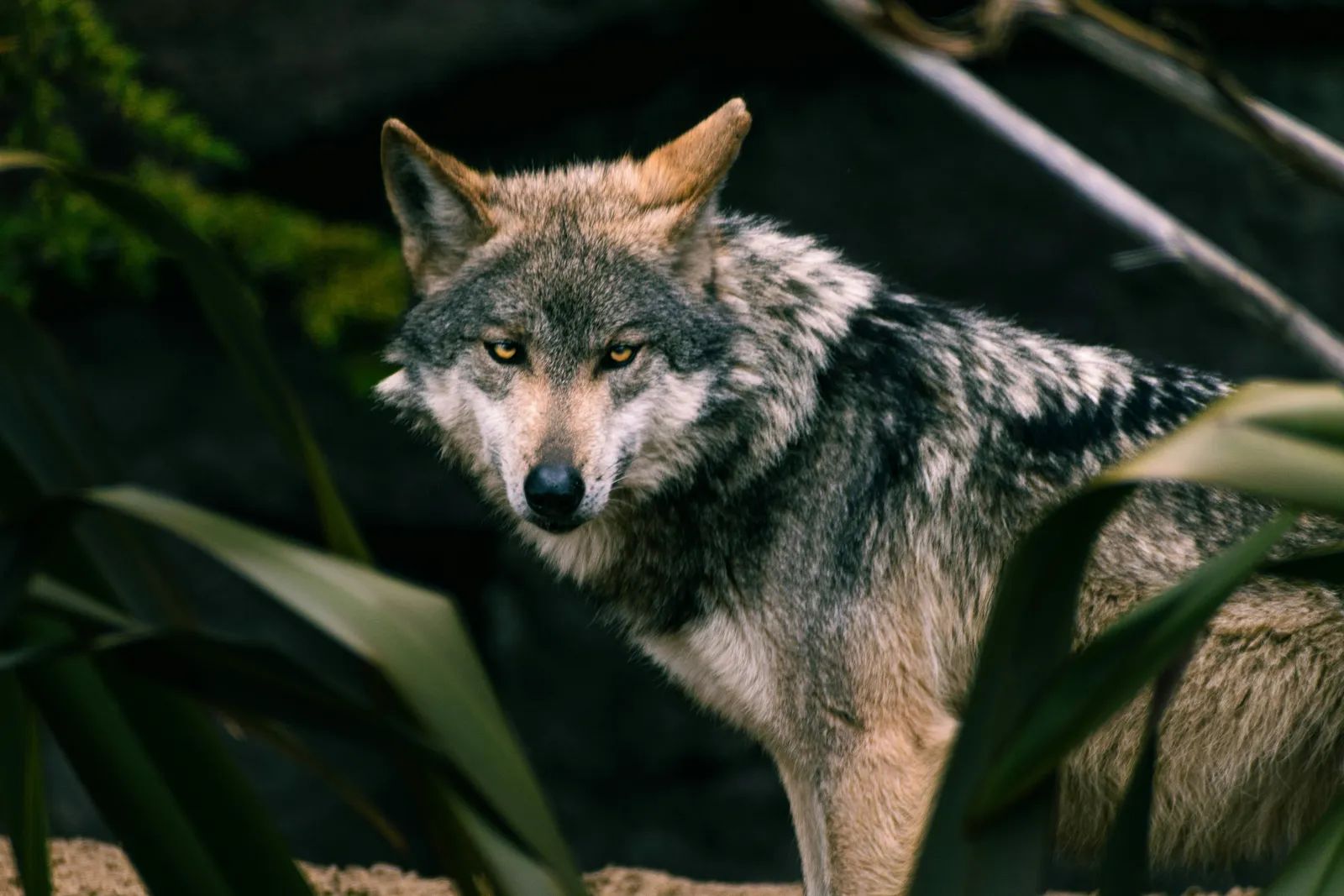
Travelers drawn to Yellowstone National Park for its renowned wolf sightings now face fresh questions about the future of those experiences. On September 4, 2026, President Trump signed an executive order directing federal agencies to examine whether gray wolves and Mexican wolves qualify for reduced protections under the Endangered Species Act. The move has sparked renewed debate over how management changes might influence one of the Northern Rockies’ signature wildlife attractions. ([1])
Practical Stakes for Park Visitors
Wolf watching ranks among the most popular activities for Yellowstone visitors, with guided tours and early-morning stakeouts drawing thousands each year. A shift in federal status could eventually transfer more authority to state wildlife agencies, which have historically set different hunting seasons and population targets once protections ease. Past transitions showed that visitor access to prime viewing areas remained largely intact, yet some tour operators adjusted schedules to account for altered pack behaviors near park boundaries. The order itself stops short of immediate delisting. It instead instructs the Interior secretary to assess recovery criteria and, if warranted, begin the formal administrative steps. Travelers booking trips for the coming seasons can expect current federal rules to stay in place while reviews unfold.
History Repeating in the Rockies
This is not the first time wolf protections have faced review. In 2020 the U.S. Fish and Wildlife Service completed a nationwide delisting rule after determining recovery goals had been met in many areas. A federal court later vacated that rule in 2022, restoring protections across most of the country. The pattern suggests any new effort will encounter similar scientific scrutiny and legal challenges before final decisions emerge. The 2022 ruling centered less on wolf numbers and more on how recovery should be measured across the species’ full historical range. Courts have continued to examine terms such as “significant portion of its range” and the adequacy of state management plans. Those interpretive questions remain unresolved and could shape outcomes again.
Legislative Path Adds Another Layer
Beyond the scientific review, the executive order asks for legislative recommendations that could remove or reduce Endangered Species Act safeguards for wolves. Such an approach would move the discussion from agency rulemaking into Congress, where lawmakers hold authority to adjust protections directly. A 2011 precedent already demonstrated Congress can delist specific populations through statute, bypassing some of the lengthy litigation that has followed administrative actions. For tourism operators and visitors, a legislative route could produce clearer, more stable rules once enacted. It might also introduce factors beyond biology, such as livestock conflicts or state management preferences, into the final policy.
What Travelers Should Watch Next
Several developments will matter most for those planning Northern Rockies trips:
- Completion of the U.S. Fish and Wildlife Service recovery review and any proposed rule.
- Outcome of ongoing appeals in federal courts, including Ninth Circuit arguments scheduled for October 2026.
- Whether Congress advances any legislative proposals tied to the executive order.
- State-level management plans that could affect wolf numbers near Yellowstone boundaries.
Current legal status for both gray wolves and Mexican wolves remains unchanged. The administration has signaled wolves as a priority, yet any reduction in federal oversight would still require navigating established processes and potential court review.
Looking Forward for Wildlife Tourism
Wolf sightings have long contributed to the economic and emotional appeal of Yellowstone visits. The coming months will bring additional scientific assessments, public comment periods, and political discussions that could influence how those experiences evolve. Observers note that biological recovery and legal interpretations will both play roles in determining whether federal protections shift and how state management ultimately affects the animals travelers hope to see.