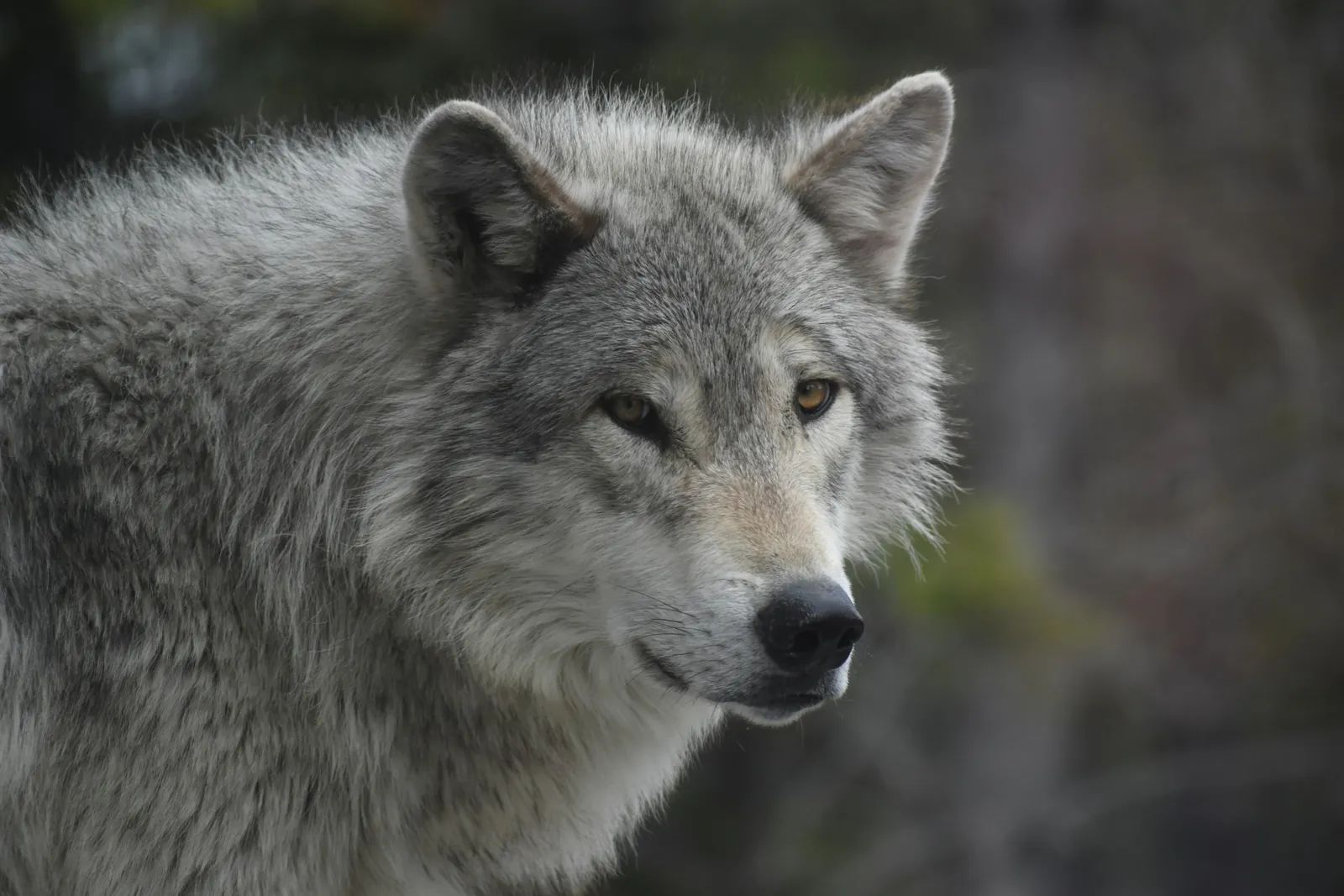
Yellowstone National Park has long relied on radio collars to follow its wolves, yet that approach carries clear costs and hazards for animals and researchers alike. A newer effort now deploys 50 automated recording units across remote areas to capture roughly 500,000 hours of ambient sound each year, then applies computer models to isolate wolf vocalizations. Linguist and former software engineer Jeffrey Reed launched the Cry Wolf Project in 2023 as part of the established Yellowstone Wolf Project, turning the recordings into spectrograms that expose the structure of individual calls. ([1])
Shifting From Physical Tracking to Passive Listening
Traditional methods require capturing wolves and attaching collars, a process Yellowstone chief wildlife biologist Dan Stahler has described as expensive and risky for both the animals and field staff. Automated recorders avoid those steps entirely by remaining in place once deployed, collecting continuous data without direct contact. The shift reduces stress on the wolves and lowers operational demands on park personnel who already manage extensive field programs. This passive approach also opens monitoring to areas where collaring would be impractical or unsafe. Recorders can operate year-round in backcountry zones that see limited human presence, providing a steadier stream of information than periodic capture efforts allow. Early results suggest the method can complement existing techniques rather than replace them outright.
Creating the Largest Collection of Wild Wolf Calls
The project has already extracted more than 8,000 continuous hours of wolf recordings, forming what researchers consider the most extensive database of its kind for wild populations. Machine-learning tools first flag potential vocalizations, after which Reed has manually reviewed about one-fifth of the material to verify accuracy and refine the models. Spectrogram analysis reveals patterns in pitch, duration, and sequence that may eventually help distinguish individual animals. Such detail matters because wolves use varied calls for coordination, territory defense, and social bonding. If voice signatures prove consistent enough, the archive could support non-invasive tracking of specific packs or dispersers across the landscape. The work remains in testing stages, with researchers cautious about overinterpreting early patterns.
Practical Applications Taking Shape Elsewhere
Similar recording networks are under development in Europe, where the Osservatorio Lupi project has placed a dozen units in northern Italy’s Po Valley near farms and towns. The goal there centers on early alerts when wolves approach livestock, giving communities time to implement protective measures. The same technology is being explored for brown bears and along established wildlife migration routes. These extensions highlight how acoustic monitoring can serve both conservation and conflict reduction. In agricultural zones, timely warnings may lower the chance of livestock losses and reduce pressure for lethal control. In protected areas like Yellowstone, the focus stays on understanding natural behavior and movement without added handling risks.
Next Steps for Refinement and Broader Use
Reed and colleagues continue to improve the models while expanding the annotated portion of the archive. Success will depend on whether voice differences reliably identify individuals across seasons and contexts. If they do, managers could gain a lower-impact tool for monitoring population trends and responses to environmental changes. The effort also illustrates how interdisciplinary teams, combining linguistics, software engineering, and field biology, can address longstanding wildlife questions. As the database grows, it may inform decisions that balance wolf recovery with human activities in and around the park. The recordings already demonstrate that large-scale listening can yield insights once limited to more invasive methods.