
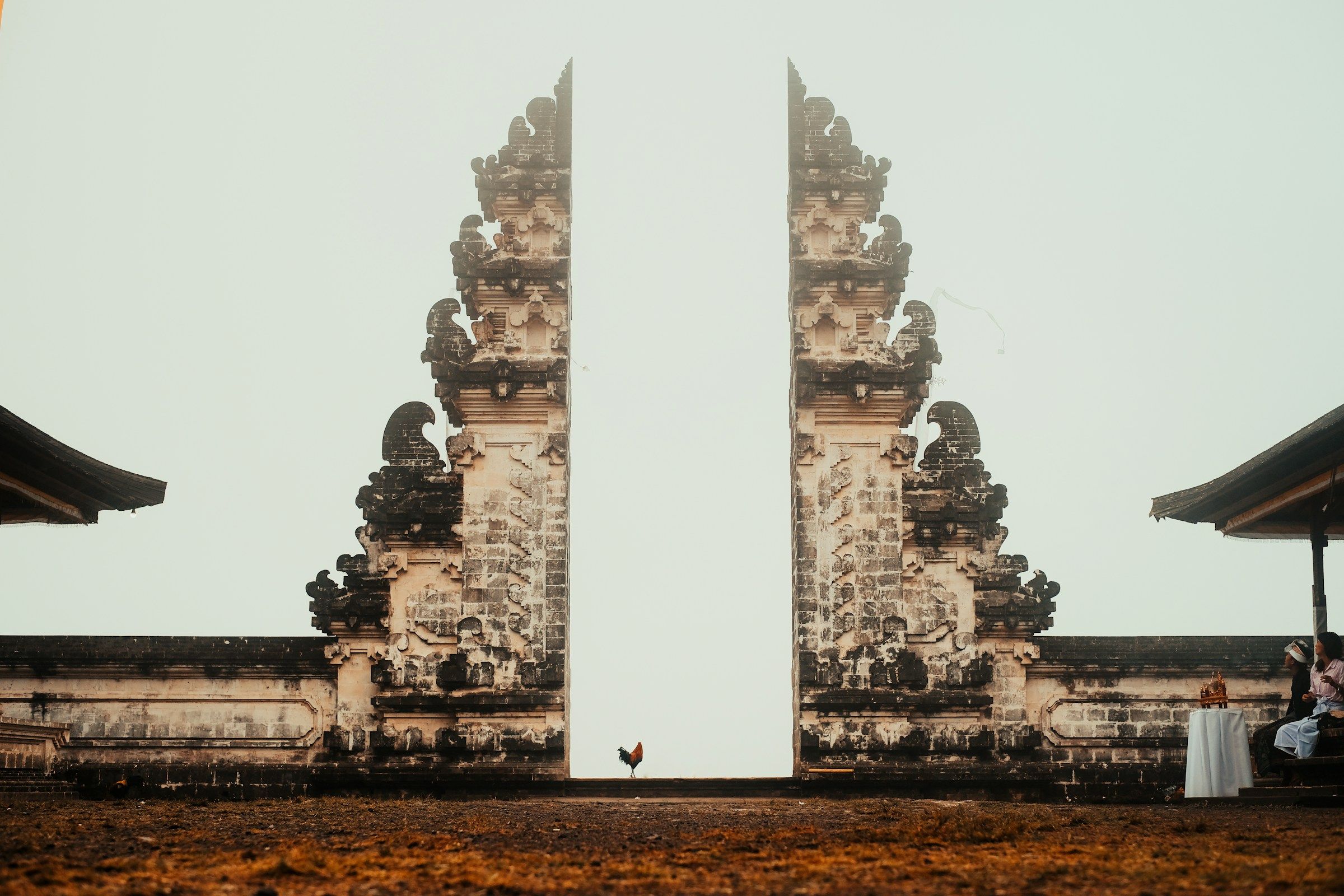
A postcard is a single frame, shot at the best hour from the best angle, with the crowds left out. It isn’t a lie exactly. It’s an edit.
The places below are all real and all worth knowing about, but what you find on arrival can differ a lot from the picture on the rack. Some are smaller than you’d guess, and some are busier. A few have simply changed, and several are being managed in new ways in 2026.
Mount Fuji Lawson Store, Fujikawaguchiko, Japan
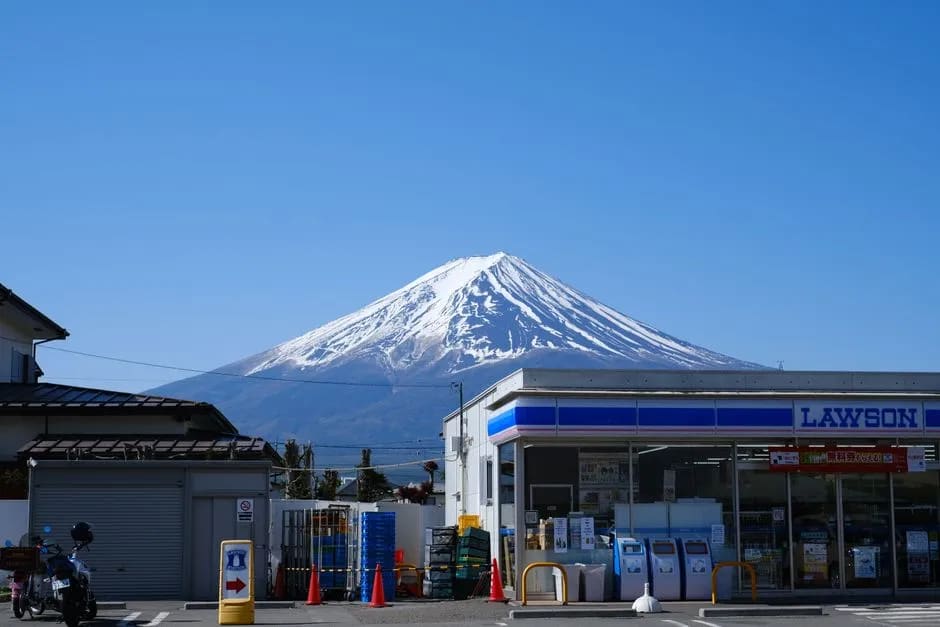
The famous image shows Japan’s tallest peak rising behind a convenience store with a blue facade. The influx of visitors reached unmanageable levels, with littering, blocked pedestrian pathways and unauthorised parking.[1] In response, the town put up a black mesh roughly 2.5 metres high and 20 metres wide, installed on May 21[2] in 2024.
Visitors didn’t give up easily. Around ten small openings had been made in the barrier within a week.[3] City officials quietly took it down on August 15[4], and a new barrier about 1.4 metres high went up on August 7, 2025[5]. It keeps people out of the road while still leaving the view open. Even then, the mountain is not guaranteed, because Fuji is frequently hidden by clouds, particularly in the afternoon[6].
Lempuyang Temple, Bali, Indonesia
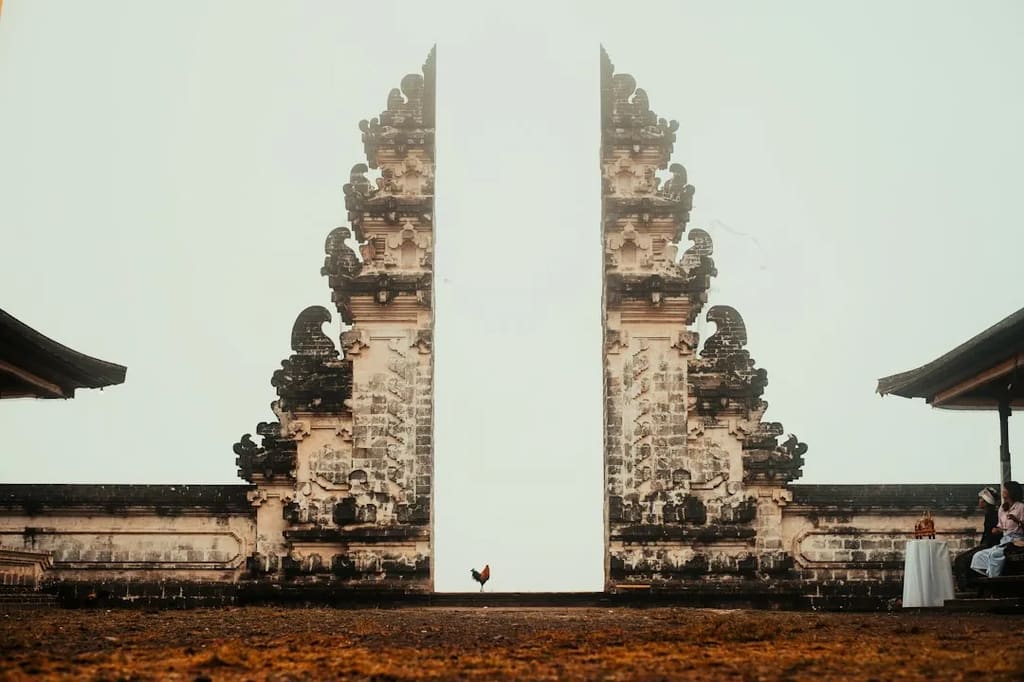
The Gates of Heaven photo shows split temple gates framing Mount Agung, with a glassy lake mirroring the whole scene. In reality the temple is not surrounded by water, and the reflection is a camera trick.[7] The photographer places a mirror under the lens so the image appears reflected on water that isn’t there.[7]
The queue is the other surprise. Between about 7 and 11 am a wait of 2 to 4 hours is common.[8] Visitors get a numbered ticket, and the gates are only the lowest of seven temples on the mountain, so there’s plenty to see while you wait. Many people still say the photo is worth it once they know how it’s made.
Trevi Fountain, Rome, Italy
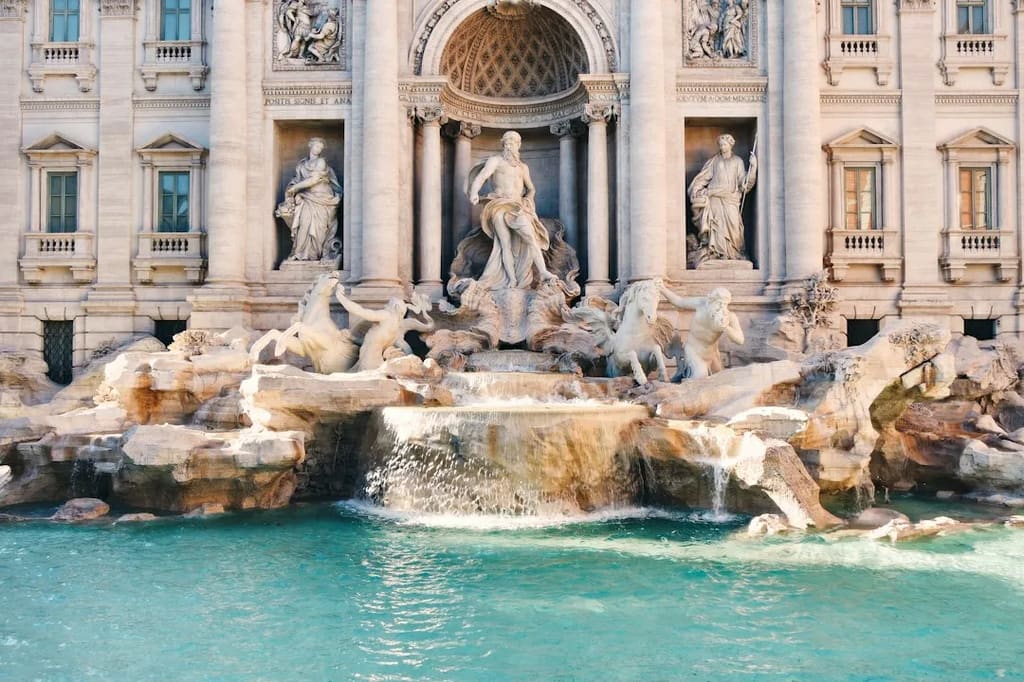
On a postcard, the fountain is a dramatic baroque monument with room around it. In person it’s one of the busiest spots in Rome. It draws about 30,000 visitors a day, with peak days reaching 70,000.[9]
Rome now manages that crush directly. From 2 February 2026, a €2 ticket is required to enter the basin, the part closest to the monument.[10] The lower area has an entrance, an exit, stewards counting heads, and a cap of roughly 400 people at a time.[11] The view from the piazza is still free, and it’s the angle most postcards use anyway.
Venice, Italy
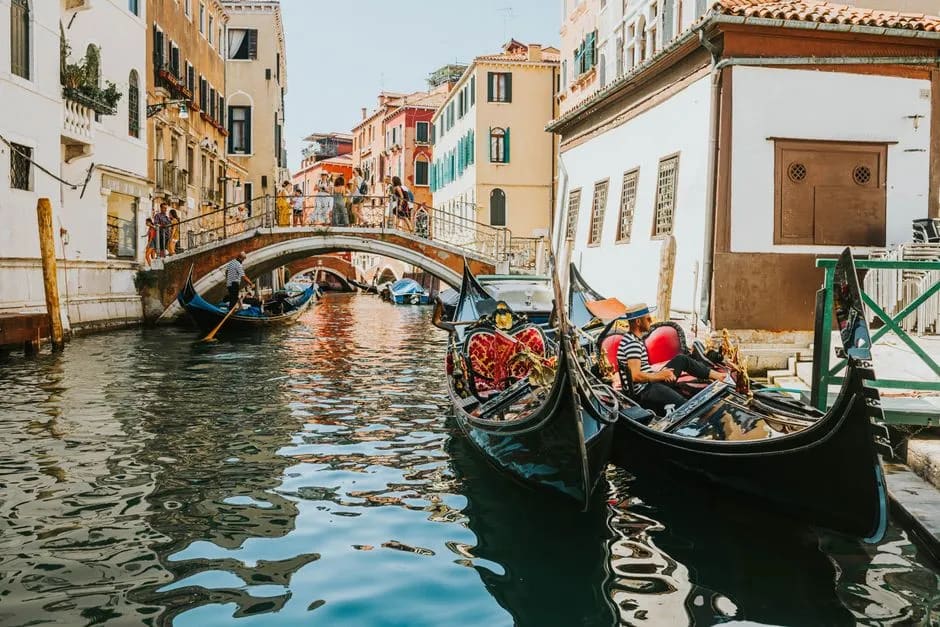
Postcards show quiet canals and a gondola gliding past old palazzi. The real city has a small resident population and a very large number of day visitors. In 2024, Venice became the first city in the world to charge entry fees to short term visitors.[12]
The scheme has grown since. The access fee applied on 60 days between April 3 and July 26, 2026[13], and it costs €5 to €10 for day visitors from outside the city on peak days[13]. Results so far look modest: the 2025 trial raised €5.4M, with only modest crowd changes[14]. Overnight guests don’t pay.
The Little Mermaid, Copenhagen, Denmark
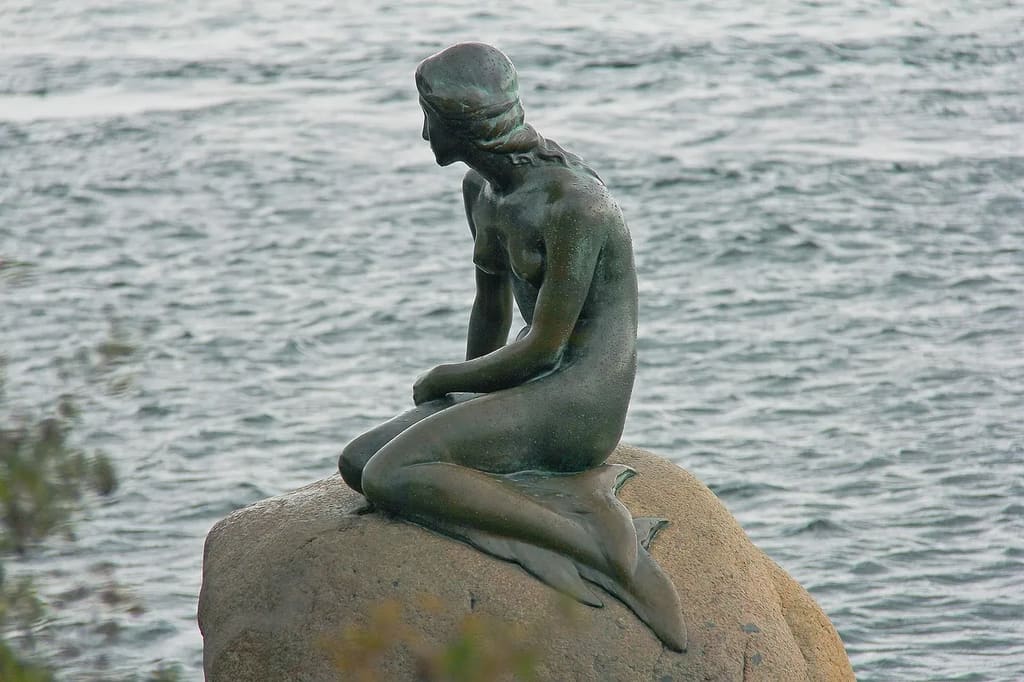
Few landmarks surprise people more on size. The bronze statue of Hans Christian Andersen’s heroine is only about 1.25 metres tall, and she sits on a rock at the water’s edge on the Langelinie promenade. Postcards, with their careful framing, can make her look far grander than she is.
She has been in place since 1913, which gives her a long history of visitors and a long list of mishaps too. The statue has been vandalised several times over the decades, and she has lost her head more than once. Most travellers spend only a few minutes there, so it helps to pair the stop with a walk along the harbour.
The Pyramids of Giza, Egypt
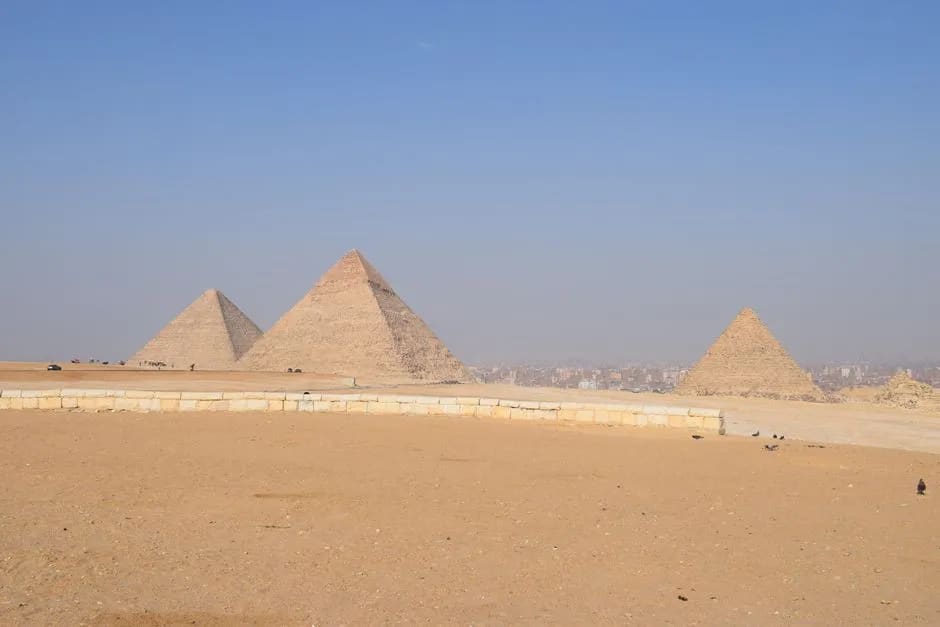
The classic image shows three pyramids alone in an empty desert. The plateau actually sits at the edge of Giza, part of the greater Cairo urban area, and the city’s buildings come right up to its boundary. From some angles, the modern streets are as visible as the monuments.
Time has changed the pyramids themselves, too. The Great Pyramid once stood around 146 metres tall and is now closer to 138 metres, because the outer casing stones and the capstone are gone. Nearby, the Grand Egyptian Museum, which opened in late 2025, gives the site a modern neighbour that postcards never show.
Maya Bay, Phi Phi Leh, Thailand
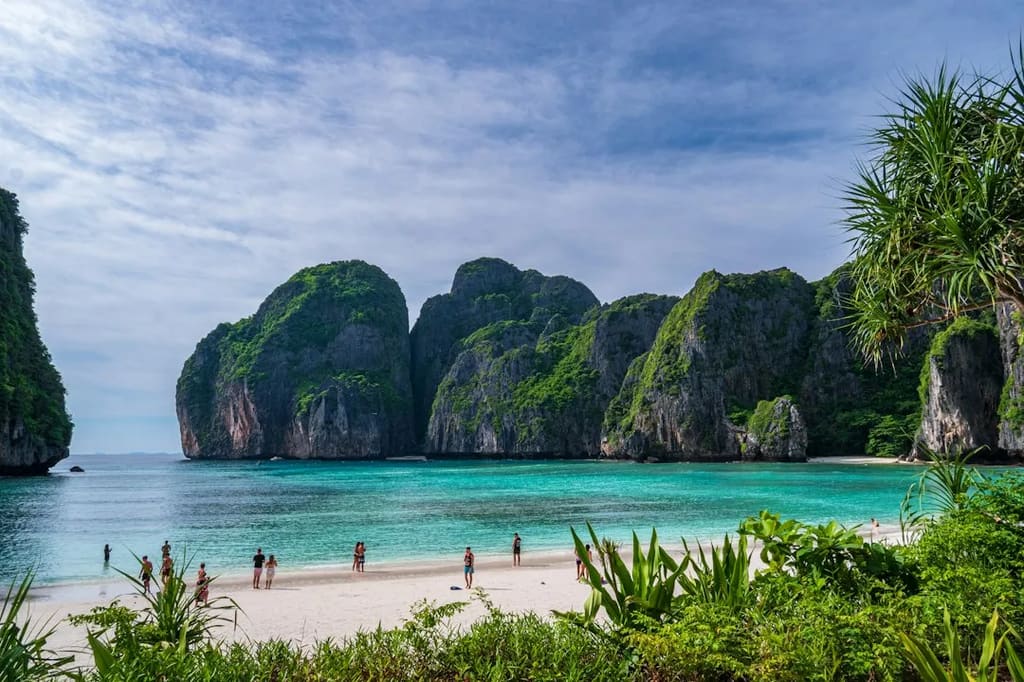
This was the beach made famous by the 2000 film The Beach, pictured with calm water and almost nobody on the sand. For years the reality was a crowded bay packed with boats. Thailand closed it in 2018 so the damaged coral and marine life could recover.
It reopened in January 2022 under tighter rules. Boats no longer pull up to the main beach, and visitors arrive by a pier on the island’s far side. Time and visitor numbers are limited, and swimming in the bay is not allowed. The beach looks closer to the postcard now, though you share it with a managed crowd.
The Great Barrier Reef, Australia
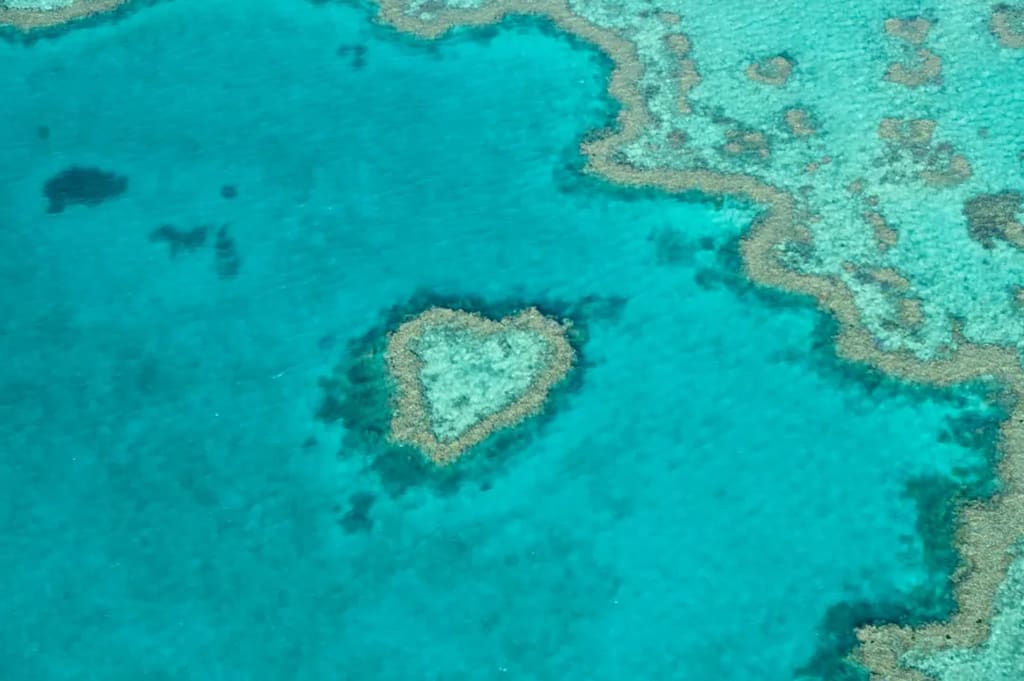
Reef postcards are a riot of colour: bright coral, clear water, schools of fish. The reef is enormous, though, and conditions vary from one site to the next. Fujikawaguchiko may be small, but[4] the reef is a vast system, so one photographer’s best spot isn’t a guide to the whole.
The 2024 mass bleaching was the fifth on the reef since 2016, and bleached coral looks pale or white rather than vivid. Australia’s official monitoring program, run by the Australian Institute of Marine Science, reported sharp declines in hard coral cover across much of the reef in 2025. Some areas are recovering and others are not, so a good tour operator or local guide matters.
Related Stories From Travelbinger



The Dead Sea, Jordan and Israel
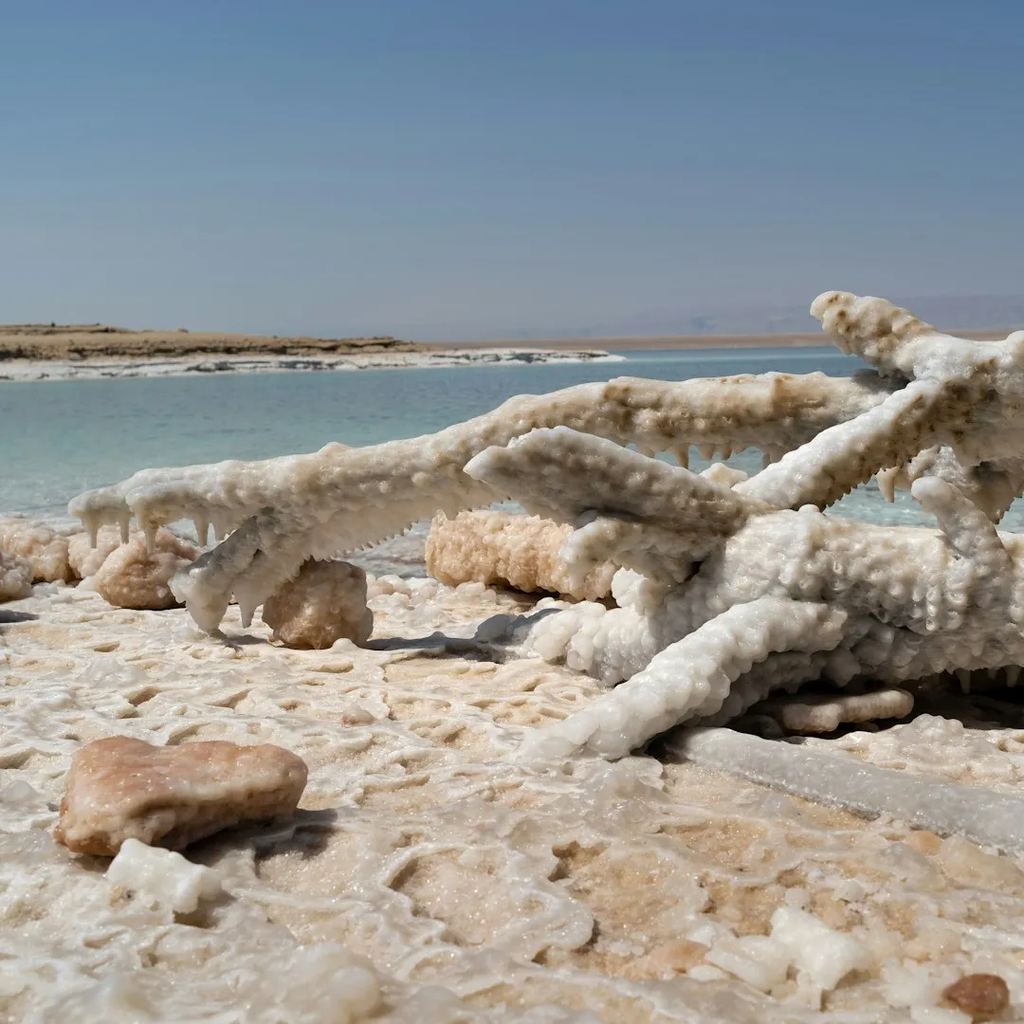
The image is of a sunlit blue lake where visitors float while reading a newspaper. Floating is real, since the water is extremely salty. The shoreline, however, has been retreating for decades, with the surface dropping by roughly a metre a year in recent decades.
That retreat leaves exposed ground, and thousands of sinkholes have opened along the shore. Beaches that once sat beside hotels can now be a long walk or shuttle ride from the water. It’s still the lowest land surface on Earth, at about 430 metres below sea level, and the experience is still unusual.
Sagrada Familia, Barcelona, Spain
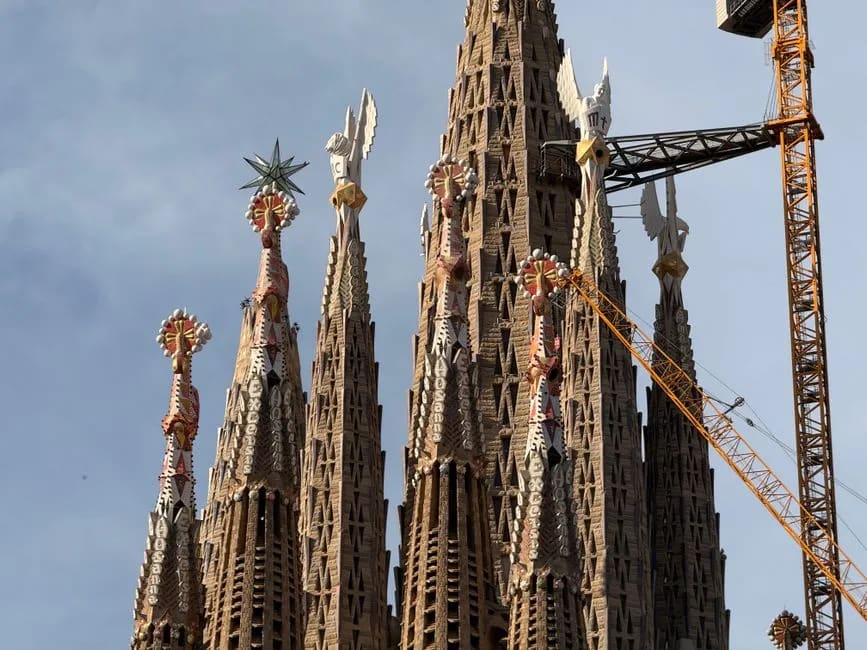
Postcards usually show Gaudí’s basilica as a finished masterpiece against a blue sky. Look closer and you’ll likely spot a crane. Construction began in 1882 and has continued ever since, so the building is a work in progress.
The central tower, dedicated to Jesus Christ, was scheduled to reach full height in 2026, the centenary of Gaudí’s death. Work on other parts, including facades and sculpture, runs on past that milestone. If you visit, it’s worth knowing the basilica will look a little different each time you return.
The Hollywood Sign, Los Angeles, United States
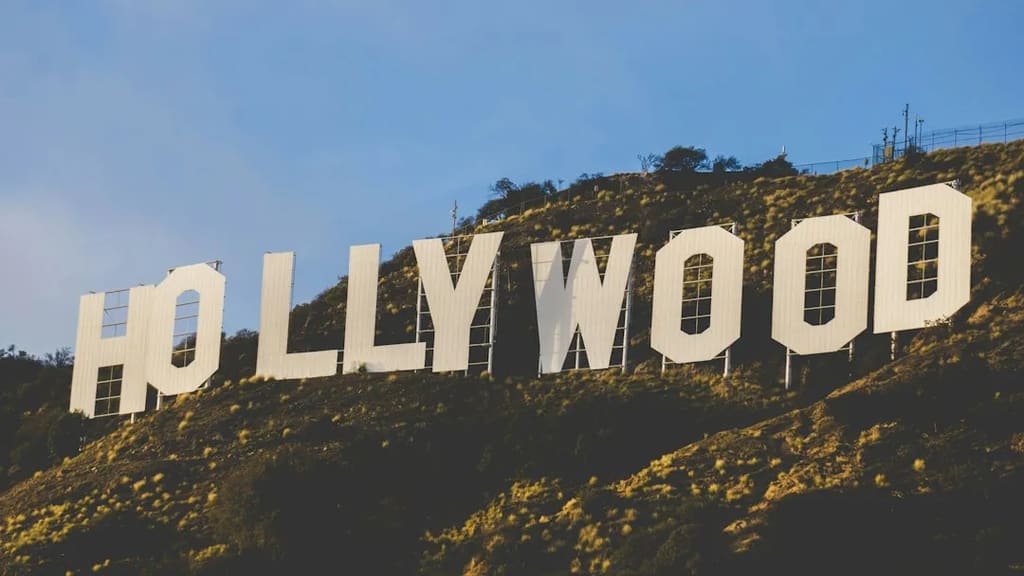
On a postcard the sign looks like a clean skyline icon within easy reach. It actually stands on Mount Lee in Griffith Park, and each of its letters is about 45 feet tall. Most people see it from far away, because the sign itself is fenced off and public access to it is restricted.
It began in 1923 as an advertisement for a housing development called Hollywoodland, not as a tribute to the film industry. Common viewing spots include the Griffith Observatory and several hiking trails, and long camera lenses make the sign look closer than it feels. Neighbourhood streets below it are residential, so parking and access are limited.