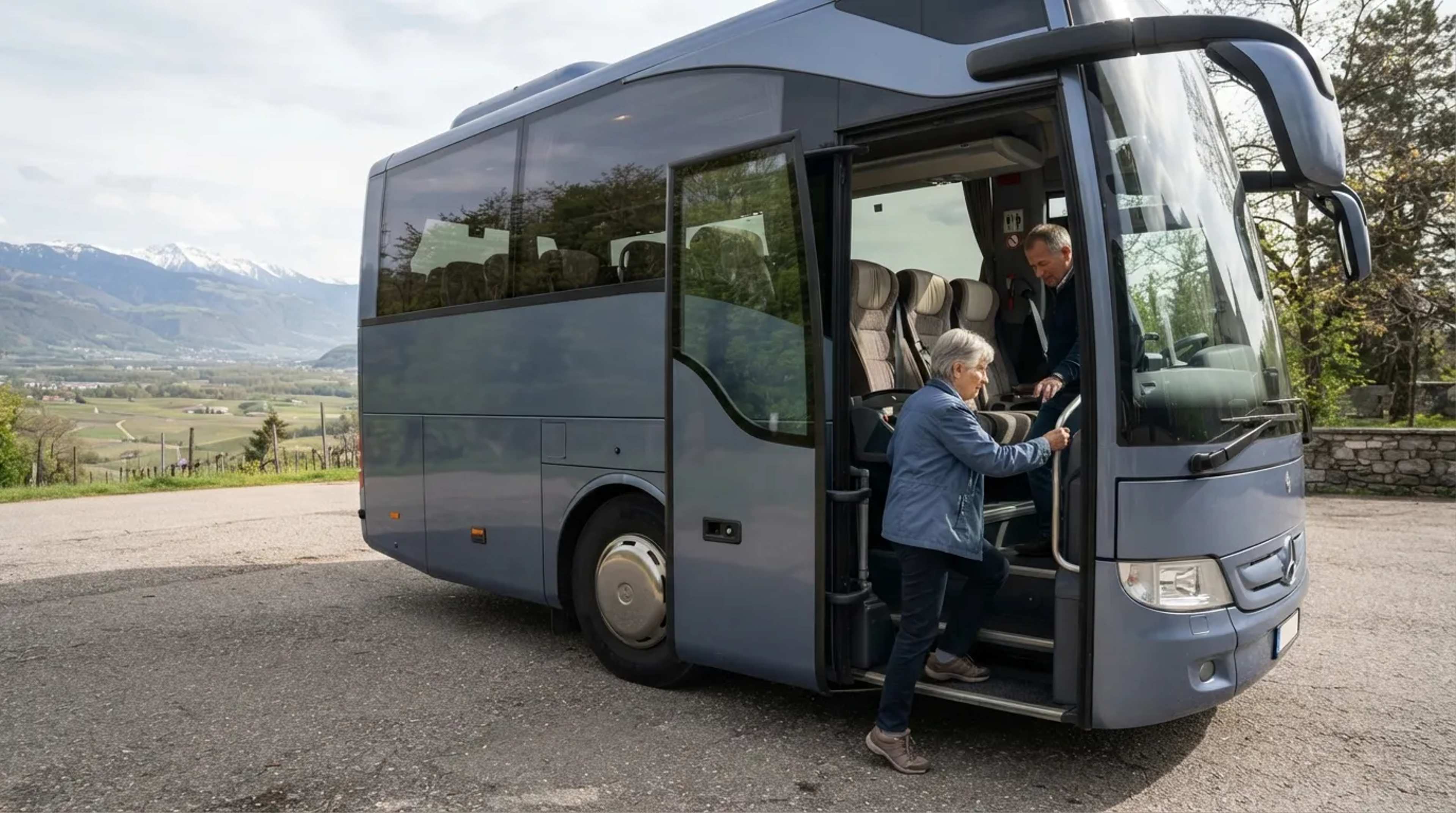
A touring motorcoach seats 48 to 52 people, and that one fact quietly writes most of the rules the brochure never headlines. On Globus, one of the large escorted-tour companies, the limited coach space means one suitcase per person.1
Rules like these sit in small type: a cap on bag size, a seat that changes every morning, a surcharge for sleeping alone. A second suitcase can be refused outright, and a solo traveler’s bill can run thousands of dollars above the listed price.
The most expensive item here is also the only one that depends on the departure date you choose. The smallest rule comes first, and it concerns the bag you carry onto the coach each morning.
#15 – A Carry-On Limit Smaller Than a Backpack
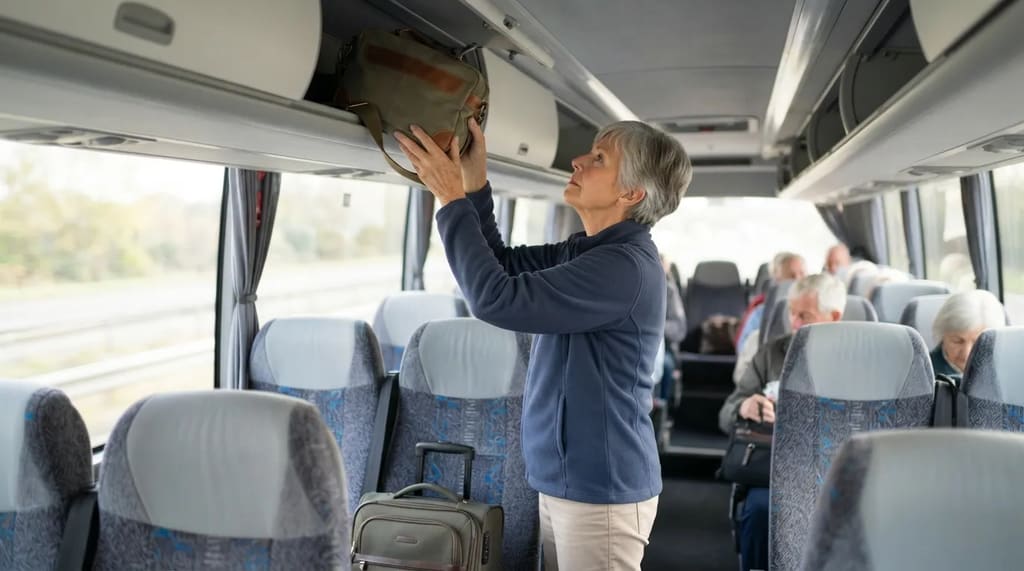
Globus sets its carry-on limit at 12 by 11 by 6 inches.2 The carry-on size common on airlines is 22 by 14 by 9 inches, so the day bag that sailed through the airport may be too big for the coach.
The coach itself is the reason. For safety, Globus does not recognize wheeled carry-on bags as hand luggage on motorcoaches.1
Whatever you bring must fit in an overhead bin or under the seat in front of you.3 Racks on a coach are narrow, and a roller bag that glided through the terminal becomes a problem on the first morning.
A soft shoulder bag or small soft-sided pack is the safer bet. I would leave the wheeled carry-on at home rather than argue about it beside the luggage bay.
A bag too big for the rack goes into the bays under the coach, out of reach until the next stop.4
#14 – The Luggage Tag That Belongs Only on the Suitcase
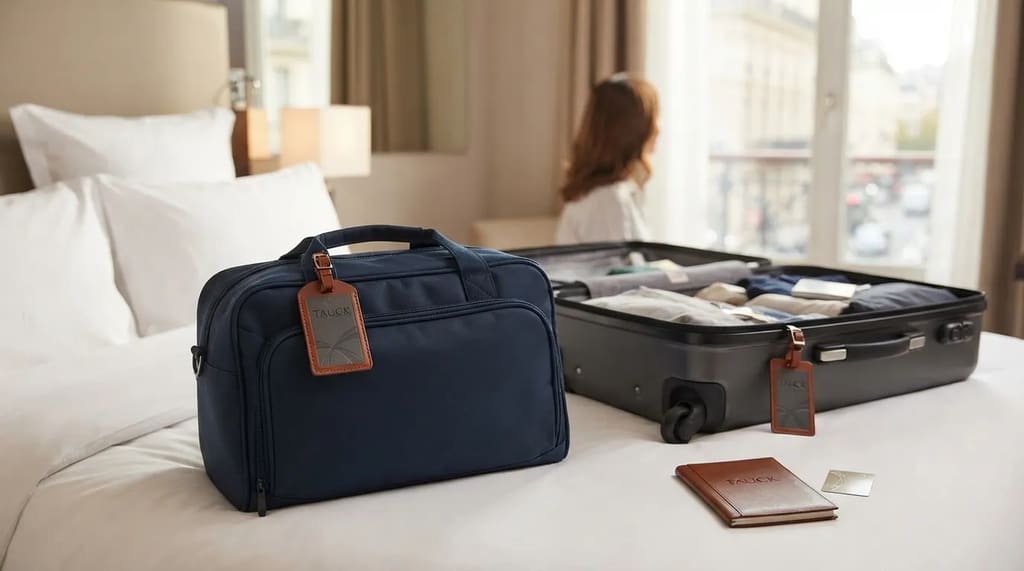
Tauck’s Tour Director hands out luggage tags on Day 1. The tags mark bags to be handled and transferred by ground operators and hotel staff, so Tauck asks guests not to put one on a carry-on.5
A tagged bag leaves your hands and may not come back until the evening.
Sort your things with that in mind. Prescriptions, glasses, a rain jacket and a phone charger belong in the day bag, which Tauck suggests keeping small and soft-sided.
Pack the day bag first, while the suitcase is still open on the bed. What goes into the suitcase after that is what you will not see until you reach your room.
Worth Knowing
- Tags are handed out by the Tour Director on Day 1.
- Tagged bags are moved by ground operators and hotel staff.
- Never tag the carry-on you plan to keep with you.
- Keep medicine, glasses and a charger in the day bag.
#13 – Seats That Move Clockwise Every Morning

Coach companies that rotate seats do not all do it the same way. One small operator rotates seats daily in a clockwise direction on all multiple-day trips, and one front seat is reserved for the Tour Director and does not rotate.
Another says each day you move up one seat, and the traveler in the front moves to the back. A third applies the rule only on tours of five or more days.
Go Ahead Tours, for example, does not assign seats at all, but encourages travelers to rotate daily so everyone enjoys different views.6 The stated purpose is also to give everyone a turn in front and a chance to meet new people.
Rotation draws complaints, but I think it is the fairer arrangement. It also ends the habit of rushing back to the coach for a better seat.
A rule that moves everyone one row at a time pays no attention to a stiff knee or a queasy stomach.
#12 – The Bad Knee and the Queasy Stomach
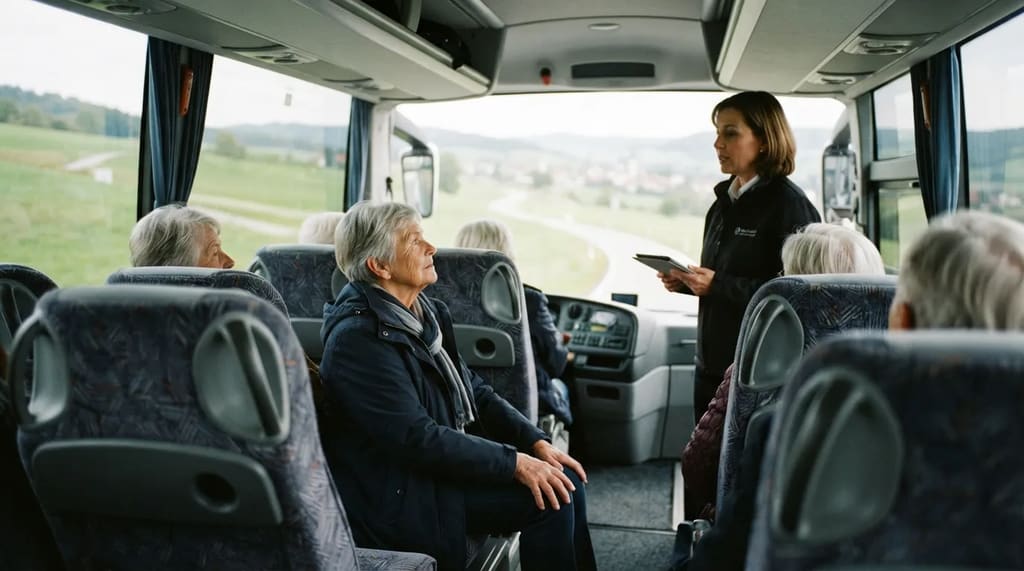
Whether you can be excused from rotating depends on the company. Go Ahead asks travelers with motion sickness to tell the Tour Director.6
Another operator says passengers who do not wish to rotate may sit in the back of the coach. Others write the opposite: there can be no exceptions, so as not to show partiality.
If motion sickness is the worry, a front seat with a view of the road is usually the easiest place to manage it. For a bad knee or a need for the aisle, ask before you book.
A “no exceptions” clause is something to settle in writing before the deposit. By the first morning, the answer is already in the terms you agreed to.
All of this assumes the company rotates seats, and that is a company policy rather than a rule of coach touring.
#11 – Companies That Skip Rotation Altogether

Seat policy varies from one company to the next. Some operators rotate daily on multi-day tours, and others let you keep the same seat all week.
On some tours you can choose your seat on Day 1 before rotation takes over. This matters most if you need an aisle, sit better near the front, or travel with someone who gets queasy.
The advice is simple: ask which system your tour uses before you book. You will rarely find the answer on the brochure’s headline pages.
Luggage rules and seat rules tend to sit in terms-and-conditions pages, as Tauck’s luggage limits do, or in help-center articles like Go Ahead’s. Read those pages first.
Quick Compare
- Clockwise daily rotation: one front seat stays reserved for the Tour Director.
- Move up one seat a day: the front traveler goes to the back.
- Five-day trigger: rotation applies only on tours of five or more days.
- No assigned seats: travelers are encouraged to rotate for different views.
Even where rotation is in force, it cannot promise that friends will sit together.
#10 – No Promise That Friends Will Sit Together

One coach company says plainly that it cannot guarantee small groups will be seated together. It adds that travelers who are single or in uneven groups may need to sit with other like-travelers.
Couples are the easy case, since two people fit one seat pair. The trouble starts with three friends or a party of five.
Coach seats come in pairs on either side of the aisle, so on a full coach a group of three has to split across at least two pairs.
If you are traveling with friends and want the same row, ask how the company treats parties of your size. Ask also whether you rotate as a unit or one by one.
#9 – Hours in the Seat the Brochure Leaves Out
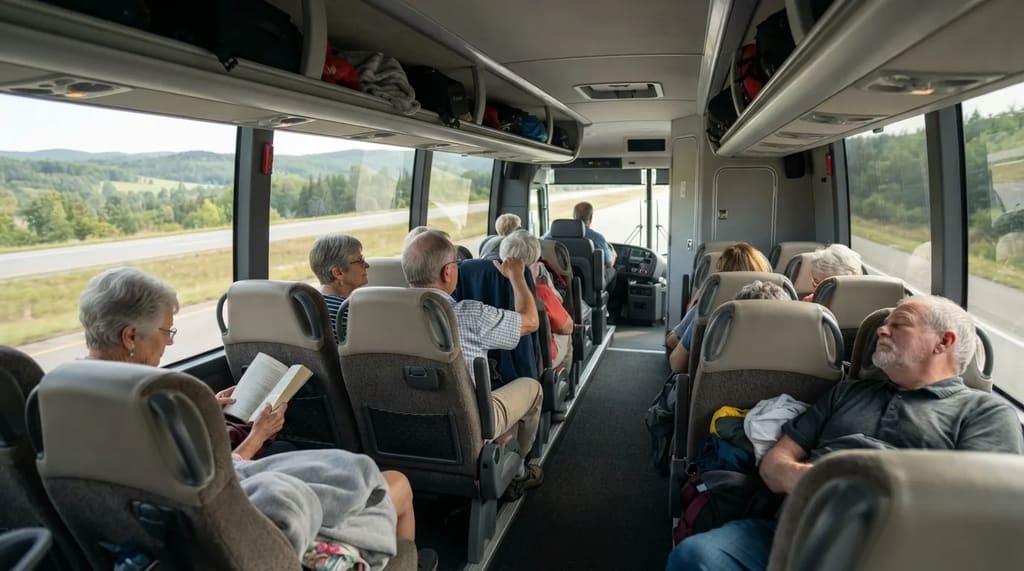
A brochure lists the places you will see, but not always the hours between them. That gap shows up as a day spent mostly in a seat.
If long sitting is hard on you, count the daily total, not the number of stops. This is where rotation matters, because on a long driving day the seat you rotate into is the one you keep for hours.
The coach’s restroom matters too, and companies describe theirs differently. One calls its coaches lavatory equipped, another lists emergency restrooms, and a third simply mentions a restroom.
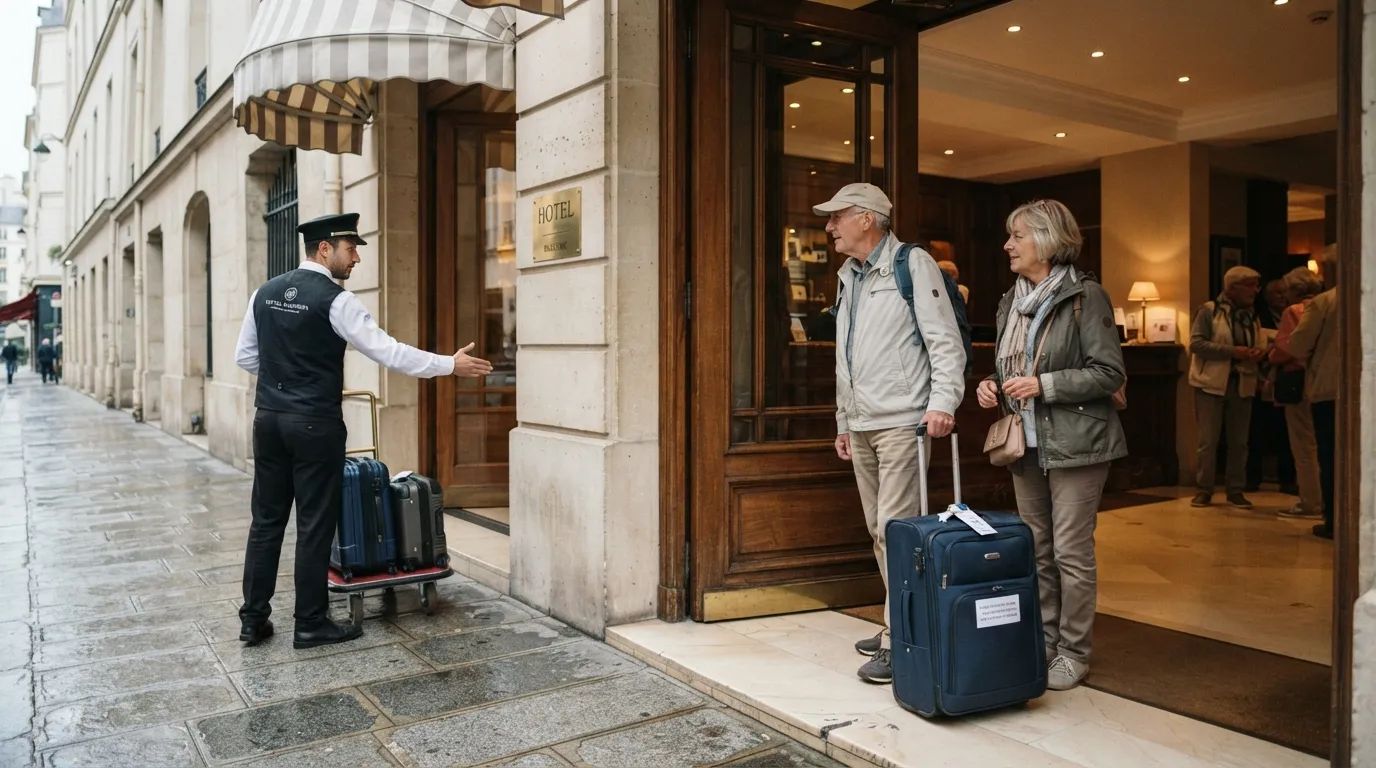
The driving day ends at a hotel, where a porter takes your suitcase, but the service reaches no further than the hotel.
#8 – Porters Who Stop at the Hotel Door
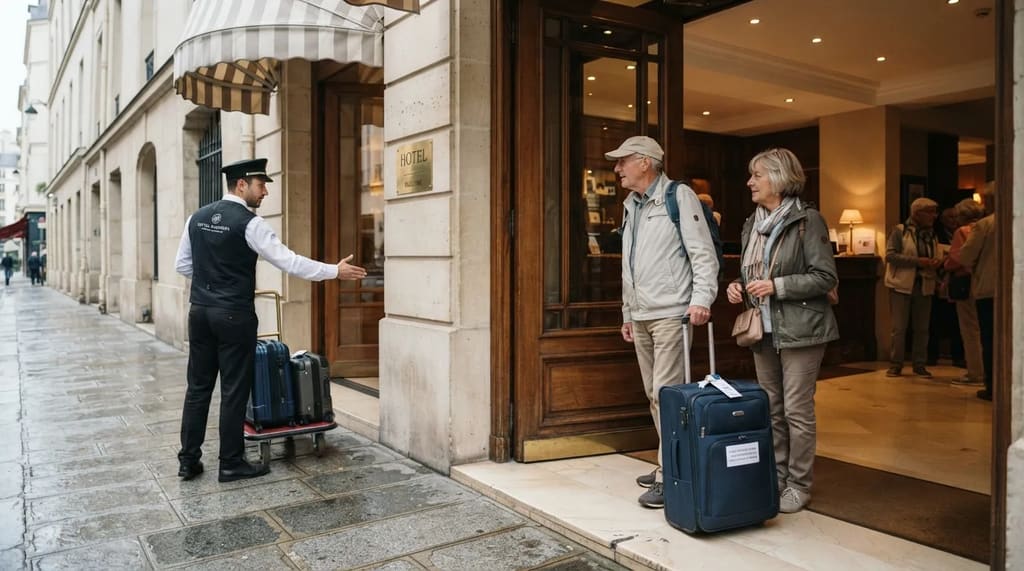
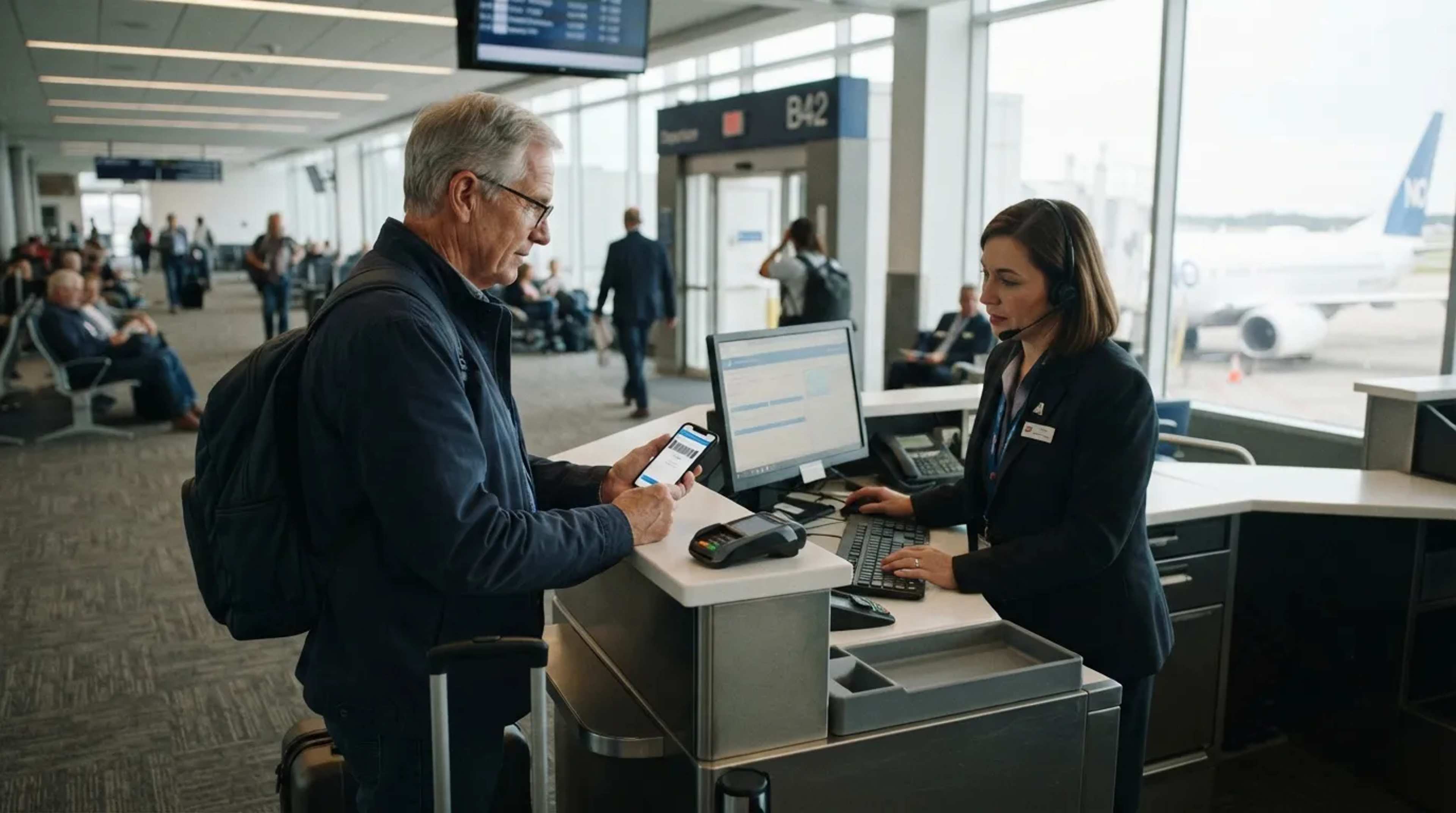
Globus includes hotel porterage for one suitcase per person, but airport and train station porterage is not included unless your documents say so.2 The company tells travelers to be prepared to carry their own suitcase on and off planes and trains and through airports.
Airport regulations also require you to handle your own luggage through customs.
So “luggage handled” covers the stretch between the coach and your room. For a traveler with a bad shoulder or back, the hard parts are the train-station steps and the customs hall.
Pack to a weight you can lift alone onto a train step or a rack. Fifty pounds is the standard ceiling, and you are free to stay well under it.
At a Glance
- Covered: hotel porterage for one suitcase per person.
- Not covered: airports and train stations, unless your documents say so.
- Always on you: carrying your own bag through customs.
- Standard ceiling: 50 pounds per bag.
Fifty pounds is also the number the airline’s scale uses, and the suitcase itself counts toward it.
#7 – The Empty Suitcase Counts Against the 50 Pounds
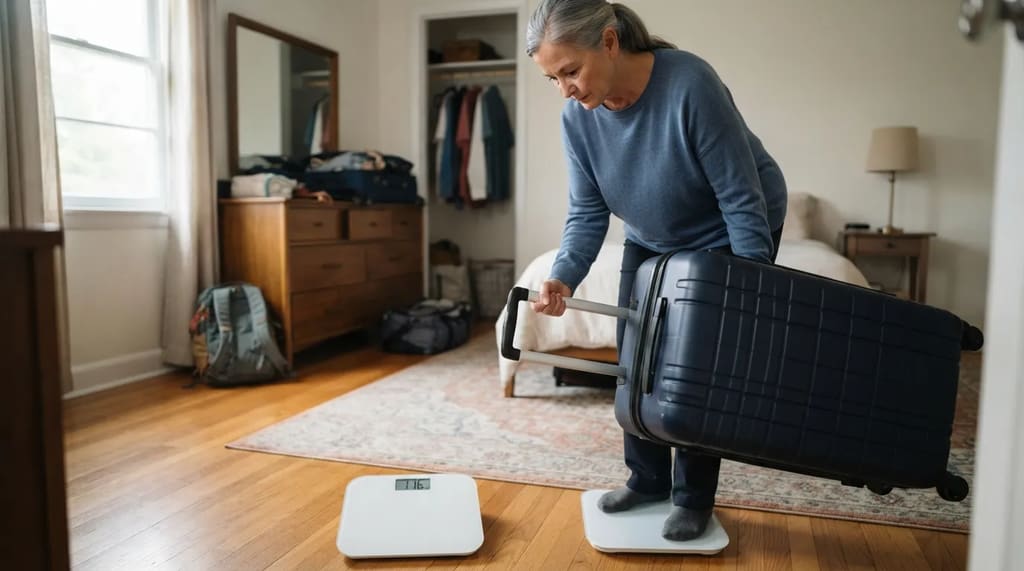
Fifty pounds sounds generous until you weigh the suitcase with nothing in it. A large hardside checked suitcase averages about 11 pounds empty, which leaves roughly 39 pounds for what goes inside.
A medium bag of 24 to 25 inches runs about 8.75 to 9.4 pounds empty. An older canvas bag with metal framing can weigh 12 to 14 pounds before you pack a shirt.
Weigh the packed bag at home, a week before you leave. Step on a bathroom scale holding the suitcase, then step on alone, and subtract.
Winter trips are the hardest to pack, since thick coats, sweaters and boots add serious weight. If your suitcase is an old heavy one, replacing it may be the one purchase that pays for itself on a coach tour.
Every pound saved is a pound of clothing. If yours already weighs under ten pounds, skip the packing gadgets and just weigh it.
#6 – Flights Inside the Itinerary Carry Tighter Limits

When a tour includes flights, the allowance can change. Tauck says tours with on-tour flights are subject to separate weight restrictions for checked luggage, and asks guests to check individual flights.
A suitcase packed to the coach limit may need repacking before a short hop. Globus makes the same point for safaris: because of limited capacity on safari vehicles and flights, the single bag must be soft-sided.
Road Scholar’s private-plane program shows how much limits vary even inside one company. It has no maximum luggage allowance on the private plane and suggests no more than two suitcases per person at 48 pounds each.7
Its transatlantic flights follow the commercial airline’s limits.7 The bag that worked on last year’s trip is not a safe guide.
The tour sets one allowance, and the airline that flies you to the first hotel sets another and charges for the difference.
#5 – Airline Overweight Fees the Tour Won’t Pay
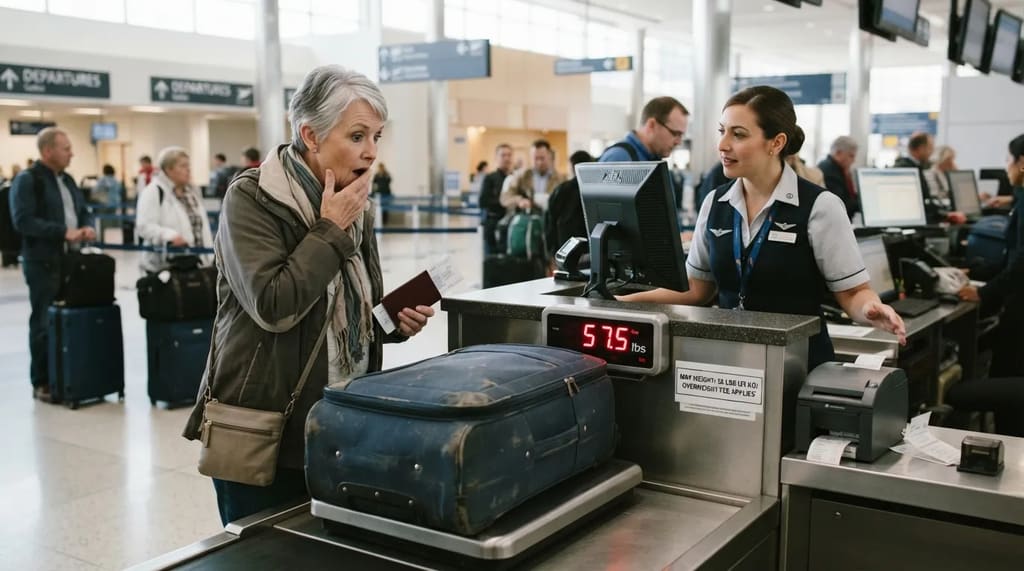
Your tour’s weight limit and the airline’s weight limit are two separate contracts. If the airline’s scale disagrees with your bathroom scale, the airline names the price.
Tour documents generally leave airline baggage fees to the traveler, so read yours to see who pays. On many major airlines, a checked bag over 50 pounds triggers an overweight fee that can run $100 or more each way.
Size is a second trap. Many airlines also charge extra for bags above 62 linear inches, no matter how light they are.
Cheaper fares can add a third surprise, because some basic fares do not include a checked bag at all. Check the airline’s current rules the week before you fly, since they change.
Fast Facts
- Airline baggage fees usually fall to the traveler, not the tour.
- Over 50 pounds can mean $100 or more each way on many major airlines.
- Bags above 62 linear inches often cost extra, even when light.
- Some basic fares include no checked bag at all.
Fees like these show up on a receipt, but the next problem can show up at the coach door.
#4 – The Second Suitcase That May Be Turned Away

Globus sets one suitcase per person because coach luggage space is limited. A second bag is not a fee question on a tour like that; it can be a refusal.
With 48 to 52 passengers on board, every extra bag takes room that someone else’s bag needs. That is why the limit is written per person, not per couple.
Rules differ by company, and Road Scholar’s private-plane advice of up to two suitcases shows it. Never assume a friend’s allowance on one tour applies to yours.
Ask in writing what happens if you arrive with two bags. Better to hear “no” at home than at the luggage bay on Day 1.
Related Stories From Travelbinger



Packing mistakes can be fixed at home, but the next costs are set before you leave.
#3 – The Roommate Match With Fine Print

Some companies, Road Scholar among them, offer to pair solo travelers with a roommate. For many people, it is the most direct way to dodge a single supplement.
The fine print is where it gets interesting. Ask what happens if no roommate is found: whether the supplement is waived or whether it lands on your bill.
Ask about the cutoff date too. A match that is made late, or not at all, can change what you owe.
A roommate match only helps if you actually want a roommate. If you want your own room, the bill works very differently.
#2 – The Extra Nights That Carry Their Own Supplement

The tour price assumes two people share a room, and a hotel room for one costs close to a room for two. That gap is the whole reason the single supplement exists.
It also means the supplement on the main tour does not automatically cover everything. Extra nights before or after the tour are usually priced separately, with their own single rate.
Those add-on nights are easy to book because they feel small. For a solo traveler, they can quietly double the surcharge exposure.
Ask for one total for your party of one, extra nights included. That number is the real price, not the one on the front of the brochure.
Even that total can change, depending on when you choose to leave.
#1 – The Single Supplement That Changes With Your Departure Date

The listed tour price assumes two people sharing. If you travel alone, you pay the single supplement on top, and it is the biggest surprise on this list.
On many tours that supplement is set per departure, not per itinerary. The same trip two months apart can carry different surcharges, sometimes by hundreds of dollars.
Peak-season dates usually cost more than quieter ones. The cheapest-looking date in the brochure is not always the cheapest date for one person.
Some companies run select departures with reduced or waived supplements, so ask. Then request the supplement for each date you are considering and compare the final totals.
That one comparison can save more than every packing trick on this list combined.
Group tours sell the places, but the fine print decides what each day actually feels like. Bag sizes, seat turns, hotel doors and one surcharge can change the whole trip.
Read the small type before the deposit, not on the first morning at the luggage bay. The best group tour is the one with no surprises left to find.
- Globus Escorted Tour FAQ: https://www.globusjourneys.co.uk/faqs/
- Globus Travel FAQs: https://www.globusjourneys.com/faqs/
- Globus Terms and Conditions: https://www.globusjourneys.ca/terms/
- Tauck Trip Prep Essentials: https://www.tauck.com/tours/michigan-lakes-mackinac-island-escorted-tour
- Tauck Luggage Tags Guidance: https://www.tauck.com/tours/portrait-of-india-escorted-tour
- Go Ahead Tour Bus Help: https://support.goaheadtours.com/hc/en-us/articles/9121281439003-Traveling-by-tour-bus
- Road Scholar Private Plane FAQ: https://www.roadscholar.org/c/private-plane-faqs/