Most people assume a ferry crew’s job ends the moment the ropes are cast off and the safety briefing wraps up. But talk to anyone who’s crossed choppy water with an aging parent, and you’ll hear a different story entirely. Behind the orange life vests and crackling intercoms, there’s a quiet code of care that rarely makes it into the brochure.
These aren’t grand gestures or scripted customer service lines. They’re small, almost invisible acts, the kind you only notice if you’re watching closely, or if you’ve been the one who needed them. Here’s what actually happens on the water when the swells pick up and an older passenger starts to look unsteady.
#14 – They Steer You Toward the One Seat That Doesn’t Rock
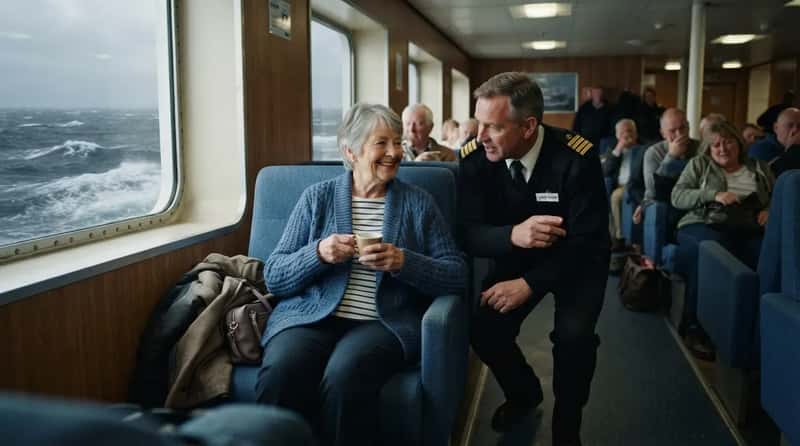
Every vessel has a sweet spot, usually low and centered near the ship’s pivot point, where the motion is noticeably gentler than anywhere else on board. Crew members know exactly where that spot is, and they’ll casually suggest it to an older traveler without ever mentioning why. It’s framed as a recommendation, not a rescue, so nobody feels singled out.
What most passengers don’t realize is that seat placement can make the difference between a calm hour and a miserable one. A crew member who’s worked the same route for years has essentially mapped the boat’s motion by memory. That kind of institutional knowledge almost never gets written down, it just gets quietly passed along, one shift to the next.
Fast Facts
- Motion is generally weakest low and near the center of a vessel, close to its pivot point.
- The bow and stern typically pitch and roll the most in rough swells.
- Facing forward with a clear view of the horizon can also help settle a queasy stomach.
#13 – They Keep a Blanket Stashed Where You’d Never Think to Look
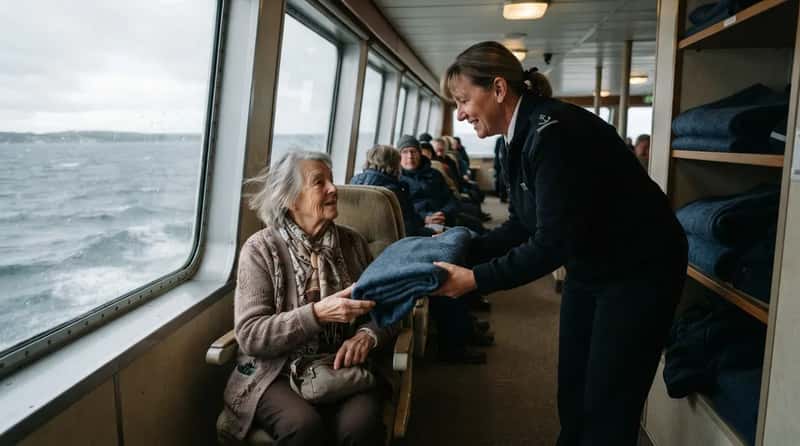
Ferries get cold fast once you’re out past the harbor, especially for someone sitting still for a long stretch. Many crews keep a small private stock of blankets or extra jackets tucked near the crew station, separate from anything passengers can request from a counter. It’s meant for exactly this moment, without a fuss or a form to fill out.
The offer usually comes framed as routine, something like “we keep a few extra back here,” rather than anything that draws attention to age or frailty. That framing matters more than people realize. Nobody wants to feel like the reason the boat had to slow down or make an exception.
#12 – They Slow Their Own Walk So You Don’t Have to Rush
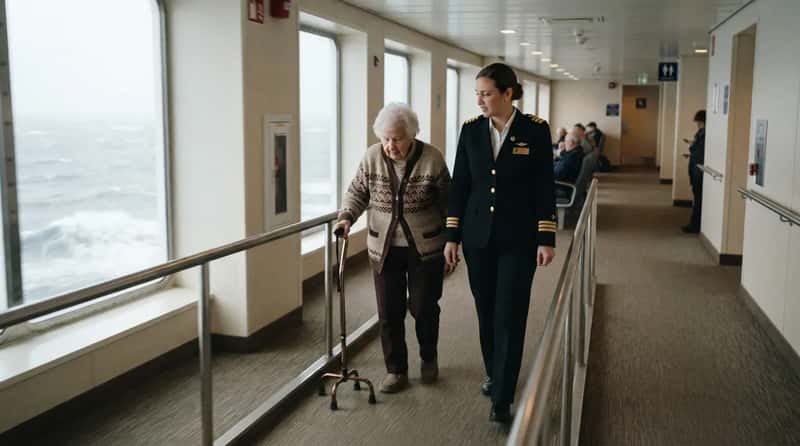
Watch closely and you’ll notice something odd: crew members walking noticeably slower when they’re near an older passenger heading to the restroom or a different deck. It isn’t hesitation, it’s calibration. They’re matching pace so the passenger never feels pressured to hurry across a moving floor.
On a rough crossing, rushing is exactly what causes falls, and every experienced crew member has seen it happen at least once. A slowed pace is one of the simplest, least noticeable safety interventions on the entire ship. It costs nothing, draws no attention, and prevents the kind of accident nobody wants to report.
#11 – They Reroute You Away From the Engine Vibration
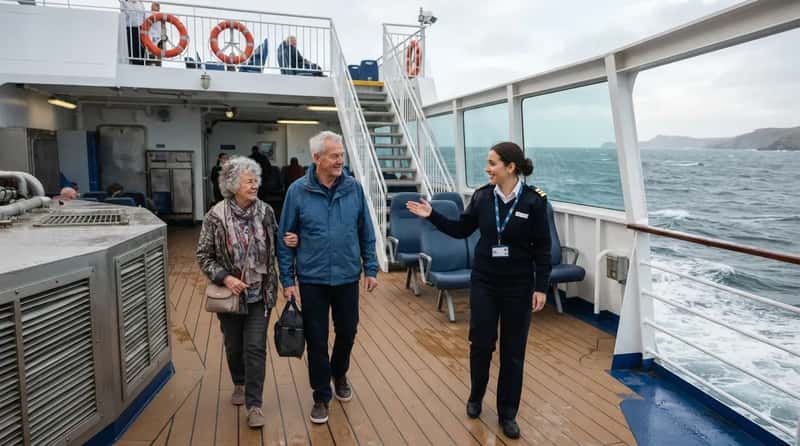
The stern of most ferries sits directly above the engine room, and the vibration there can be enough to rattle an unsteady stomach or aching joints within minutes. Crew members often nudge older passengers toward the bow or the upper deck instead, again without explaining the real reason. It’s presented as a better view, not a medical workaround.
This kind of redirection tends to happen early, often within the first few minutes of boarding, before anyone has a chance to settle into an uncomfortable spot. Once someone’s bags are down and they’re seated, most crews are reluctant to ask them to move again. So the good placement happens fast, and quietly, at the gate.
#10 – They Remember Faces Better Than You’d Expect
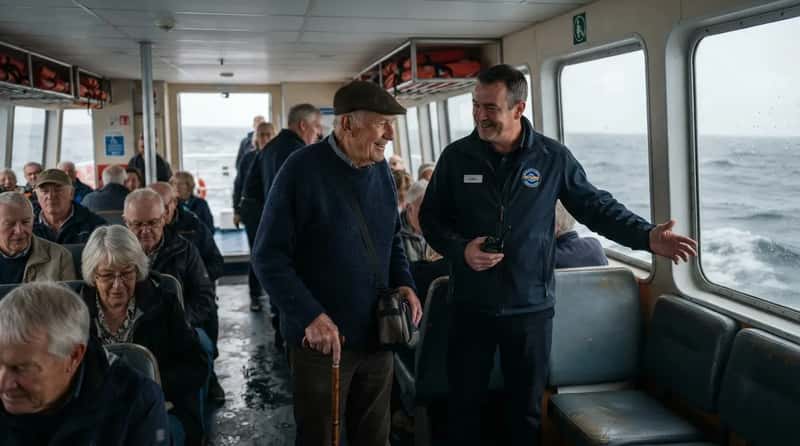
On regional and commuter ferries, crews see the same retirees week after week, and many genuinely remember names, routines, and small preferences. A returning passenger might get waved toward “their” usual spot without ever asking. It’s a small thing, but it changes the entire feel of the trip from transactional to familiar.
This kind of recognition builds trust that pays off during rough weather, since a passenger who already knows a crew member is far more likely to speak up if something feels wrong. Regulars often get checked on first, purely because the crew already knows their baseline. That familiarity becomes a genuine safety net.
#9 – They Time the Safety Announcement Differently
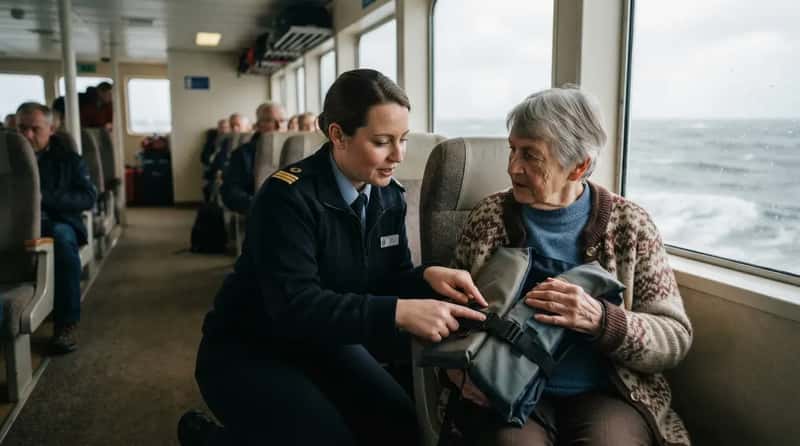
Standard safety briefings move fast, packed with information delivered once over a loudspeaker. Many crews will quietly repeat key points directly to an older passenger afterward, phrased more simply and without the rush. It’s rarely announced as a repeat, it just sounds like friendly small talk.
This matters more on rough crossings, when following instructions quickly can genuinely matter. A passenger who missed part of the announcement because of hearing difficulty or engine noise isn’t left guessing. The information gets there anyway, just through a second, gentler channel.
#8 – They Offer Something for Nausea Before It’s Asked For
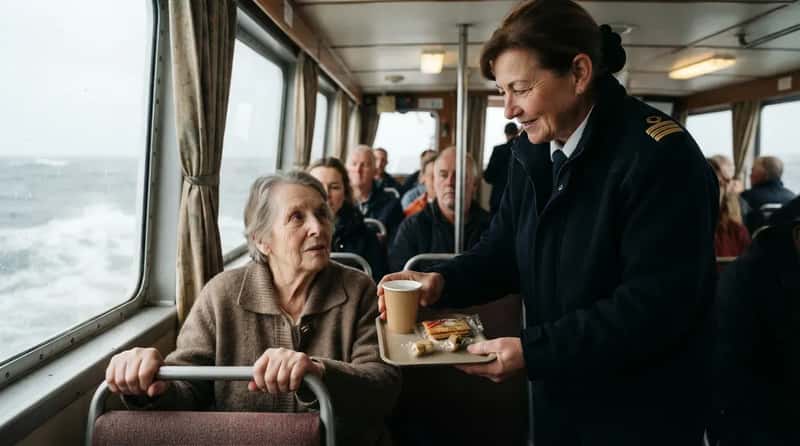
Ginger candy, crackers, or a cup of water might seem like small courtesies, but on a rocking boat they’re often deployed strategically. Experienced crew members can spot the early signs of seasickness, a pale look, a hand gripping the rail a little too tightly, well before a passenger says anything. The offer comes early, framed casually, so there’s no embarrassment attached.
Some ferry lines even stock these items specifically for this purpose, though it’s rarely advertised anywhere on the ticket or the menu. The supply exists mainly for older or more vulnerable travelers, even if any passenger technically can ask. It’s one of those quiet policies that never makes it into official materials.
Worth Knowing
- Early seasickness signs often include pale skin, cold sweat, yawning, and gripping a rail or armrest.
- Ginger and plain crackers are common informal remedies crews keep close at hand.
- Fresh air and fixing your eyes on the horizon are usually gentler on the stomach than staying below deck.
#7 – They Stay Within Reach Without Hovering
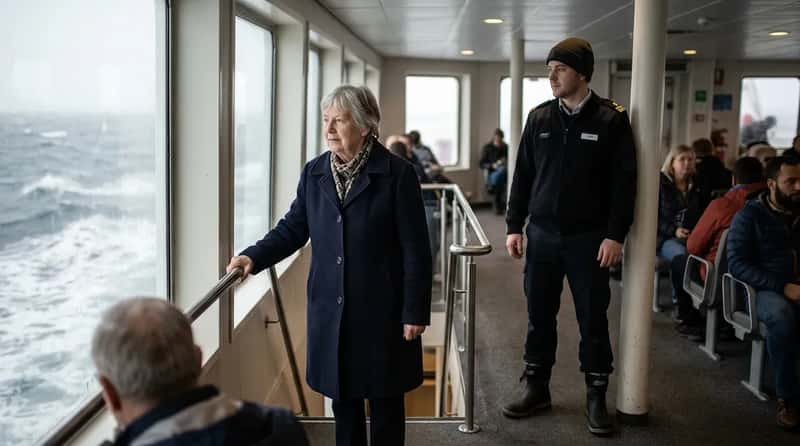
During genuinely rough water, crew members will often station themselves nearer to older passengers, close enough to catch someone who stumbles, but far enough to avoid looking like a babysitter. It’s a careful balance, and most crews get remarkably good at it over time. The goal is dignity first, safety second, even though both matter.
Passengers rarely clock this positioning as intentional. It just feels like the crew happens to be nearby. In reality, it’s often a deliberate, practiced habit, especially on routes known for choppy conditions.
#6 – They Bend the Boarding Order When It’s Not Official Policy
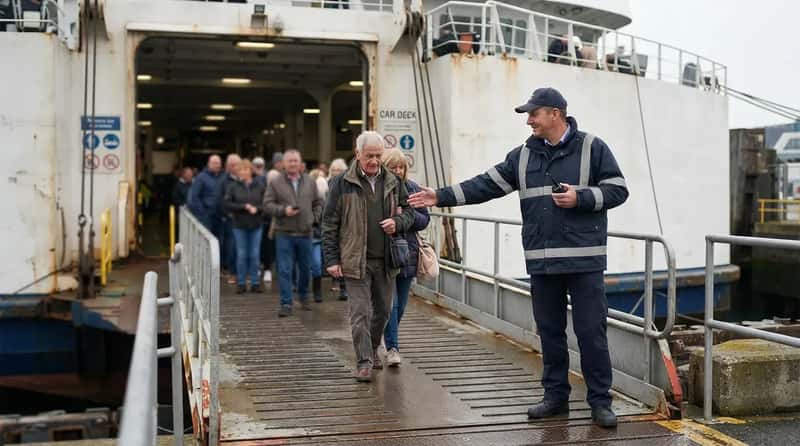
Most ferries board in a fairly rigid sequence, but crews frequently make quiet exceptions for older travelers who might struggle with a crowded gangway. That could mean an earlier call to board, a slower ramp pace, or simply holding the line a few extra seconds. None of it gets announced, it just happens.
This flexibility isn’t always officially sanctioned, but it’s widely tolerated because it prevents exactly the kind of jostling that leads to falls near the boarding ramp. Crew members frequently bend boarding rules specifically to protect older passengers from a crowded, unstable gangway. It’s one of the more controversial gray areas in ferry operations, since not every crew member interprets the leeway the same way.
#5 – They Radio Ahead So Someone’s Waiting at the Dock
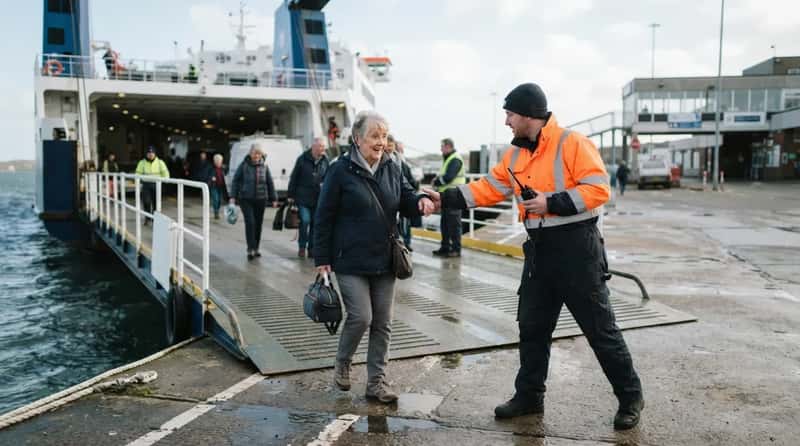
For passengers who need a little extra help disembarking, some crews will quietly radio the arrival dock so a colleague or porter is already positioned at the exit ramp. It saves an older traveler from navigating a crowded exit alone after a rough hour on the water. Nobody has to request it out loud; the crew simply sets it up.
This kind of behind-the-scenes coordination rarely gets mentioned to the passenger directly. They just notice, almost by surprise, that someone’s there right as they step off. It’s one of the more touching parts of the whole system, precisely because it happens without applause.
#4 – They Let You Disembark First, Even When It’s Not the Rule
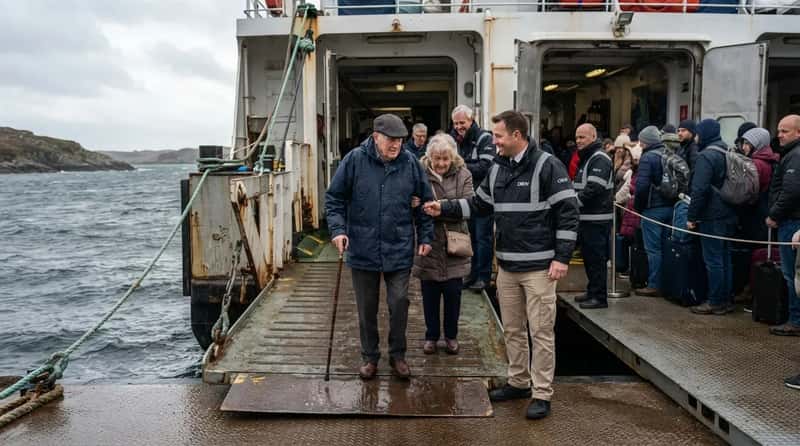
Standard procedure usually has passengers exit in the order they’re seated or by section. But on a rough crossing, many crews quietly reshuffle that order to let older or shakier passengers off first, before the crowd surges toward the exit. It’s rarely framed as special treatment, more like a casual “go ahead.”
This small act prevents one of the most common minor injuries on ferries: getting jostled or knocked off balance in a crowded exit line. Letting older passengers disembark first is one of the most consistently reported kindnesses across ferry routes, even though it isn’t official policy anywhere. It’s a habit built entirely on judgment, not a rulebook.
Quick Compare
- Boarding order: Policy says a strict sequence; reality is quiet exceptions for anyone struggling with the gangway.
- Disembarking order: Policy says exit by seat or section; reality is older passengers often waved off first.
- Describing rough water: Policy calls for accurate conditions; reality is calmer language chosen on purpose.
#3 – They Downplay the Rough Water on Purpose
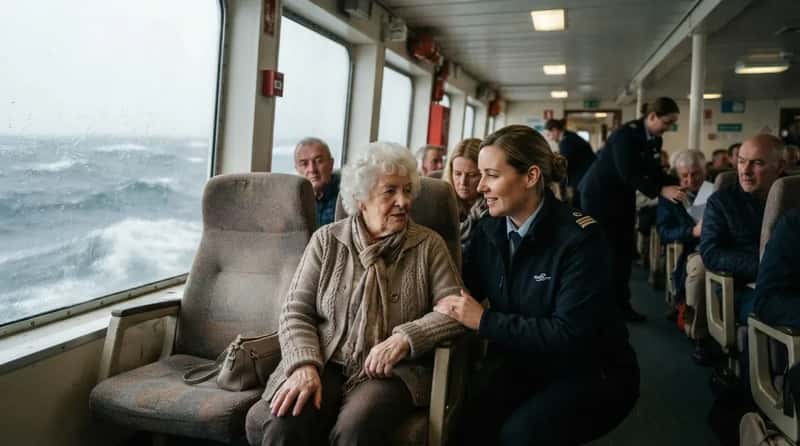
When conditions get genuinely uncomfortable, crews often deliberately soften their language, calling significant swells “a little bumpy” rather than describing the truth. This isn’t dishonesty so much as calculated calm. Panic spreads fast on a moving boat, and older passengers in particular can be more sensitive to a crew’s tone than the water itself.
Experienced staff know that a steady voice does more to keep everyone safe than an accurate description of wave height ever could. It’s a small manipulation of language, and arguably a controversial one, but most crew members will defend it as necessary, not deceptive. Comfort, in this context, is treated as its own form of safety.
#2 – They Notice the Passengers Who Never Complain
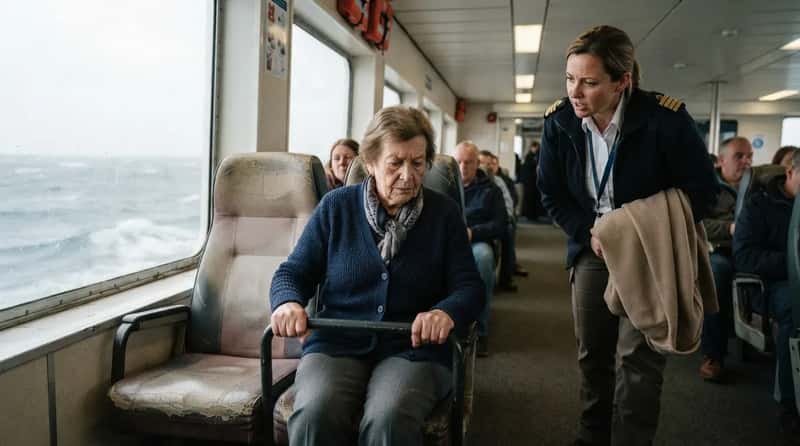
Some of the most attentive care on a ferry goes to the passengers who say nothing at all. Crew members are often trained, formally or through experience, to watch body language rather than wait for someone to ask for help. An older traveler gripping an armrest a little too hard, or staying unusually quiet, tends to get checked on first.
This instinct comes almost entirely from repetition, not a manual. The quietest passengers are frequently the ones crews worry about most, precisely because they won’t ask for anything. It’s a subtle form of vigilance that has nothing to do with policy and everything to do with paying attention.
#1 – They Stay a Few Extra Minutes When No One Asked Them To
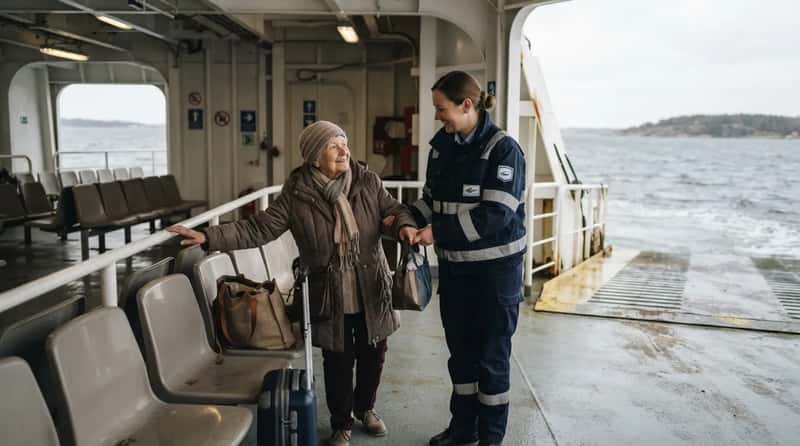
At the very end of a rough crossing, when most passengers have already left, some crew members linger near an older traveler gathering their things, offering a hand with a bag or steadying an arm on the ramp. It’s not scheduled, it’s not required, and it usually isn’t noticed by anyone else on board. It’s simply the last, quietest act of a long shift.
This is the moment most passengers remember long after the trip itself fades. It’s rarely the announcements or the amenities that stick with people, it’s the crew member who stayed thirty extra seconds when they didn’t have to. That small, unscripted patience is often what turns a rough crossing into a story worth telling.
Why It Stands Out
- None of it is required, scheduled, or written into any employee handbook.
- It happens quietly, usually without the passenger ever realizing it was intentional.
- It prioritizes dignity over attention, which is exactly why it’s so easy to miss.
None of these fourteen moments show up on a ticket stub or a safety card. They’re built entirely on habit, instinct, and a kind of quiet professional pride that rarely gets acknowledged out loud.
Next time the water gets rough, it might be worth watching the crew a little more closely. Chances are, someone’s already looking out for the passenger who needs it most, and they’ll never mention it.