Most people assume dude ranch wranglers treat every guest exactly the same – same horse, same pace, same instructions, no exceptions. That assumption is wrong, and it’s why so many riders over 60 walk away from their first ranch vacation stunned by how smooth the whole thing felt. Behind the scenes, wranglers are constantly making small, unannounced adjustments for older guests, and almost none of it ever gets said out loud.
These aren’t official policies printed in a brochure. They’re habits passed down between wranglers, quiet judgment calls made the moment a guest walks up to the corral. Here’s what actually happens once you’re past 60 and headed for the saddle.
#14 – They Size You Up Before You Even Touch a Horse
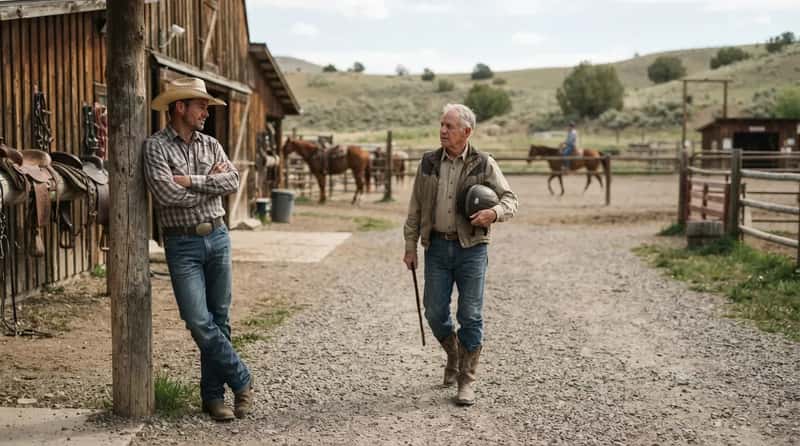
Wranglers are trained to watch how you walk to the barn, not just how you say you ride. Ranches routinely run brief test rides – fifteen to thirty minutes in an arena or near the barn – watching your seat, balance, hand position, and general confidence before matching you to a horse for the week.
For older guests, that quiet evaluation often starts even earlier, the second boots hit gravel. Nobody announces this assessment is happening, and it’s not written anywhere in your welcome packet. Wranglers are simply reading your body language and adjusting the day’s plan in their heads before you’ve said a word about your knees.
#13 – They Hand-Pick a Horse With a Specific Temperament, Not Just a Random Assignment
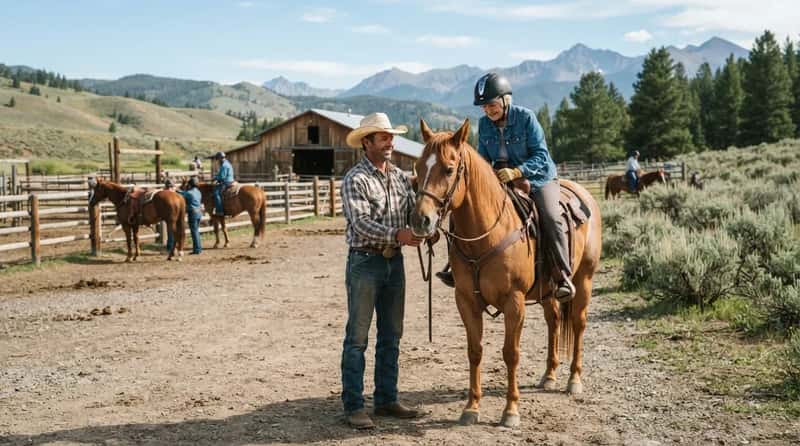
The horse you get is never an accident. Beginners and cautious riders typically end up on the calmest, most forgiving animals in the string – horses that ignore mistakes, don’t react to an awkward mount, and hold a steady pace no matter what the rider does wrong.
For older riders, that calm temperament gets prioritized above almost every other factor. Wranglers rarely explain why you got “Biscuit” instead of “Thunder.” They just know which horses tolerate a slower mount or a shakier grip without flinching, and that matchmaking happens silently, every single morning.
At a Glance
- Calm, forgiving horses get pulled from the string first for cautious or older riders
- Steady pace and an unflappable temperament outrank breed or size every time
- The same horse is often quietly rotated back to the same guest all week for consistency
- A mismatched pairing gets corrected mid-week, with no explanation offered
#12 – They Swap in an Extra-High Mounting Block Without Being Asked
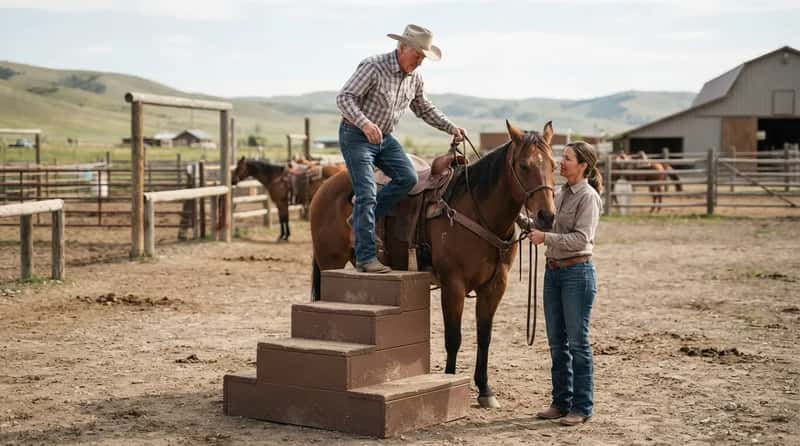
Getting on the horse is often the hardest part of the whole day, and wranglers know it. Some ranches keep an extra-tall mounting block on hand specifically for guests who need a little more help, and it quietly appears the moment a wrangler senses stiffness in someone’s hips or knees.
They’ll reposition the horse three or four times before you ever notice the adjustment. No fuss, no announcement – just a wrangler nudging the animal an inch closer to the block, or swapping in a taller step without explaining why. It’s one of the most common silent accommodations on any ranch.
#11 – They Offer a Boost That Feels Like Help, Not Charity
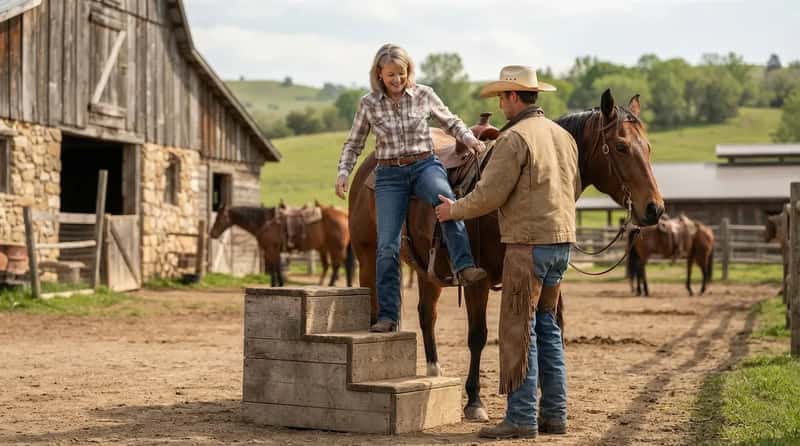
Even with a mounting block, some riders need a physical lift, and wranglers have turned this into an art form. Most ranches simply ask that a guest be able to walk to the block, place a foot in the stirrup, and swing up – the rest, wranglers will handle with a boost that rarely feels like assistance at all.
Most wranglers time the push so it looks like teamwork, not rescue. They’ve done this for hundreds of guests before you, and they know exactly how to make an over-60 rider feel like they climbed up entirely under their own power.
#10 – They Quietly Lengthen Your Stirrups
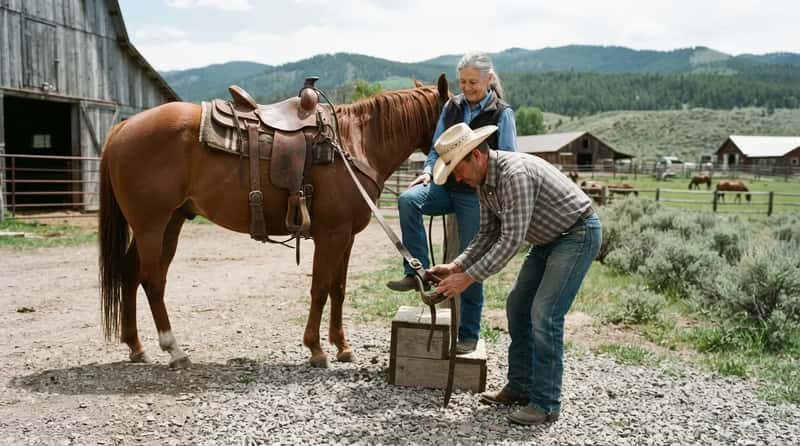
Stirrup length isn’t just about comfort – for older joints, it’s about protecting hips and knees that don’t bend the way they used to. Riders with joint issues often get mounted from the off-side using a block, with stirrups set noticeably longer than a typical guest would need.
A wrangler will often adjust your stirrups before you even ask, just from watching how you swing a leg over. It’s a two-second fix that saves someone an achy afternoon, and it happens so fast most guests never register it as special treatment.
#9 – They Steer You Toward Flat, Forgiving Trails
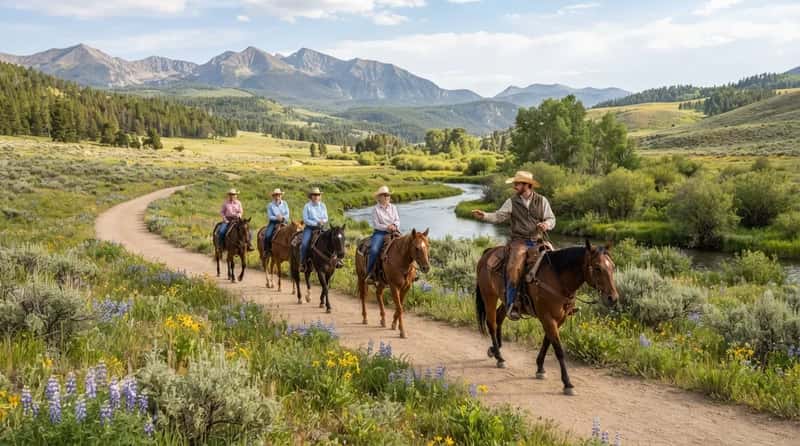
Not every trail on the ranch gets offered to every guest, and that’s intentional. Ranches keep flat, simple routes in rotation specifically because steep or rocky terrain is hard on aging knees and hips, and wranglers steer older riders there without ever framing it as a limitation.
The pitch is almost always about scenery – “this one has the best wildflowers” or “this one’s got the prettiest creek crossing.” Rarely does anyone mention it’s actually the gentlest route on the property. It’s a kindness disguised as a recommendation.
#8 – They Quietly Split Groups by Ability, Not Just by Arrival Time
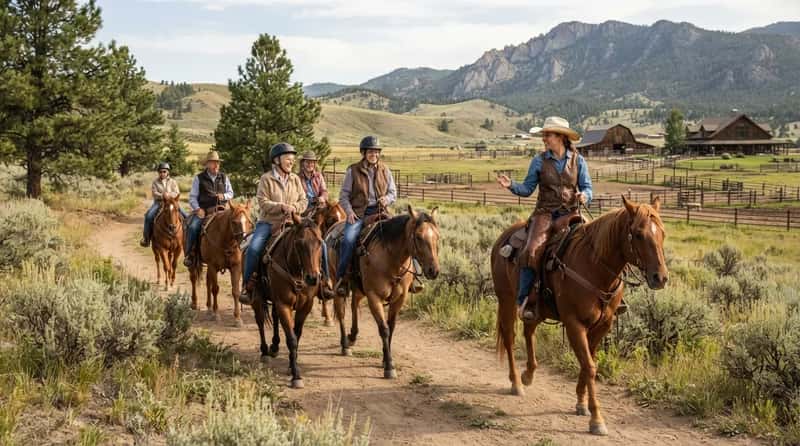
Group rides aren’t first-come, first-served the way many guests assume. Ranches often keep groups small – sometimes under eight riders – specifically so wranglers can shape the pace and difficulty around who’s actually in the saddle that morning.
A slower-paced group often forms quietly around older riders without anyone using that language out loud. Wranglers will simply say “this ride’s a little more relaxed” and let guests self-select, even though the split was engineered well before boots ever hit stirrups.
#7 – They Keep an Eye on Hip and Knee Replacements Without Making It Awkward
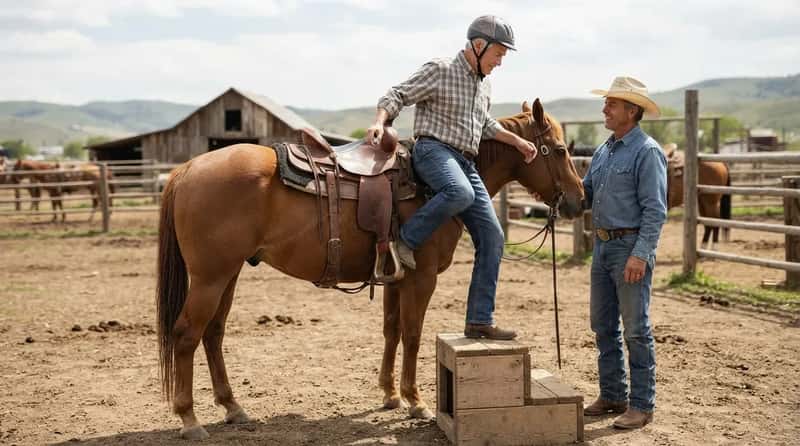
Wranglers deal with joint replacements more often than most guests realize, and they’ve developed quiet workarounds for it. One common profile is a guest in his late 60s with a knee replacement, mounted from the off-side with a block, riding on stirrups set longer than usual to spare the joint.
Nobody makes a guest recite their surgical history at check-in. But an experienced wrangler will ask a casual question about “any old injuries we should know about” and quietly file the answer away for the whole week – it shapes the horse, the trail, and the pace, every single day.
Quick Compare
- Standard mount: near-side approach, shorter stirrups, quick swing-up
- Joint-friendly mount: off-side approach, mounting block, stirrups set noticeably longer
- Standard trail pace: matched to the group average
- Joint-friendly pace: quietly slowed on rough or uneven ground to protect hips and knees
#6 – They Never Enforce a Maximum Age, Even When Guests Assume There Is One
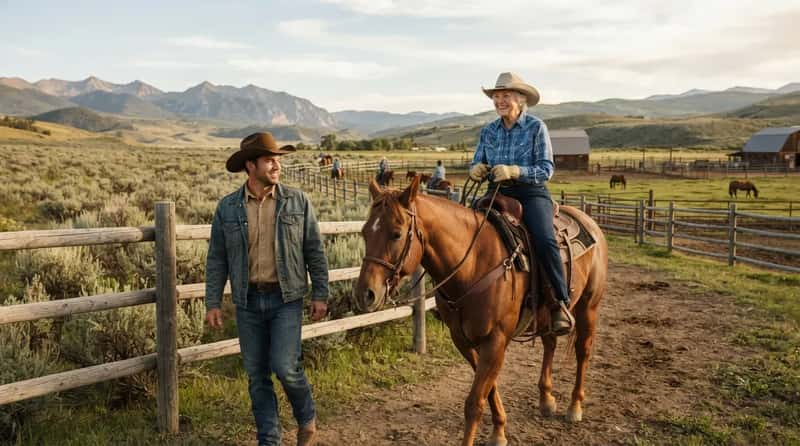
Plenty of older travelers call ahead assuming there’s a cutoff age for riding, and they’re almost always wrong. Some ranches report no upper age limit at all, and have hosted guests well past 100 years old on a trail horse.
Wranglers rarely correct this assumption loudly – they just let the ride speak for itself. A guest expecting to be turned away often finds themselves matched, mounted, and trotting along a fence line within the hour. It’s one of the industry’s best-kept non-secrets.
#5 – They Watch Your Balance Constantly, Not Just at the Start of the Ride
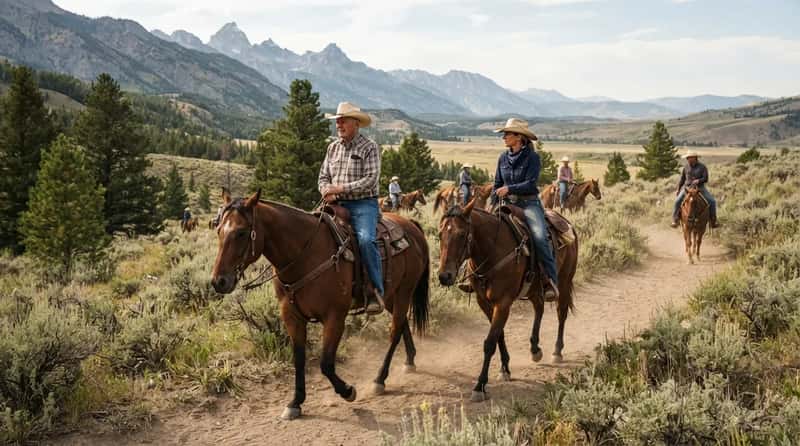
Mounting isn’t the only moment wranglers are quietly monitoring. As long as a guest can get on and off with some assistance, hold their seat, and steer, most ranches can accommodate them – but that balance check never really stops once the ride is moving.
Experienced wranglers keep an older rider in their peripheral vision the entire trip, shifting their own position in the group as needed. They’re not hovering obviously, but they’re positioned to react in seconds if someone shifts wrong in the saddle. It’s a constant, invisible safety net.
#4 – They Offer a Motorized Alternative Without Making It Feel Like a Downgrade
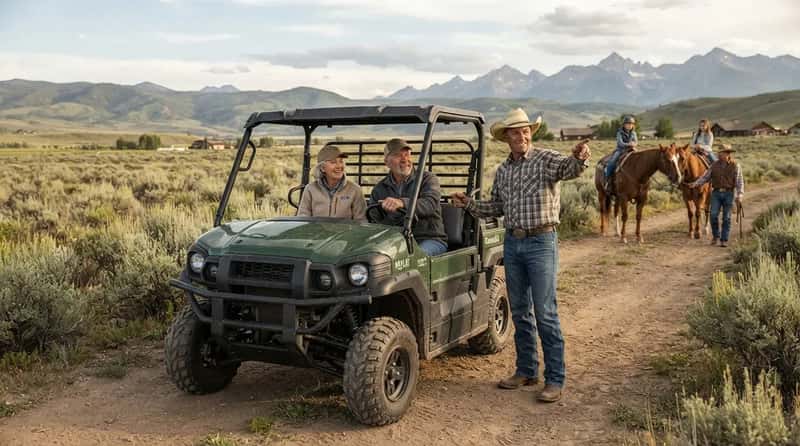
Some days, the honest answer is that riding isn’t the right call, and good wranglers know how to say that gently. Many ranches keep motorized ranger tours running as a genuine alternative for guests who still want the sights and the scenery without the saddle time.
A wrangler will often suggest this option before a guest has to ask, framing it as a bonus rather than a substitution. “You’ll actually see more ground this way” is a common line – and it’s not even wrong. It just also happens to spare an aching back a full day on horseback.
#3 – They Lean on Injury Data to Quietly Reassure Nervous Riders
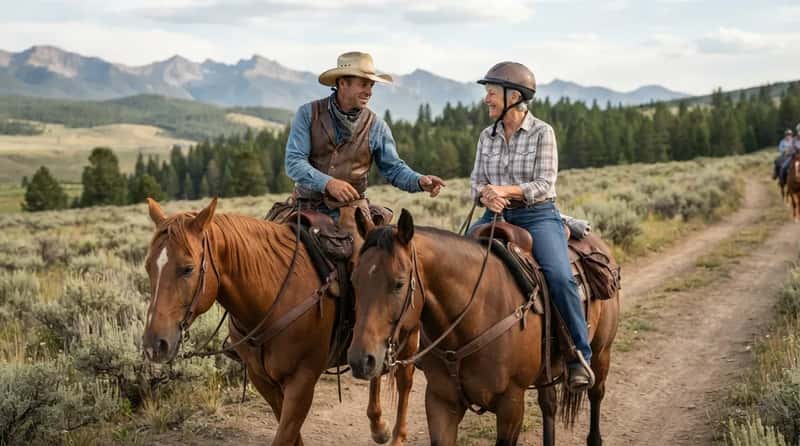
Older guests often arrive more worried about falling than any other age group, and wranglers use real numbers to calm nerves without lecturing. Industry-wide tracking shows the injury rate per season sits well under half of one percent across thousands of hours of guest riding, largely credited to structured safety training.
Wranglers rarely quote that statistic directly – they just act like the odds are exactly as good as they are. That calm confidence often reassures a first-time 65-year-old rider more than any spoken fact ever could.
Fast Facts
- Injury rate across guest riding hours stays under half of one percent industry-wide
- Structured safety training is the factor most often credited for that low number
- Wranglers rarely cite the statistic out loud – they just act like the odds are already in your favor
#2 – They Quietly Shorten the Ride Without Announcing It
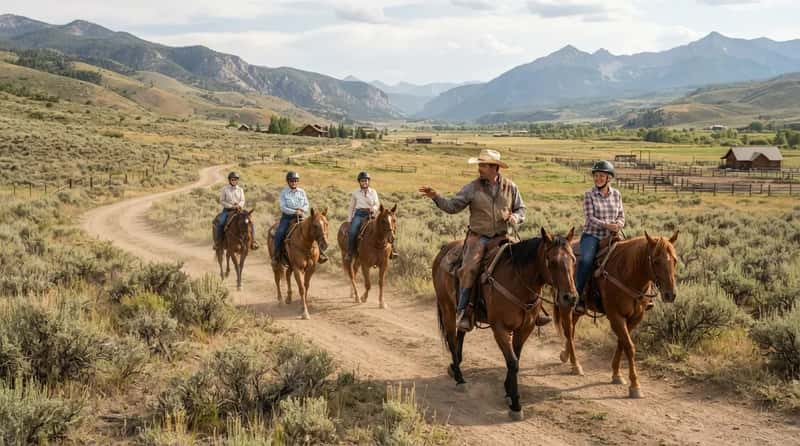
A two-hour ride on paper doesn’t always mean two hours in practice, especially for older riders. Flexible ranch programs adjust trips daily to match interest and ability, easing guests into tougher terrain only as their confidence builds through the week.
A wrangler will sometimes turn a group back fifteen minutes early, blaming weather or a “better spot up ahead” that never quite materializes. It’s a small, protective fib told for a good reason – nobody wants to be the rider who admits they’re sore first.
#1 – They Treat Every Over-60 Rider Like the Best Story of the Week, Not the Exception
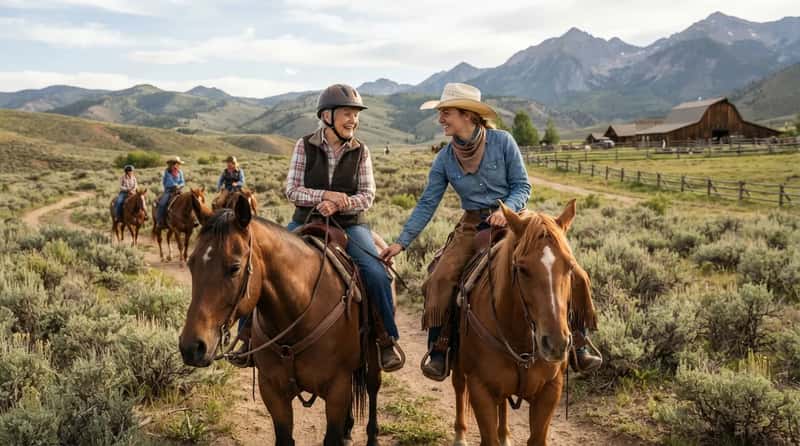
This is the one wranglers almost never say out loud, but it shapes everything else on this list: older riders are quietly considered the most rewarding guests to work with, not the most burdensome. Ranch staff frequently point to guests well into their 70s and 80s as proof the sport has no real ceiling, treating a shaky first mount as the start of a friendship rather than a liability to manage.
The extra patience, the disguised shortcuts, the quiet horse-swapping – none of it comes from obligation. Wranglers talk about these guests at the end of the season the same way they talk about their favorite horses, with real affection, not relief that the week is over. It’s the one accommodation on this whole list that isn’t really an accommodation at all. It’s just respect.
Why It Stands Out
- Guests in their 70s and 80s are held up as proof the sport has no real ceiling
- A shaky first mount is treated as the start of a friendship, not a liability
- Wranglers talk about these riders with real affection long after the season ends
None of these fourteen habits show up in a ranch brochure, and that’s exactly the point. Wranglers have quietly built an entire playbook for riders over 60 – longer stirrups, hidden mounting blocks, shortened rides, calm-tempered horses – precisely because announcing the accommodation would ruin the whole reason for it.
The goal was never to make older riders feel handled. It was to make them feel like they belonged in the saddle all along.