You push through the lodge doors, dusty and smiling, sure you’re just another traveler in line. Behind the counter, someone has already read your reservation, glanced at your shoes and made a few quiet guesses about the kind of stay you’re about to have.
Nobody is keeping a secret scorecard. These snap judgments grow out of real lodge policies, booking windows and park rules, and a few of them will sting. The last one on the list is the one staff almost never say out loud.
#15 – The Noon Arrival That Gives You Away Instantly
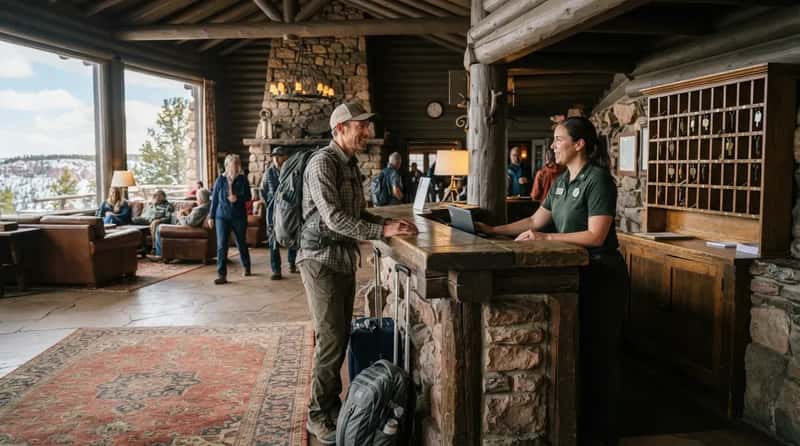
Your arrival time says plenty before you speak. Sequoia’s lodges make rooms available after 4 p.m., with checkout at 11 a.m. Grand Canyon’s lodges list the same 4:00 p.m. check-in and 11:00 a.m. checkout. A guest who strolls in at noon hoping to “just grab the key” lands in a familiar category: the person who skimmed the confirmation email.
The judgment isn’t cruel, but it is fast. Housekeeping runs on a schedule, and the person at the desk knows exactly where every room stands. Walk in at 12:15 and you’re “early.” Walk in at 4:05 with a smile and you’re already a favorite.
#14 – The Flip-Flops-on-the-Rim Parking Lot Verdict
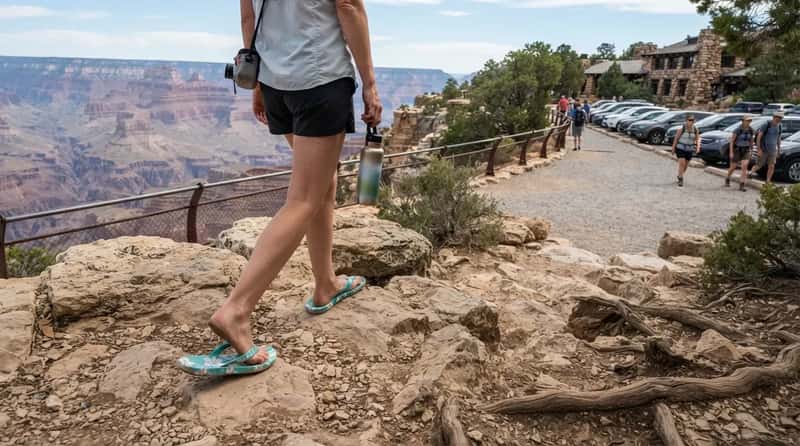
Anyone who works near a trailhead builds a mental file on footwear. Park rangers regularly urge visitors to carry water and wear sturdy shoes, and lodge staff watch how many people drive right past that advice. A cooler of soda, brand-new sandals and a “we’ll just walk down a little way” plan make a very particular impression.
The judgment is mostly worry, not mockery. Staff know the guest in flip-flops asking how far the viewpoint is may be the one they hear about later. Whether a lodge should hand out a blunt gear checklist at check-in is the kind of thing travelers argue about. Some call it helpful, and others call it nannying.
Worth Knowing
- Rangers’ standard advice is simple: carry more water than seems necessary.
- Shoes with real grip matter most on steep, dusty or icy trail sections.
- On canyon trails, the climb back up usually takes far longer than the walk down.
- The “little way” plan is the one staff worry about most.
#13 – Your Reservation Date Reads Like a Diary
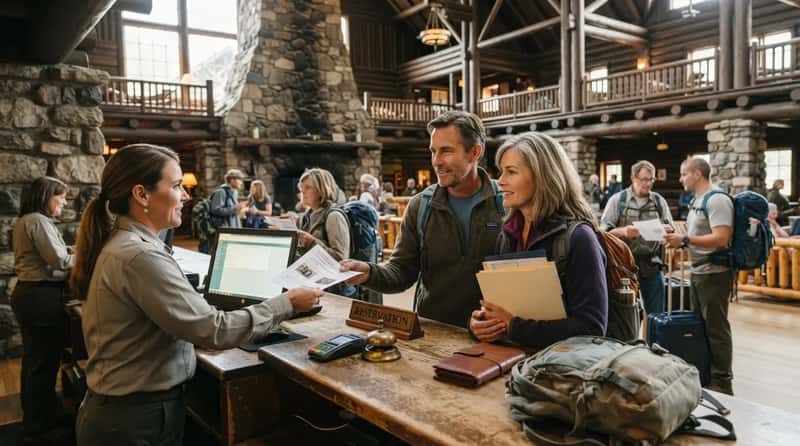
A booking date tells staff how badly you wanted this stay. Yellowstone’s lodging opens up to 13 months ahead, and on the 5th of each month it starts accepting reservations for that same month of the following year. Grand Canyon opens its next-year month at midnight Mountain time on the first. A reservation made on opening day looks like a planner. A booking from last week looks like luck.
Staff can’t always see exactly when you booked, but the early-booker energy shows. These guests tend to arrive with printed itineraries and dinner reservations. They also tend to have the strongest feelings when a room isn’t perfect.
#12 – The Wi-Fi Question Everyone Predicts
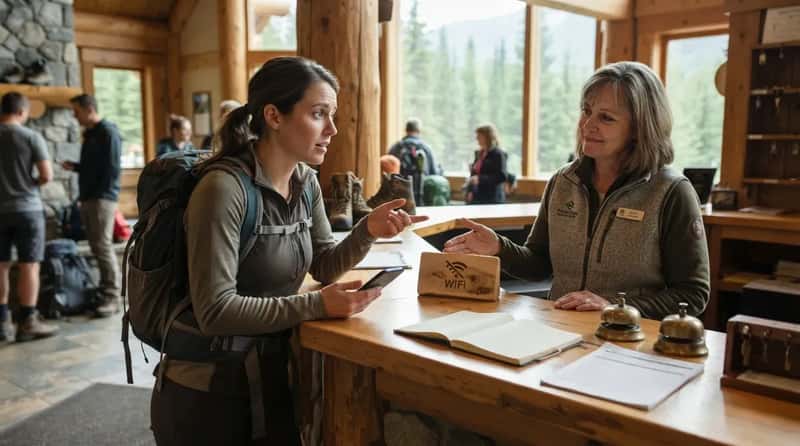
Many remote park lodges have patchy connectivity, and some lean into the unplugged feel on purpose. So the guest whose first question is about the Wi-Fi password gets noticed. It’s a small thing, but staff hear it constantly. The silent judgment is “this is going to be a long weekend for them.”
Here’s the contrarian take. Some travelers argue that the weak signal is the best feature of a lodge in the middle of a park. You came somewhere phones don’t work well, and asking the desk to fix that is like asking an aquarium to turn off the fish. Staff have heard it a hundred times, and they’ll still smile.
#11 – “So Where Do We See the Bear?”
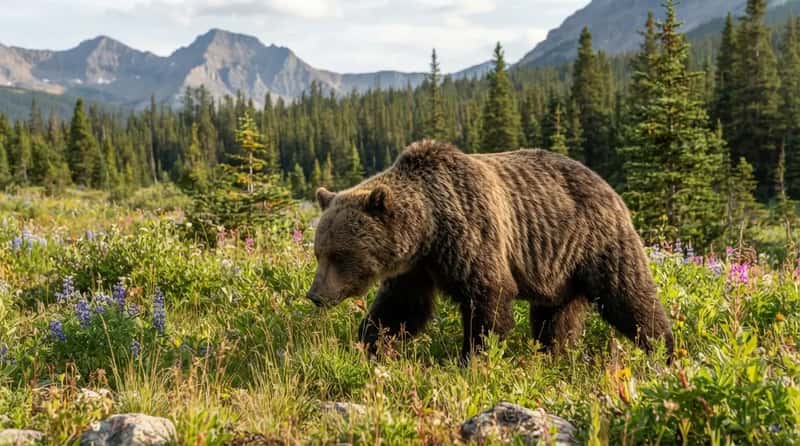
Few questions make lodge staff trade glances faster. The guest who wants a bear on schedule is treating a wild animal like a ride at a theme park. Staff have watched crowds bunch up at roadsides, and they quietly sort guests into those who respect distance and those who don’t.
A good answer from the desk is honest: animals don’t keep schedules. The guests who hear that and nod are the ones staff relax around. The ones who push for a guarantee get friendly but firm directions to the ranger station.
#10 – The “Best View in the House” Request
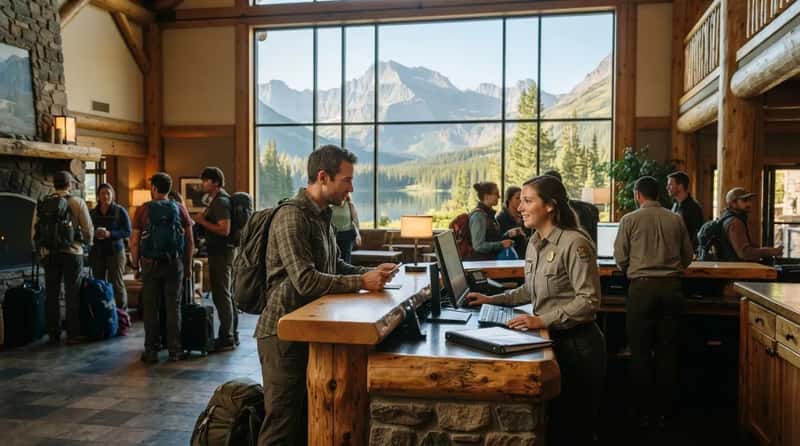
Almost every guest wants the room with the view, and staff know it. Rooms are typically sold by type well in advance, so a request at the desk is a long shot. The judgment depends on the delivery. A polite “if anything opens up” is welcome, while a demand wrapped in a loyalty-program name is not.
Here’s the opinion that starts arguments. Some visitors say paying extra for a view room is a waste at a park lodge, since you’ll spend your days outside and the real view is on the trail. Others would never book anything less. Staff quietly sort you into one camp or the other.
Quick Compare
- View-room camp: pays for the window at sunrise and the gasp when the door opens.
- Trail camp: sleeps anywhere clean and spends the savings on dinner and a good map.
- Desk reality: the polite “if anything opens up” is the only ask that tends to land well.
#9 – The Adult-Only Check-In Rule Nobody Reads
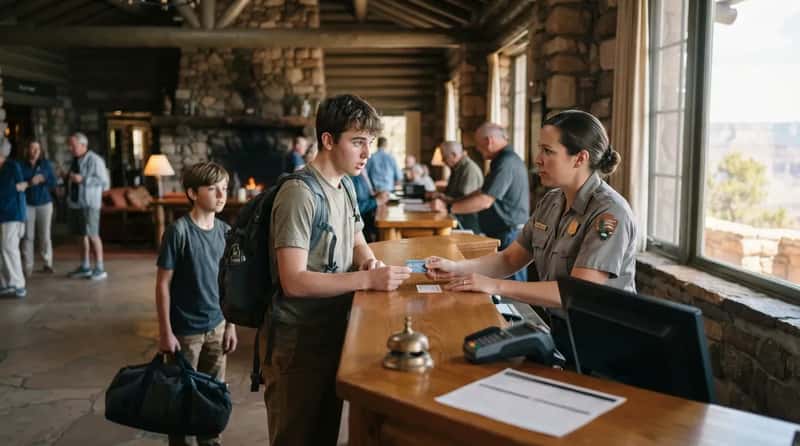
Staff look at who’s holding the booking before they look at who’s holding the luggage. At Grand Canyon’s lodges, guests must be 18 or older, or emancipated, to check in to a room. So the college-age road trip, the teen “driving ahead” and the parents who booked in a kid’s name all get a second look.
Staff don’t enjoy being the ones to say no. A guest who can’t legally check in has often driven hours to get there. The problem is rarely attitude. It’s that nobody read the fine print.
#8 – The Guest Standing at the Wrong Desk With a Suitcase
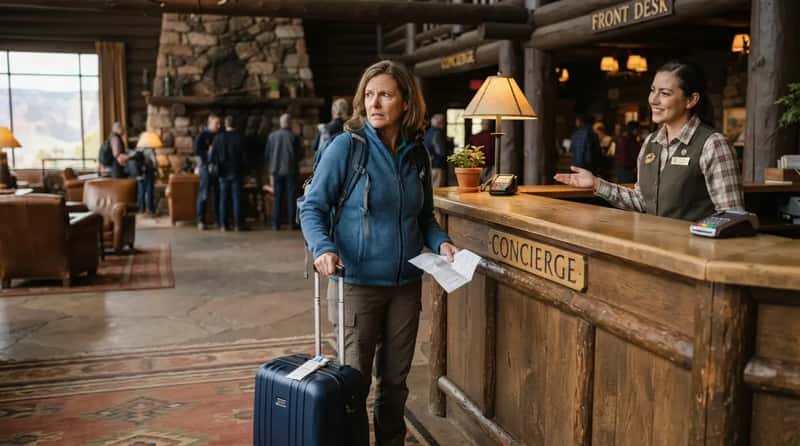
Big parks can have several lodges, and staff watch for that confused look. At Grand Canyon’s South Rim, different lodges can have different check-in spots, so the confirmation email spells out where to go. A guest at the wrong counter with a rolling suitcase and a baffled expression is an everyday sight.
The judgment here is mostly sympathy. Staff know big parks are confusing, and they’ll redirect you without comment. But they also quietly note who got the right lodge on the first try. Those guests tend to be the calm ones all weekend.
#7 – The Daily Cancellation Hunter Who Finally Wins
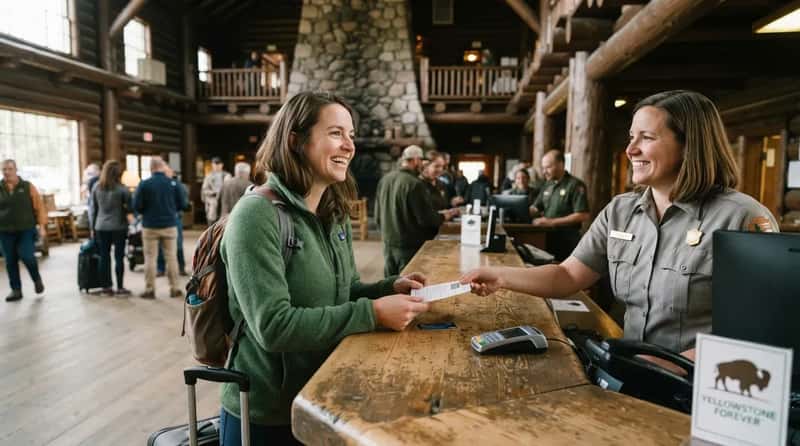
Some guests aren’t really guests yet. They’re hunters, refreshing booking sites and calling the desk for openings. One Yellowstone guide advises booking a backup, calling daily to ask about cancellations, and says the park will transfer your reservation if something opens. Staff recognize the persistent voice on the phone, and they usually respect it.
Another guide notes that reservations turn over constantly, especially 30 to 60 days before a trip. So the hunter who finally gets the room has often earned it. The silent verdict: this guest wanted it more than almost anyone.
#6 – The Late Canceler Who Argues the Fee
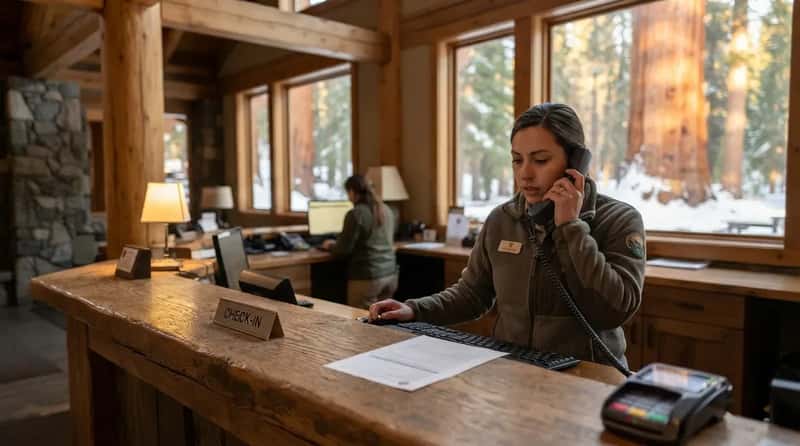
Staff meet this guest more often than you’d think. At Sequoia, canceling less than 48 hours before the 4 p.m. check-in costs one night’s room rate plus tax. The lodge states that its cancellation policy is strictly enforced, with no exceptions. When a guest pushes back, staff already know how the call will end.
The judgment here usually favors the person behind the desk. They didn’t write the policy, and they can’t waive it. Guests who stay kind and ask what options exist often get further than the ones who open with “I want a manager.” The desk remembers which kind of caller you were.
At a Glance
- The window: less than 48 hours before the 4 p.m. check-in.
- The cost: one night’s room rate plus tax.
- The flexibility: none. The policy is described as strictly enforced.
- The smarter opener: a calm “what options do I have?”
#5 – The Reunion Organizer Who Booked Half the Wing
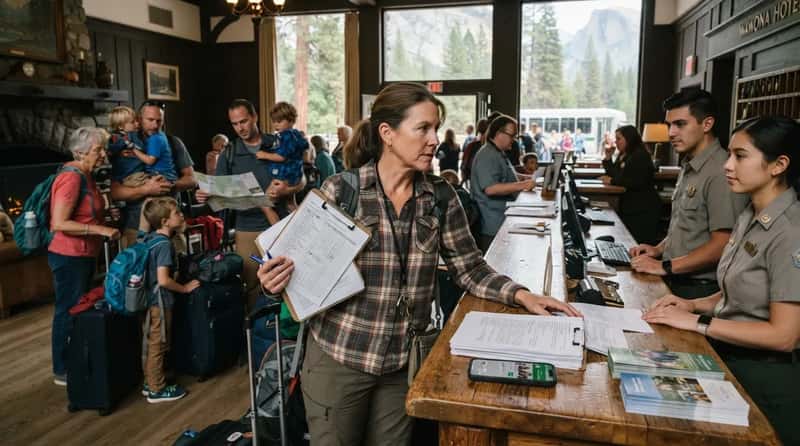
Large groups are easy to spot. Several cars pull in at once, and one person is holding a clipboard or a phone full of group-chat messages. Staff judge how organized the group is and whether the booker has worked out who owes what. Online systems often limit how many rooms one name can book, so big groups sometimes run straight into rules.
The unspoken verdict is a mix of admiration and dread. Anyone who herds 12 relatives into one lodge deserves respect. But the person with the clipboard is usually the first one paged when something goes wrong. Staff keep an eye on them.
#4 – The Winter Guest Who Underestimated the Snow
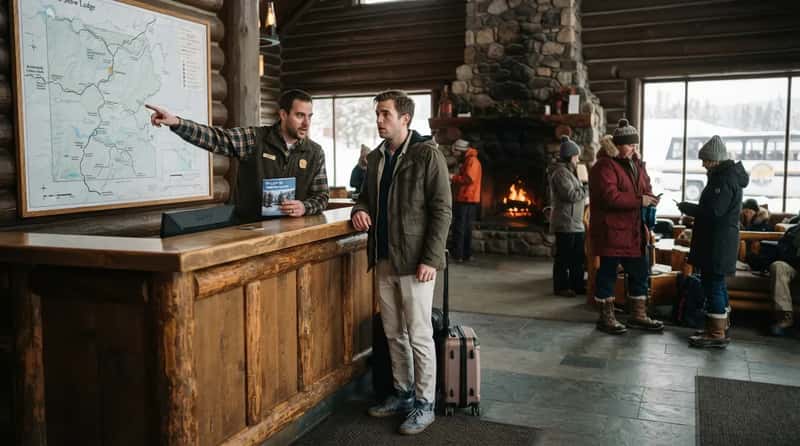
Winter at a park lodge is a different job. Only two Yellowstone hotels stay open in winter: Mammoth Hotel and Old Faithful Snow Lodge. Staff size up arrivals by their vehicles, clothes and plans. A guest in thin shoes asking about a “quick drive” sets off a mental alarm.
To explore the interior of the park in winter, guests need to book a snowcoach or snowmobile trip. The guest who planned ahead gets quiet respect. The one who assumed the roads work like summer gets a very long talk about conditions.
#3 – The 4:05 p.m. Hiker Running on Empty
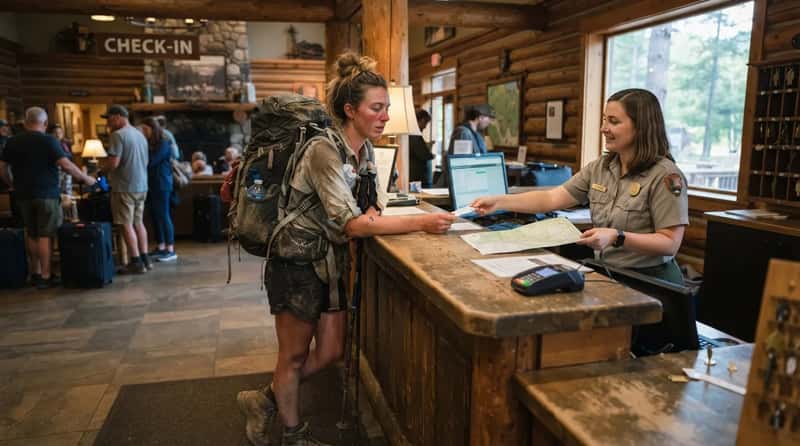
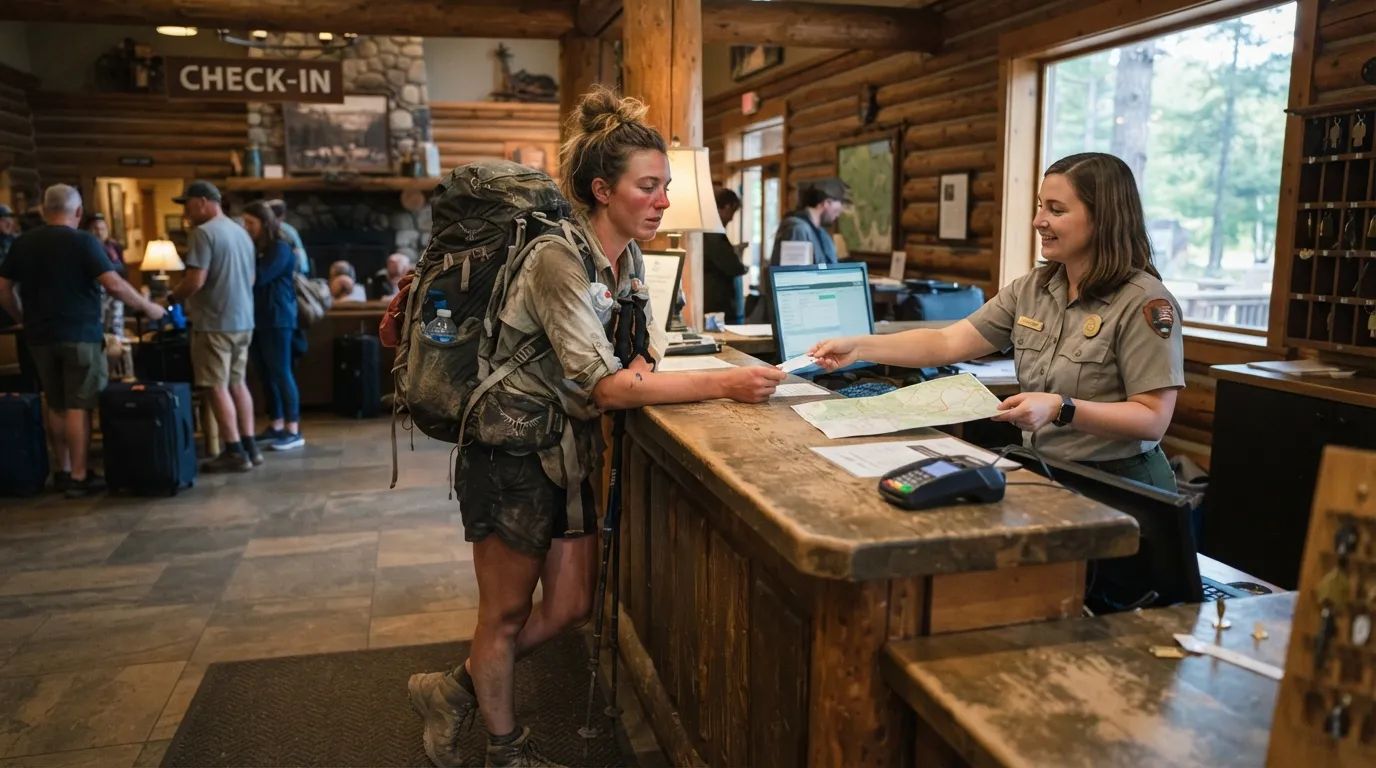
Some arrivals look like a movie scene. A guest comes through the door with dust on their legs, sunburn on their nose and no clear memory of lunch. Staff don’t see a messy guest. They see someone who has been outside all day and needs a key, a map and maybe a hint about dinner.
Good desk staff read this at a glance and simplify everything. They know a tired guest won’t remember a long speech. The judgment is kind, and it shapes how fast the line moves.
#2 – The Guest Expecting a Resort in a Historic-Style Lodge
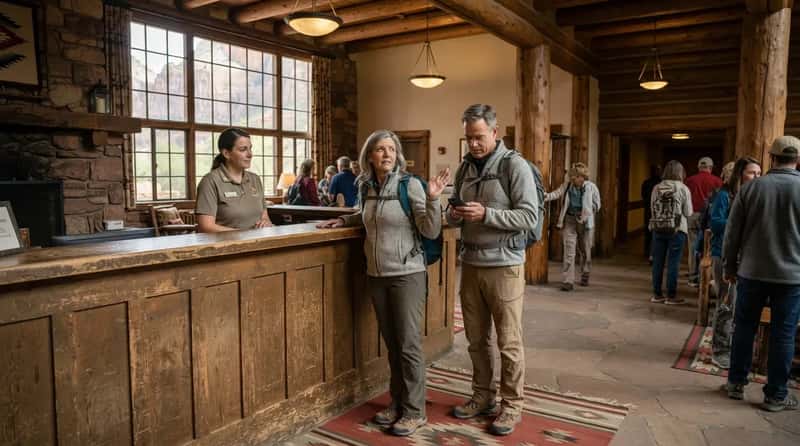
Some park lodges lean hard into old-park charm. Zion Lodge is the only lodging inside Zion National Park, and it comes with a front porch and a rustic, lived-in feel rather than a chain-hotel spa. Staff watch for guests who expected polished resort perks and found something else. The judgment forms in the first thirty seconds.
Staff aren’t snobs about it. They know the lodge is part of the park’s story. But they notice who steps inside and looks delighted versus who starts hunting for the elevator.
#1 – The Guest Who Waited a Year for This Exact Night
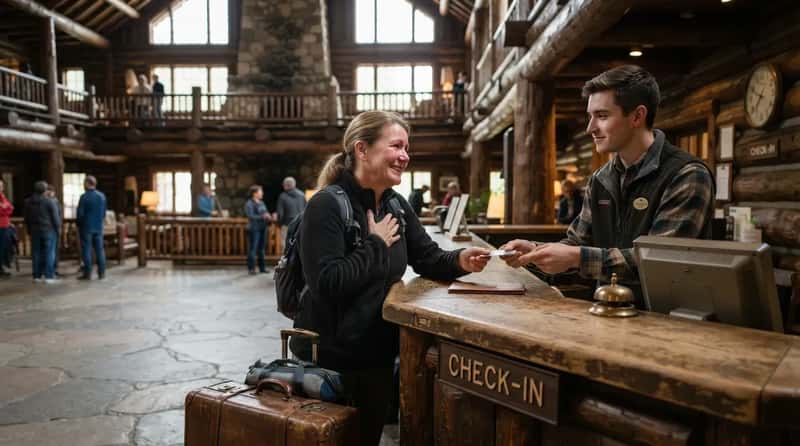
This is the judgment staff rarely say out loud. Because bookings open so far ahead, some guests have waited more than a year for this trip. Some are celebrating, some are making a last visit with a parent, and some just finally saved enough. Staff can often read it in the way a guest stands at the desk.
So the strongest judgment isn’t about rudeness, gear or timing. It’s the quiet decision to make that guest’s arrival go right. A year of waiting is a lot to hand to someone at a front desk. Good staff know it, and they do what they can to deserve it.
Most of what lodge staff conclude about you comes from clocks, policies, booking dates and parking lots, not from who you are. Arriving at noon, missing the check-in location and arguing a late-cancel fee all send signals. So do booking early, reading your confirmation and showing up kind.
Policy is rigid, but people aren’t. The best desks look past the paperwork and see someone who has been dreaming about this view for a very long time.