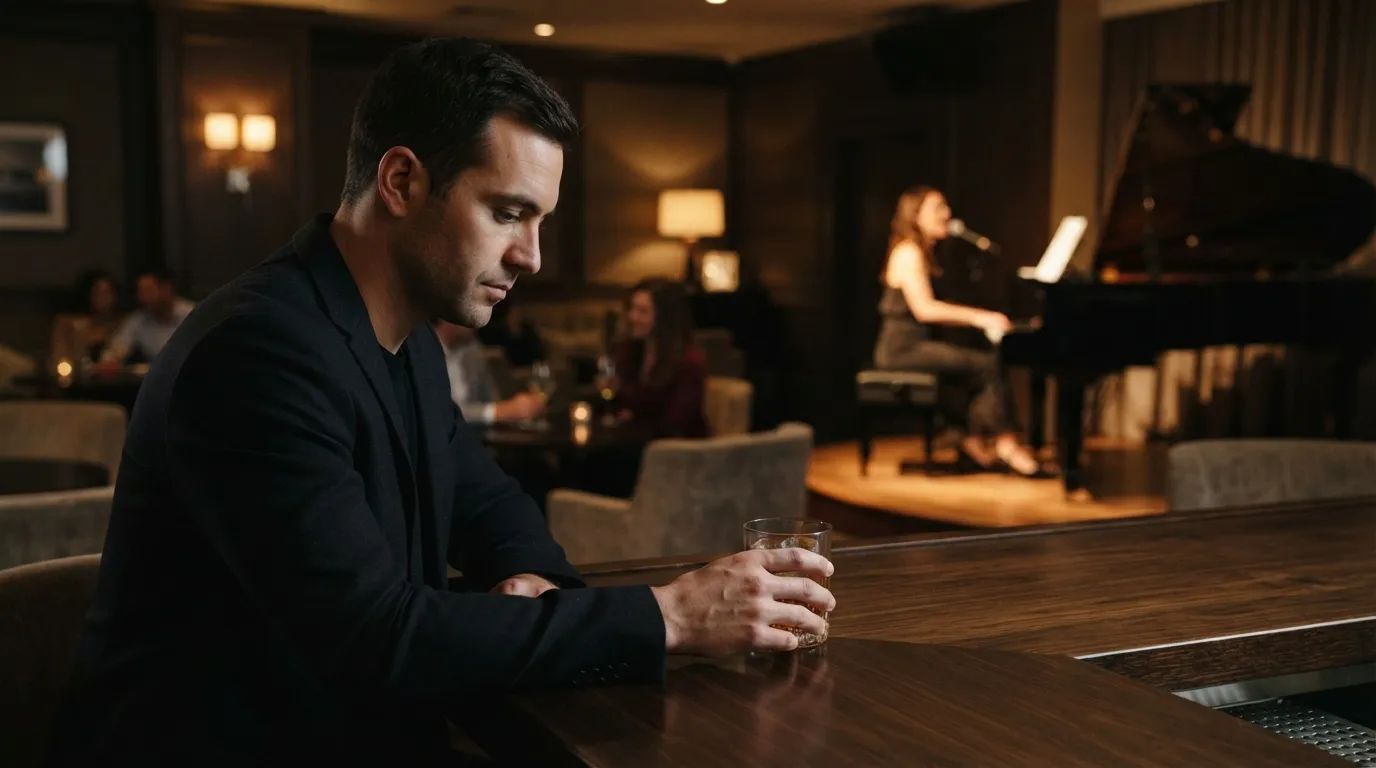
You think the pianist in the corner is just working through a setlist while you sip your drink. In reality, many lounge performers have already sized you up before the first chord. Your luggage, your seat, even the way you hold your phone is a clue.
A hotel lounge is a room full of strangers with drinks, jet lag and very different moods. The performer has to guess what all of them need, with no microphone check and no second try. Some of the signals are almost funny, and a few are surprisingly touching. The one at #1 changes how you’ll look at every quiet person in the room.
#15 – The Luggage Beside the Barstool Sets the Whole Opening Song
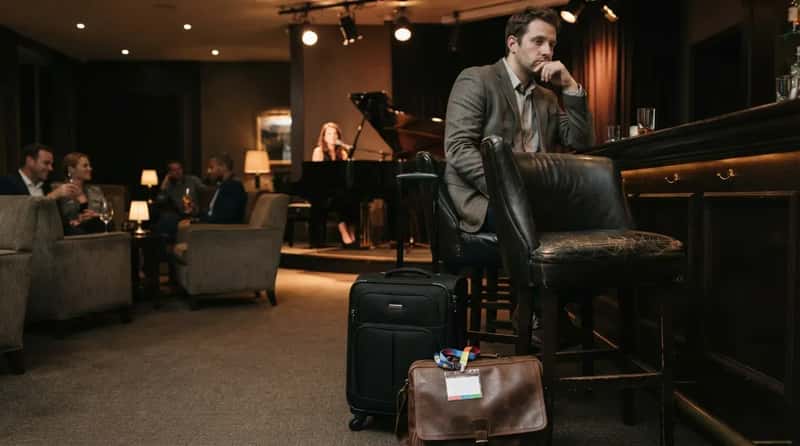
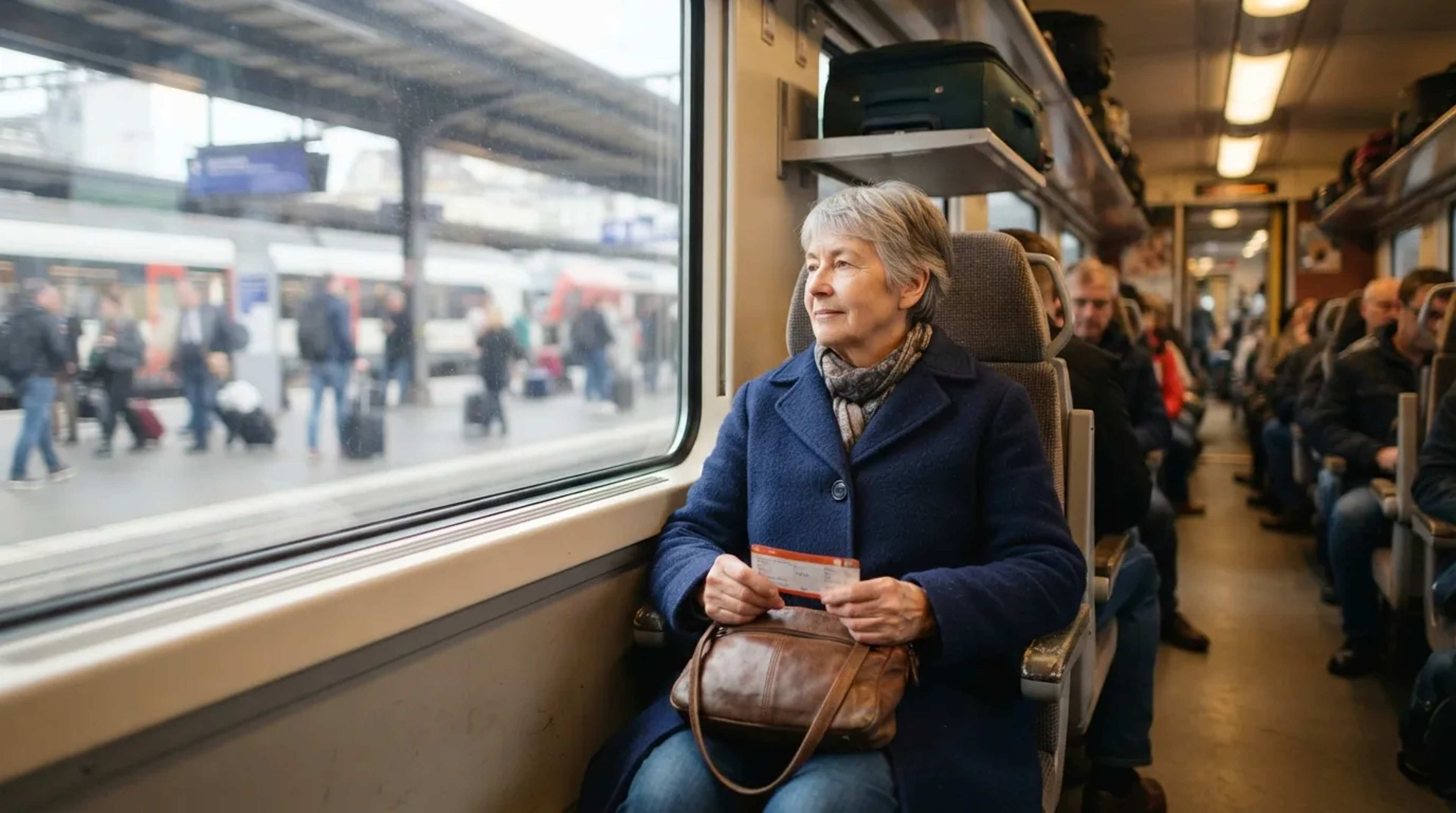
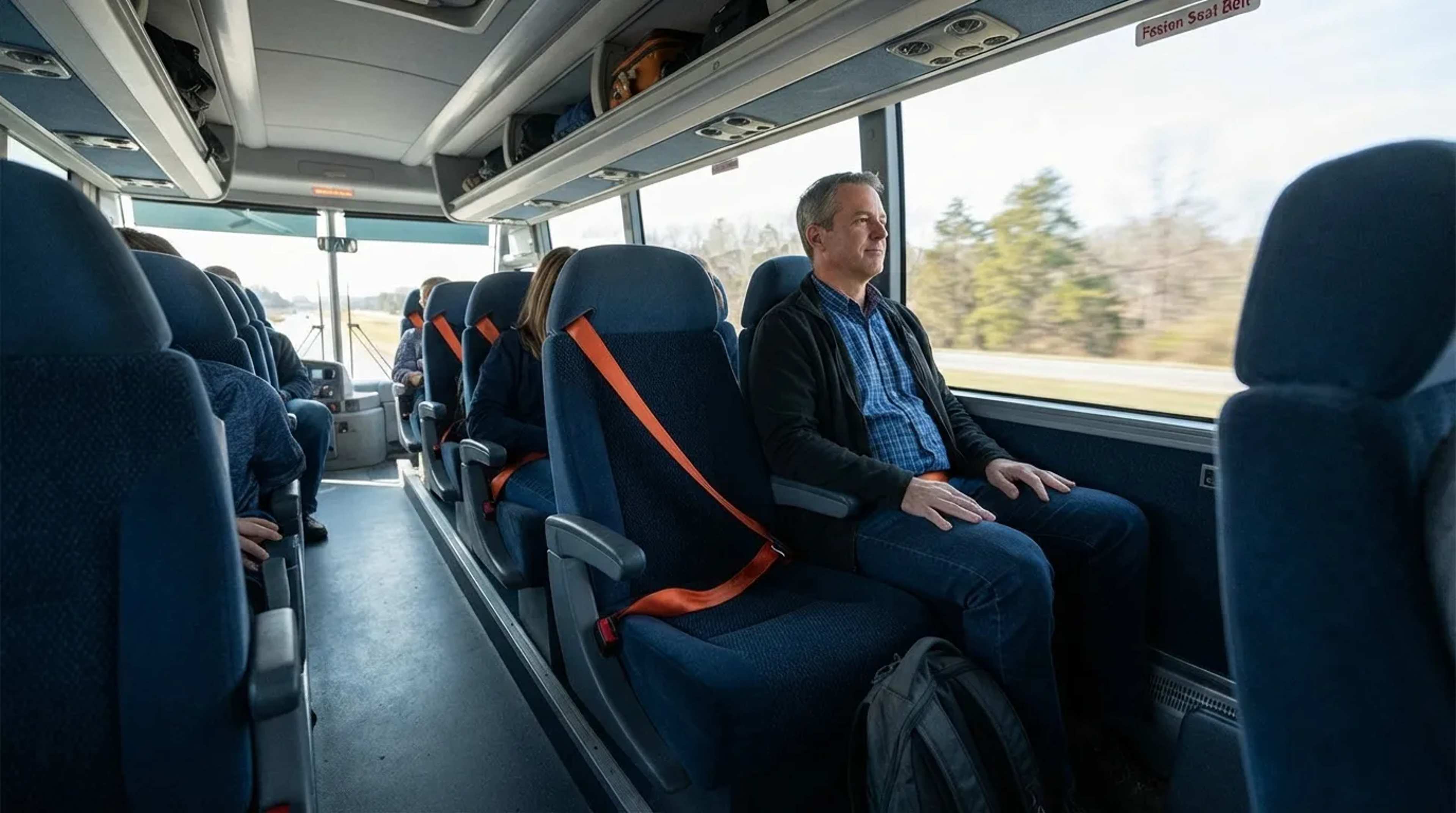
Before anyone orders, the bag at their feet has already told the performer what kind of night this will be. A rolling carry-on and a conference lanyard usually mean someone between flights and meetings, running on airport coffee and fumes. Those guests tend to want familiar, easy music, not a showpiece. The first song is often chosen by how tired the room looks.
No luggage and dressed-up clothes often point to a local out for the evening. Locals tend to linger, and they’re more likely to chat with the performer between sets. That changes the pacing, the banter and how adventurous the set can get.
But the next clue is one most guests don’t realize they’re giving off…
#14 – Where Someone Sits Quietly Announces What They Want
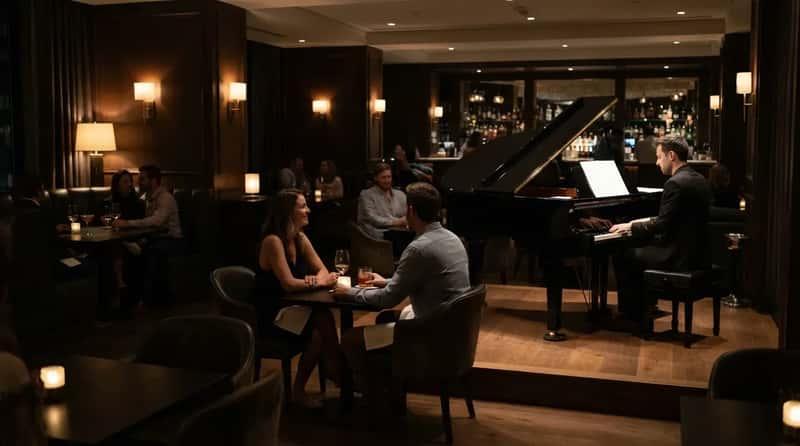
A guest who grabs the seat closest to the piano or stage is sending a message. Performers often read it as an open invitation, whether that means a request, a conversation or a tip. A guest who picks a corner booth with their back to the room is saying the opposite.
Turns out, distance matters more than the drink. Many performers treat the farthest table as the one that wants the music to stay in the background. They’ll keep the volume down and the arrangement simple instead of guessing wrong and interrupting a private conversation.
But that’s nothing compared to what a quick look at a table’s hands can change about the set…
#13 – One Glance at a Table Can Change Every Love Song

Experienced lounge players say they size up couples fast. They watch who leans in, who laughs and who checks a phone. Two people clinking glasses over a tiny dessert with a candle in it are a different audience from two coworkers splitting a bottle of wine.
A wedding ring tells them very little on its own, and the mistake is one performers say they only make once. A romantic ballad aimed at the wrong pair can leave a table silent and embarrassed. Many players stick to instrumentals or neutral standards until a table gives a clear signal, like a toast or an anniversary mention.
Quick Compare
- Candle on a dessert, heads close together: warm, slow standards feel welcome.
- Two coworkers, one bottle, phones out: light instrumentals keep things comfortable.
- A toast or an anniversary mention: now the love song has a green light.
The next signal doesn’t come from a table at all. It comes from the doorway…
#12 – The Walk-In Reveals Who Came to Celebrate
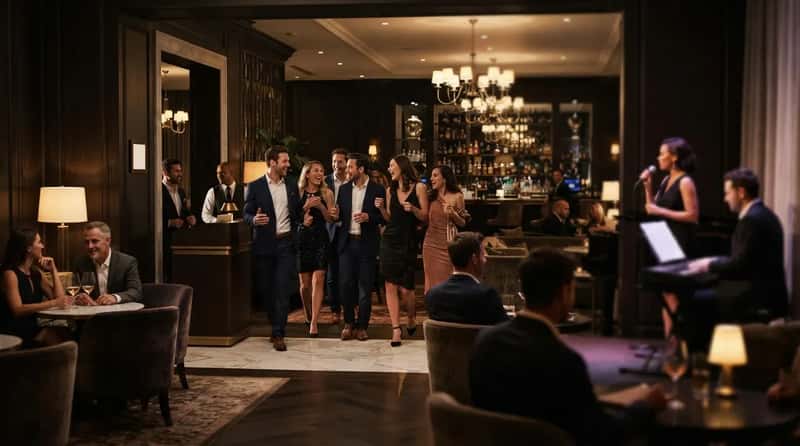
The way guests enter tells performers a lot. A group walking in together, talking over each other, has often come straight from a dinner, a wedding or a big event. They bring momentum with them, and a room can feel the shift.
A solo guest who walks in slowly and scans for a quiet seat is usually after a calm reset. Performers say one big group can change the mood of an entire lounge in under a song. The smart move is often to ride the group’s energy without steamrolling the quieter people already seated.
But what guests do with their phones tells performers something even more blunt…
#11 – The Raised Phone Means Something Different Than You Think
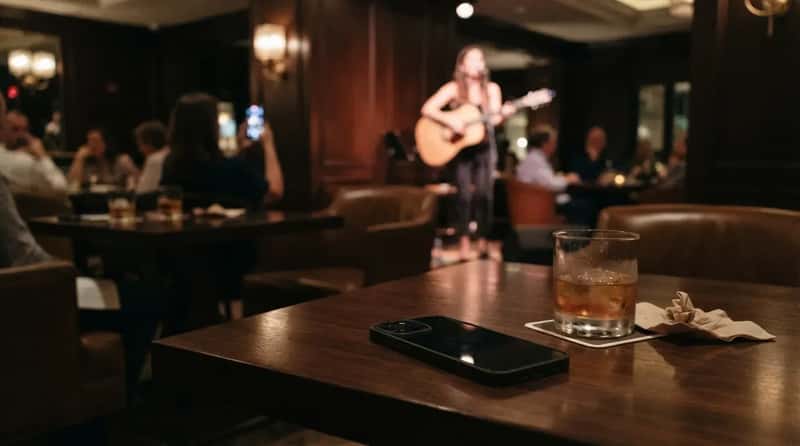
A phone aimed at the stage can be a compliment. It also raises a quiet question: is this person saving a favorite song, or just filming a stranger for a story? Performers say they can usually tell by how long the phone stays up.
A phone lying face-down on the table is its own signal. It often means the guest is present and listening. Many performers say a face-down phone is a better sign of a real fan than any applause. A phone checked every thirty seconds suggests someone waiting on a message or a ride.
And the next item is the one performers say is the easiest to get wrong…
#10 – The Request Face Gives Away Who Is About to Ask
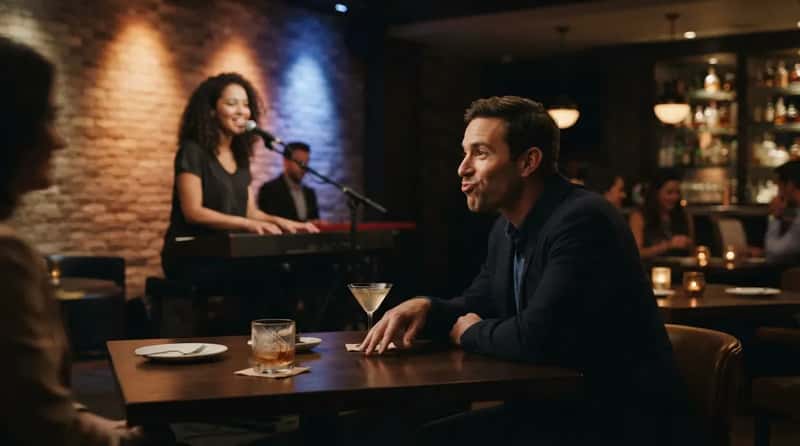
Performers say they can spot a future requester about two songs ahead. It’s the guest who leans forward, mouths a few lyrics or taps a hand on the table. That small movement says a favorite is close.
Then there’s the guest who keeps starting to speak, then stops. Many players say the shy requesters often ask for the best songs. A quick nod or an easy “anything you’d like to hear?” can open the door. It can turn the quietest table into the most engaged one in the room.
But here’s what happens when half the room asks for the same thing…
#9 – The Same Few Songs Get Requested Everywhere

Ask lounge musicians and the same titles come up again and again. Many cite crowd-pleasing classics like “Piano Man” and “Sweet Caroline.” These songs work because most of a mixed-age crowd can recognize them within a few bars.
Still, some performers feel those songs are overplayed. Plenty would rather offer a lesser-known standard that fits the room than play the fifth “Piano Man” of the week. Some guests love the familiar tune, and others quietly roll their eyes. Performers say they weigh that split all night long.
But the next detail has to do with the clock, not the crowd…
#8 – The Time of Night Quietly Rewrites the Setlist
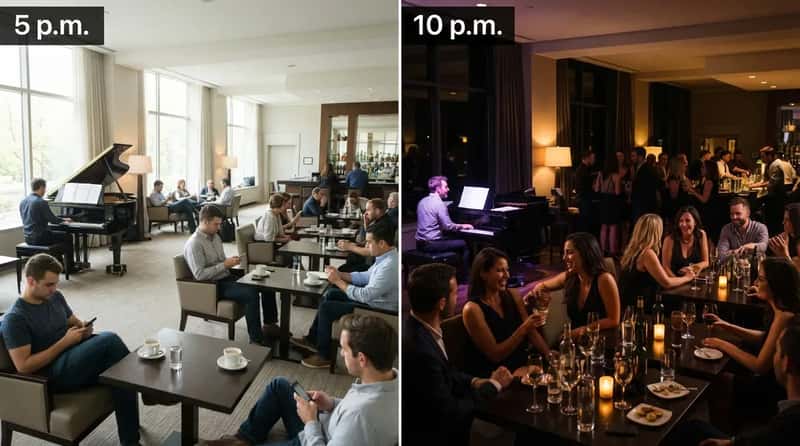
At 5 p.m., a lounge is mostly people waiting for a table or a meeting. By 10 p.m., it can be a different room entirely. Performers say they adjust tempo, volume and song choice as the crowd changes.
There’s research behind that instinct. Studies by Ronald Milliman in the 1980s found that slower background music kept restaurant diners at their tables longer. In his restaurant study, patrons spent more at the bar when the music was slower. Performers don’t need the study to know it. They can feel it when a room stays seated.
But the loudest clue in the room isn’t music at all…
#7 – The Talking Volume Tells Them How Loud to Play
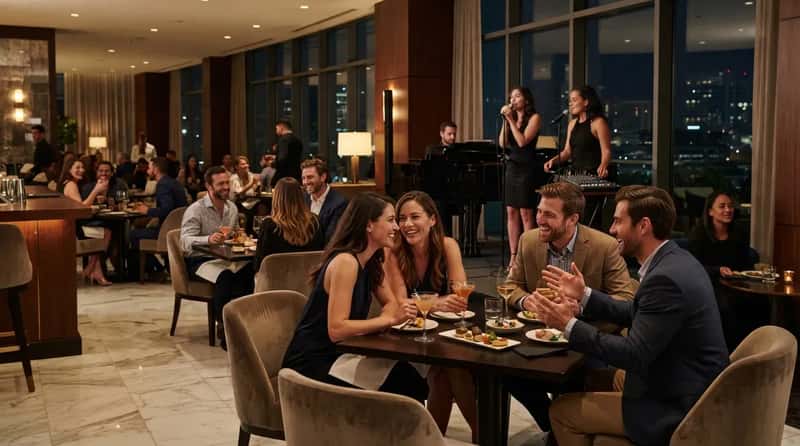
Performers often say they set their volume by the room, not the amp. If guests are leaning in to hear each other, the music is too loud. If they’re shouting happily across tables, the room may be asking for more energy.
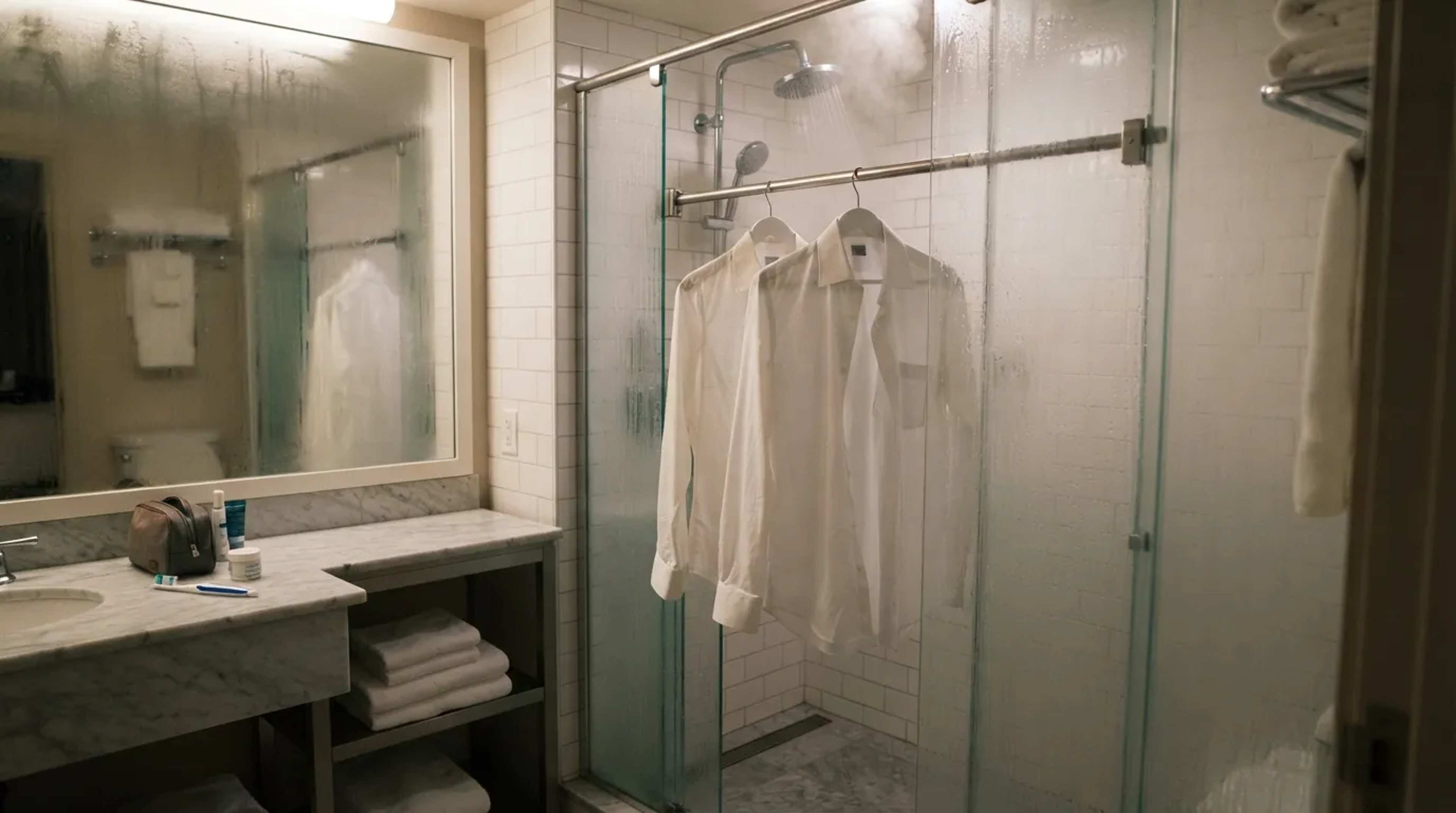
Hotel lounges also have tricky acoustics, with hard floors, glass and marble bouncing sound around. Turns out, a lounge that looks luxurious can be a nightmare to play in. So performers learn to treat the chatter as a live volume dial. Conversations that pause for a song are a very good sign.
At a Glance
- Guests leaning in to hear each other: turn it down.
- Happy shouting across tables: the room may want more energy.
- Marble, glass and hard floors: sound bounces, so quieter often sounds better.
- Chatter that pauses mid-song: the performer has the room’s attention.
The next item is about a habit guests think no one sees…
#6 – The Tip Jar Glance Is Noticed, Even When It’s Subtle
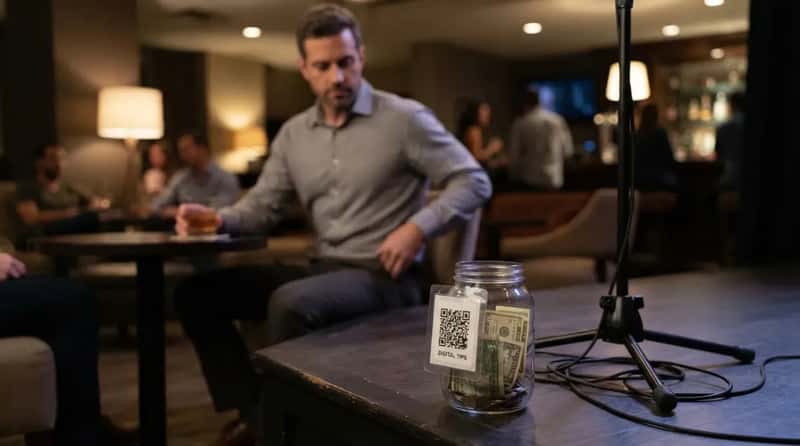
Performers say they can tell who is thinking about tipping, even if it never happens. It shows in a glance at the jar or a hand drifting toward a pocket. Many have adapted to a cashless crowd by adding QR codes for digital tips.
Here’s the part guests don’t realize. A performer who sees a guest hesitate often just wants a smile or a thank-you. Many say they feel the room’s mood more than the money. Others admit that on a slow night, every tip registers.
But that’s tame compared to how performers read a couple in the middle of an argument…
#5 – A Tense Table Gets a Very Different Song
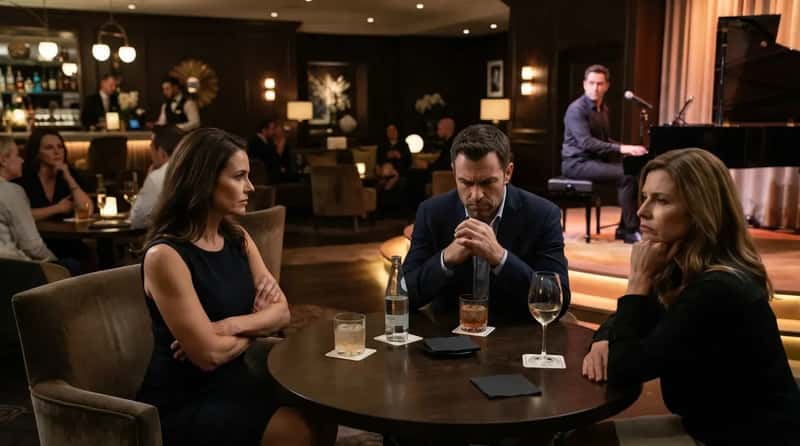
Every lounge performer has seen the table where nobody is talking. Arms are crossed, drinks are untouched and the silence is louder than the room. Performers say these moments call for restraint.
Most agree on one rule: don’t play to the tension. Many players say the safest move is to go quieter and avoid anything with a pointed lyric. A song about heartbreak can land like a spotlight. Some performers argue the opposite, that gentle music can soften a hard moment. Either way, they watch closely for a reaction.
And the next item is something guests assume the performer never notices…
#4 – The Eye Contact Rule Nobody Talks About

Performers say eye contact is the most underrated tool in a lounge. A quick glance can invite a guest in or let them stay private. Too much of it makes people self-conscious.
Many players keep their gaze moving across the room. One long look at a single guest can feel like being singled out. A guest who looks back and smiles is welcoming the connection. A guest who looks away is asking for space, and performers say they respect that every time.
But the next detail explains why some performers tuck earplugs into their pockets…
#3 – The Calm Room Is Hard on the Performer’s Ears
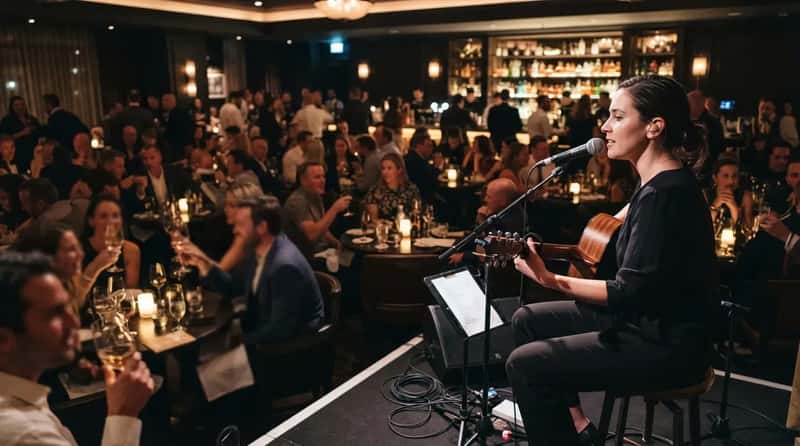
Guests see a relaxed performer in a pretty lounge. What they don’t see is the sound environment. Loud crowds, clinking glass and a busy bar can add up over a long night.
Hearing experts have long flagged noise exposure for musicians. The U.S. National Institute for Occupational Safety and Health recommends keeping exposure to an average of 85 A-weighted decibels over an eight-hour workday. Many performers use musician-grade earplugs, which lower the volume without muffling the music. A lounge can look calm and still be a workplace with real risks.
But the second-to-last item is the one that surprises even regulars…
#2 – The Lonely Guest Is Often Who They Play For
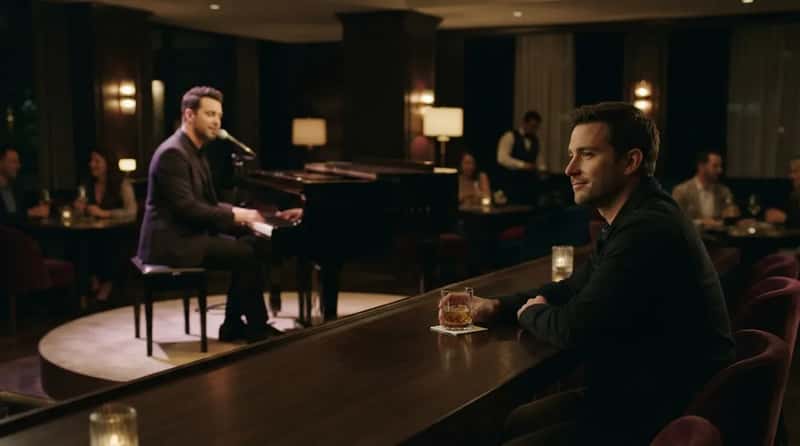
Many performers say the quiet solo guest at the end of the bar is the person they think about most. It might be a traveler far from home, or someone who just needs a few songs before facing an empty hotel room. Performers often pick a tune with that person in mind.
It’s rarely announced, and it’s rarely acknowledged. Players say a single nod from a solo guest can mean more than a standing ovation from a table. It’s a private moment in a public room. Some say it’s the part of the job they remember long after the night ends.
Why It Stands Out
- The song is chosen for one person, and nobody else in the room needs to know.
- A small nod is often the only thank-you, and it is enough.
- It turns a public room into a private moment for a traveler far from home.
And the final item is the one that ties everything together…
#1 – The Guests Who Never Look Up Are Often Listening Hardest
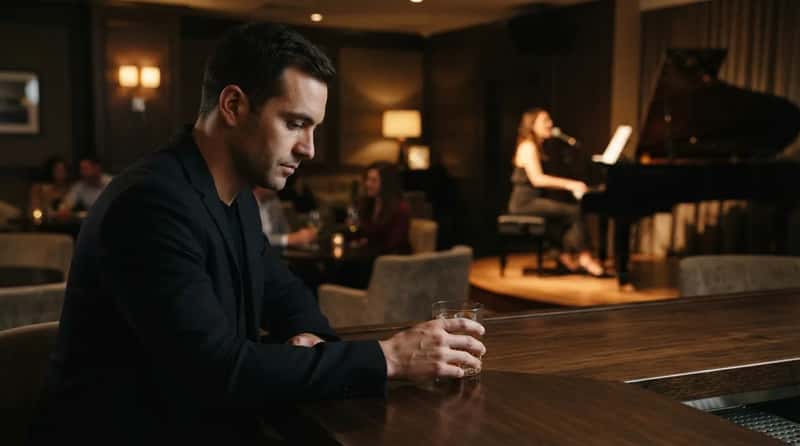
The biggest surprise for many performers is that stillness can be the loudest compliment. A guest staring into a drink without moving may not be bored. They may be completely lost in the song.
Performers say they learn to trust that. A room that goes quiet between notes often means the music is working. Applause is easy to read, but silence takes experience. Many players say that’s the moment a lounge set stops being background and becomes something people remember.
So the next time you sit down at a hotel bar, remember the performer has already noticed your bag, your seat and the way you looked around the room. The research backs up what they learn on the job: sound shapes how long people stay and what they choose. But the best part is what no study can measure. Somewhere in that room, someone is hearing exactly the song they needed, and the performer picked it without being told.