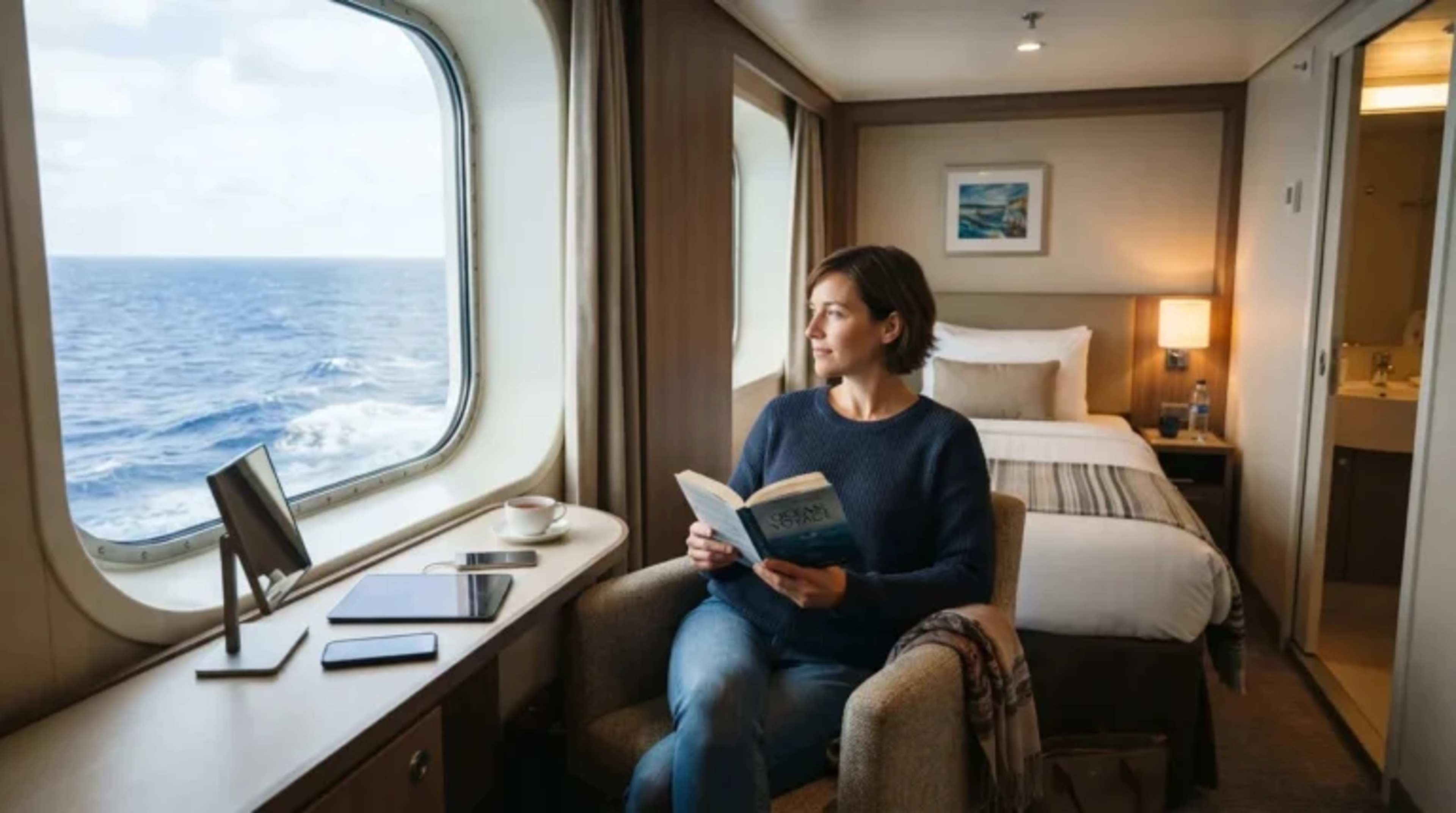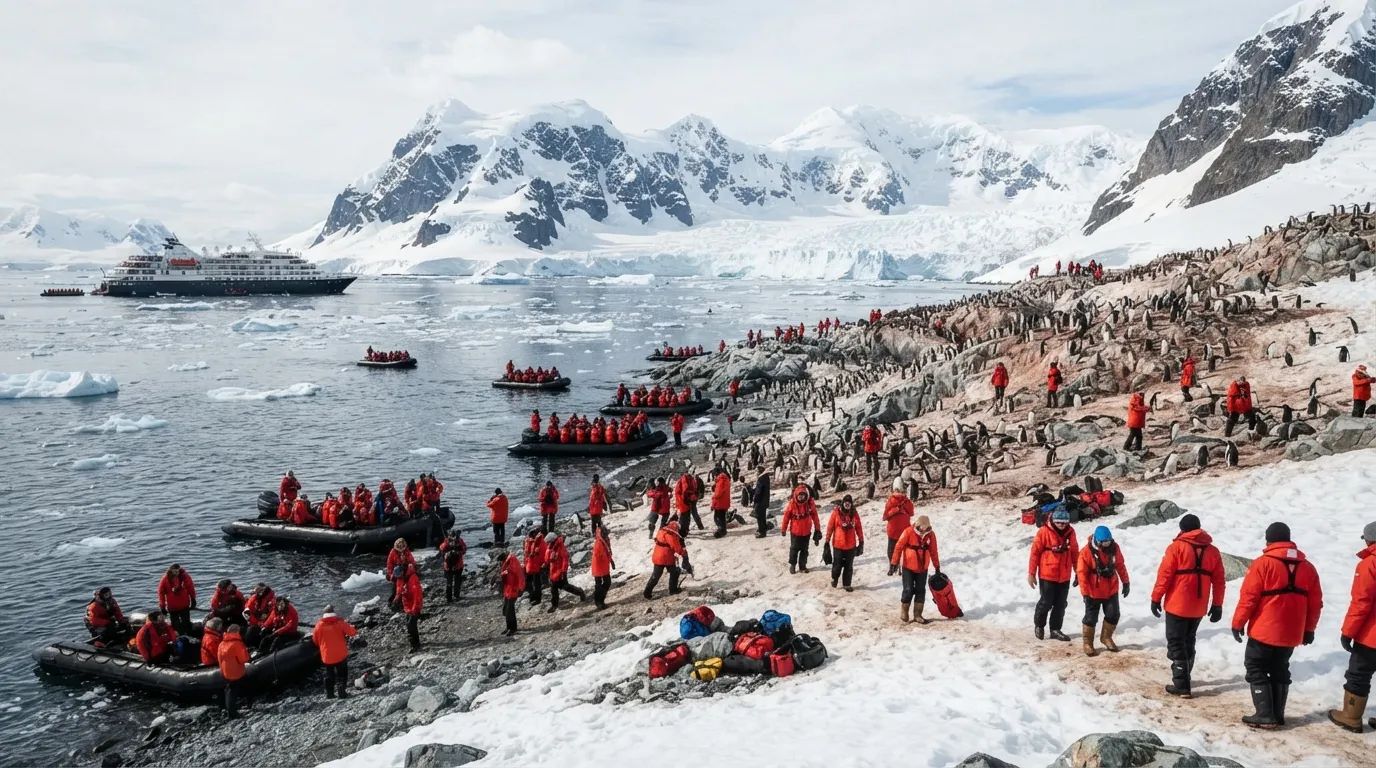
Most people picture expedition cruising as a regular cruise with better scenery. Then the engines go quiet, a rubber boat bobs beside the hull, and you find out the brochure left out most of the story. Nobody mentions the boot scrub, the waiting, the smell, or how fast a schedule can change overnight.
Some of these surprises are funny, and a few will change how you pack. One of them changes what the word “cruise” means to you, and it’s waiting at the very end of the list.
#15 – The Itinerary Is Really a Wish List Written in Pencil
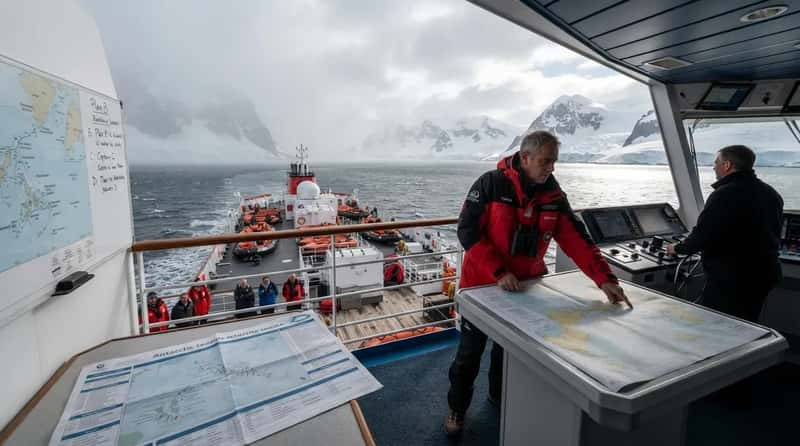
That glossy day-by-day schedule is a hopeful sketch. Weather has the final vote, and the decision can come over the ship’s loudspeaker before breakfast. In the 2025–26 Antarctic season, difficult weather led to cancelled landings and voyages, according to IAATO’s own season report.
Operators plan for this on purpose. Captains and expedition leaders often keep a Plan B, C and D ready, and a landing can swap sites within hours. The ship you booked is often chasing a calm patch of water, not following a fixed route. The flexibility is the whole business model, and the first thing you’ll see it do is slow you down at the door, in #14.
#14 – You Scrub Your Boots Like a Surgeon Before You See a Single Penguin
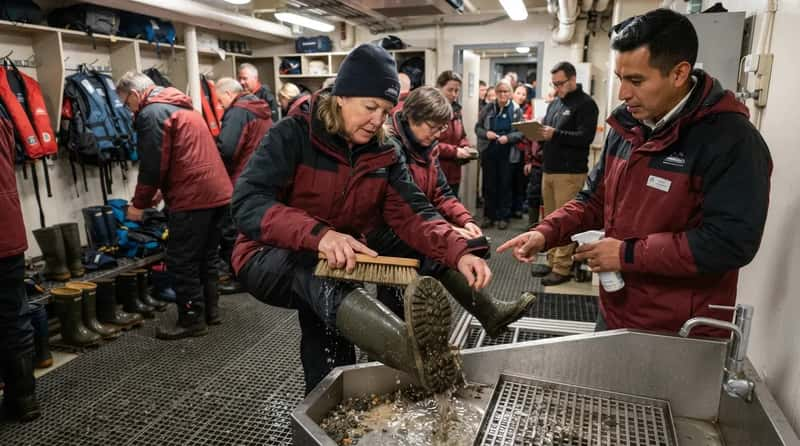
Before the first landing, you’ll stand in a crowded mudroom, scrubbing the soles of your boots while a guide watches. Operators run biosecurity checks because seeds, dirt and microbes can hitch rides to fragile places. Backpacks, pockets and trouser cuffs get inspected too.
Velcro is one of the sneakiest hiding spots for seeds, which is why guides ask you to pick it clean. It feels like overkill until you realize how small the threat can be. Experts treat a single stowaway seed as a real problem in a place with so few plants. And once you’re scrubbed, there’s still the matter of actually reaching the shore, which comes with a headcount rule.
#13 – Only 100 People Can Be Ashore, So Landing Day Is Mostly Waiting
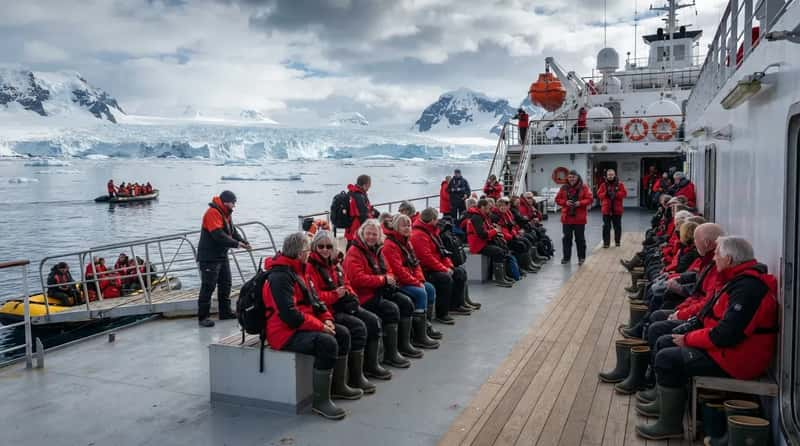
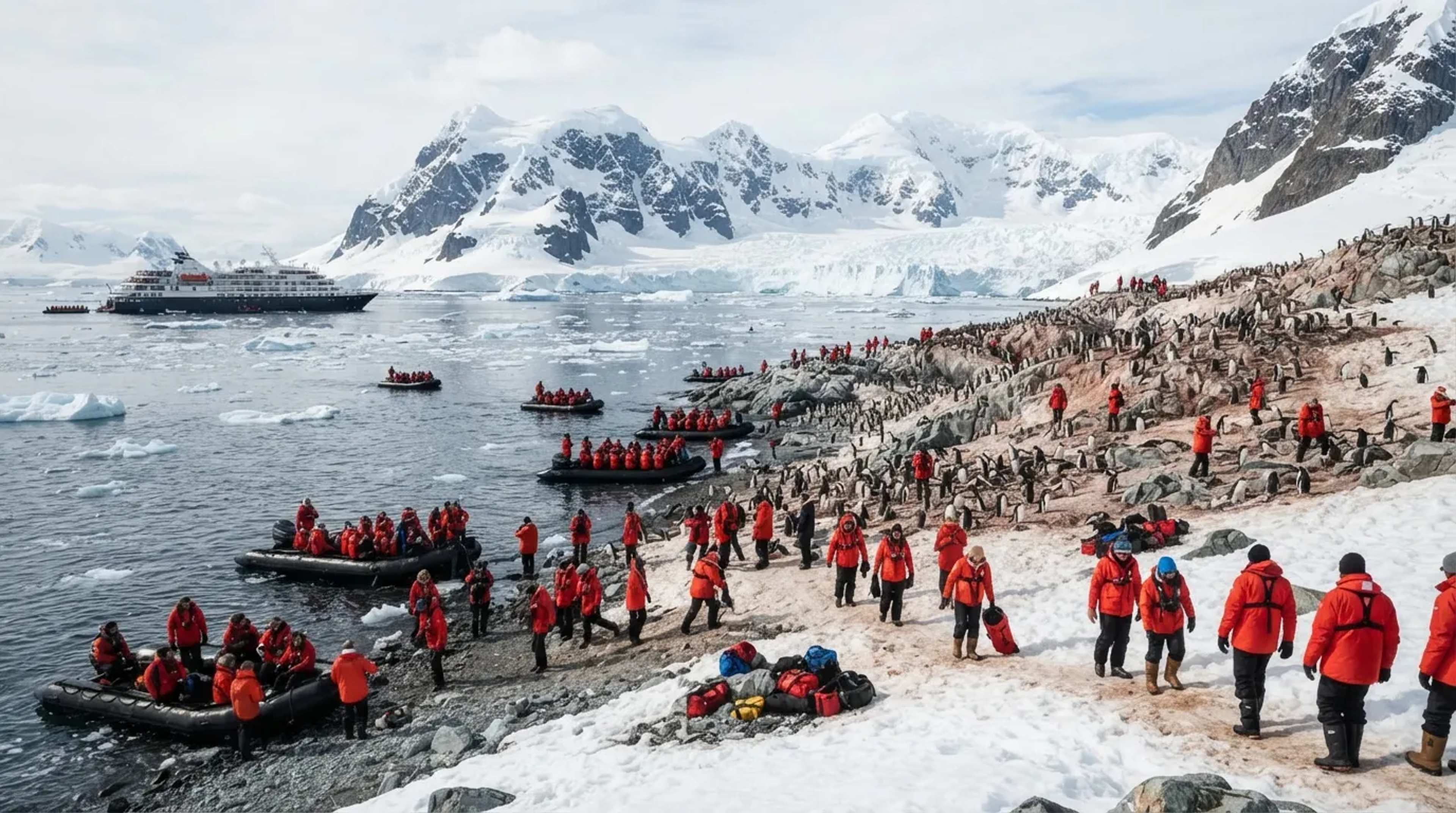
You probably imagine the whole ship spilling onto the beach together. In Antarctica, that isn’t allowed. A maximum of 100 people may be ashore from a vessel at one time, and landings are expected to keep a 1:20 guide-to-passenger ratio.
So larger expedition ships split passengers into groups and rotate them. One group walks the shore while another cruises in Zodiacs, and you may spend part of the morning back on board, boots by the door. Even on landing day, you can spend a surprising amount of it waiting. Some travelers hate the staggered schedule, but experts say it protects the colonies. Then comes the part nobody trains you for.
Fast Facts
- No more than 100 people ashore from one vessel at a time
- One guide for every 20 passengers on the beach
- Groups rotate between the shore and Zodiac cruising
- Your “landing day” often includes a long stretch back on board
#12 – The Landing Starts With a Gymnastics Move Into a Rubber Boat
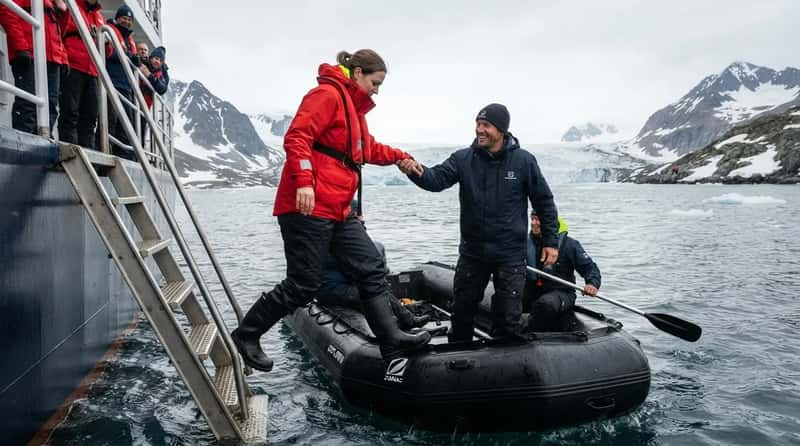
Crew members grab your forearm in a “sailor’s grip” while you step into a bobbing inflatable Zodiac. You’ll wear waterproof boots and a life jacket, and for a few seconds you’ll rely on the crew more than your own balance. It’s quick, a little clumsy and strangely bonding.
Many landings are “wet landings.” You swing your legs over the side and step into shallow water, which is why boots matter more than almost any other gear. One wrong step can fill a boot with near-freezing water. Experts say the classic mistake is dressing for the ship instead of the boat ride. Once you’re on the shore, the rules change again.
#11 – “Free Roaming” Turns Out to Be Very Rule-Bound
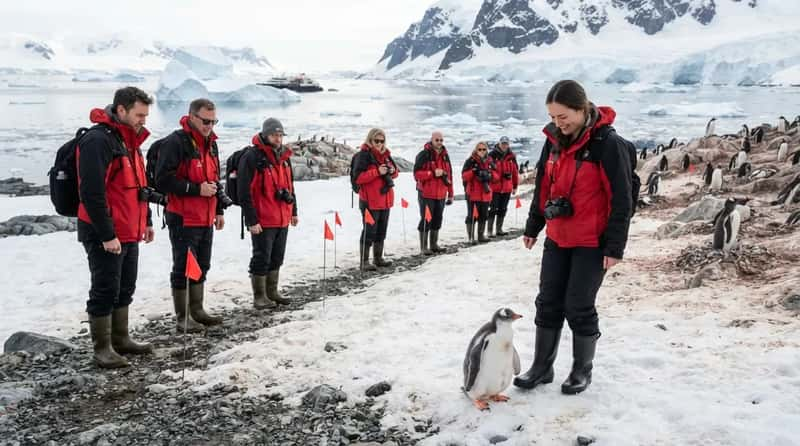
You’re standing on a remote shore at the bottom of the world, and you still can’t just wander off. Guides mark routes with flags, and groups stay inside them. Wildlife always gets the right of way, and Antarctic guidelines ask visitors to stay at least 15 feet (5 meters) from animals.
Penguins, of course, haven’t read the guidelines. A curious chick can waddle straight up to your boots, and then you have to freeze and let it pass. Some travelers say the rules take the magic out of the moment. Many experts argue the opposite: the rules are the reason there’s still something magical to see. And wait until you smell what’s coming next.
#10 – The Smell Hits You Before the Scenery Does
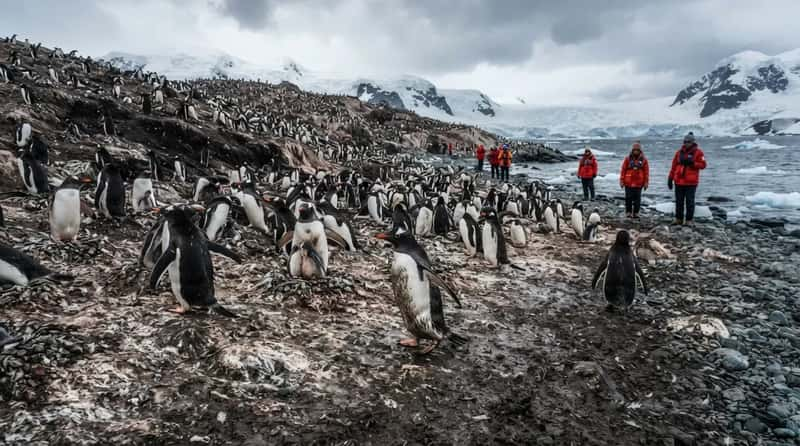
The postcards never include the smell. A big penguin colony has a pungent, fishy, ammonia-heavy odor from guano that can reach you long before you see a single bird. Many first-timers say it’s the first thing they remember.
It’s also part of the real wildlife experience. Colonies are busy, loud and messy, and the tidy photos hide a lot. You’ll likely stop noticing the smell within minutes, but your jacket won’t forget it. Bring a bag for dirty outer layers and don’t wear your favorite coat ashore. The cost of getting this far, though, is even harder to ignore.
Worth Knowing
- The smell comes from guano, and it’s strongest downwind of a big colony
- Colonies are loud as well as smelly, so the whole place hits several senses at once
- Smooth, wipe-clean outer layers are easier to live with than fuzzy fleece
- A sealable bag keeps the aroma out of your cabin
#9 – The Price of Admission Is Two Rough Days at Sea
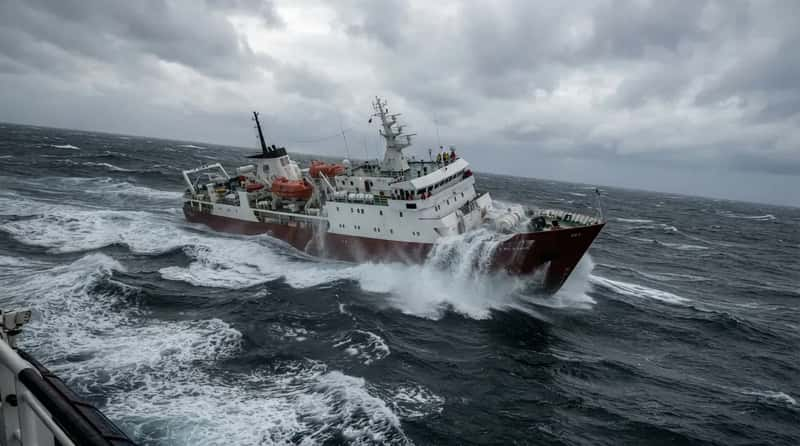
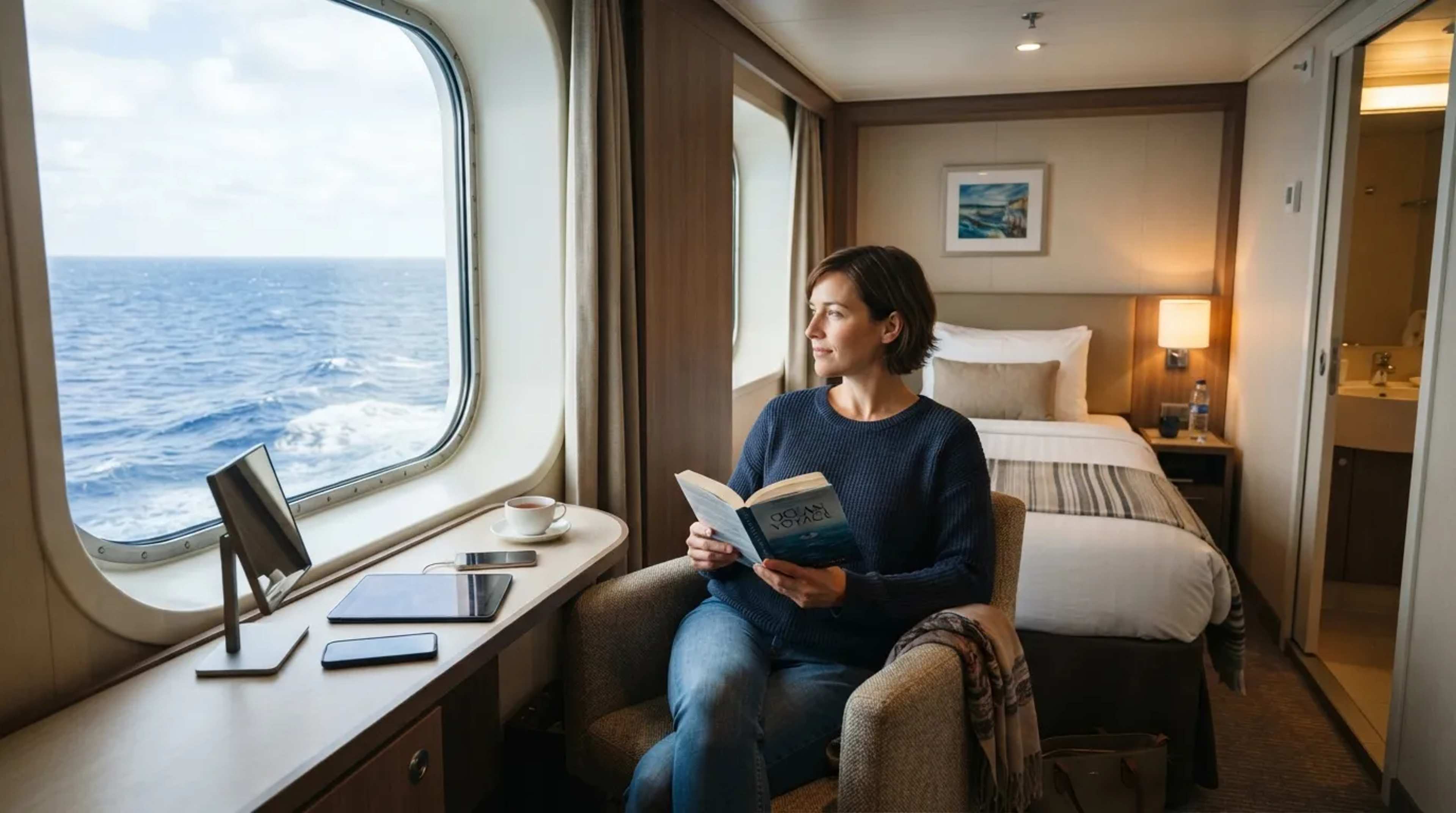
The Drake Passage separates South America from Antarctica, and it has a reputation. Voyages from Ushuaia usually spend about two days crossing each way. For many passengers, the trip means more time at sea than on shore.
Crews call it the “Drake Shake” when the ocean gets rough and the “Drake Lake” when it doesn’t, and you don’t get to choose. Seasickness medication generally works best when you take it before you feel sick, not after. The crossing is also when the lectures begin and strangers start sharing tables and stories. Hold that thought, because the next surprise has nothing to do with ice.
#8 – A Warm-Water Expedition Ambushes You With Cash at the Airport
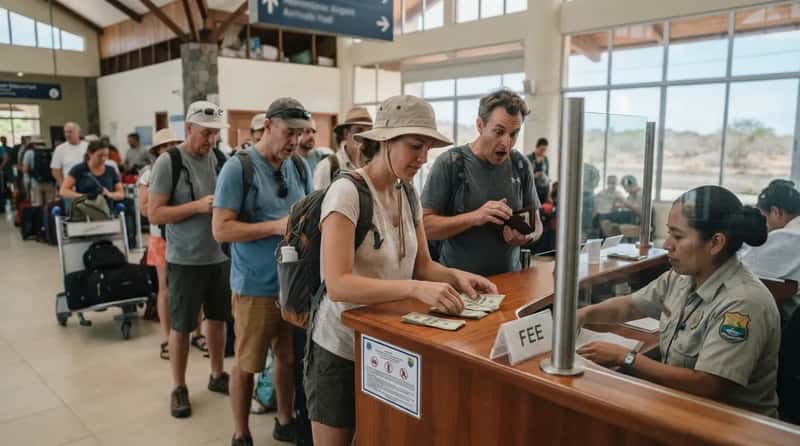
Not every expedition cruise happens on ice. Galápagos voyages are tropical, and they come with a quiet surprise at the airport. New national park entrance fees took effect on August 1, 2024, and the fee is $200 for non-Ecuadorian adults, paid in cash on arrival.
That was the first increase in about 26 years, so older travel guides are now out of date. A separate $20 tourist transit card is also required. Many travelers arrive expecting the park fee to be bundled into the cruise price, and then find themselves digging for bills at the counter. Sort it out before you fly, because the next rule is about who gets to walk the trails.
#7 – In the Galápagos, You Can’t Take a Single Step Ashore Without a Guide
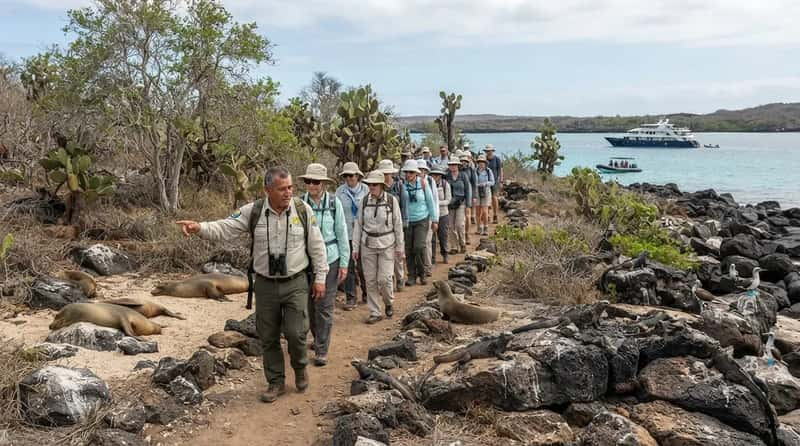
Independent wandering is not an option here. Nearly all of the islands’ land area is protected, and visitors may explore designated sites only with Park-certified naturalist guides. The park service coordinates visits to more than 60 sites.
That means no peeling off for a solo hike, even if the trail looks empty and the sea lions look friendly. Vessels range from small yachts to ships carrying around 100 passengers, so your group size depends on the boat you pick. Some travelers find the structure restrictive. Others say it’s exactly why the wildlife still ignores you. Next, meet the people who actually run the show.
Quick Compare
- Antarctica: up to 100 people ashore at once, guided groups, and a 15-foot (5-meter) wildlife buffer
- Galápagos: Park-certified naturalist guides at every landing, across more than 60 visitor sites
- Entry cost: a $200 park fee for non-Ecuadorian adults in the Galápagos, plus a $20 transit card
- Shared theme: in both places, the strict rules are what keep the animals unbothered
#6 – The Real Stars Aren’t the Ones in Captain’s Uniform
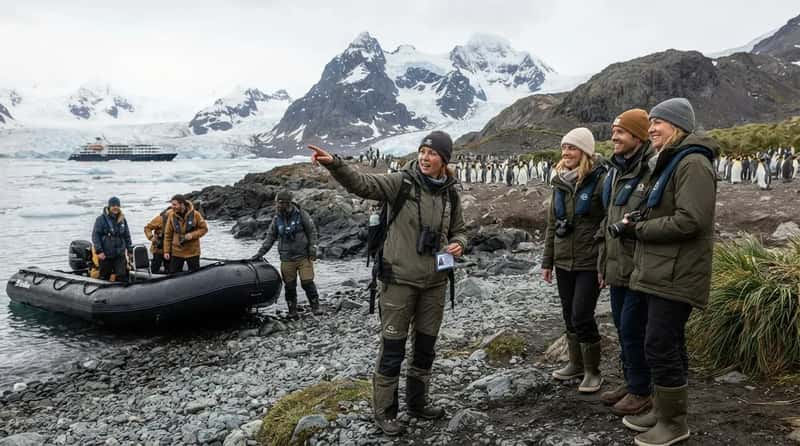
The staff you’ll remember most aren’t the captain or the cruise director. They’re the naturalists, historians, photographers and geologists who give the evening talks. On many ships, they also drive the Zodiacs and lead the landings.
That’s why expedition cruising feels more like a floating field trip than a resort. The evening recap before dinner often turns into the best-attended event on the ship. Shared awe makes strangers friendly faster than any mixer could. And somewhere along the way, you’ll notice what’s happening to your phone.
#5 – Your Phone Becomes a Camera Instead of a Lifeline
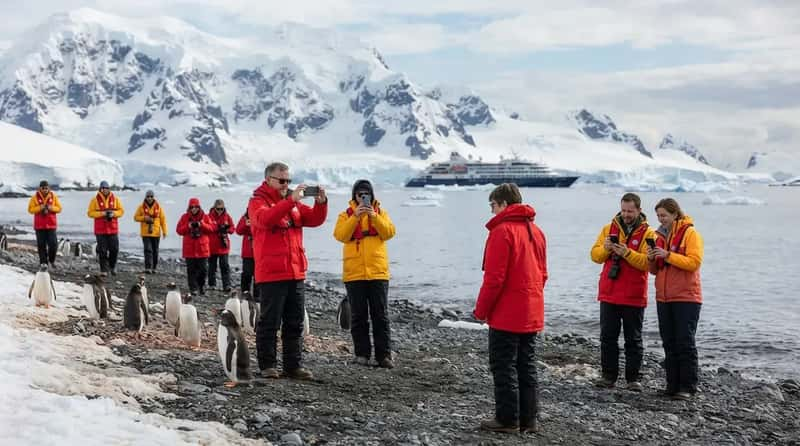
Connectivity at sea can be slow, patchy and pricey. On remote routes, you may go long stretches with little or no signal. Plenty of travelers are surprised to discover they don’t miss it.
The bigger risk isn’t the missing Wi-Fi. It’s spending an entire landing looking at the place through a screen. Guides say some of the best moments happen in the 30 seconds after people lower their cameras. Many photographers say the best shot is the one you take after you’ve simply looked. Which brings us to a crowd problem that never makes the brochure.
#4 – “Remote” Doesn’t Mean Empty
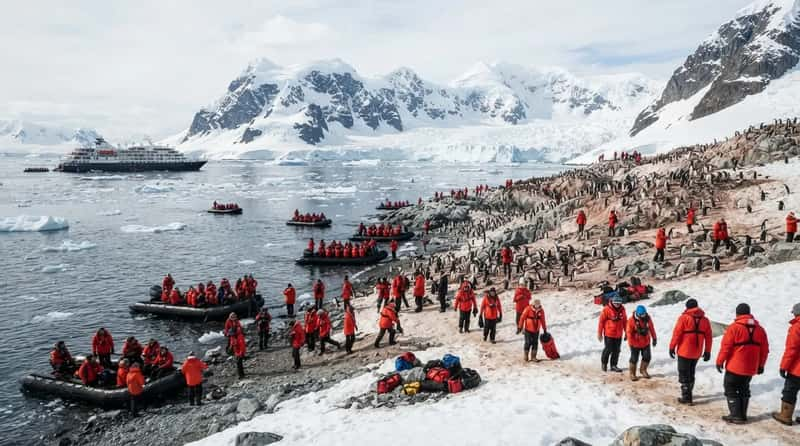
Antarctica feels like the edge of the world, but it has a busy season. IAATO’s figures put the total number of visitors in 2025–26 at 113,518. And tourist activity is highly concentrated around the Antarctic Peninsula, which draws the overwhelming majority of visits.
Popular stops can feel crowded. The top five landing sites made up roughly 26.5% of all landed visits in 2025–26, with Neko Harbour among them. Experts say the pressure is real, which is why expedition teams schedule landings so ships don’t overlap. Even so, the next secret affects how much of this you’ll see in the years ahead.
#3 – The Rules Are Tightening While You’re Still Planning
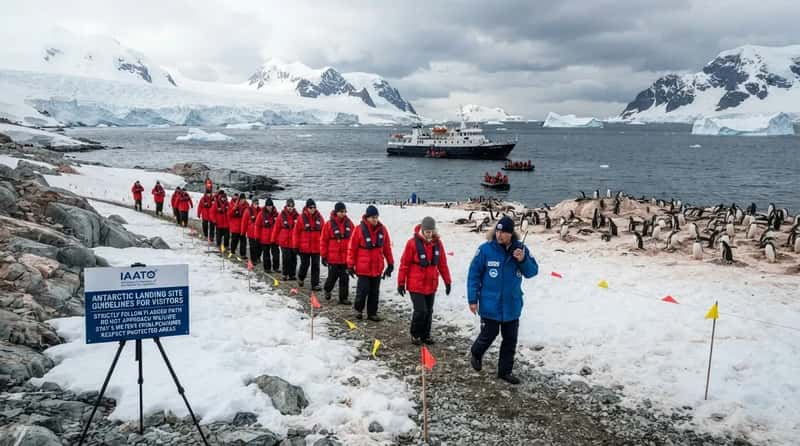
Expedition cruising isn’t standing still. Antarctic Treaty countries keep revising their guidelines for visitors, and policymakers have discussed limits on total tourist numbers, quotas for landing sites and ecological fees. Nothing about the debate is quiet.
On the ship side, vessels in Antarctic waters have been barred from using heavy fuel oil since 2011. Rules that exist today may look different by the time you book. Some travelers say the limits are overdue, while others argue that tourism is being unfairly blamed. Then there’s the cost that doesn’t show up on the ticket.
#2 – The Fare Is Only the Starting Line
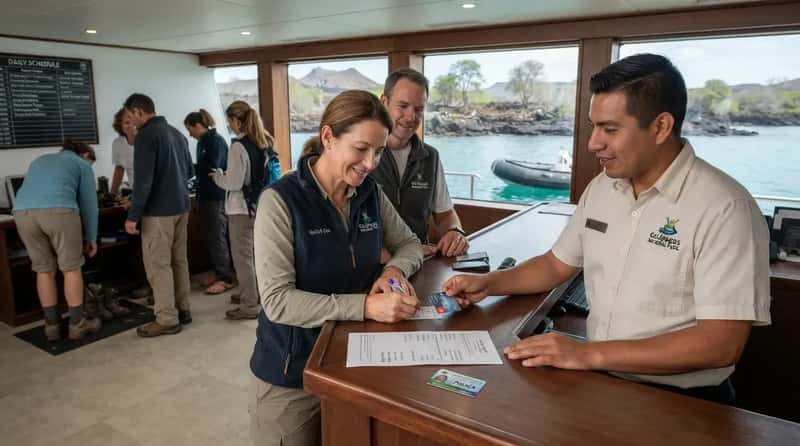
The advertised price rarely tells the whole story. On Galápagos cruises, one cost guide says to budget $600 to $800 per person beyond the listed fare on a standard 7 to 8 day trip. That covers items like the park fee, transit card, gratuities, drinks and insurance.
Flights to the departure port, gear and tips for guides and crew can add up fast. Travel insurance matters more on remote trips, where help is far away and a missed flight can unravel everything. Experts say the biggest mistake is booking without asking what’s included. Keep that list handy, because the last item is the one that changes how you feel about all the others.
#1 – The First Landing Quietly Rewrites What “Cruise” Means
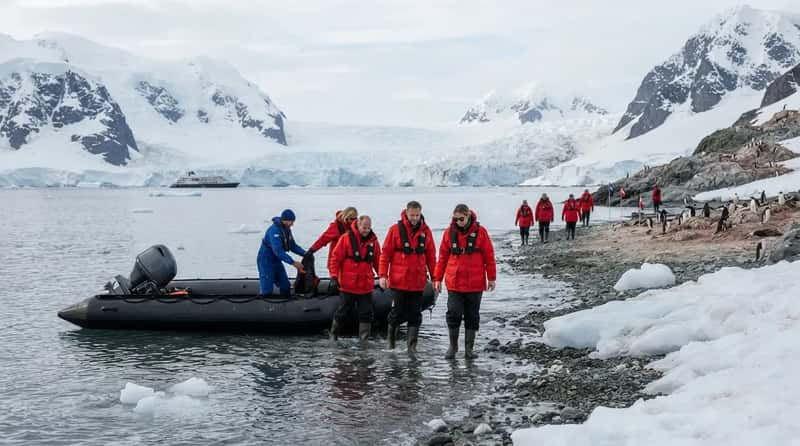
Here’s the part nobody can pack for. You step ashore, the engines are suddenly far away, and for the first time you hear the place instead of the ship. Wind, wings and distant ice cracking replace the soundtrack of a normal cruise.
Many travelers say that’s the moment the trip stops feeling like a vacation and starts feeling like a visit. The first landing, not the ship, is what people end up remembering. Even longtime expedition staff say they never quite get used to it. That quiet is the real destination.
Why It Stands Out
- The soundtrack changes from engines and chatter to wind, wings and ice
- Every hassle that came before suddenly has a purpose
- You’re a guest on someone else’s shore, not the center of the schedule
- Even veteran crew say the feeling doesn’t wear off
The boot scrubs, the swaying crossing and the shifting schedule all fade quickly. What stays is that first minute on the shore, standing still while the world around you carries on without you.