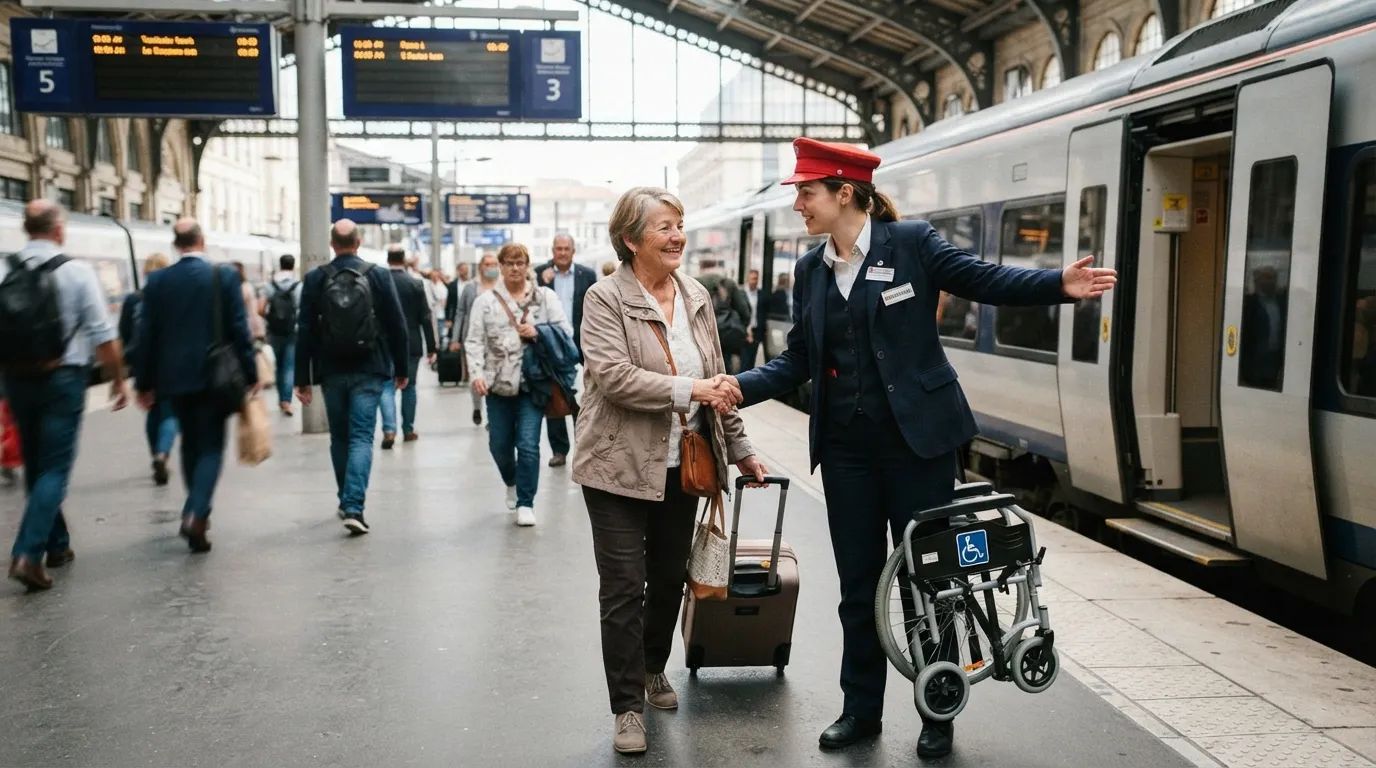
Picture two travellers in the same carriage on the same train. One paid about 10% less, had a uniformed station worker handle the suitcases, and was walked to a seat without breaking a sweat. The other paid full price and wrestled the bags along the platform alone. Same ticket, same destination. The only difference was that one of them asked.
For travellers past 60, that gap shows up everywhere. Many of the perks are real and written into official policy, yet few appear on a ticket or at checkout, and some come with fine print that can quietly shrink the savings. Here are 15 requests worth making, starting with the easiest money and ending with the one that changes how a whole trip feels.
The 10% Senior Fare Stays Hidden Until You Pick One Dropdown
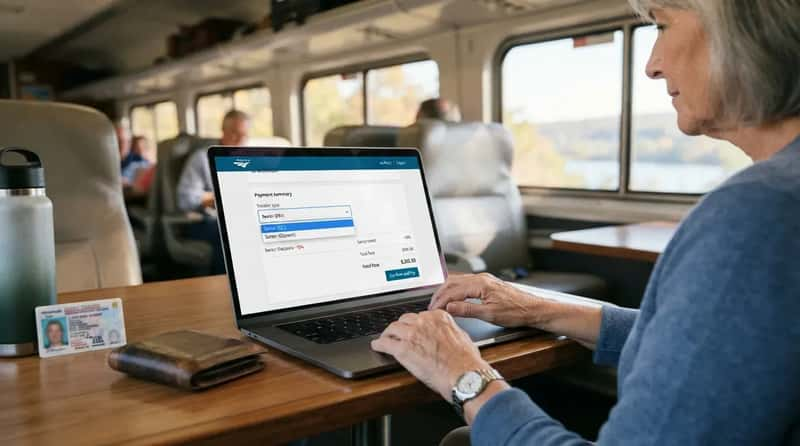
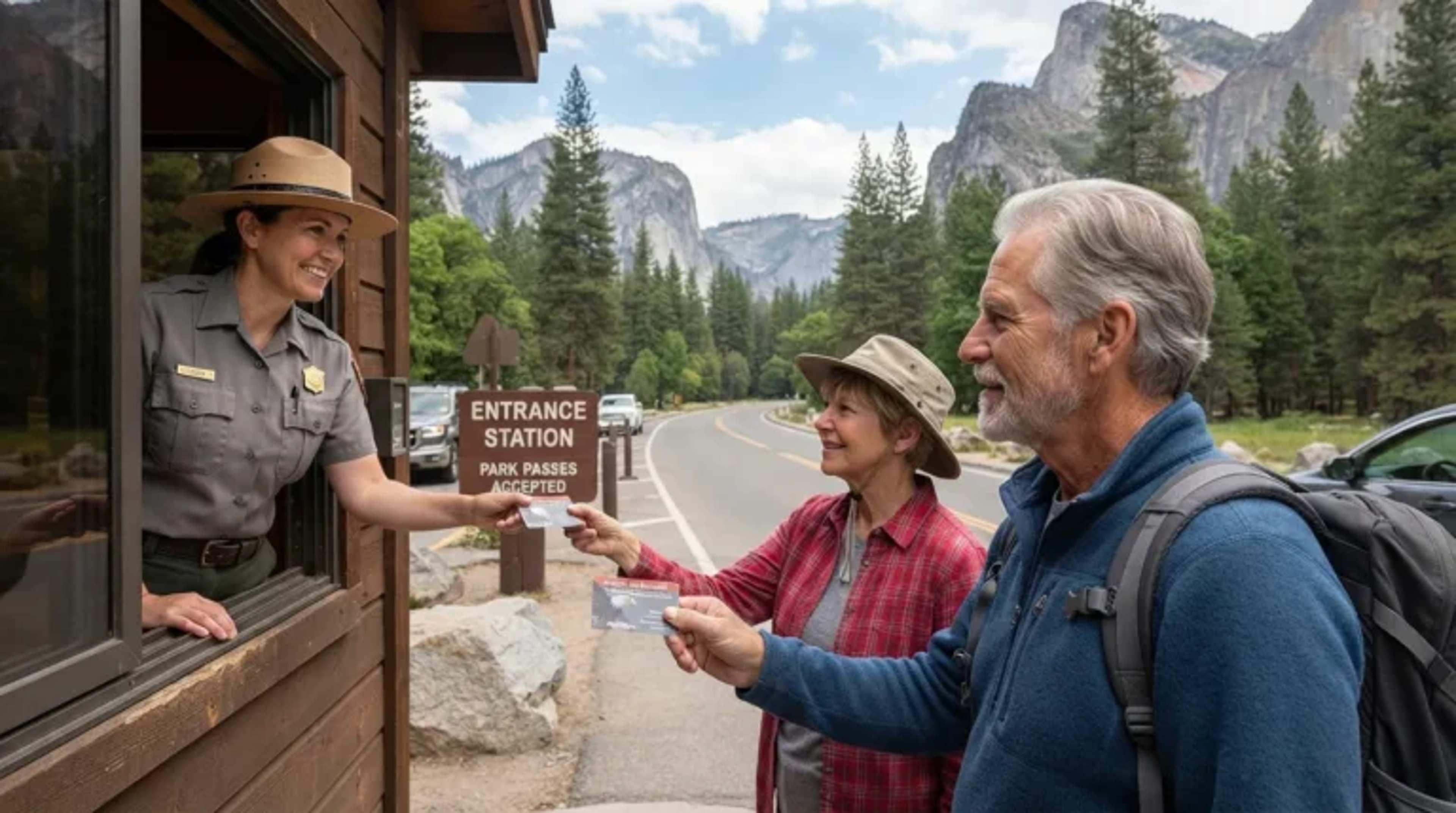
Amtrak says travelers 65 and over are eligible for a 10% discount on most trains. It is not automatic, though. You have to choose “Senior” as at least one traveler type when booking. The discount then applies on its own, and no promo code is involved.
Skip that dropdown and you simply pay full fare. Nothing flashes, nothing warns you, and the confirmation email looks perfectly normal. Photo ID proving your age is required at purchase and on board, so keep it in your hand, not buried in a suitcase. Some riders call 10% too small to bother with. On a long trip with several tickets, it adds up fast.
The Fine Print: What the Senior Discount Quietly Skips
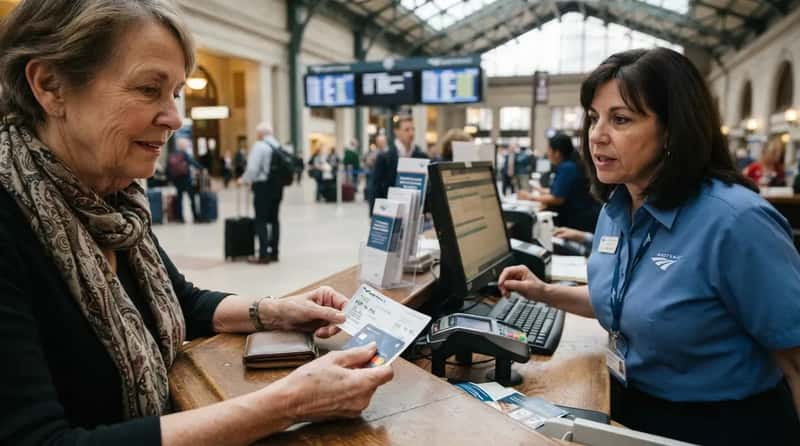
The savings come with limits, and this is where people get stung. The discount applies to the rail fare only. It does not cover sleeping-accommodation charges or Business and First class upgrades, and it may not apply on certain trains, such as the Auto Train and some Acela services. Check your own route before you count on it.
There is another catch. The 10% comes off the lowest available rail fare, and it may not combine with Saver Fares or other promotional discounts. Third-party sites disagree on some of these exclusions, so confirm the details for your exact train before you book. Nobody enjoys finding out at the station that the “discount” was never going to apply.
Heading to Canada? The Senior Age Quietly Drops to 60
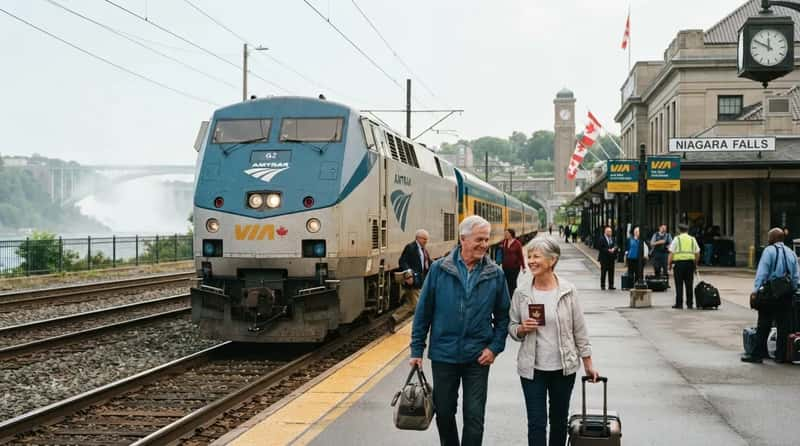
Most Amtrak riders think the cutoff is 65, and on most routes it is. On cross-border services operated jointly with VIA Rail Canada, the senior discount starts at age 60. That gives travellers in their early 60s a window many never hear about.
It is easy to miss because the 65 figure gets repeated everywhere, from websites to station posters. If you are 60 to 64 and planning a trip north, ask about the cross-border senior rate when you book. You will likely have your passport out anyway, so proof of age is already sorted.
At a Glance
- Most Amtrak routes: senior discount starts at 65
- Cross-border trips with VIA Rail Canada: it starts at 60
- Proof of age is still needed, and a passport covers it
- Ask about the cross-border senior rate when you book
Red Caps Carry Your Bags for Free, and Most People Walk Right Past Them
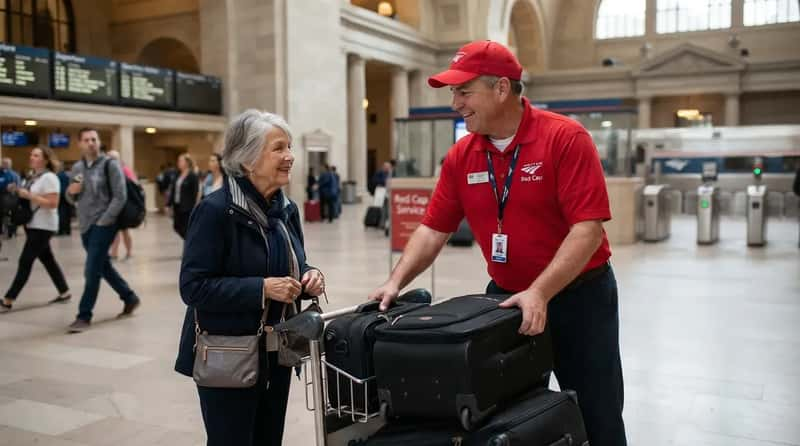
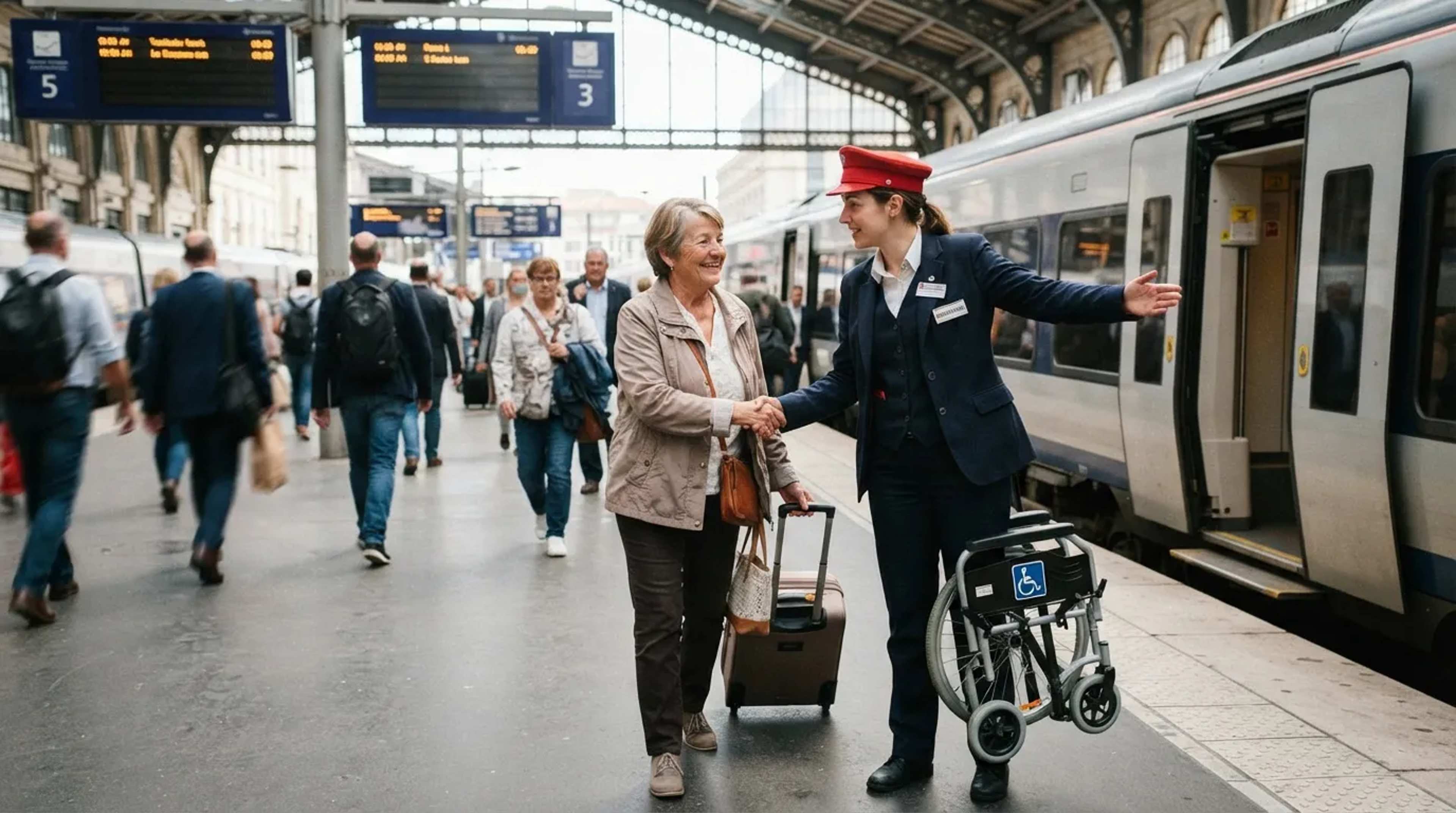
At bigger stations, a person in a red shirt and cap can take your luggage off your hands. Amtrak describes Red Cap as free baggage handling assistance from dedicated staff. They help passengers with disabilities and senior citizens, and they operate motorized vehicles, wheelchair lifts and ramps.
You will usually find them at the front of the station or in the Red Cap area of the main concourse, and you can also flag one down when you arrive. Amtrak recommends accepting help only from uniformed Red Cap agents. The service is free, though tips are welcome. Unstaffed or platform-only stations won’t have them.
Seniors Are Actually on Amtrak’s Early Boarding List
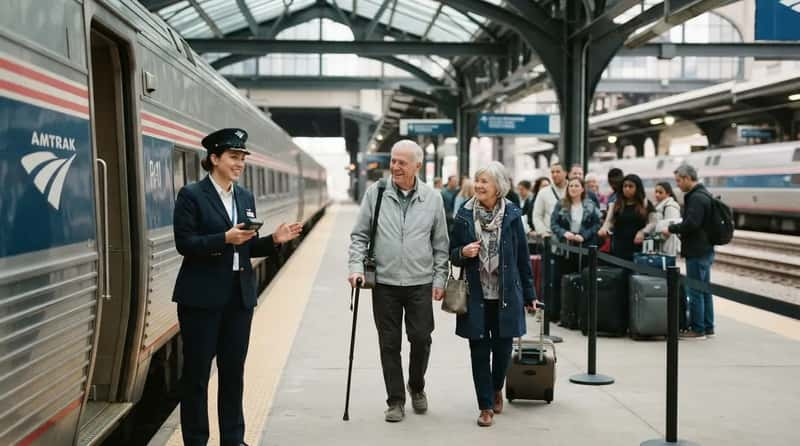
Standing in a long boarding line with a heavy bag is optional at some stations. One travel guide reports that Amtrak offers priority boarding to select passengers at many stations. It lists seniors 65 and over, anyone needing help to board, and passengers in private rooms. Availability varies by station.
The payoff is practical. Boarding early means less crush in the aisle and more time to find your seat and stow your bags without anyone waiting behind you. If you do not see a priority line, ask a station attendant whether one operates for your train. A short question can save you a stressful shuffle.
One Checkbox Online Unlocks the Accessible Seating Menu
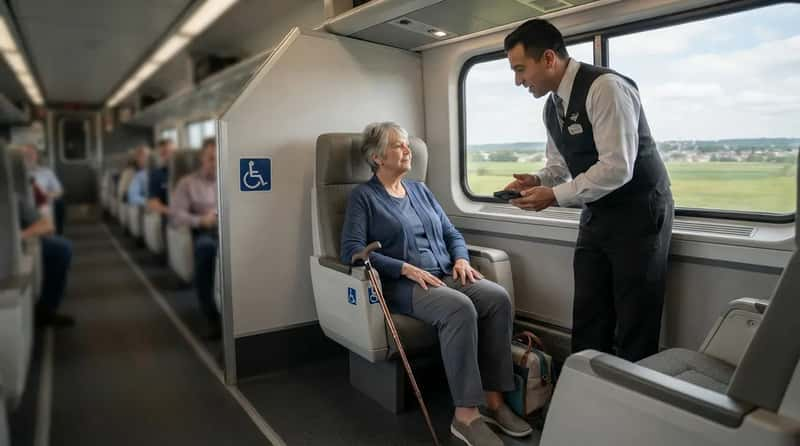
The booking system cannot see what you need unless you tell it. A disability assistance questionnaire appears when you check a particular box while booking online. It asks about your wheelchair or cane setup and your seating preference. On reservable trains, you are then assigned the accessible seat you picked.
This matters most for people who find stairs or long walks difficult. Asking at the platform is the harder route, and saying so at booking gives staff time to plan. Note that this guide comes from a travel site, not Amtrak itself, so check the current form wording when you book.
Arrive 30 to 45 Minutes Early and the Platform Stops Being a Gamble

Help works best when staff have time to set it up. One accessibility guide advises arriving 30 to 45 minutes before departure when you need assistance, so station staff can prepare boarding equipment. That is a lot earlier than most people turn up.
The equipment is real and varies by station. Staff can coordinate boarding help such as wheelchair lifts or bridge plates when available. Rushing onto a platform with a gap and no plan is where many journeys go wrong. A little padding on the front end removes most of that pressure, and you get time for a coffee instead of a sprint.
The Accessible Bedroom Is One Per Sleeper Car, and It Goes Fast
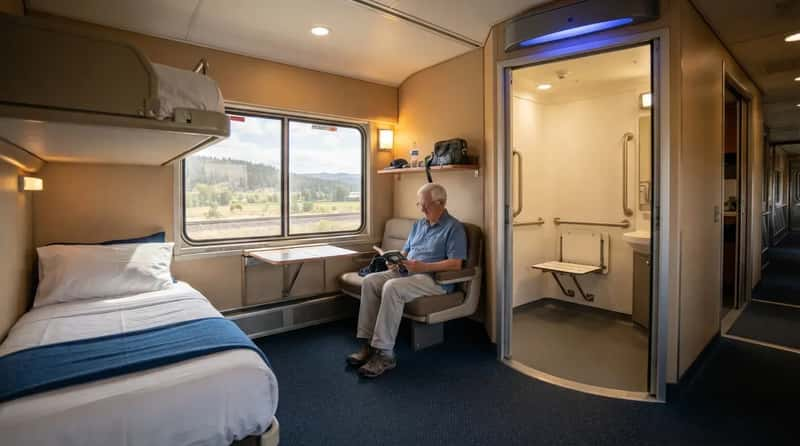
Overnight trains have a limited supply of accessible space. Amtrak Vacations says one accessible bedroom is available in each sleeping car. They are first-come, first-served, so you need to notify the agency before booking and reserve early.
That makes the timing of your request matter more than the price. Waiting for the cheapest fare to appear can leave you with nothing suited to your needs. If a long-distance trip is on your list, ask about accessible rooms before you pick dates.
Britain’s Senior Railcard Takes a Third Off for Less Than a Round of Lunches
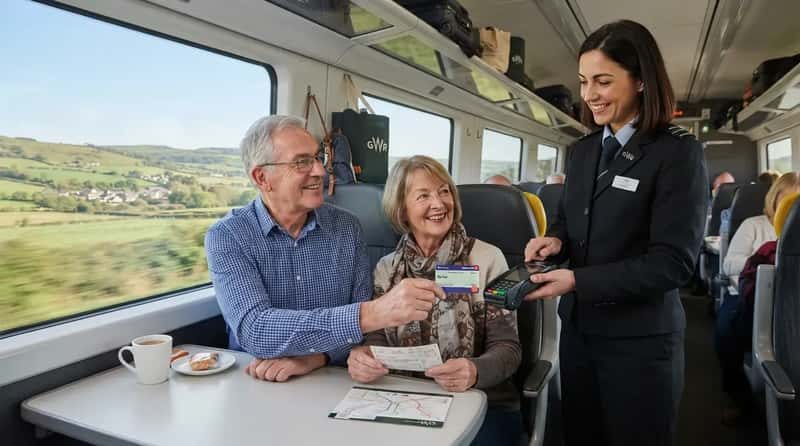
In the UK, the Senior Railcard is the big one. It can be used by anyone aged 60 and over and gives one-third off rail fares across Great Britain. The price went up from £30 in 2025 to £35 in 2026, yet it is still a small outlay for a third off most fares.
There is no upper age limit and no income test. That means a 60-year-old and an 85-year-old get exactly the same deal. Many UK riders call it the best senior rail perk anywhere. That is opinion, but the maths gives it a fair shot.
The Three-Year Card Costs £80 and Saves £25 Over Buying Three Singles
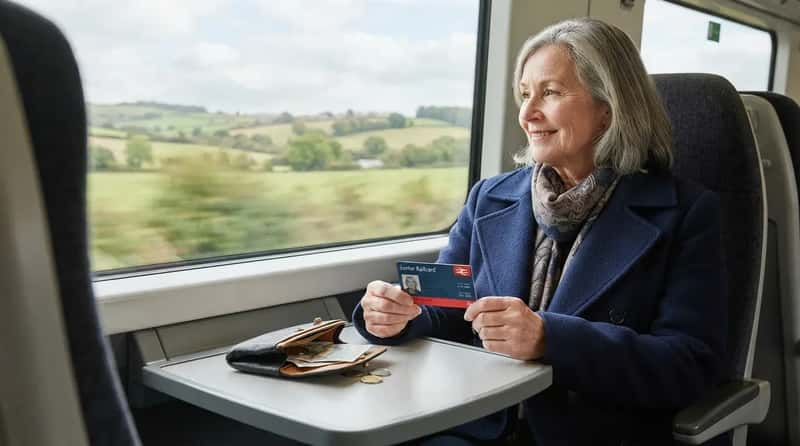
Here is the arithmetic most buyers skip. A three-year Senior Railcard costs £80, which saves £25 compared with buying three one-year cards. That works out to about £26.67 a year.
Quick Compare
- One-year card: £35 in 2026
- Three one-year cards back to back: £105
- Three-year card: £80, a £25 saving
The usual objection is that three years is a gamble. But once you are 60 you stay eligible for life, so there is no risk of ageing out of it partway through. The real risk is not travelling enough to use it. If your trips are rare, the one-year card may be the better call.
Link the Railcard to Your Oyster and London’s Tube Gets Cheaper Too
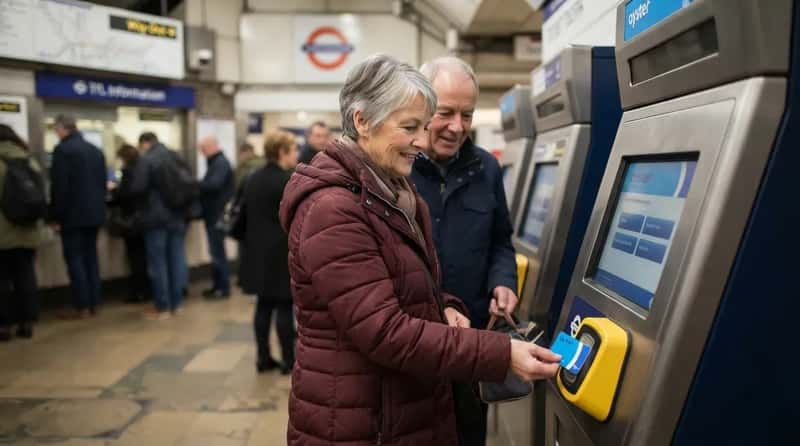
Here is the twist visitors to London miss. Railcards don’t discount the Underground, DLR or buses by default. The Senior card can be added to an Oyster card for one-third off Off-Peak tube and DLR fares, and you register it at a TfL ticket office or selected stations.
Watch the clock as well. The Senior Railcard is not valid on journeys within the London and South East Network Railcard area during weekday morning peak services. Broadly, you need to travel after 09:30 Monday to Friday. Peak times differ by route, so check yours before planning an early arrival.
Passenger Assist Needs Just Two Hours’ Notice Now, Not a Full Day
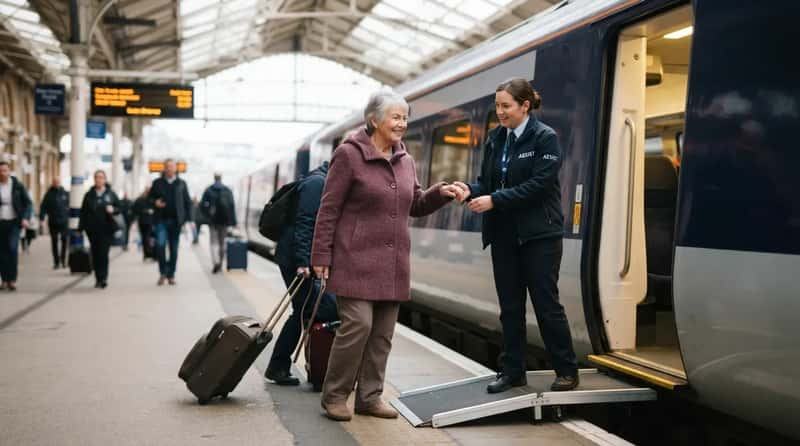
Passenger Assist is a service provided by train companies to passengers who need help with their journey. The old rules were strict, with notice required up to 24 hours before travel. Now train companies accept assistance booking requests up to 2 hours before your journey is due to start, at any time of day, although booking earlier is still best.
The scheme also covers older travellers. All train operators must provide assistance if you are disabled, or are older and cannot travel without help, even if your impairment is not visible. You do not need to look unwell to ask, and nobody is checking your birth certificate at the gate.
Fast Facts
- Old notice period: up to 24 hours
- Current cut-off: 2 hours before departure, at any time of day
- Booking earlier is still the smoother option
- Older travellers who cannot travel without help are covered
You Can “Turn Up and Go” and Still Get Help, With One Condition
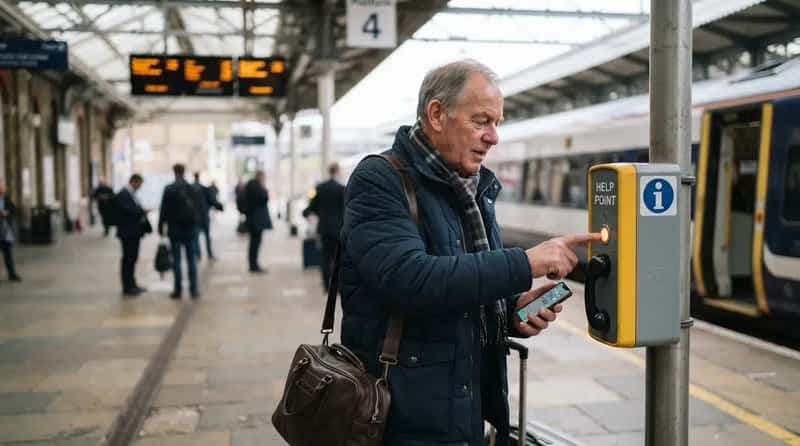
A booking is not the only route. You can turn up and go without booking in advance, but you should make yourself known to a member of staff or use a Help Point on arrival. At unstaffed stations, help can come through a help point or a Freephone number.
There is a catch. Staff may be assisting other customers, dispatching a train, or looking after safety, so help can take a little longer. Network Rail suggests arriving at least 20 minutes before departure to request assistance. If the whole trip is last-minute, build in that cushion.
Staff Will Carry Your Bags, Find Your Seat and Set Up the Ramp
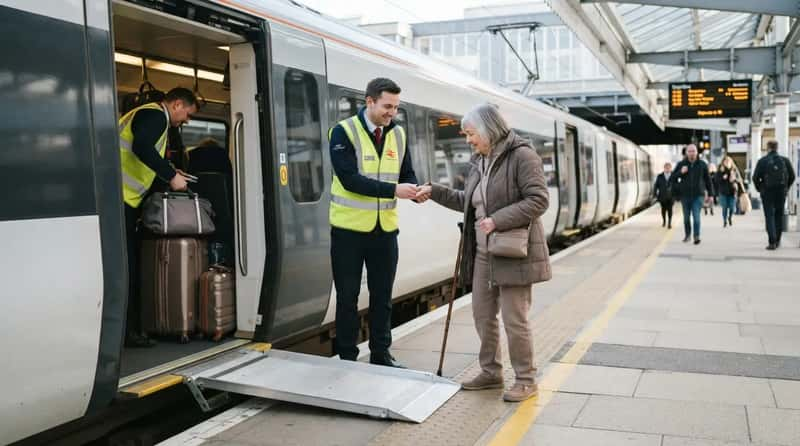
Most people picture assistance as wheelchairs only. It is wider than that. The scheme can include help navigating the station, support boarding such as showing you to your seat, arranging a ramp on or off the train, and carrying up to three items of luggage.
That last point surprises plenty of riders, who assume they must manage their own suitcases. The three-item cap comes from the National Rail Conditions of Travel, so a huge pile of bags may not be covered. Packing light is still the smartest move. But if you struggle with stairs or heavy lifting, asking is allowed.
Worth Knowing
- Luggage help is capped at three items
- Seat-finding is part of boarding support
- Ramps can be arranged for getting on and off
- Mention heavy bags or stairs when you book so staff can plan
Ask to Be Met at the Other End, Because the Journey Isn’t Over at the Door
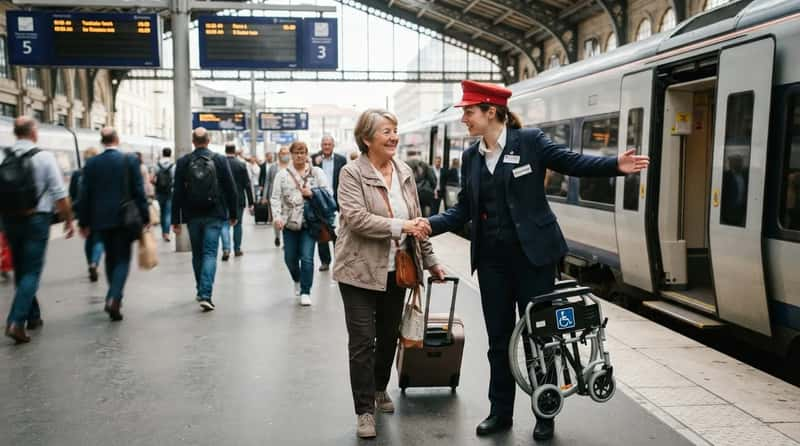
This is the request that changes everything. Any train company can organise assistance for your entire journey, even if you are travelling on multiple services. That includes being met from your train and taken to your next train or the exit.
Arrival is where many older travellers feel most exposed. The platform is crowded, the connection is tight and the exit is far away. Operators set their own standards for how quickly help arrives, so ask yours what to expect, and mention any tight connection when you book.
Rail travel past 60 gets easier the moment you start asking for what is already there. A dropdown, a card, a red cap or a two-hour phone call can turn a stressful trip into a calm one. Which of these would have helped you most on your last journey?