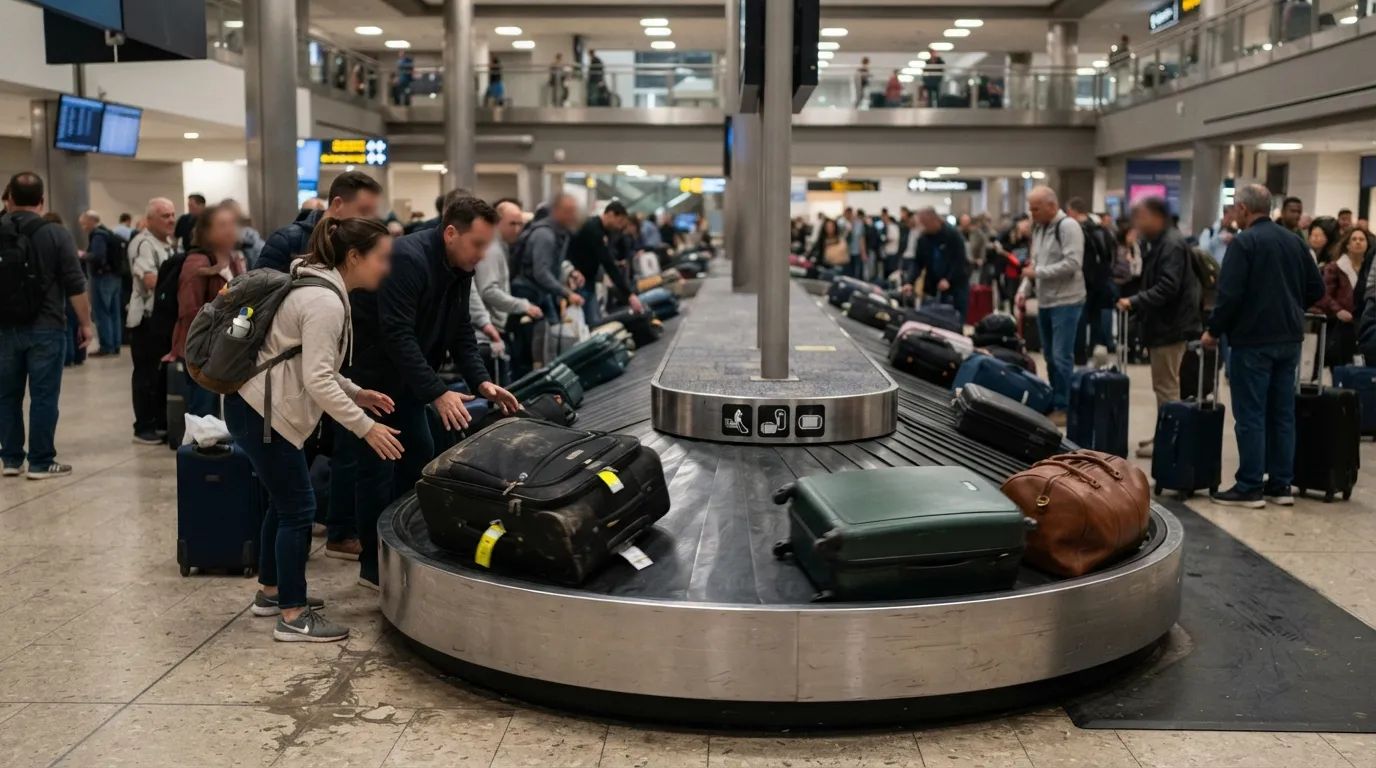
Most people treat baggage claim as the dead zone of air travel – a tired crowd staring at an empty belt, waiting for proof their suitcase survived the trip. That assumption is dead wrong.
That crowded hall is actually a live readout of everything that happened to your flight, from the ramp crew to the runway. Stick around long enough, and the carousel will tell you things your airline never will.
#15 – The Wait Time Tells You How Smoothly the Ramp Operation Ran
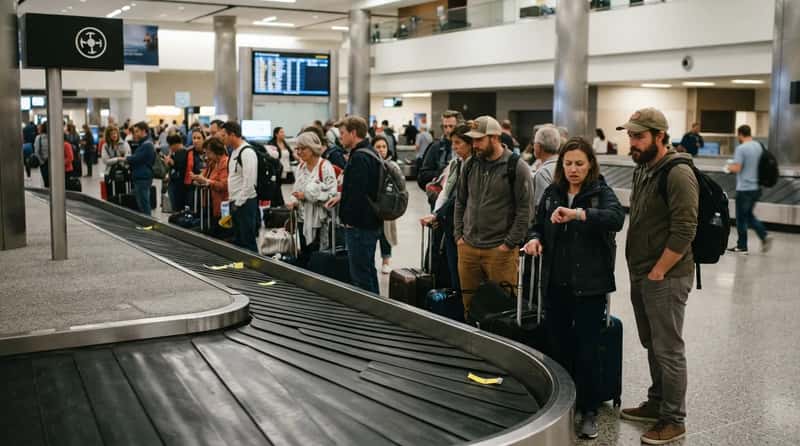
The very first thing baggage claim reveals is a truth airlines rarely advertise: how well-staffed and organized the ground crew actually was.
Wait times range from about 10 minutes at small regional airports to 40 minutes or more at big international hubs. But that gap isn’t really about airport size.
Ramp staffing is the single biggest factor. Airports with experienced, well-staffed crews turn bags around fast.
If you’re standing at the carousel for 35+ minutes on a flight that landed on time, that’s your answer. The ramp crew was understaffed or overwhelmed, plain and simple.
The same airport can run 15 minutes at 10 AM and 35 minutes at 7 PM. The clock on your wait is basically a performance review for the ground crew – and they just failed.
But that’s nothing compared to what #14 reveals about the plane itself.
#14 – The Aircraft Type Determines How Fast Bags Appear
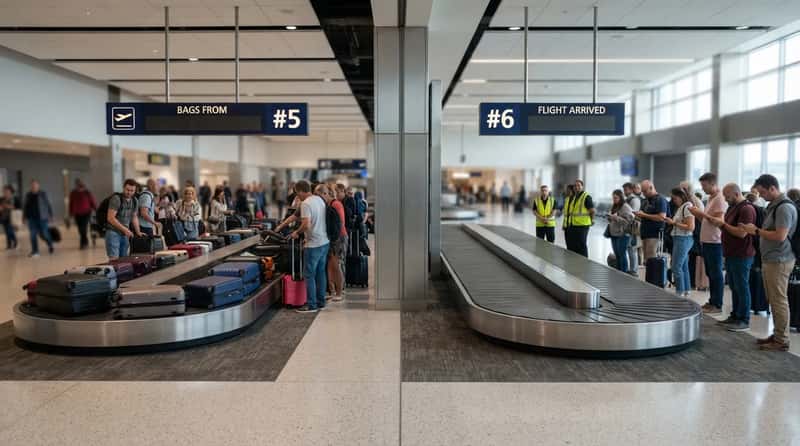
Here’s something most passengers never consider: the plane you flew on directly predicts your wait.
A narrow-body 737 with a simple belly hold unloads fast. A wide-body 777, carrying hundreds of bags across multiple cargo zones, does not.
If your bags appear quickly, you probably flew something smaller and simpler. If the wait drags on, you were likely on a long-haul jet with a packed hold that crews are working through row by row.
Bags loaded last are sometimes unloaded first, so your suitcase’s position during loading matters too. Its spot in the hold was decided before you even boarded.
But that’s nothing compared to what #13 reveals about whether your flight had a connection.
#13 – A Missing Bag Almost Always Means There Was a Connection Involved
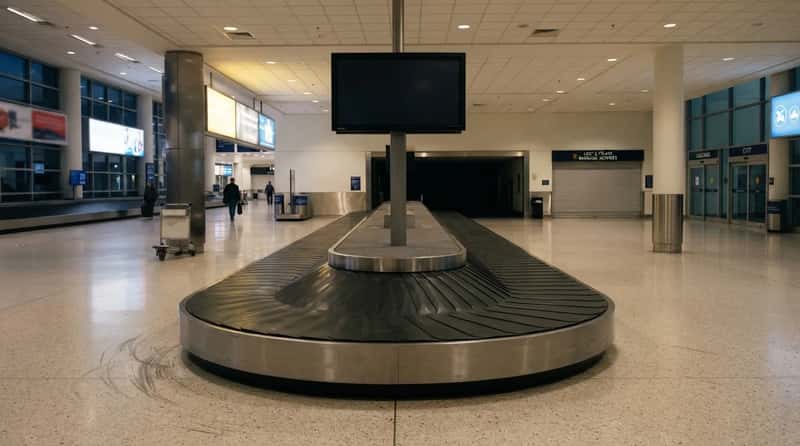
Most passengers assume a missing bag means something went wrong at their destination. Usually, it went wrong somewhere else entirely.
Transfer connections carry the highest risk: 41% of all baggage incidents happen during aircraft transfers. Tight layovers are the real vulnerability, not final-leg mistakes.
When your bag doesn’t show up, blame the connection, not the destination airport. It’s likely still sitting in a baggage room back at your layover city, or riding a later flight.
In most cases, a missing suitcase is delayed, not lost. The empty carousel is confirmation that something broke down mid-journey – and the route you chose is on trial, not the airline.
But that’s nothing compared to what #12 reveals about the bigger financial picture.
#12 – Every Mishandled Bag Wipes Out Airline Profit From Dozens of Seats
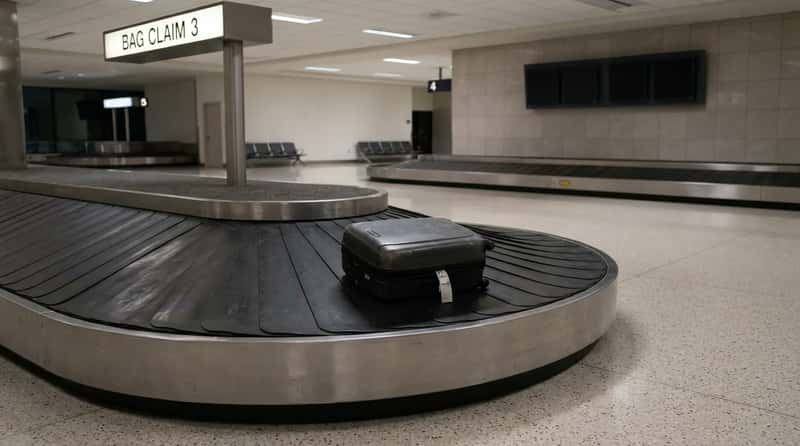
When a single bag goes missing, it feels like just an inconvenience. The financial reality is jaw-dropping.
Each mishandled bag costs an average of $260. With net profit averaging just $8 per passenger, one mishandled bag wipes out the profit from more than 30 seats sold.
Five mishandled bags erase the profit of an entire flight. That’s the math airlines desperately don’t want you doing at the carousel.
Fast Facts
- Average cost per mishandled bag: $260
- Average airline profit per passenger: just $8
- Bags needed to erase a full flight’s profit: about 5
- Industry-wide cost per year: $6.3 billion (roughly 15% of total airline profit)
Watch an unclaimed bag circle alone, and you’re watching a tiny, expensive crisis unfold in real time.
But that’s nothing compared to what #11 reveals about which bags circle the carousel first.
#11 – Priority Tags Expose Who Paid More (or Flew More)
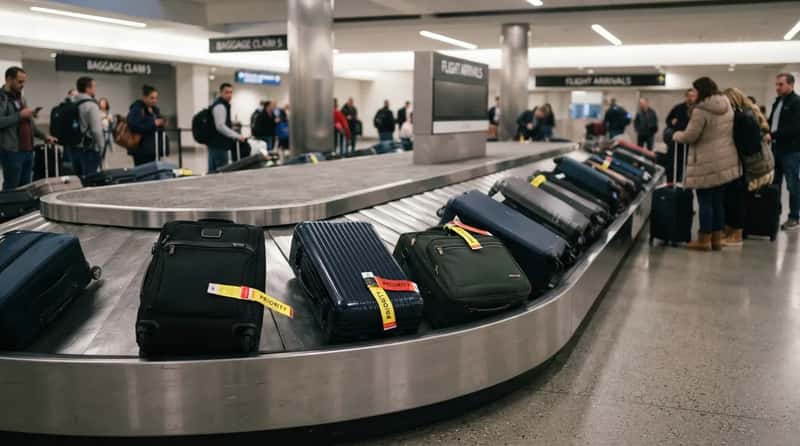
Pay attention to the first bags that hit the carousel. They’re not random – they’re a social hierarchy made visible.
Ground crews load priority-tagged bags so they surface first. These bags, marked with a colored priority tag at check-in, appear in the opening wave of luggage almost every time.
Most elite frequent flyer tiers and business class fares include this perk. If your bag comes out early, you either paid for a premium seat or flew enough to earn status.
Watching the same few bags loop the belt for 20 minutes before yours shows up? The carousel just told you exactly where you ranked on that flight.
But that’s nothing compared to what #10 reveals about the data riding on your bag tag.
#10 – Your Bag Tag Is a Full Flight Dossier
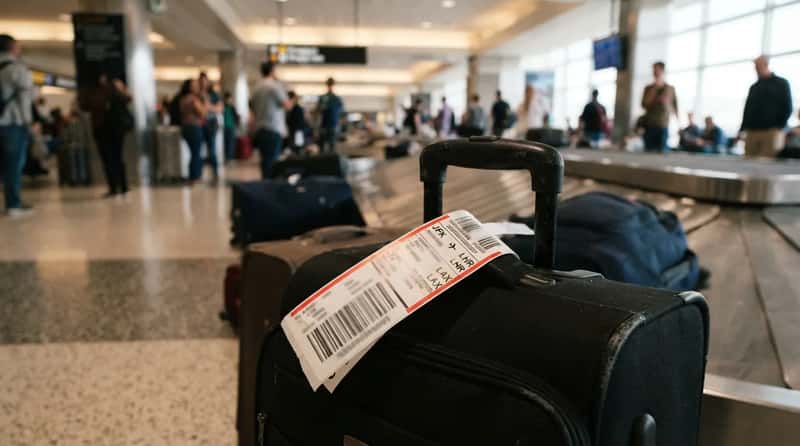
That small paper tag on your suitcase handle holds more information than most passengers realize. And not everyone looking at it has good intentions.
Luggage tags list your name, origin, destination, and flight numbers – your entire itinerary printed on a slip dangling in public. The number on it is the key detail, telling the airline exactly who owns the bag and where it’s headed.
Scammers actually watch baggage claim for travelers who toss their tags in the trash. Retrieved tags get used to file fake reimbursement claims with your stolen information.
The advice from insiders is simple: don’t rip the tag off at the airport. Take it home and shred it there.
But that’s nothing compared to what #9 reveals about the scanning system tracking your bag.
#9 – The Scanning Trail Reveals Exactly Where Your Bag Got Lost
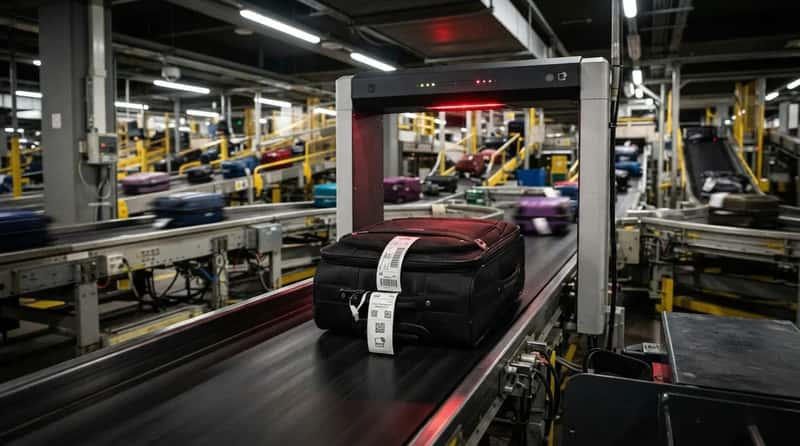
Airlines can pinpoint where a bag went wrong long before you ever file a report. They usually know the moment you start circling that empty carousel.
Each checked bag gets a barcode tag linking it to your name, flight, and claim receipt. As it moves through the system, it’s scanned at multiple checkpoints along the way.
Most major carriers now offer real-time bag tracking through their apps using RFID technology. You can literally follow your bag from check-in to the destination carousel.
Worth Knowing
- Every bag’s barcode ties directly to your name, flight, and claim receipt
- Scanners log the bag at multiple checkpoints along its journey
- Most major carriers now offer real-time tracking in their apps
- RFID scans can pinpoint the exact stop where a bag went missing
An empty carousel paired with a scan that stopped at your connecting airport tells the whole story instantly. No guesswork required.
But that’s nothing compared to what #8 reveals about how tracking technology has changed the game.
#8 – AirTags Have Changed the Power Balance Between Passengers and Airlines
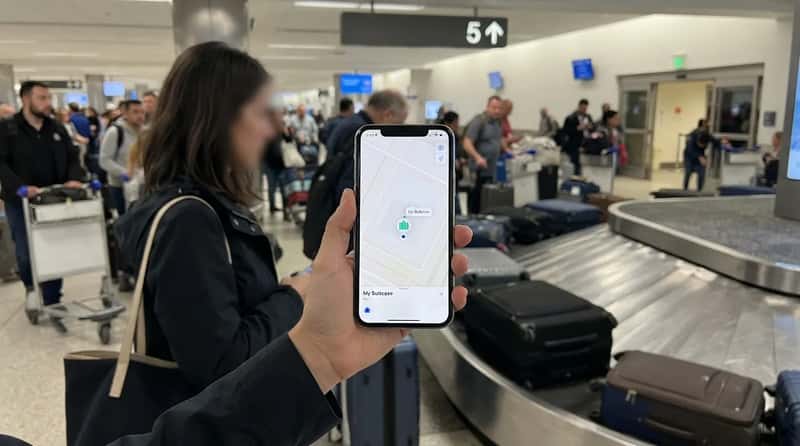
For decades, airlines held all the cards when a bag went missing. That’s quietly shifted.
In 2024, Apple’s Share Item Location feature integrated with SITA WorldTracer®. Passengers can now share their AirTag’s location directly with airlines, speeding up recovery dramatically.
British Airways, Lufthansa, Qantas, Cathay, and Virgin Atlantic have all adopted it. The system’s Auto Reflight feature can even rebook a bag onto a new flight without human intervention.
The carousel tells you your bag is missing. Your AirTag tells you exactly where it actually is – and that’s a real shift in who holds the power.
But that’s nothing compared to what #7 reveals about the legal system quietly protecting your bag.
#7 – The Empty Carousel Triggers an International Legal Framework
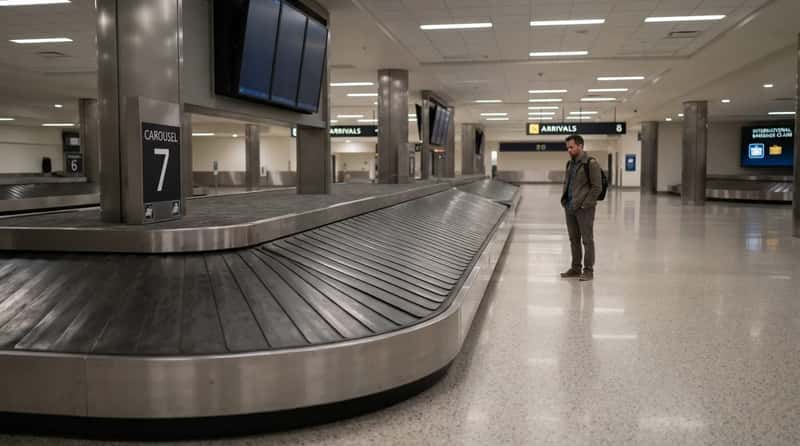
Most travelers think filing a complaint is optional. It isn’t – the moment you leave baggage claim without your bag, a legal clock starts ticking.
Since June 2018, IATA Resolution 753 has required airlines to record custody of every checked bag at four points: acceptance, loading, transfer, and arrival. That data gets shared automatically with interline partners.
Quick Compare
- Domestic flights: Governed by U.S. DOT baggage liability rules
- International flights: Often fall under the Montreal Convention instead
- Since 2018: IATA Resolution 753 requires custody tracking at four checkpoints
The empty carousel isn’t just frustrating – it’s the starting gun for a legally defined process with deadlines and liability caps. Miss those deadlines, and you can forfeit your rights entirely.
But that’s nothing compared to what #6 reveals about how quickly most bags actually come back.
#6 – Most “Lost” Bags Aren’t Lost at All – They’re Just Late
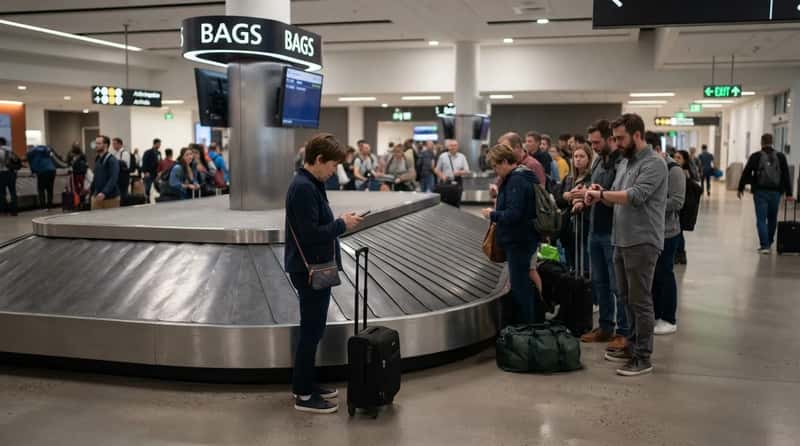
The panic that hits when the carousel stops and your bag never showed is mostly unfounded. The data backs that up.
The global baggage mishandling rate dropped to 6.3 bags per 1,000 passengers in 2024 – a 67% improvement since 2007. Delayed bags now account for 74% of all mishandling.
Lost or stolen bags make up only 8% of cases. Damaged or pilfered bags climbed to 18%.
So if your bag doesn’t appear, there’s roughly a 74% chance it’s already back in the system on a later flight. The carousel told you it’s delayed – not gone forever.
But that’s nothing compared to what #5 reveals about a mistake made before your flight even took off.
#5 – The Second Biggest Cause of Missing Bags Is That No One Loaded Them at All
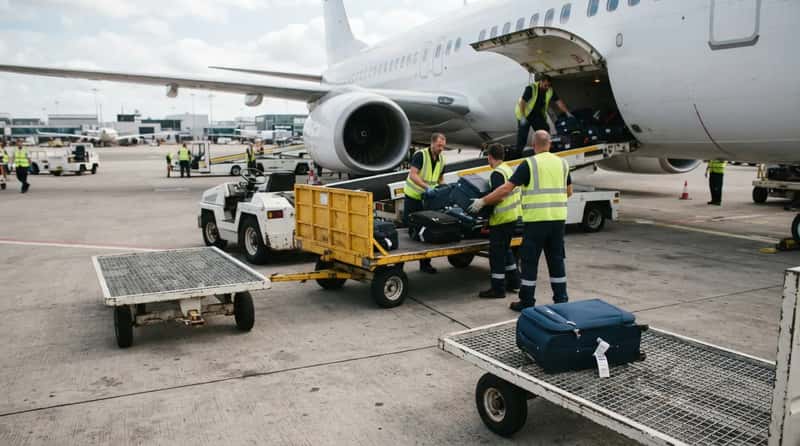
Transfer mishandling gets all the attention. But here’s the dirty secret ground crews won’t volunteer: sometimes the bag never made it onto the plane in the first place.
Baggage delay causes break down like this: transfer mishandling (41%), failure to load bags (17%), ticketing and security errors combined (16%), weather and operational factors (10%), and loading errors (8%).
That means roughly one in six delayed bags never left the departure airport at all. The ground crew simply ran out of time, space, or attention.
If your bag is missing and the scan trail shows it never left your origin city, that’s your answer. The mistake happened before your plane even pushed back.
But that’s nothing compared to what #4 reveals about the exact time you landed.
#4 – The Time You Landed Predicts Your Wait Before You Even Touch Down
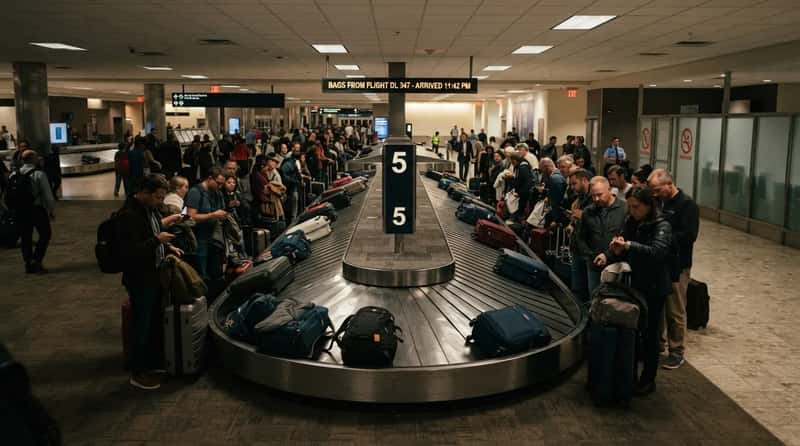
Seasoned travelers already know this one. Everyone else pays for it, every single time.
Early morning and late evening flights are often the worst for baggage delays. Airports get slammed with arrivals in tight windows, and crews split their attention across several planes at once.
This wait variability changes by airline, time of day, and season. A long wait during an on-time evening arrival isn’t bad luck – it’s a predictable result of peak-hour scheduling.
The carousel is simply showing you the downstream effect of when your flight was scheduled. Airlines know this happens and rarely warn you about it.
But that’s nothing compared to what #3 reveals about the condition your bag arrives in.
#3 – Damaged Bags Reveal How Your Cargo Hold Was Loaded
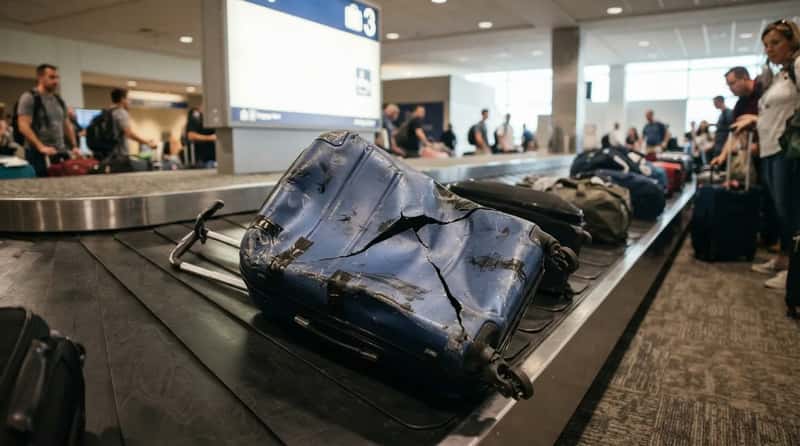
A cracked shell or a broken wheel isn’t always just rough handling. Sometimes it’s a story about weight, positioning, and what got stacked on top of your bag.
Damaged or pilfered bags rose to 18% of mishandled luggage in 2024, up from 15% in 2023 – a trend moving the wrong way even as overall mishandling improves. Heavier bags stacked on lighter ones in a packed hold is a routine, rarely-flagged cause of damage.
The shape your bag arrives in is a direct read on how carefully – or how fast – the hold was loaded. A bag that comes out bent tells you the crew was rushing, not being careless.
That’s a window into ground operations airlines would rather keep closed. But the carousel shows you anyway.
But that’s nothing compared to what #2 reveals about your overall route choice.
#2 – An Empty Carousel Is a Verdict on Your Connecting Flight Choice
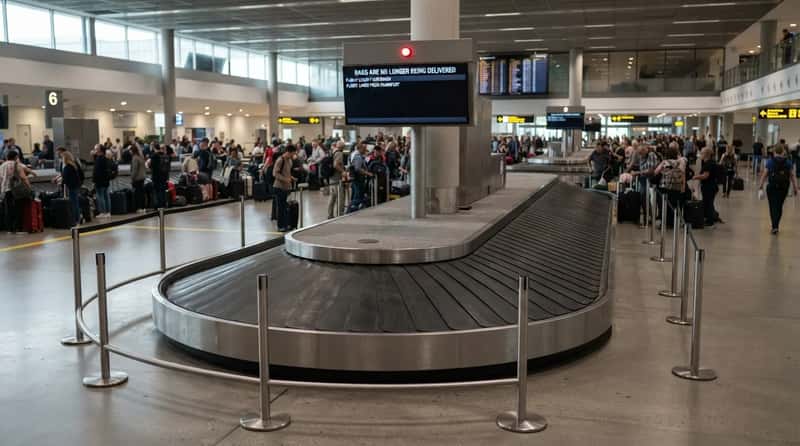
Here’s the contrarian truth frequent flyers learn the hard way: the single biggest baggage risk has nothing to do with the airline. It’s whether you booked a connection at all.
SITA reports that transfers caused 39% of baggage mishandling in 2025. A connecting bag moves between flights, systems, and handlers within a tight window, and every handover is another chance for failure.
The shorter your layover, the higher the risk. A standing-room-only carousel with your bag conspicuously absent is the verdict on that booking decision – not bad luck.
No airline has a perfect record, but travelers can tip the odds dramatically by choosing direct flights. The carousel doesn’t lie about where the problem started.
But nothing tells you more about your entire flight’s ground operation than what #1 reveals. This one changes how you’ll read every baggage claim for the rest of your life.
#1 – How Long the First Bag Takes to Appear Tells You Everything
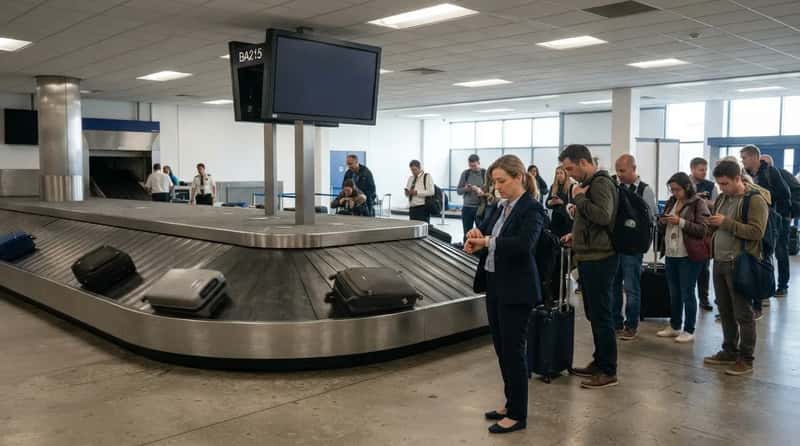
Here it is – the signal veteran travelers watch for the second they walk through the arrivals door. The clock starts the moment your flight parks at the gate.
Baggage claim usually takes 15 to 45 minutes after landing. According to a former baggage handler, delays are usually caused by behind-the-scenes airport operations, not passenger count.
Most of the time it comes down to staffing shortages, weather restrictions, or airport logistics. The plane itself is rarely the real problem.
Quick Compare
| Airport | Typical Wait | Why |
|---|---|---|
| Phoenix Sky Harbor | Often under 15 minutes | Short taxi distances, compact terminals |
| Miami International | 30-45 minutes | Heavy international traffic, large flight batches |
Some Phoenix passengers report bags appearing before they’ve even reached the carousel. Miami tells the opposite story, with long waits considered completely normal there.
If the first bag takes more than 25 minutes, something went sideways on the ramp. Gate distance, staffing, aircraft type, and connecting complexity all converge into that single unmistakable moment when the belt finally starts moving.
The Bottom Line
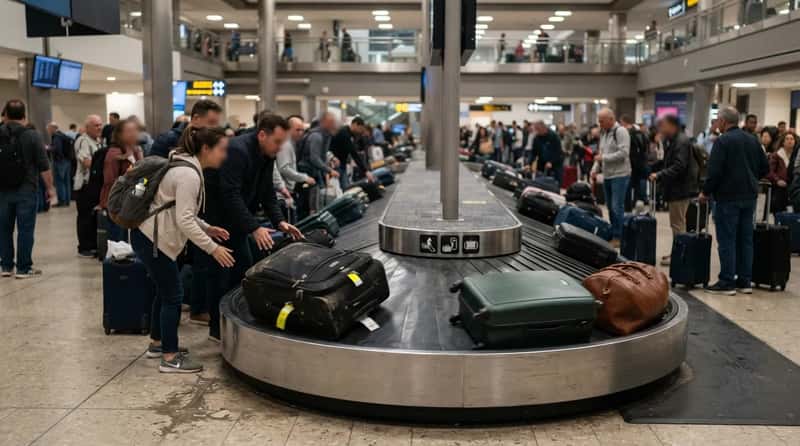
Baggage claim isn’t passive – it’s informative. The wait time grades the ground crew, and the first bags off the belt rank the passengers.
A missing bag fingers the connecting airport as the culprit. Damaged bags expose how fast, and how carelessly, the hold was packed.
Mishandling still costs the industry $6.3 billion a year – $260 per bag – and transfers remain the number one cause. Next time you’re standing at the carousel, you’re not just waiting.
You’re reading a full operational report on your flight. The question is: did your airline pass?
Drop your worst baggage claim story in the comments – did we miss a signal you’ve learned to watch for?