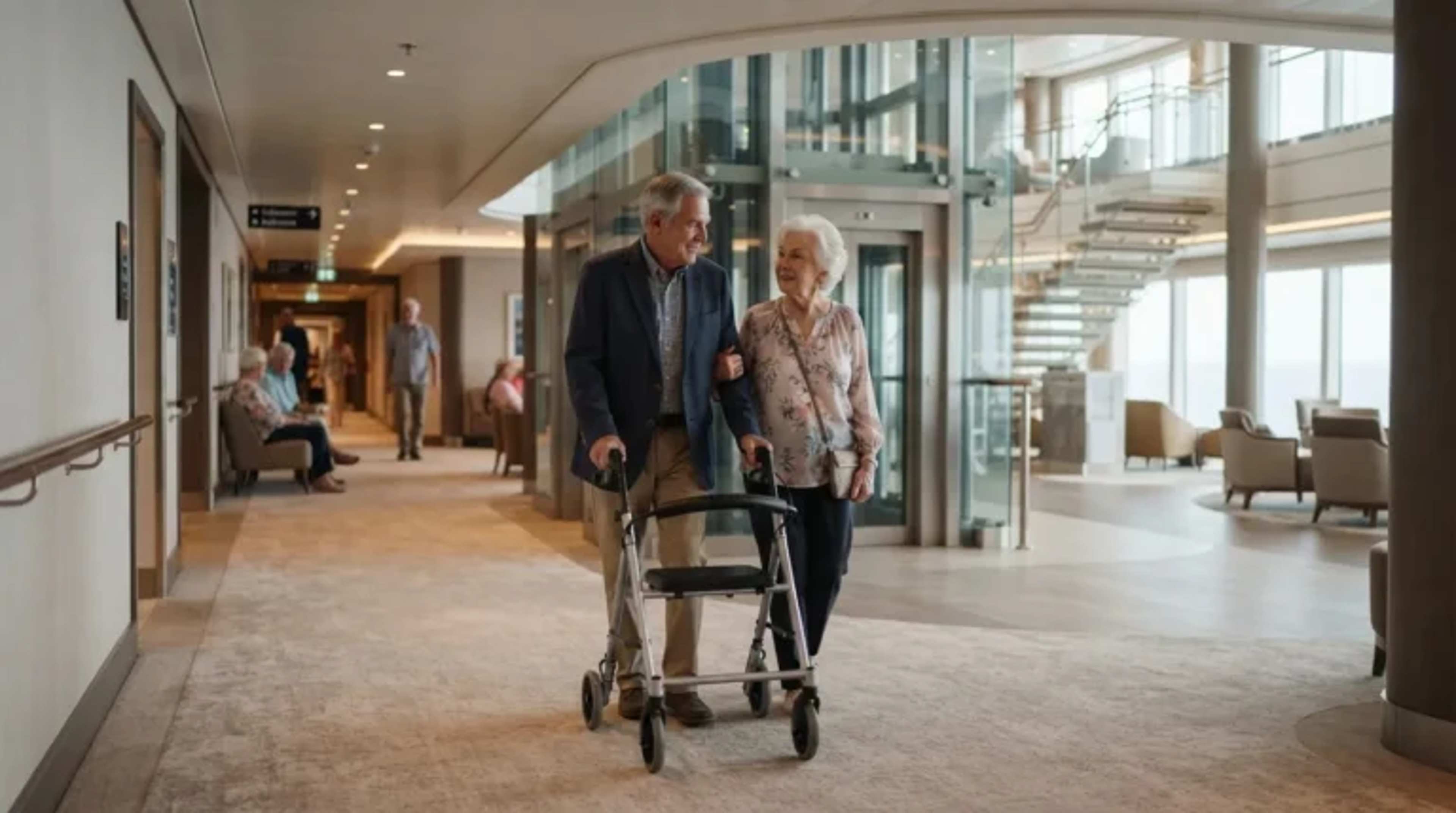
Most people over 60 walk into the airport security line the same way they always have – shoes already half off, belt loosened, quietly hoping the scanner doesn’t beep. What almost none of them realize is that trained TSA officers are already running a very specific mental checklist the moment an older traveler steps into view. Some of it is about threat detection. But a surprising amount of it is about identifying travelers who qualify for accommodations, exemptions, and modified procedures that nobody ever announces out loud.
The gap between what most travelers over 60 actually experience at the checkpoint and what agents are quietly watching for is wider than anyone talks about. Some of these 16 things will slow you down if you don’t know about them. Others will speed you up dramatically – if you do. All of them are real, documented, and happening at checkpoints across the country right now.
#16 – Whether You’re 75 or Older (and Quietly Qualify for Expedited Screening)
The very first thing a trained TSA agent clocks when an older traveler steps into line is a rough estimate of age – specifically whether that person appears to be 75 or older. This matters because federal TSA policy provides a specific tier of modified screening for that age group. It’s not a rumor or a courtesy. It’s official federal protocol: passengers 75 and older are eligible for expedited screening, which means keeping shoes and light jackets on.
Most agents won’t announce this to the whole line. They’ll simply route the traveler appropriately – or watch as the traveler removes their shoes anyway, out of sheer habit. Millions of qualifying seniors go through the slower, more stressful standard process every single year simply because no one told them they didn’t have to. Knowing your age group qualifies is the first and easiest win at any checkpoint.
Fast Facts
- Passengers 75+ may keep shoes and light jackets on during standard screening – official TSA policy, not a courtesy.
- If the detector alarms, seniors 75+ are allowed a second pass before a pat-down is required.
- TSA screened more than 904 million passengers in 2024 – yet most qualifying seniors still remove shoes out of habit.
- This exemption applies in standard lanes; TSA PreCheck lanes have their own (even faster) rules.
- You don’t need to prove your age – agents use visual assessment to route travelers appropriately.
#15 – Signs of Mobility Difficulty Before You Even Reach the Bins
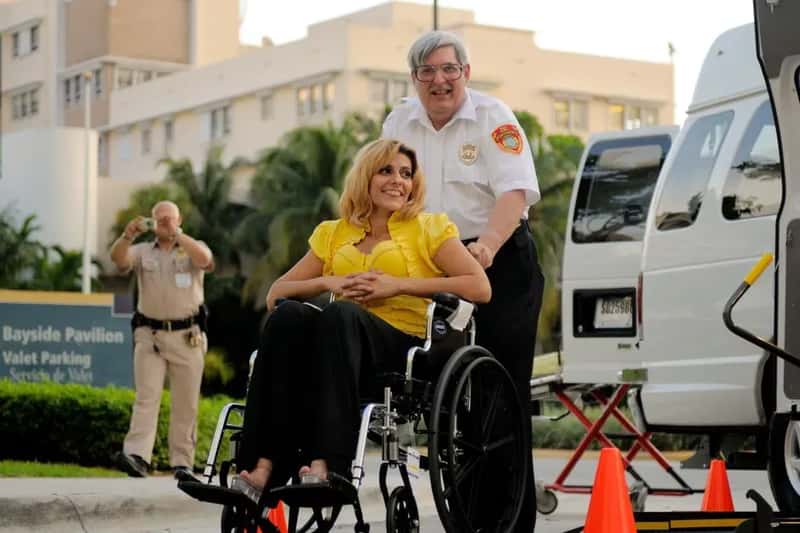
Experienced agents start reading a traveler’s physical capabilities long before they reach the conveyor belt. They’re watching for a slower gait, uneven balance, visible pain when bending, or hesitation before stepping toward the scanner. This isn’t profiling – it’s how TSA identifies passengers who may need modified procedures before things get awkward or stressful at the machine itself.
Agents who spot mobility challenges early can quietly prepare that lane, alert a colleague, or set up a seated option before the traveler even gets there. The problem is that travelers who don’t know to ask – or who push through without saying anything – often end up in unnecessary discomfort that was completely avoidable. A simple heads-up to the agent at the start of the line changes the entire experience.
#14 – Whether You’re Carrying a Mobility Aid That Needs Special Handling
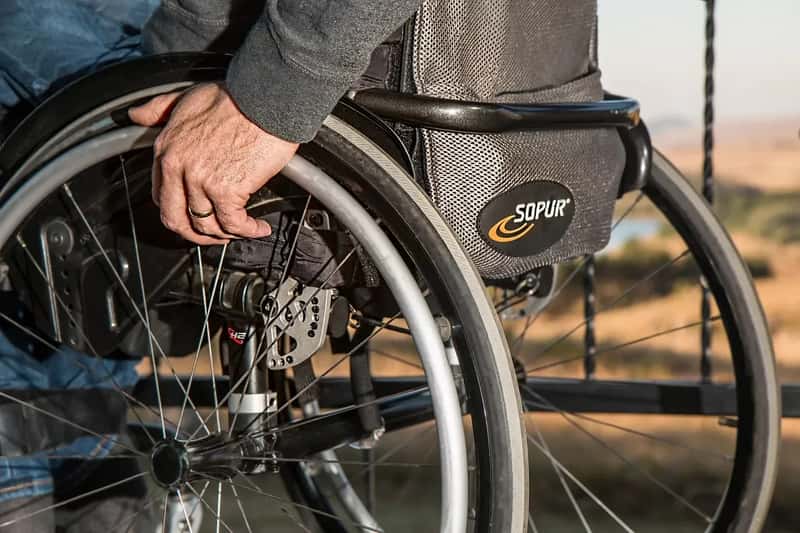
Canes, walkers, crutches, and wheelchairs all trigger a specific sub-process at the checkpoint. Agents are trained to spot these items the moment a traveler enters the queue so they can prepare the right screening pathway. What most people don’t realize is that the mobility aid itself needs to be screened – walkers, canes, and crutches will be X-rayed or hand-inspected without exception, even for travelers who are otherwise exempt from standard screening steps.
If you use a scooter or your own wheelchair, an agent will hand-inspect it and may test it for traces of explosives. Any bags or satchels attached to the device must be removed and placed on the X-ray belt separately. Agents flag travelers who look unsteady the moment their cane or walker is taken for screening – they’re supposed to offer an arm or a chair during that window – but many travelers don’t realize they can ask for it. Ask anyway.
#13 – Oversized Liquid Medications That Are Actually Exempt from the 3-1-1 Rule

Here’s one that catches a huge number of older travelers off guard – in both directions. Agents are trained to watch for large liquid containers being pulled out of bags, and their job is partly to flag them and partly to recognize which ones are legitimately exempt. The standard 3-1-1 rule simply doesn’t apply to medically necessary liquids. You can carry liquid, gel, cream, and aerosol medications in your carry-on even when they exceed 3.4 ounces – that’s official TSA policy.
The catch is that you have to declare them. Medications should be clearly labeled, and anything over 3.4 ounces must be separated from your other carry-on items and declared to the officer as a medical necessity. Agents watching an older traveler nervously shove a large bottle of liquid medication back into their bag – without declaring it – will almost certainly pull that person aside. The fix is completely simple: pull those items out before the belt, set them separately, and say the words “medical liquid” before the agent has to ask.
At a Glance: Medical Items and the 3-1-1 Rule
- Exempt from 3-1-1: Liquid, gel, cream, and aerosol medications – any size, if medically necessary.
- Also exempt: Nebulizer liquids, ice packs for medications, and liquid nutrition supplements.
- Still required: Declare oversized medical liquids separately at the checkpoint before screening.
- Watch out: Unlabeled bottles or pill organizers without original packaging draw extra scrutiny every time.
- Pro move: Two words – “medical liquid” – before the belt loads clears most issues instantly.
#12 – Whether You Have a TSA Notification Card (Most Agents Are Hoping You Do)
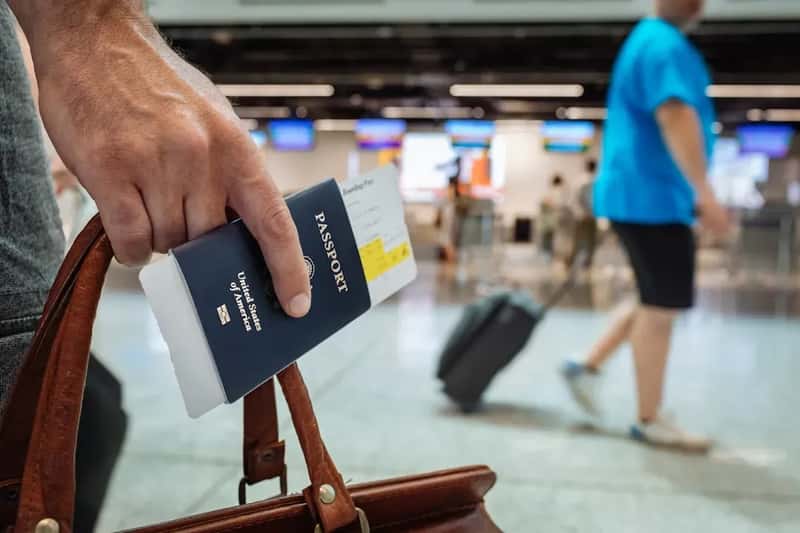
Not many travelers over 60 even know this card exists. The TSA Notification Card is a physical card that travelers with medical conditions, disabilities, or implanted devices can carry and hand to an agent at the start of screening. It specifies your health conditions, disabilities, or medical devices that may affect screening – and handing it over triggers the correct modified pathway immediately, without a lengthy back-and-forth conversation under pressure.
From an agent’s perspective, this card is a genuine gift. It removes all ambiguity and speeds up the process for everyone. Agents who see an older traveler reaching for a card at the checkpoint will typically move that person to the appropriate lane right away – no secondary screening guesswork required. Travelers who don’t have one can still request accommodations verbally, but the card makes everything faster. You can download and print it directly from the TSA website before your next trip.
#11 – Pacemakers, Defibrillators, and Other Implanted Cardiac Devices
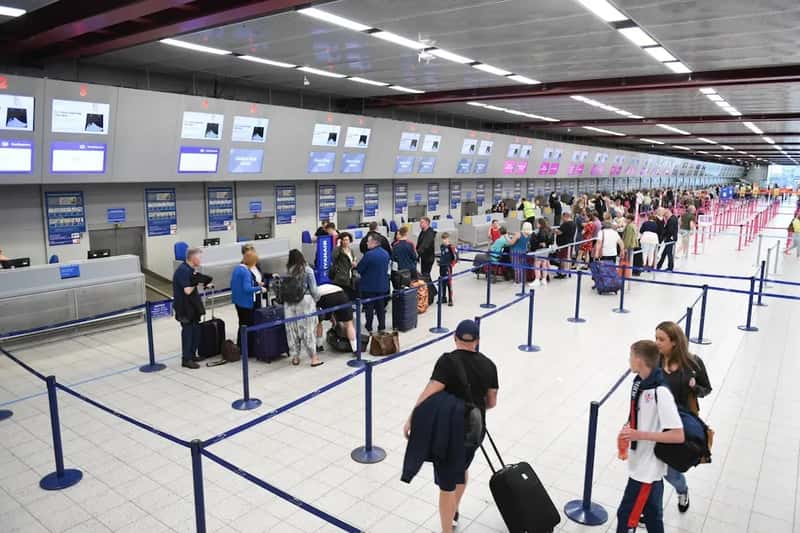
This is one of the most consequential things an agent watches for with older travelers, and most people handle it wrong. If you have a pacemaker, defibrillator, or other internal cardiac device, you should not go through a standard walk-through metal detector – and you need to say so before you get to the machine, not after it alarms. Informing the TSA officer before screening triggers the correct alternative pathway and avoids a confusing, stressful situation at the detector entrance.
The good news: a 2019 study published in Heart, Lung, and Circulation confirmed that people with cardiac implantable electronic devices can undergo airport screening without harm to their devices. But if a traveler says nothing and the detector alarms, agents are now required to conduct a manual pat-down – a longer, more involved process that the simple disclosure would have bypassed entirely. Experienced agents recognize the hesitant pause at the detector entrance. That’s almost always someone who knows they have a device but hasn’t spoken up yet.
#10 – Hearing Aids and Cochlear Implants That Might Trigger an Alarm
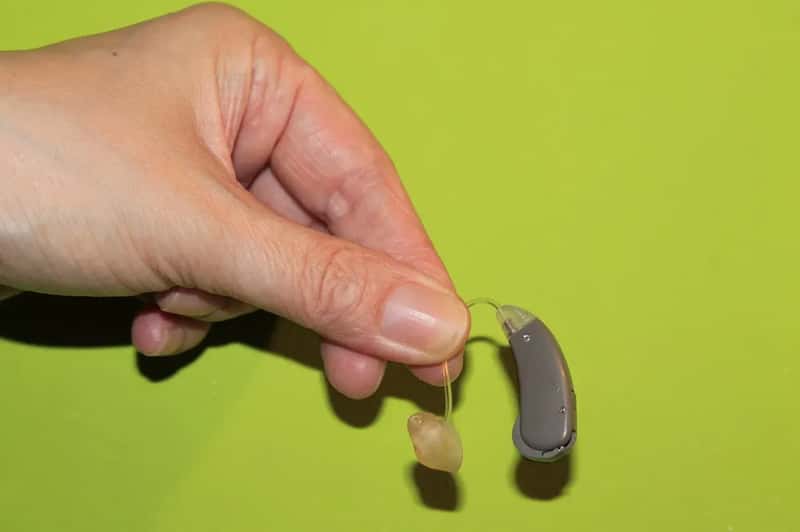
Agents watch for small devices worn at the ear or behind it, because hearing aids and cochlear implants can – and do – set off screening alarms. Most travelers wearing them have no idea that’s even possible. The procedure is straightforward if you disclose early: you are not required to remove hearing aids or cochlear implants, and agents are trained to work around them. But if the device triggers an alarm in the scanner, additional screening including a pat-down or device inspection may be required.
Here’s where it gets genuinely tricky. An older traveler who is also hard of hearing may not clearly hear the agent’s instructions during additional screening – especially in a noisy checkpoint. Experienced agents are trained to watch for exactly that communication gap. When they notice a traveler struggling to follow verbal cues, they’re supposed to use clear visual signals, position themselves face-to-face, or ask a travel companion to assist. But this only works smoothly when the agent knows a hearing device is in play from the start.
Worth Knowing: Hearing Devices at the Checkpoint
- Hearing aids and cochlear implants do not need to be removed – ever.
- They can trigger scanner alarms, leading to additional screening if not disclosed upfront.
- Tell the agent before you enter the scanner – three seconds of disclosure prevents several minutes of confusion.
- Agents can use face-to-face positioning and visual cues for travelers who cannot clearly hear instructions.
- A travel companion can relay instructions during additional screening – just ask the agent directly.
#9 – Nervousness That Doesn’t Match the Situation
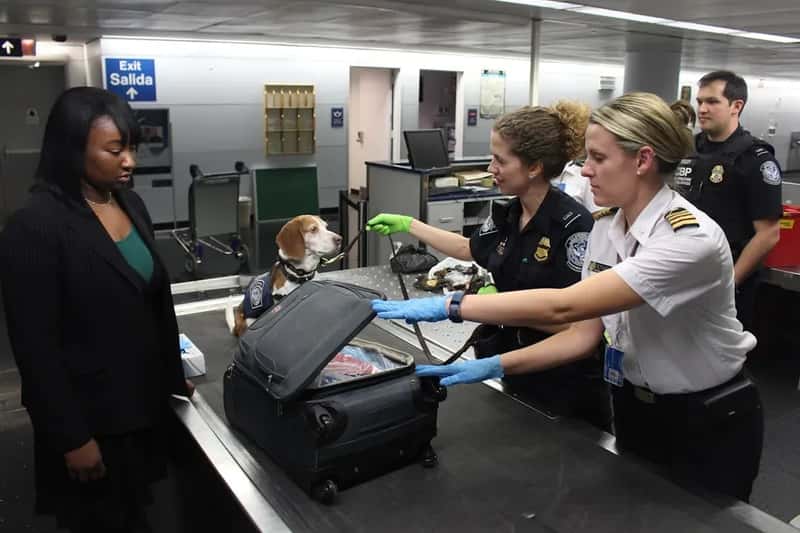
Every seasoned TSA agent knows that airports make a lot of people nervous. That’s completely normal, and agents factor it in. What they’re actually watching for is nervousness that doesn’t fit the context – stress that seems disproportionate to simply standing in a security line. TSA uses behavioral detection as part of its screening approach, and involuntary physical signs of stress are part of what trained officers observe across all travelers, not just older ones.
For travelers over 60 specifically, agents are also watching for a different kind of stress signal: confusion, disorientation, or anxiety that may indicate a cognitive condition like early-stage dementia. Passengers with non-visible conditions such as Alzheimer’s or dementia can be screened without being separated from their traveling companion – a policy most families don’t know exists. Agents who spot signs of cognitive distress are trained to slow down, simplify their instructions, and bring in a Passenger Support Specialist if needed. The checkpoint doesn’t have to be the hardest part of the trip.
#8 – Whether a Travel Companion Is Actually Helping or Creating Chaos
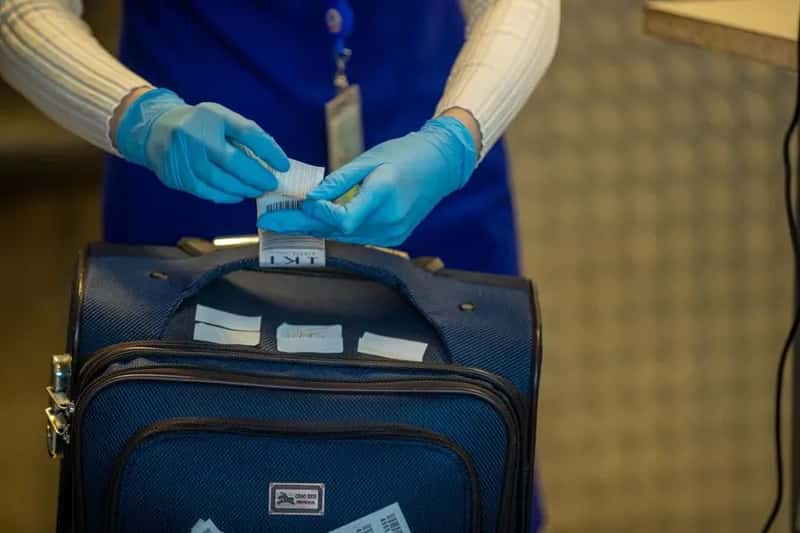
When an older traveler is accompanied by a family member or caregiver, experienced agents pay close attention to how that dynamic is playing out in real time. A companion can be enormously helpful – or can accidentally make things significantly worse. Agents watch for companions who are rushing the older traveler, answering questions on their behalf before the agent has finished asking, or creating confusion about what needs to come out of the bag.
The better approach: tell the agent upfront that your companion has a condition requiring extra time or assistance, and advise the agent on the best way to engage – particularly if a pat-down becomes necessary. You’re allowed to stay with your companion during screening to ease anxiety, and you can request a private screening room if that makes things calmer. Agents will sometimes quietly ask a companion to step back briefly so they can interact directly with the older traveler – that’s not a red flag, it’s standard procedure when the companion dynamic is adding friction instead of reducing it.
#7 – Bulky or Layered Clothing That Complicates the Scanner Reading
Older travelers tend to dress in layers – especially on early morning flights or long winter trips. Completely understandable. But it creates a real challenge at the checkpoint that most people don’t anticipate. Bulky clothing is one of the most common reasons an otherwise simple screening turns into a pat-down, because layers make it harder for scanners to produce a clear read. Agents are trained to flag scan results that are difficult to interpret, and thick outerwear is a frequent culprit.
Here’s the nuance for travelers 75 and older: the shoe exemption applies, but the jacket exemption only holds in certain configurations. In standard lanes, removal of outerwear is still required for Advanced Imaging Technology screening, even for passengers over 75. That means seniors in multiple heavy layers are still asked to remove jackets, which adds time. If you’re traveling in the colder months, wearing minimal metal and avoiding very thick outer layers on travel days genuinely makes a measurable difference at the checkpoint.
#6 – Whether You’ve Declared Your CPAP or Nebulizer Equipment
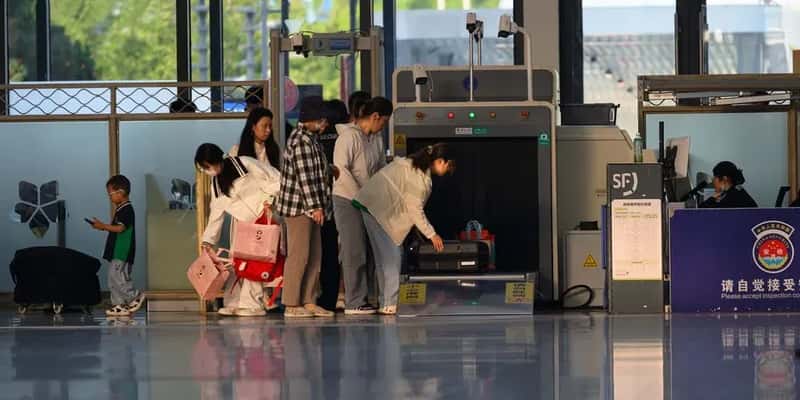
CPAP machines, BiPAP devices, and nebulizers are increasingly common among travelers over 60 – and they require specific handling that most people don’t know about until they’re standing at the checkpoint wondering why their bag was pulled. These devices need to go through the X-ray separately from the rest of your carry-on. Masks and hoses can stay in the case, but the main unit should be removed and placed in a clear plastic bag on the belt by itself.
Here’s the part that surprises almost everyone: the liquids used with a nebulizer are exempt from the 3-1-1 rule. Agents who see what looks like medical breathing equipment will typically alert a colleague and route the items through separately – but if you silently drop a CPAP onto the belt without saying anything, it creates a bottleneck that holds up the whole line. Two words before you load the belt – “I have a CPAP” – saves everyone time and typically earns you a smoother, faster path through.
Quick Compare: Medical Device Check-In at the Belt
- CPAP / BiPAP: Remove the main unit, place in a clear bag on the belt separately; masks and hoses can stay in the case.
- Nebulizer: Screened separately; associated liquids are exempt from the 3-1-1 rule – declare them.
- Portable oxygen concentrator: Must be screened before the checkpoint; alert an agent before you reach the machine.
- Hearing aid / cochlear implant: Stays on; disclose to agent before scanner entry.
- Pacemaker / defibrillator: Tell the agent before the walk-through metal detector – not after it alarms.
#5 – Prescription Medications That Could Flag the System

This one genuinely surprises people. TSA officers can test liquids, gels, or aerosols for explosives or concealed prohibited items – and they may open medication containers and transfer pills to another container for testing. Older travelers who carry multiple prescriptions, which is extremely common, often pack them loosely or in weekly pill organizers, which makes identification much harder. An unlabeled collection of pills or a bag full of unmarked bottles will draw a second look every time.
Keeping medications in their original prescription packaging – or carrying a note from your pharmacist or doctor – removes almost all friction at the checkpoint. Pack clearly labeled medications in a bag you can easily remove and hand over separately. If you don’t want a medication X-rayed or opened, you can tell the officer that directly and they will use alternative clearance methods. Agents aren’t trying to make your life difficult here; they genuinely can’t always distinguish a legitimate medication situation from a concealment attempt on visual inspection alone. The label – or the lack of one – makes an enormous difference.
#4 – Whether You Know the Seated Pat-Down Is an Option (Almost No One Does)

One of the least-known things TSA agents quietly assess when an older traveler steps into line is whether that person can comfortably stand upright for the duration of screening. This matters because a legitimate alternative exists: a seated pat-down. Passengers with medical conditions that prevent standing or walking at the checkpoint will not be required to stand, though they will be manually inspected. Agents are supposed to make this option available – but most won’t volunteer it unless the traveler is visibly struggling.
If you are 75 or older and traveling in a wheelchair or scooter, you may remain seated while the officer conducts a hand-swab test for explosive trace. If you’re standing and in pain, you can ask to sit down during additional screening – that’s a real, documented option that almost no traveler over 60 has ever been told about. Agents who see an older traveler visibly swaying or wincing while waiting in a secondary line will often quietly suggest a chair. But knowing the option exists means you don’t have to wait to be offered it.
#3 – Signs That You’d Qualify for a Free Passenger Support Specialist
Trained agents are watching for older travelers who look overwhelmed, confused, or visibly stressed at the checkpoint – because those are the travelers who could benefit most from a service that almost no one takes advantage of. TSA’s Cares program assigns a dedicated Passenger Support Specialist to travelers who need extra help navigating the screening process. You skip the main line, get hands-on assistance organizing your items, and move through with a fraction of the usual stress.
You can request a Passenger Support Specialist by calling TSA Cares at (855) 787-2227 at least 72 hours before your departure, or by submitting a request on the TSA website. Most people only discover this service exists when an overwhelmed agent suggests it on the spot – by which point the hard part is already happening. Pre-arranging it before you leave home is a completely different experience. If you do arrive without having called ahead, you can ask any TSA officer at the checkpoint to request a specialist for you on the spot.
“Every passenger should be offered some sense of compassion without compromising security.”
Julia Perry, TSA 2023 Passenger Support Specialist of the Year, Denver International Airport
#2 – Portable Oxygen Equipment That Requires Its Own Screening Path
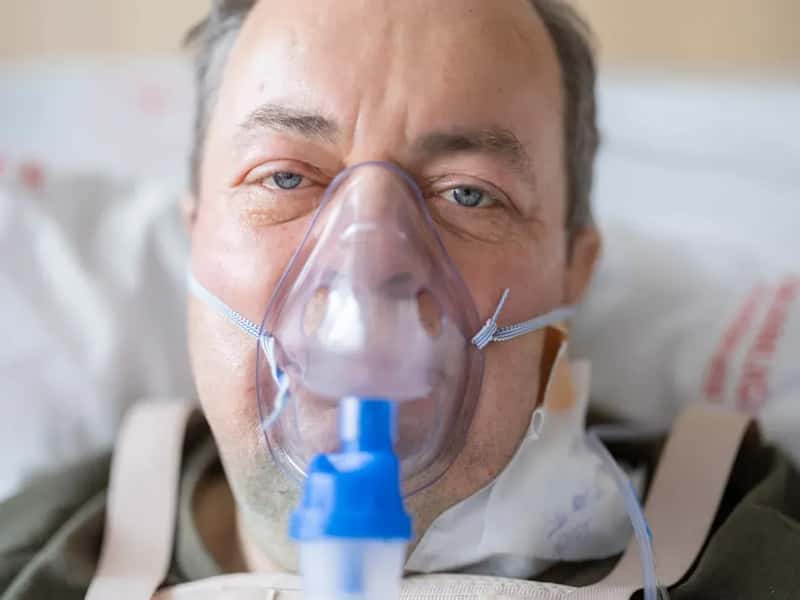
Portable oxygen concentrators and oxygen tanks have their own dedicated screening protocol, and agents are trained to spot them the moment a traveler enters the queue. Getting this wrong creates a serious delay – or a confusing confrontation about whether the equipment is even allowed on the plane. Oxygen and respiratory devices must be screened before going through the security checkpoint. If you cannot be disconnected from your oxygen supply, you need to tell the agent immediately, because that triggers an entirely different inspection process.
Before you travel, confirm with your airline that portable oxygen concentrators are permitted on board – not all carriers allow them – and check with the device manufacturer that your specific unit is approved for air travel. Ask your doctor in advance whether you can disconnect during the screening window or not. Agents who spot a traveler rolling an oxygen tank into line will typically signal a colleague immediately to prepare an alternative inspection lane. The worst possible version of this situation is waiting until you’re standing at the machine to start explaining. Arriving a few minutes early and speaking to an agent before you reach the equipment entirely changes the outcome.
#1 – Whether You Already Know Your Rights – Because That Changes Everything

Experienced TSA agents can often tell within seconds whether an older traveler knows what they’re entitled to – and it changes the entire dynamic of the interaction. Travelers who walk up confident, quietly say “I’m 75 and I keep my shoes on,” or hand over a TSA Notification Card before being asked, move through in a fraction of the time. Travelers who don’t know their options end up in longer lines, more pat-downs, and more stressful exchanges – not because of any policy failure, but because the information was simply never communicated to them.
Under the Air Carrier Access Act, travelers with disabilities are entitled to free wheelchair or ambulatory assistance throughout their airport journey – escort through security, help with carry-ons, expedited checkpoint processing, and priority boarding. That is a federal legal protection, not an optional airline perk, and the carrier must provide it upon request. The shoe exemption at 75, the seated pat-down option, the medically exempt liquids, the free Passenger Support Specialist, the pacemaker protocol – all of it is documented federal policy that almost no one mentions before you travel. The agents know all of this. The travelers who also know it move through airports like a completely different class of passenger.
Why It Stands Out: The Rights Most Travelers Over 60 Never Use
- Age 75+: Keep shoes and light jacket on – no need to ask, just say so confidently.
- TSA Notification Card: Free to download and print from tsa.gov; hands the agent your whole situation in seconds.
- TSA Cares helpline: (855) 787-2227 – call at least 72 hours out; in 2024 it assisted 69,000 travelers.
- Seated pat-down: A documented option almost no one knows to ask for – but it’s real and available now.
- Air Carrier Access Act: Free wheelchair escort, expedited checkpoint processing, and priority boarding are federal rights – not airline favors.
Most of what security staff quietly watch for when travelers over 60 step into line isn’t about suspicion. It’s about identifying who qualifies for help, who’s carrying medical equipment that needs a different path, and who’s about to go through a stressful process that could have been easy. The gap isn’t in the policy – the accommodations are genuinely there. The gap is in who actually knows about them before they’re standing at the machine. Now you do.