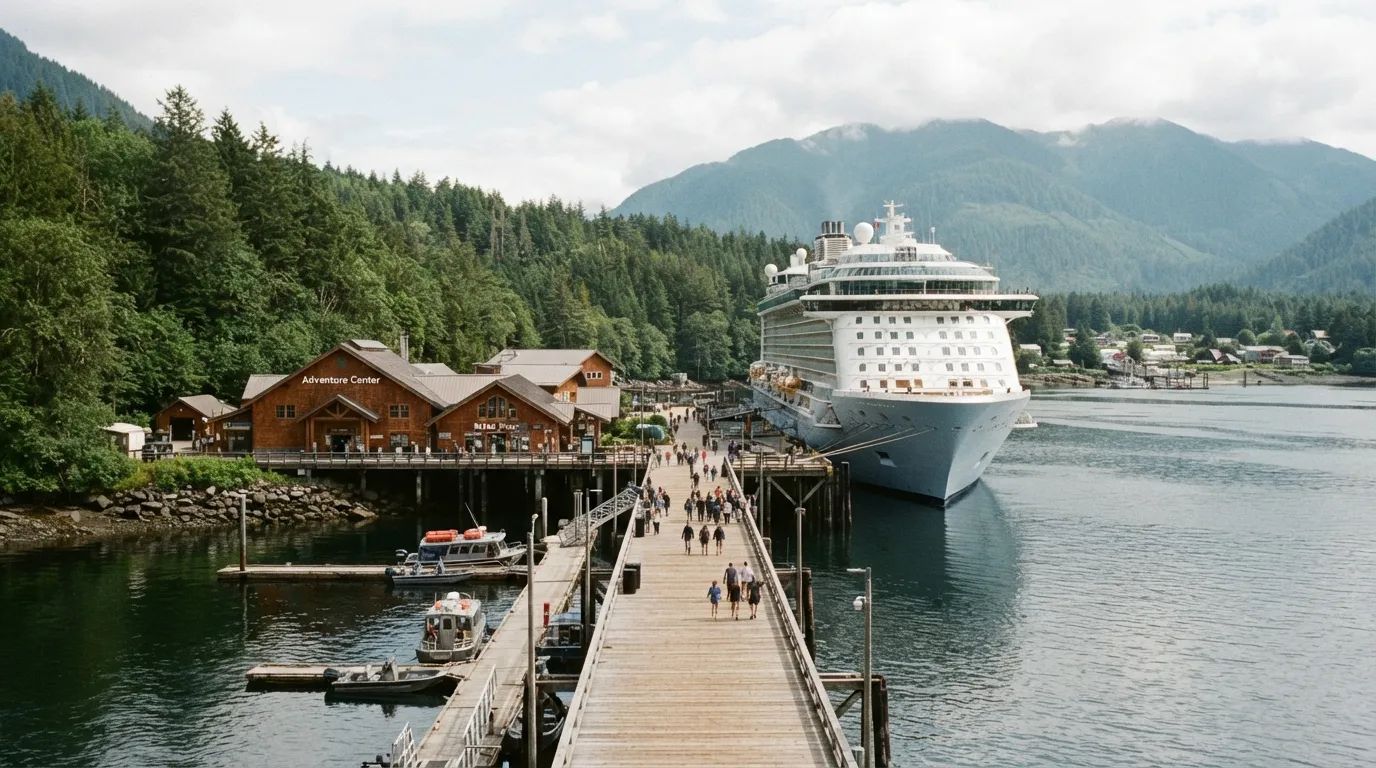
A law passed in 1886 is the reason many Alaska cruises from Seattle spend an evening in Canada. It’s one of several rules, along with daily passenger caps, park permits and a very short calendar, that shape your trip before you ever pick a cabin.
Miss them and you can end up with the wrong month, the wrong ship or a bill nobody warned you about. Stay through the last item, because it covers a move at a U.S. port that can cost you real money and that the brochure never spells out. First, the calendar, which sets your fare and your weather.
#16 – The Season Lasts About Five Months
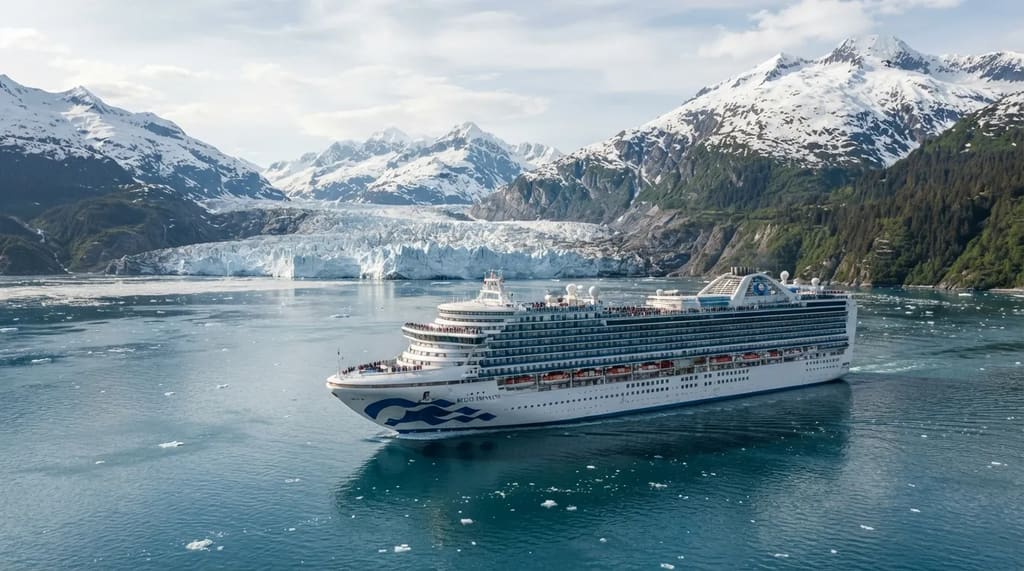
Alaska’s cruise season runs from May to September, with a few sailings in late April and early October. That short window is why your sailing month matters so much for both price and weather.
May and September often bring lower fares, plus more stateroom choices and quieter ports. But the two months don’t cost the same in other ways.
May is the smarter bargain, since it tends to be much drier. September is typically among the wettest months of the season.
Pick the month for price alone and you can still miss the animals you came for, because whales and bears keep different calendars.
#15 – Whales and Bears Keep Different Calendars
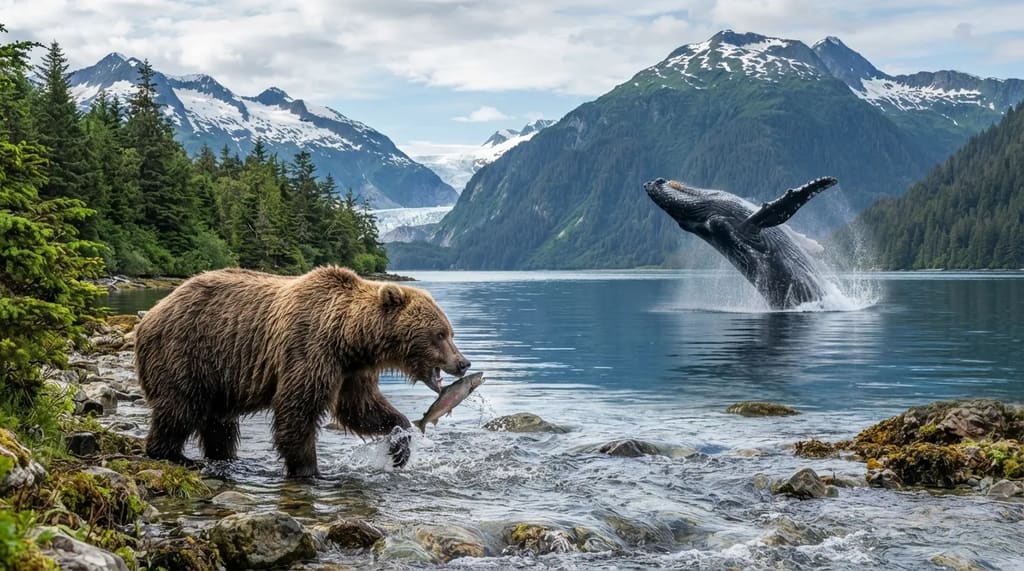
A May sailing and a September sailing won’t show you the same wildlife. Humpback whales are present from about May through September, with the most from June through September.1
Bears follow the salmon. Bears at salmon streams show up from July through early September.1
So the bear window opens later than the whale window. That May discount from the last item suits whale-watchers far better than bear-seekers.
Seeing the animals also means standing outside in a temperature range wider than the postcards suggest.
#14 – Pack for a Twenty-Degree Spread
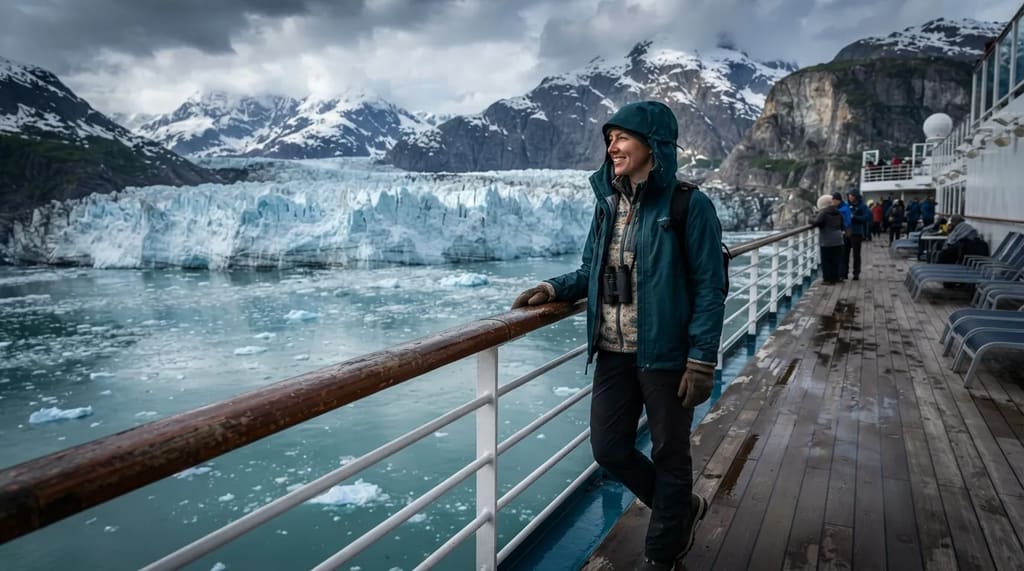
From May through September, daytime highs range from the mid-50s to mid-70s°F, with July usually the warmest. Those are daytime highs, and wind on deck or ice near a glacier can make it feel much colder.
So pack layers you can add and shed, topped with a waterproof jacket that has a hood. On a windy deck a hood beats an umbrella, and in rainy September you’ll be glad you have one.
At a Glance
- Daytime highs: mid-50s to mid-70s°F from May through September
- Warmest month: July, usually
- Must-have: a waterproof jacket with a hood
- Best strategy: thin layers you can add and shed on deck
#13 – The Northern Lights Are a Long Shot
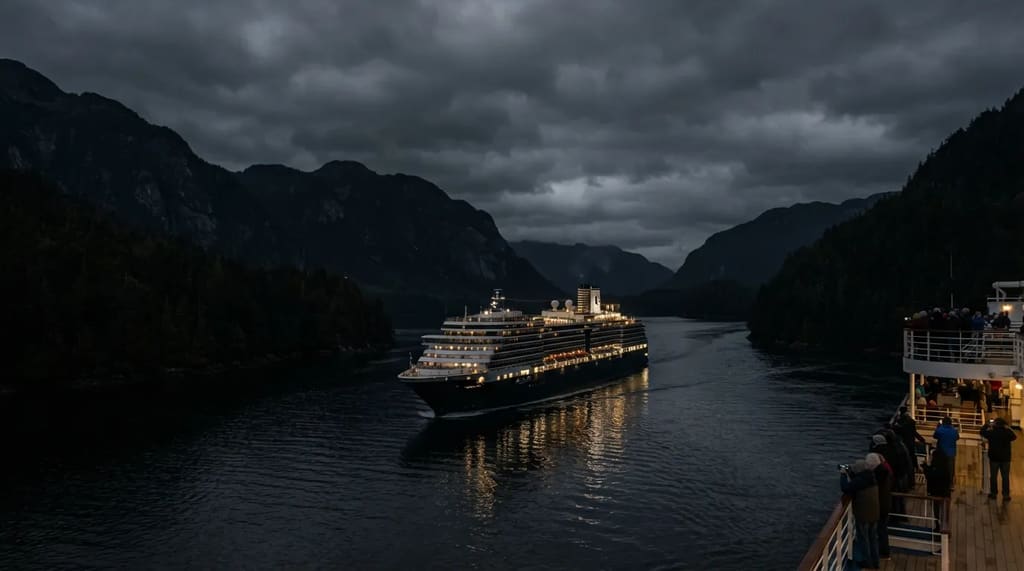
Cruise sites love to mention the aurora in September. It’s the best month of the main season for a possible sighting, but Southeast Alaska is a gamble because of cloud cover and its southern location.
Treat the aurora as a bonus, not a reason to book. Book September for the fares and the fall color, and don’t pay extra for a lights forecast the sky may not honor.
Late in the season, the bigger risk isn’t missing a light show but crossing open water.
#12 – Open Water Can Rattle the Ship
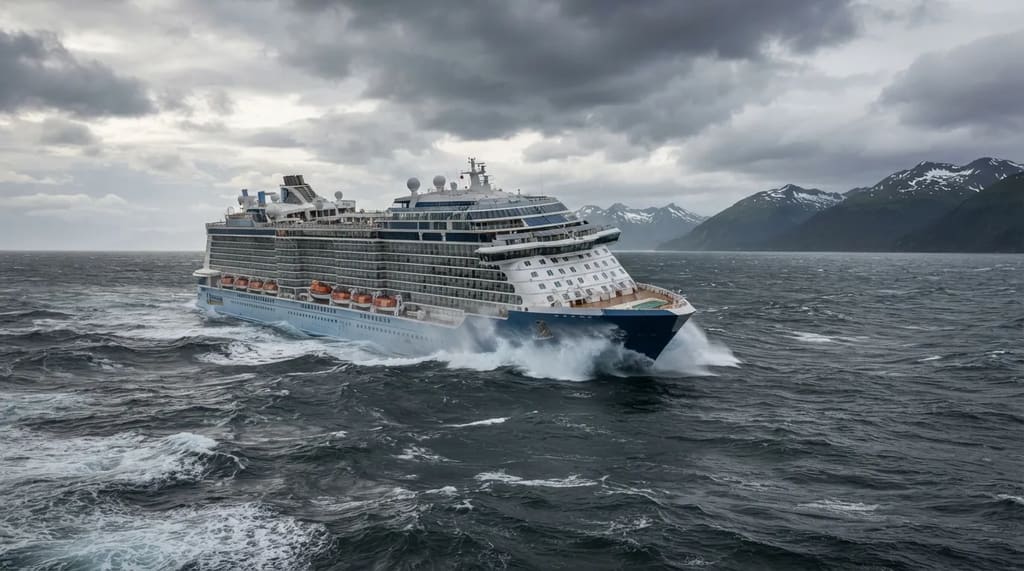
Gulf of Alaska sailings, especially in late August and September, can run into rough seas. These itineraries typically run one way between Vancouver and ports near Anchorage, so they cross more open ocean than the others.
Inside Passage round trips are a calmer bet. Vancouver round trips sail north through the sheltered channels inside Vancouver Island.
If you’re prone to seasickness, ask which route your sailing takes before you ask about the cabin.
Whichever route you choose, the shore days come with their own calendar.
#11 – Shore Excursions Run on Their Own Calendar
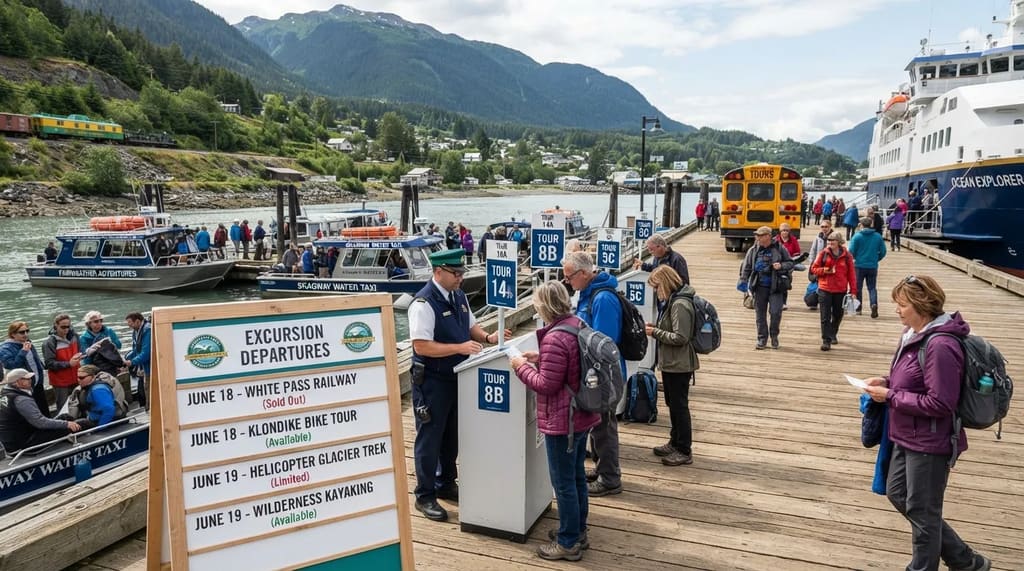
A ship sailing on your dates doesn’t guarantee every excursion will be available. June through August generally offers the widest selection of shore excursions, and many tours also run in May and September, though start and end dates vary.
That’s the catch behind the shoulder-season savings from the first item. You may pay less for the cruise and have fewer tours to choose from.
Book early for limited-capacity excursions, because those fill first. Check each tour’s dates against your exact sailing before you pay.
Worth Knowing
- June through August: the widest excursion menu
- May and September: many tours still run, but start and end dates vary
- Limited-capacity tours: they sell out first, so book early
- Before you pay: match the tour’s dates to your exact sailing
Tours aren’t the only thing with an end date, and the land portion of a trip can close sooner than the ship does.
#10 – Inland Tours Can Close Before the Cruise Season Does
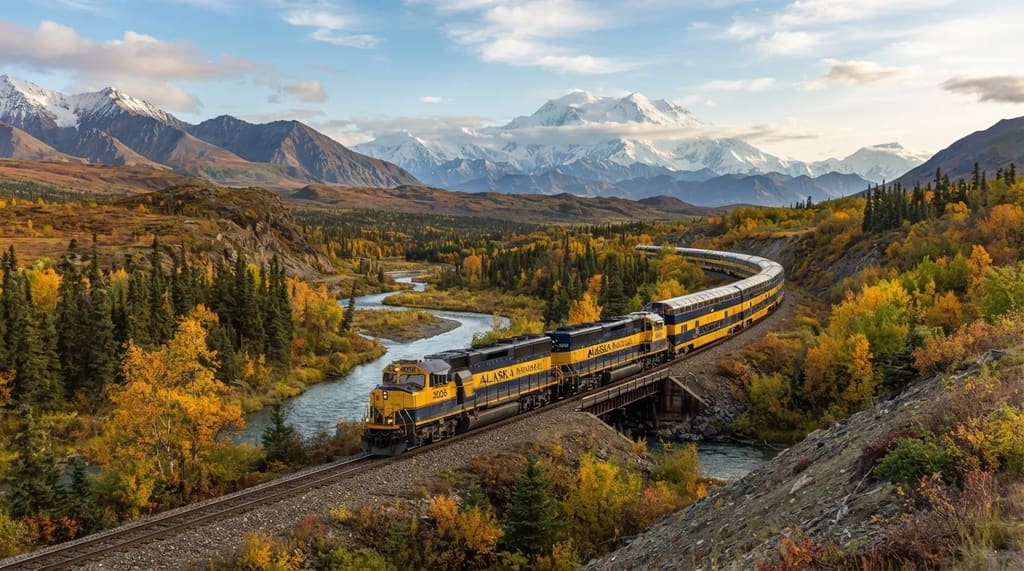
If you’re adding days around Denali, most visitor services operate between late May and early September. A late-season cruise can run right past that.
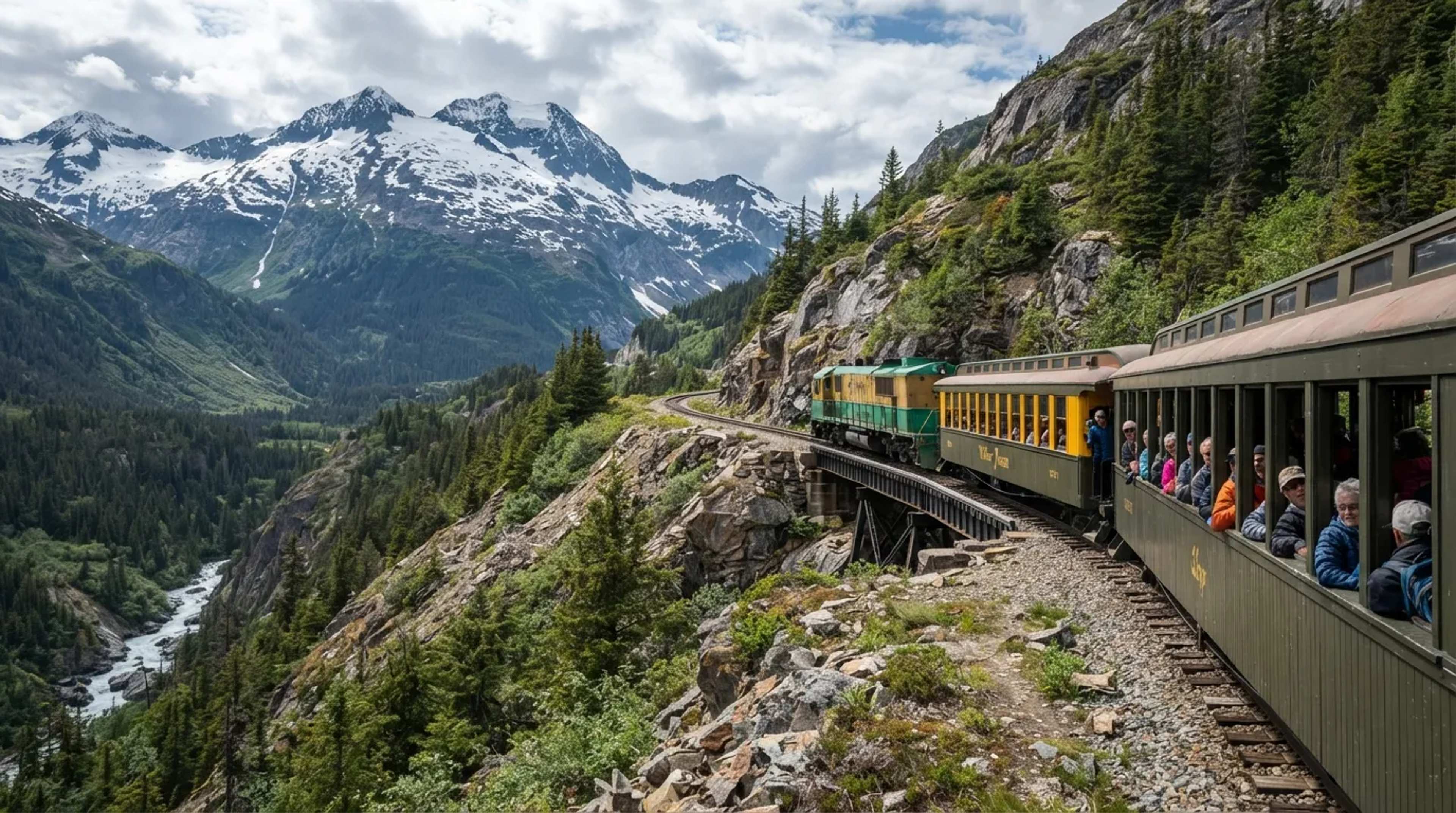
For a September cruise, exploring inland first may help you visit before summer services wrap up. Your tour might include a ride on the scenic Alaska Railroad, so ask for the land dates in writing before you lock in the sea portion.
Land stays in the United States, but the sea portion often crosses into Canada, where your phone plan behaves differently.
#9 – Canada Counts as Abroad for Your Phone
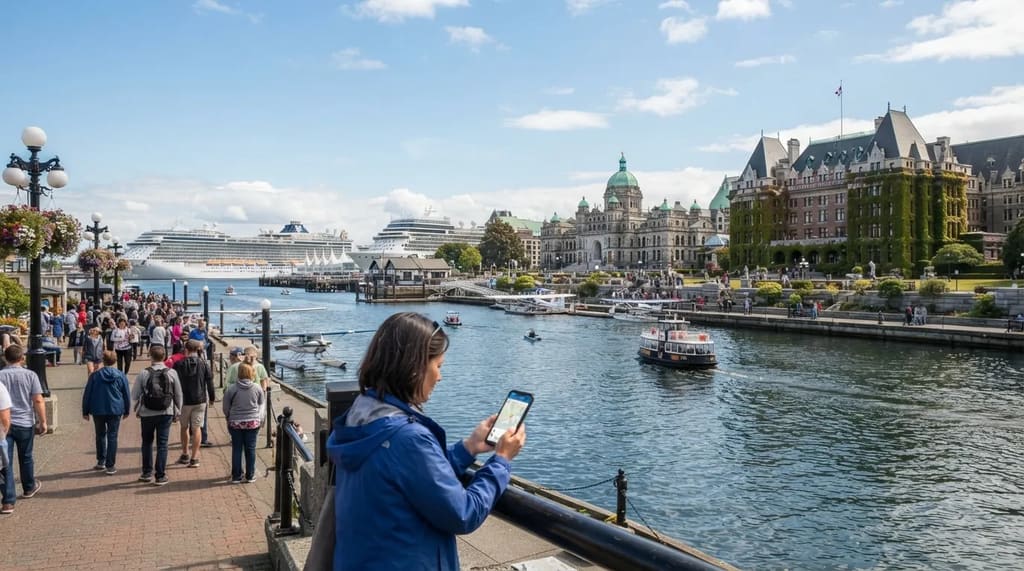
Seattle sailings stop in Victoria, and Vancouver is a Canadian city too. Your wireless plan may treat all of that as international roaming.
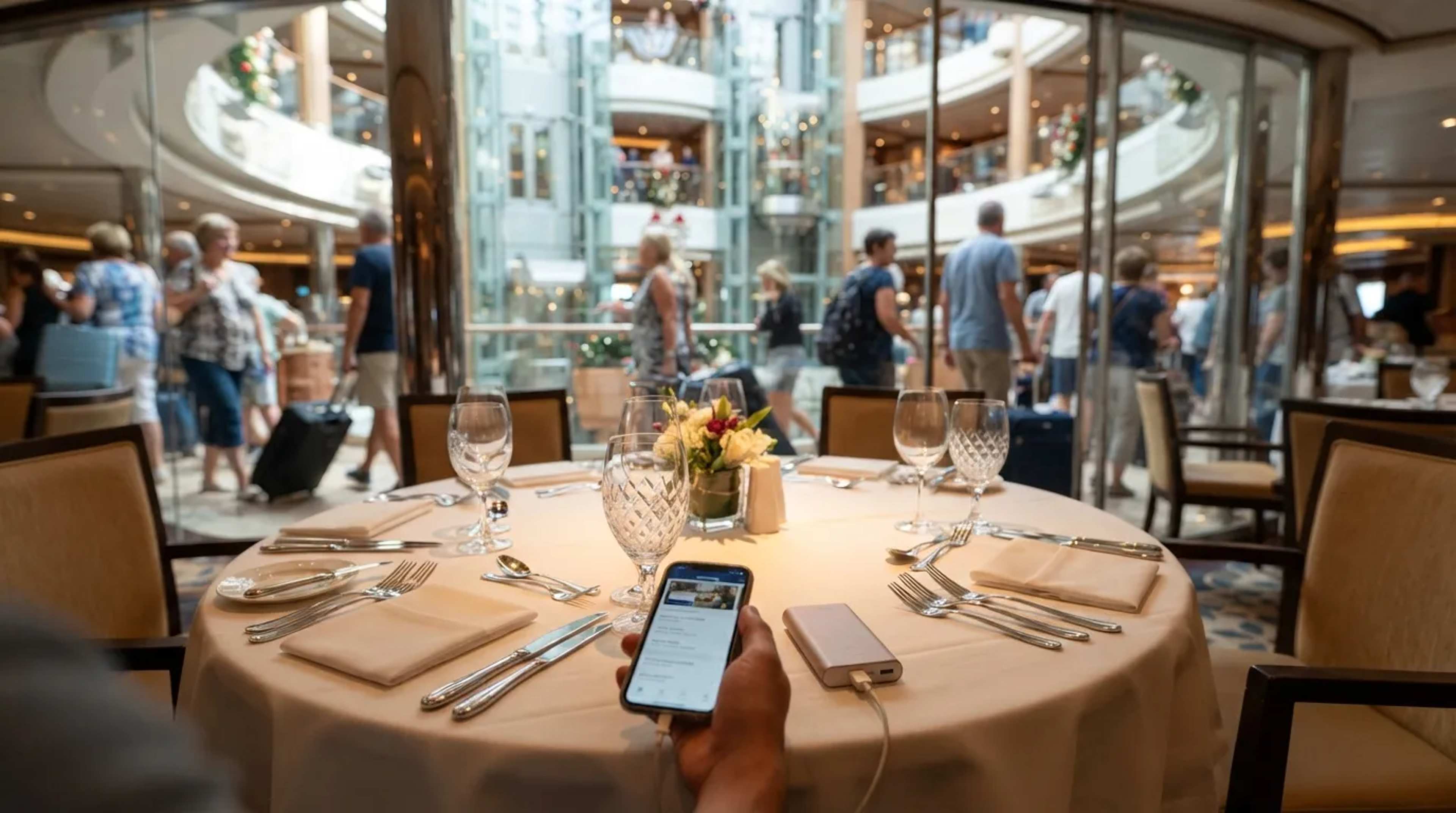
Check your carrier’s roaming terms for Canada before you board. At sea, a phone that joins the ship’s cellular network can be billed at maritime rates, so airplane mode with Wi-Fi switched on is the safe setting.
Back in U.S. ports, signal matters less than elbow room, and the busiest Alaska stop may not be the one you’d guess.
#8 – Ketchikan Is Nearly as Busy as Juneau
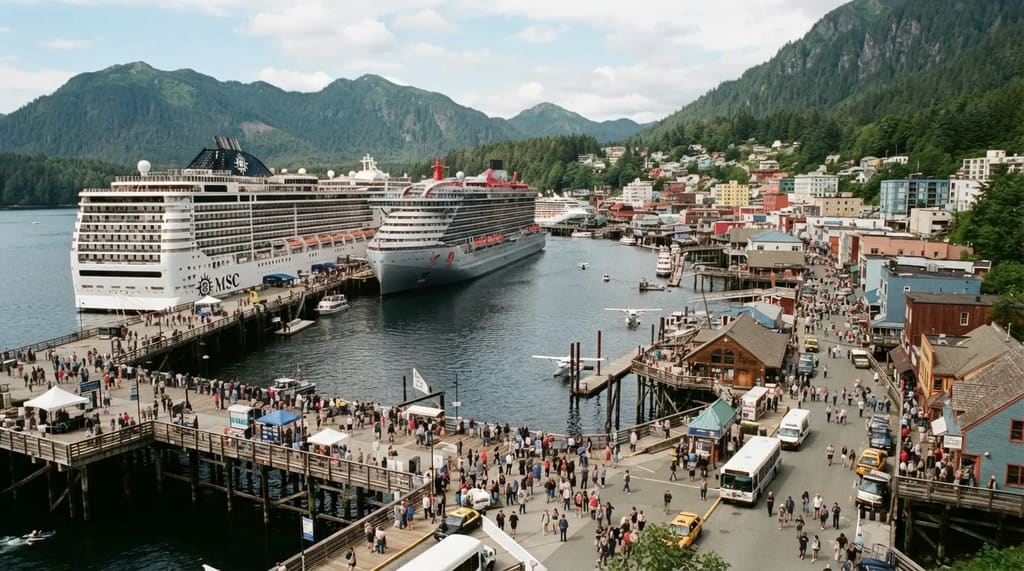
Juneau tourism leaders have noted that the rest of the region is filling up in 2026. Ketchikan, they say, is almost as busy as Juneau this year.2
MSC Cruises is sailing Alaska for the first time, and Virgin Cruise Line is coming too.2 A smaller town doesn’t guarantee smaller crowds.
Plan to hit the popular spots early or late in the day, and don’t count on a quiet back-up port. Juneau itself is the one place where crowds have a written ceiling, though it works differently than it sounds.
#7 – Juneau Caps Passengers but Not the Crowds
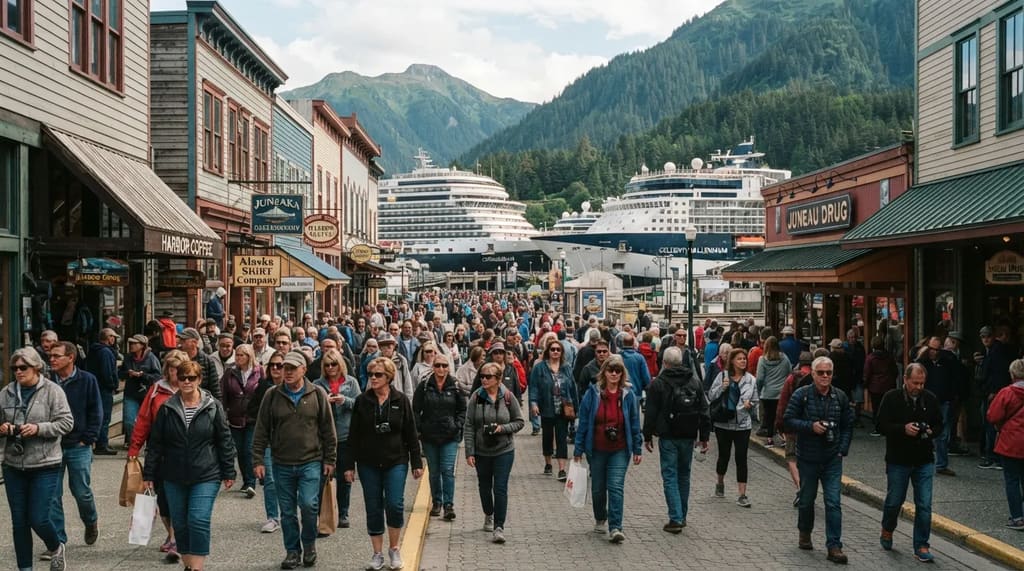
Juneau now allows 16,000 cruise passengers on most days and 12,000 on Saturdays. In previous seasons, the city could see up to 21,000 visitors on its busiest days.3
The cap smooths the peaks without shrinking the season, and recent years have still set passenger records. The limits are also voluntary, nonbinding agreements with the cruise industry.4
A Saturday call is the lightest day on paper. Don’t mistake that for empty streets.
A cap on one port pushes ships toward others, and that is already rewriting some itineraries.
#6 – Your Port List Can Shift Between Years
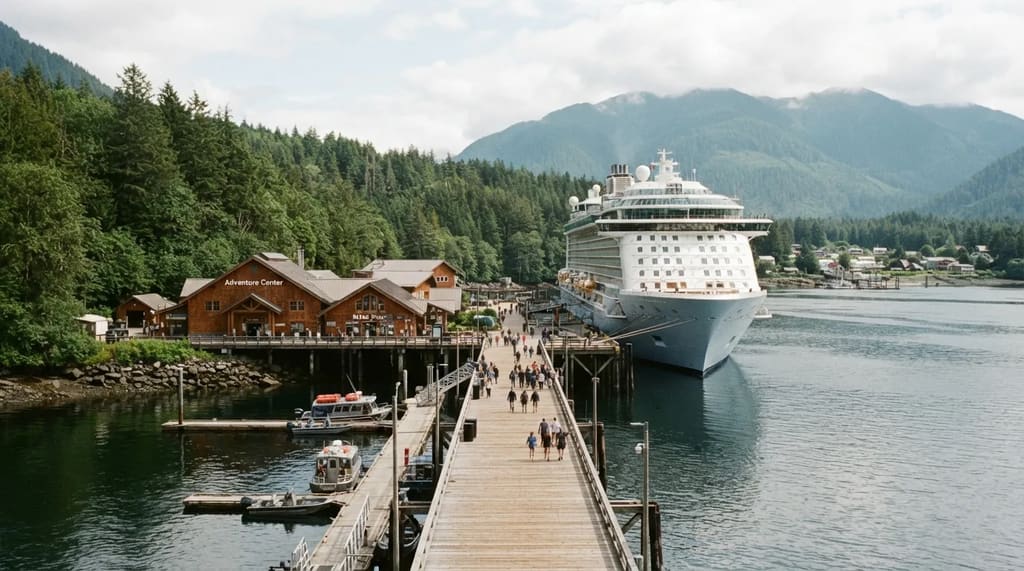
Royal Caribbean has reduced its calls at Juneau in 2026 and is scheduled to make further reductions in 2027, directing some itineraries toward alternatives including Icy Strait Point near Hoonah.5
With a ceiling on ships and passengers each day, lines have a reason to move some calls elsewhere. A friend’s trip from two summers ago is a weak guide to your port list.
Read the itinerary for your exact sailing date, not last year’s review.
#5 – One-Way Sailings Skip the Canada Stop
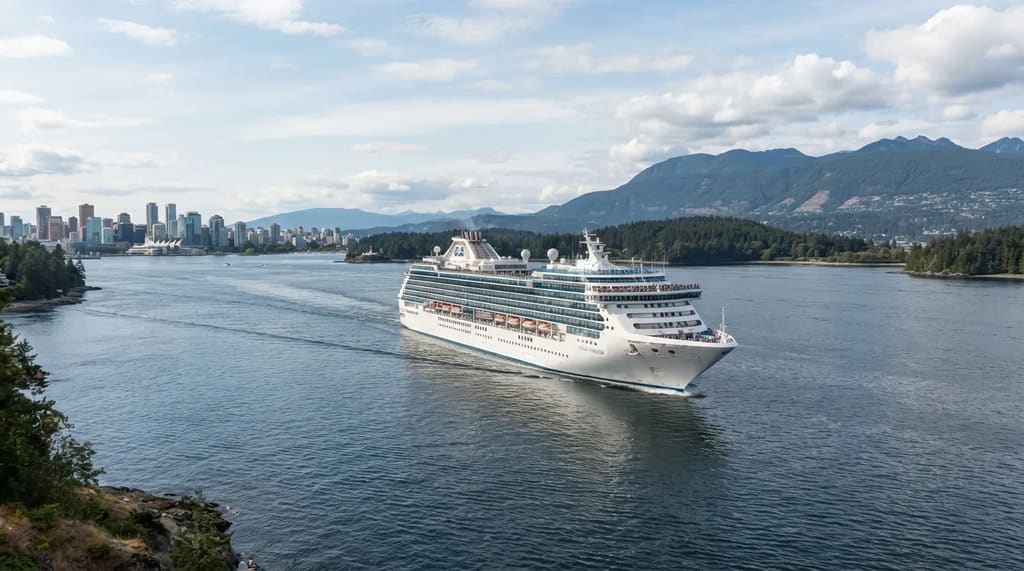
A one-way Alaska cruise that starts or ends in Vancouver needs no Victoria stop. One-way Alaska cruises start or end in Vancouver instead of Seattle, which is why they can skip the Canadian call.
The price of that is logistics. You’ll fly into one city and home from another, so compare two one-way airfares against a single round trip before you decide the cruise itself is cheaper.
Vancouver round trips don’t need a Victoria stop either, which frees a day for Alaska or for scenic cruising.
Quick Compare
- Seattle round trip: one airport, but a Victoria evening stop is required
- Vancouver round trip: no Victoria stop, so an extra day for Alaska or scenery
- One-way from Vancouver: no Victoria stop, but two separate airfares
Route choice also decides something you can’t see on the price page: whether your ship is allowed into a national park at all.
#4 – Only Some Lines Can Enter Glacier Bay
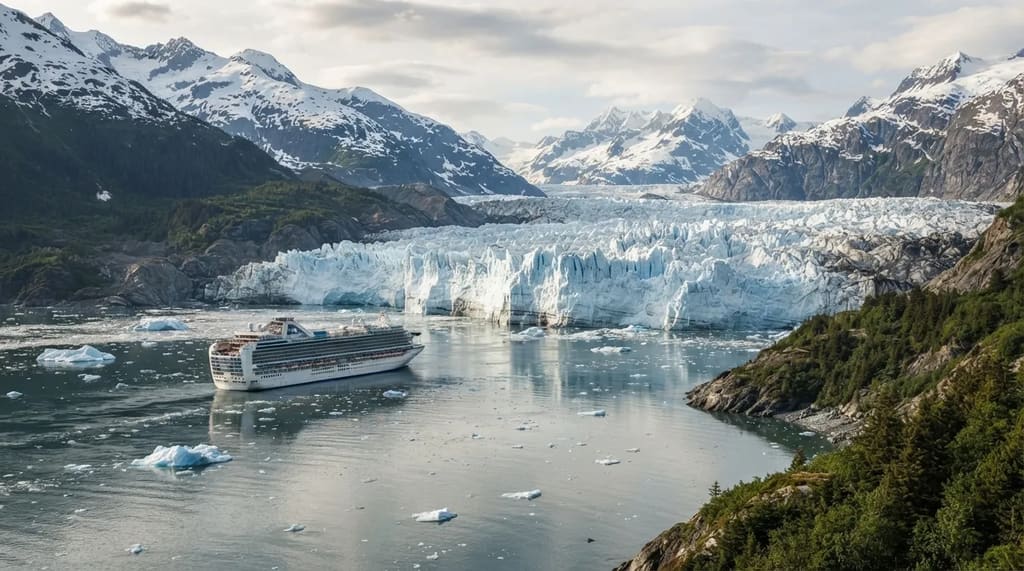
A line that advertises “scenic cruising” near a glacier isn’t offering Glacier Bay. That’s a different place entirely.
Your ship’s operator needs a National Park Service permit. Lines that have been authorized include Princess Cruises, Holland America Line, Norwegian Cruise Line, Seabourn, Cunard and Viking.
Look for Glacier Bay National Park by name in your day-by-day itinerary. If it isn’t there, you’re getting a different glacier.
Get the right ship, and the park gives you something no other stop does.
#3 – A Ranger Joins Your Ship in the Park
No more than two cruise ships per day are allowed in Glacier Bay, which is why the water feels emptier than a Juneau dock, where a five-ship daily limit is in effect.4 6
Related Stories From Travelbinger
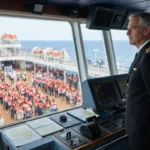

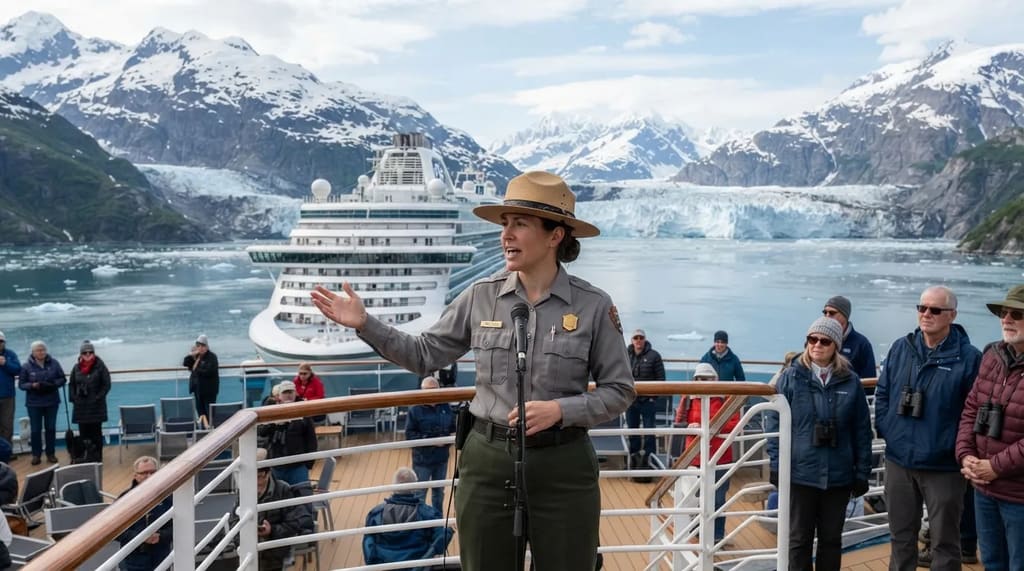
National Park Service rangers join the vessel at Bartlett Cove, and they work for the park, not the cruise line. Princess says its permitted ships spend 9 to 10 hours in the park.
Why It Stands Out
- Fewer ships: two per day at most in the park
- Park voice: rangers board at Bartlett Cove and work for the park
- Long visit: Princess says its ships spend 9 to 10 hours inside
- No town: the ship itself is the day’s destination
Plan your day around the ranger commentary instead of a port schedule, because there is no town to visit. Glacier Bay is the high point of the itinerary, and the low point may be an evening in a Canadian harbor that a federal law put there.
#2 – Why Seattle Sailings Stop in Victoria
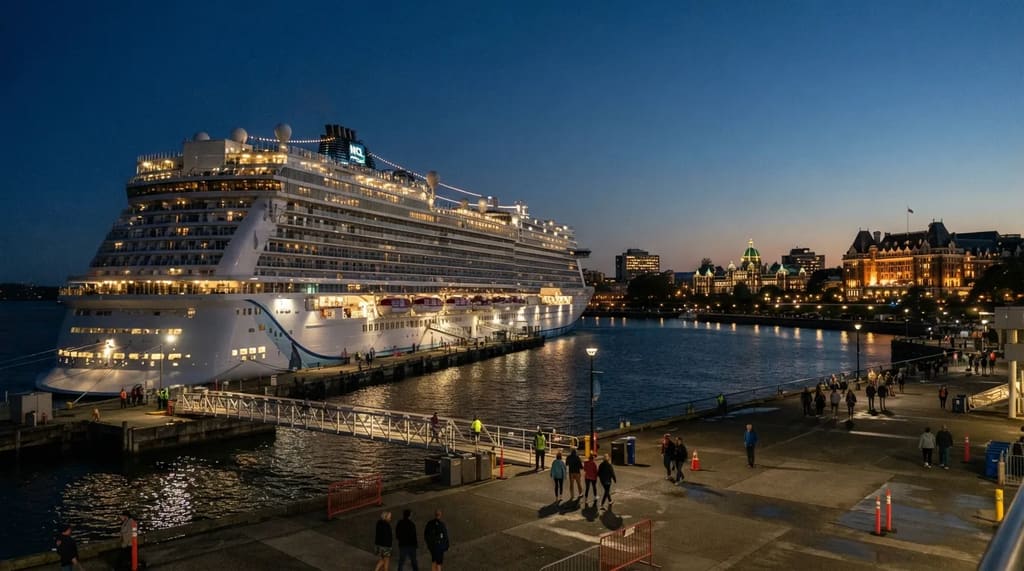
Your Alaska cruise from Seattle spends an evening in Victoria, arriving after dinner and leaving before midnight. That stop is a legal requirement, not a sightseeing plan.
A foreign-flag ship on a round trip from a U.S. port must call at a foreign port, and nearly every big cruise ship is registered abroad. The Passenger Vessel Services Act of 1886 is the reason, so bring your passport.7
Don’t choose a Seattle sailing because Victoria sounds like a bonus destination. Choose it for the flight and the fare, and pick a Vancouver round trip if you’d rather have the extra day.
The same law that puts Victoria on your itinerary also decides what happens if you leave the ship early at a U.S. port, and that is where the cost gets real.
#1 – Leaving Early Can Cost Real Money
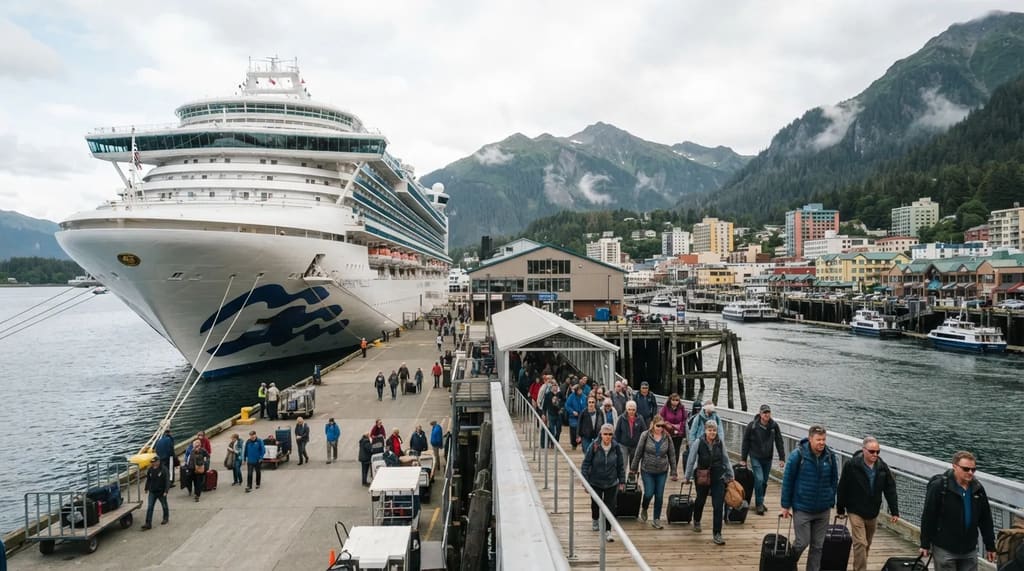
The rule isn’t only about the ship. A passenger who boards in Seattle on a round trip that includes Alaska and gets off early in Juneau causes the vessel to violate the act, regardless of the reason.8
Cruise lines that operate foreign-flagged vessels can be fined for each passenger who boards in one U.S. port and leaves at another. One cruise-planning site puts the fine at $996 per passenger and says cruise lines pass it on to the passenger.
Talk to the ship before you leave a round-trip cruise at a U.S. port. If you plan to stay in Alaska afterward, like the inland trip from earlier, a one-way sailing that needs no Canada stop is the cleaner fit.
The brochure shows the ship and the price. The calendar, the passenger caps, the park permits and a 140-year-old law decide how the week actually goes.
So before you book, ask three things in order: which month fits what I want to see, which route fits my stomach and my flights, and is this a round trip or a one-way. Those three answers change the trip more than a cabin upgrade ever will.
Which month are you leaning toward for an Alaska sailing, and which animal or glacier is deciding it for you?
Bonus: The Insider Move That Protects Your Whole Trip
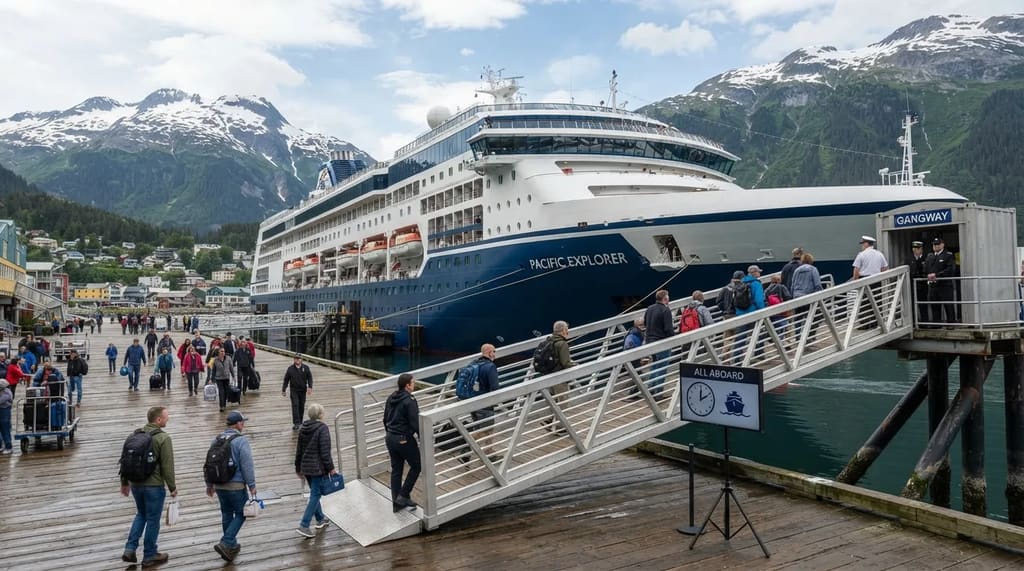
Treat the all-aboard time as a hard deadline, and book the right tours to protect it. Ships leave on schedule, and a missed departure in a remote Alaska port becomes your problem, not the cruise line’s.
- Find the deadline daily: the all-aboard time is printed in your ship’s daily newsletter, and it is usually earlier than the departure time. Photograph it each morning.
- Use ship-sold tours for the far-flung stops: if a ship-booked excursion runs late, the ship generally waits. If you booked independently and run late, you are typically on your own to catch up at the next port, at your own cost.
- Aim to be back an hour early: in a port with one road out of town, a single delay can cost you the ship.
- Save the port agent’s number: it’s usually listed in the newsletter, so screenshot it before you step off, along with your passport photo page.
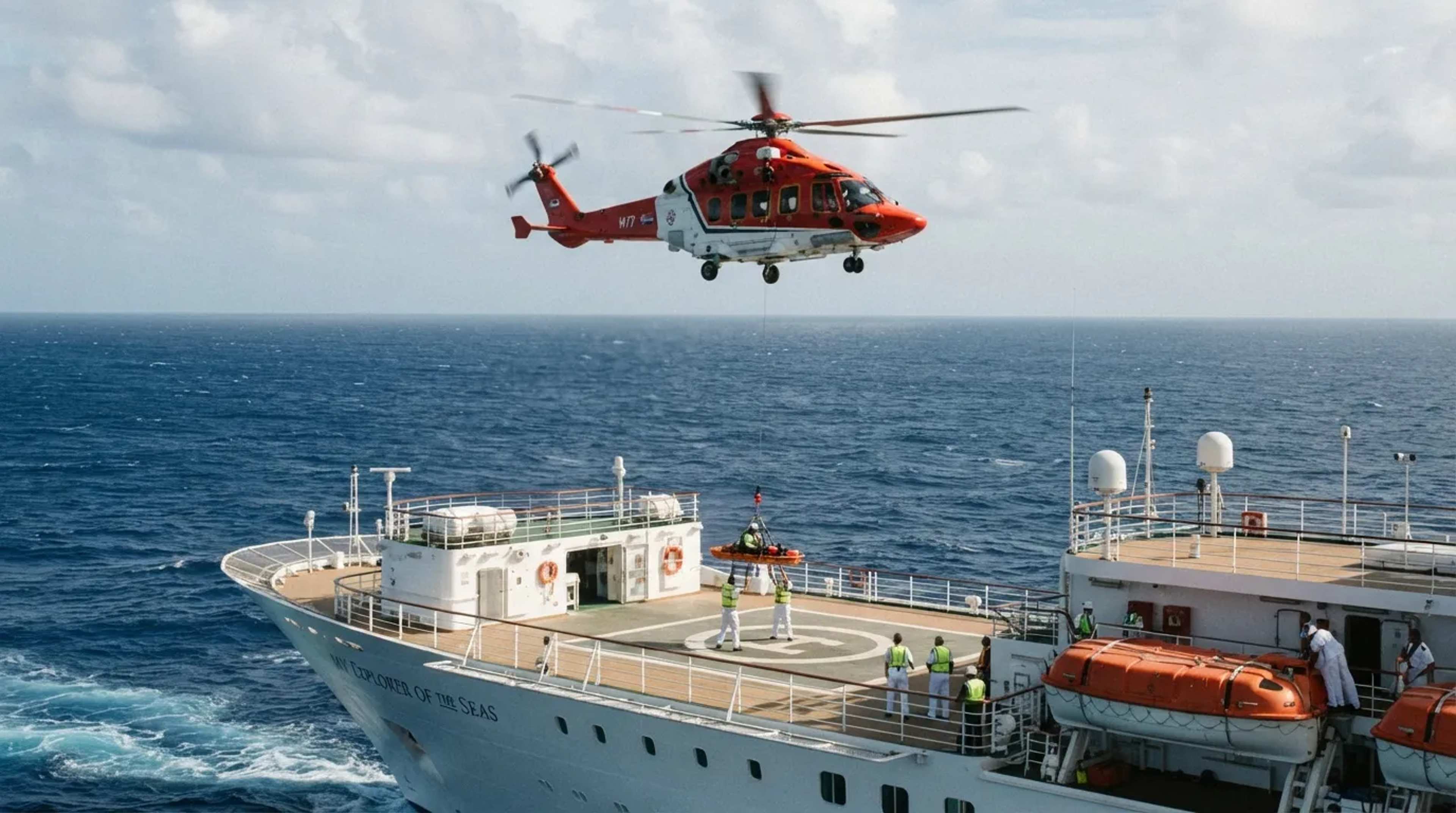
If you ever do miss the ship, go straight to the pier, find the port agent and call the ship’s contact line. Do it before you start rebooking flights.
- Alaska Cruise Wildlife Timing: https://www.adventure-life.com/alaska/articles/alaska-cruise-when-to-go
- KTOO Juneau 2026 Season: https://www.ktoo.org/2026/04/22/the-first-cruise-ship-of-juneaus-2026-tourism-season-arrives-monday-heres-what-to-know/
- Juneau Cruise Cap Agreement: https://www.ktoo.org/2024/05/31/with-cruise-tourism-booming-juneau-has-negotiated-a-limit-on-how-many-passengers-can-come-off-ships/
- Juneau Voluntary Cruise Limits: https://www.juneauempire.com/2026/04/23/juneaus-1st-cruise-ship-of-2026-set-to-dock-on-april-27/
- Juneau Passenger Growth 2026: https://www.cruisemapper.com/news/16846-juneau-records-fourth-consecutive-year-cruise-passenger-growth
- NPS Glacier Bay Concessions: https://home.nps.gov/glba/getinvolved/concession-contracts.htm
- Cruise Industry PVSA Explainer: https://www.cruiseind.com/analysis-what-is-the-passenger-vessel-services-act-pvsa/
- CBP Passenger Vessel Services Act: https://www.cbp.gov/sites/default/files/documents/pvsa_icp_3.pdf