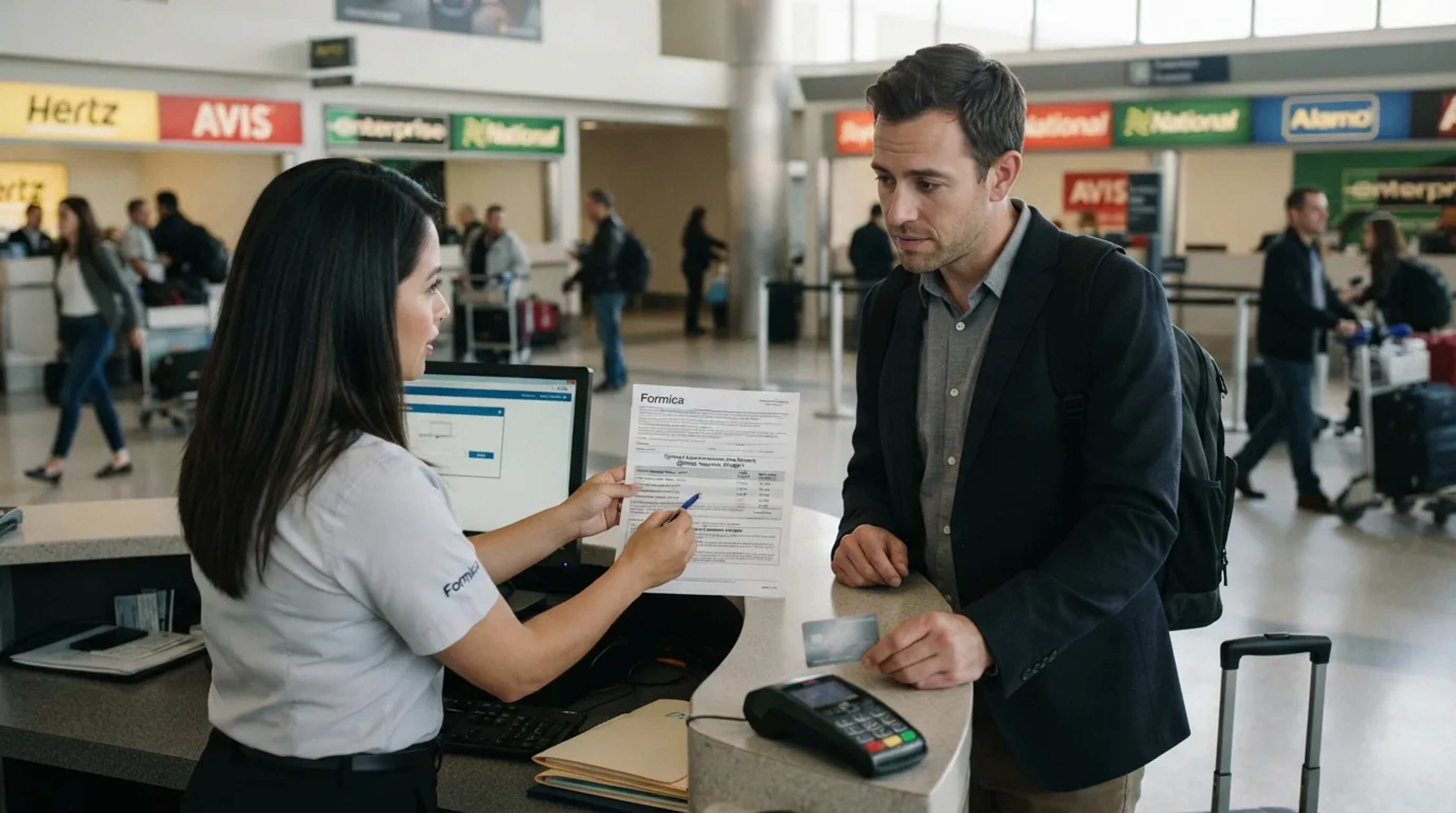
The costliest part of a rental often happens in about five minutes at the counter, and the people behind you in line never see it. One toll cost a Points Guy contributor $59.99 after Dollar Rental Car added its charges.1
Bills like that rarely show up at the counter. Toll charges can take weeks to reach your card, and damage claims can arrive on the same timeline.
Stay through the countdown from 17 to 1, because #1 covers the single choice that decides whether your credit card protects the car at all. First, a small move that costs nothing.
#17 – A Paper Printout of Your Booking

Start with the cheapest tool on this list, a sheet of paper. A printout of your confirmation can help the counter find you a car faster.
Major brands often have sister companies that can fill a reservation when their own lot runs short. Bring the confirmation on paper, showing your car class and rate, so any difference on the agent’s screen is easy to point to.
Your travel partner may owe a fee at this same desk, and a free sign-up can erase it.1
#16 – A Free Loyalty Program Before You Arrive

Joining a rental company’s loyalty program costs nothing, and it can take charges off the contract before the agent prints it. The Points Guy notes that membership can help you avoid extras like second-driver fees, and you could earn free rental days.1
If you share the driving with a spouse, membership can help you skip the second-driver fee. Sign up online before the trip and attach your member number to the reservation so it’s on the contract from the start.
Terms differ by company, so check which fees and locations the program covers.
Then the agent offers extras that the phone in your pocket mostly replaces.
#15 – Skipping the GPS and Other Extras

Add a car seat, navigation system, satellite radio and extra driver, and the total on a multiday rental can climb by $100 or more. That makes extras the easiest charge to trim before you sign.
Your phone already holds the maps, and you can download them for offline use to avoid data charges. Paying a daily fee for a navigation unit is hard to defend.
For things you can’t replace, such as a child seat, the obvious solution is to bring your own. If you must rent one, you can sometimes negotiate a discount or a waived fee at the counter.
Money paid before you arrive changes the conversation about the car itself.
#14 – Paying in Full Before You Arrive

Frequent renter Mark Cipollina advises paying in full before you reach the counter. His reasoning is that the company then has to give you what you paid for or upgrade you for free.
That’s the general policy at the major companies, and prepaying may also earn you a discount. A prepaid reservation generally obliges the company to deliver the car you booked.
Before you prepay, read the cancellation terms. Plans change, and a prepaid rate may not refund the way a pay-at-the-counter rate does.
Worth Knowing
- Prepaying generally puts the burden on the company to deliver your booked class.
- A prepaid rate may come with a discount.
- Refund rules can be stricter than on pay-at-the-counter rates.
- Keep your payment confirmation handy to show what you bought.
It also changes your answer when the agent says your class is gone and offers something bigger for a daily fee.
#13 – Saying No to the Paid Upgrade

A paid upgrade makes sense only when the company is offering it at an extremely low rate because it’s genuinely short of smaller cars. Otherwise, decline calmly.
The company usually must find you an available car or cover a rental with a competitor. If your class is gone, the company usually has to supply a car anyway.
If the agent gives you a hard time, call the corporate number. A bigger car also burns more fuel, so a paid upgrade can cost you twice.
Declining is easier when you know the number at the bottom of the contract, and you can ask for it before you hand over a card.
#12 – The All-In Total, Line by Line
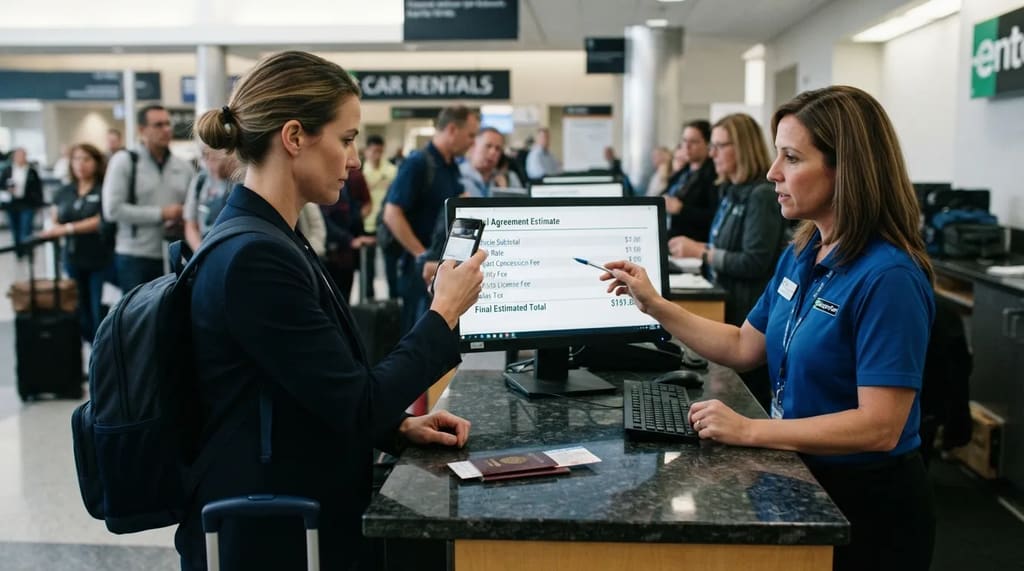
Ask what the total charges will be, so extra fees don’t surprise you later. Ask for the all-in total, with taxes and fees, before you sign.
The daily rate in your booking isn’t the whole bill. Rental companies already add surcharges such as airport fees.
If the total runs higher than your estimate, ask which lines are optional and uncheck the boxes for extras. Then photograph the estimate screen or printed quote before you sign.
When the final bill arrives, you can compare the two in seconds. But that total counts in days, and a rental day isn’t the calendar day you’d expect.
#11 – The 24-Hour Clock on Your Contract

A rental day runs 24 hours from pickup, not until midnight. Companies like Avis define rental periods by the day (24 hours).
If you pick up at 10 a.m. on Monday, a 1 p.m. return on your last day can be billed as an extra day, depending on the company’s grace period. Rental days run in 24-hour blocks from your pickup time.
Fast Facts
- Your pickup time sets the clock for every rental day.
- Companies can tack on a late-return charge.
- Ask the agent what time the car is due back and what happens after that.
- Put the due time in your phone’s calendar with an alert.
Plan your drive to the airport around that due time, not around your flight alone.
Return on time and the fuel gauge decides what comes next, with several ways to pay for the same tank.
#10 – Returning the Tank Full
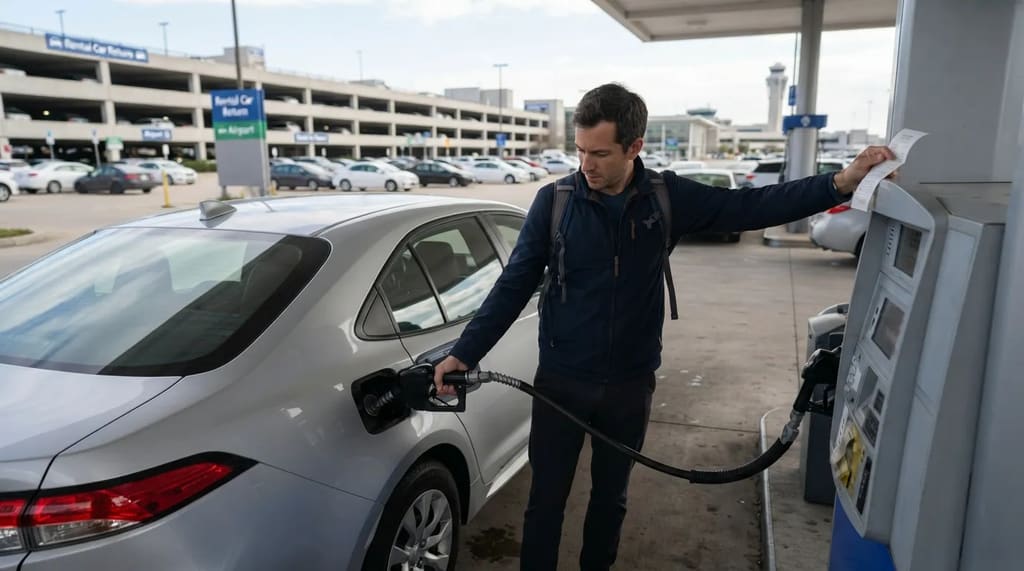
The tank fill-up is the simplest rental car upsell. The cheaper habit is to choose the “return full” option, then fill up at a gas station near the return lot right before dropping off.
Choose return-full and fill up just before drop-off. Prepaid fuel only breaks even if you bring the car back nearly empty, which is hard to time.
If you’ve rented an electric car, the same logic applies, since companies charge you for not recharging an EV rental. At pickup, photograph the dashboard showing the fuel level and mileage.
All of this assumes a credit card, and a debit card changes the questions at the counter.
#9 – What a Debit Card Changes
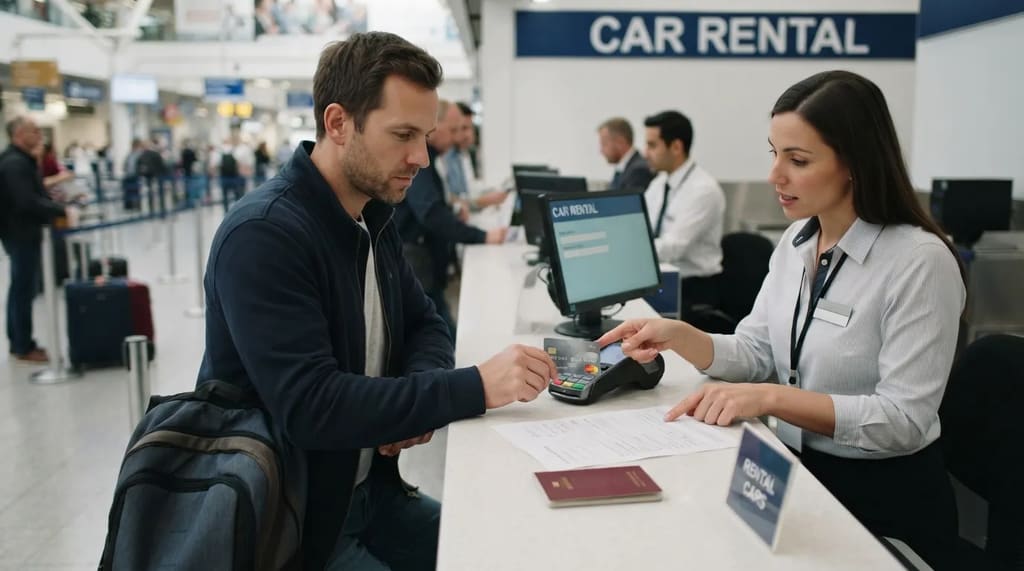
If you pay with a debit card, confirm whether a larger hold, extra verification or proof of a return flight is required. Ask about the hold, extra verification and return-flight proof.
A hold isn’t a charge, but on a debit card it ties up real money from your checking account. That matters most on a long trip with a fixed budget.
Card rental coverage usually applies when you pay with that card and decline the rental company’s waiver. If you plan to rely on it, confirm with your issuer that your card carries it.
Once the paperwork is done, the work moves to the parking lot, where a phone and a slow lap around the car do most of it.
#8 – One Unbroken Video of the Whole Car
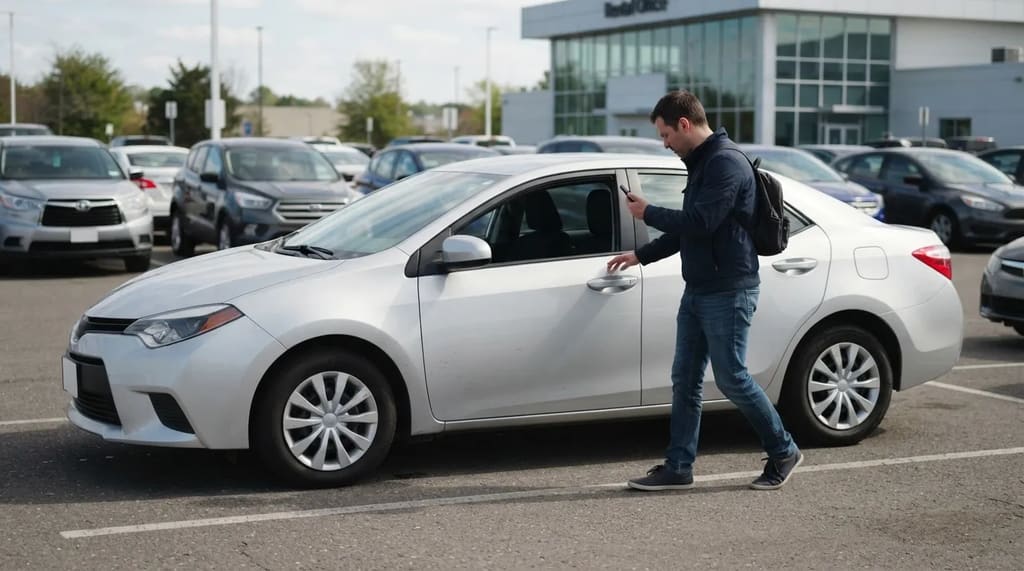
Start recording on the license plate and keep going. Walk the whole car without stopping, open the driver’s door and finish on the dashboard, because one unbroken take is hard to argue with.
Film one continuous take: plate, full walk-around, dashboard. Then take close-ups of every mark, with a finger or a key in the frame for scale.
Don’t skip the places that are easy to overlook. Photograph the roof, all four wheels and the windshield too.
Your video is your record, and the company keeps one too. The two should match before you drive off.
#7 – Getting Every Mark on the Company’s Record
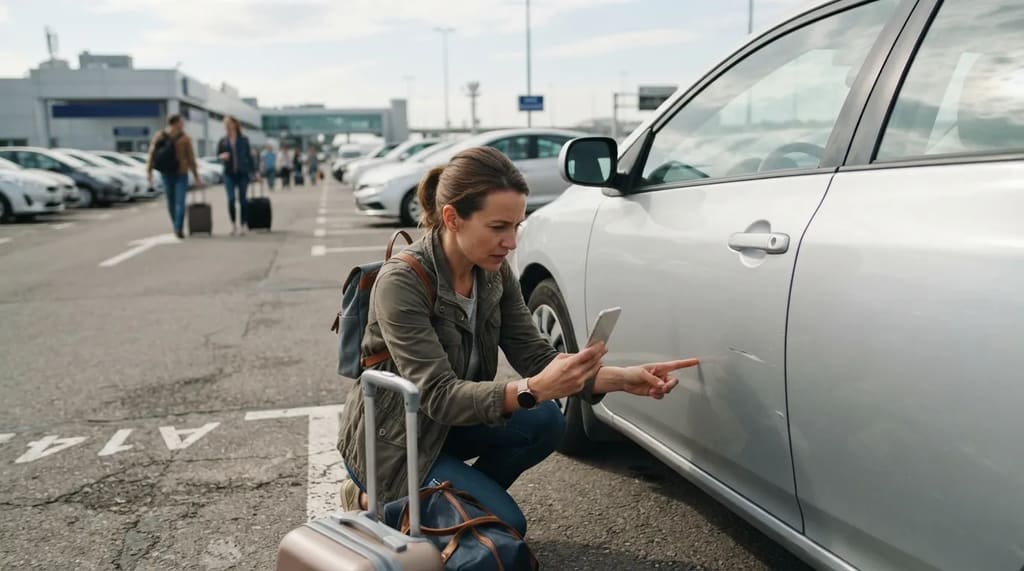
Consumer Reports advises you to inspect the car thoroughly before driving off and report any damage, a dirty interior or other problems to the company immediately.2 Report every mark to the company before you leave the lot.
This matters most when no employee is around. There’s no one to re-inspect the car with you present, and no way to know whether damage happened after the last employee check.2
A scratch the agent calls too small to note is exactly the one worth noting. Point out what you find before you drive away so it is on record.
The same proof matters again at drop-off, where some companies have swapped the clipboard for cameras.
#6 – Drop-Off Cameras and Your Own Photos
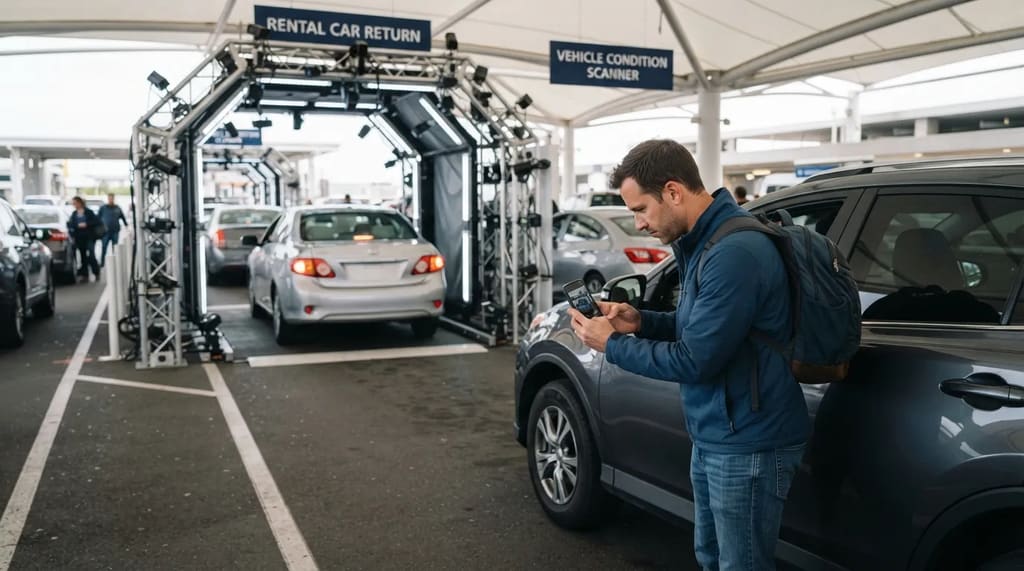
Several rental car companies now use AI scanning systems to check vehicles for damage, and the U.S. PIRG consumer watchdog says renters should document the car themselves. The scanners look like a car wash, with cameras shooting photos and video from different angles.3
If a company uses a scanner, repeat the same inspection before and after the trip. Repeat the same photos and video at drop-off. Your own photos give you a way to challenge a damage bill that arrives later.3
Shoot the same angles in the same order as at pickup so you can compare them side by side. If you use an after-hours drop box, take extra photos and video, because no agent is there to confirm the condition.
At a Glance
- Scanners work like a car wash, with cameras capturing photo and video from several angles.
- Your own record is the counterweight to a scan that flags damage.
- Match your pickup angles and order for an easy side-by-side.
- After-hours drop box? Shoot extra, since no agent confirms the condition.
One charge arrives weeks after you’ve gone home and has nothing to do with scratches. It comes from the road, and the fee attached can dwarf what you owe.
#5 – Tolls and the Daily Convenience Fee
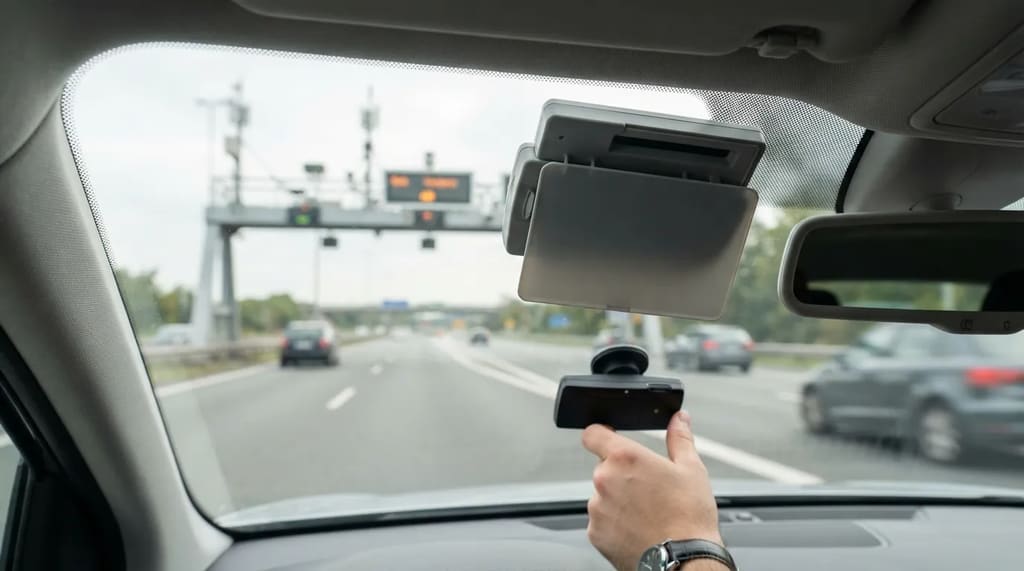
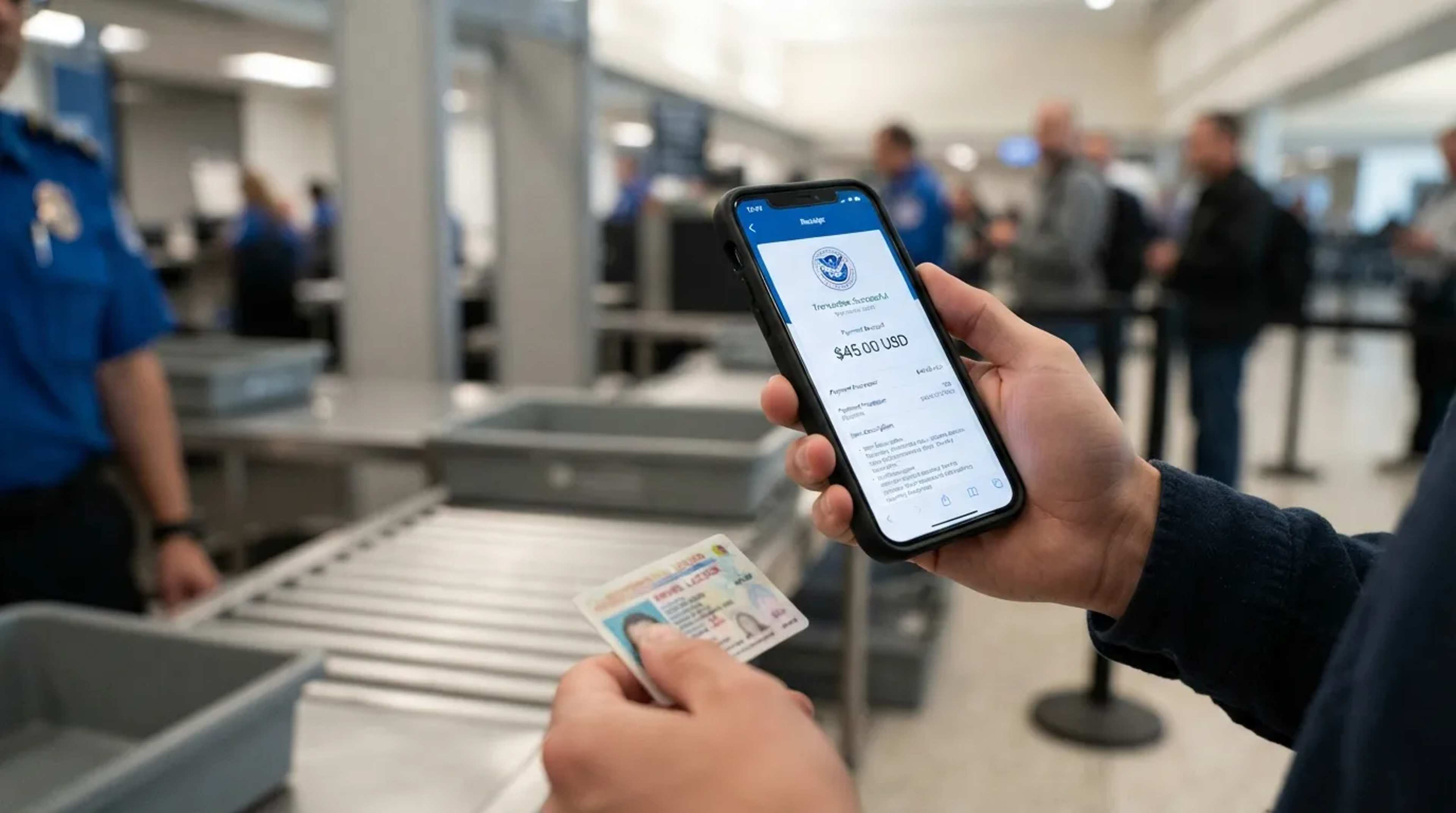
Rental toll programs can charge you for the tolls and a separate fee for using the electronic toll system. Budget’s published standard e-Toll fee is $6.95 for each day on which you incur a toll.4
You won’t see the bill at drop-off, because it can take weeks or longer for the toll operators and then the rental company to bill you. If you’ll hit tolls on several days, paying through the rental company’s program is usually the costliest option.
The cheaper route is your own transponder, which charges your own account at the standard rate and never triggers the rental company’s program. Cover the rental’s device with its sliding shield, and register the rental car’s details on your transponder account.5
Tolls are one add-on, but the one the agent offers twice, once online and again at the desk, is insurance.
#4 – Declining Coverage a Second Time
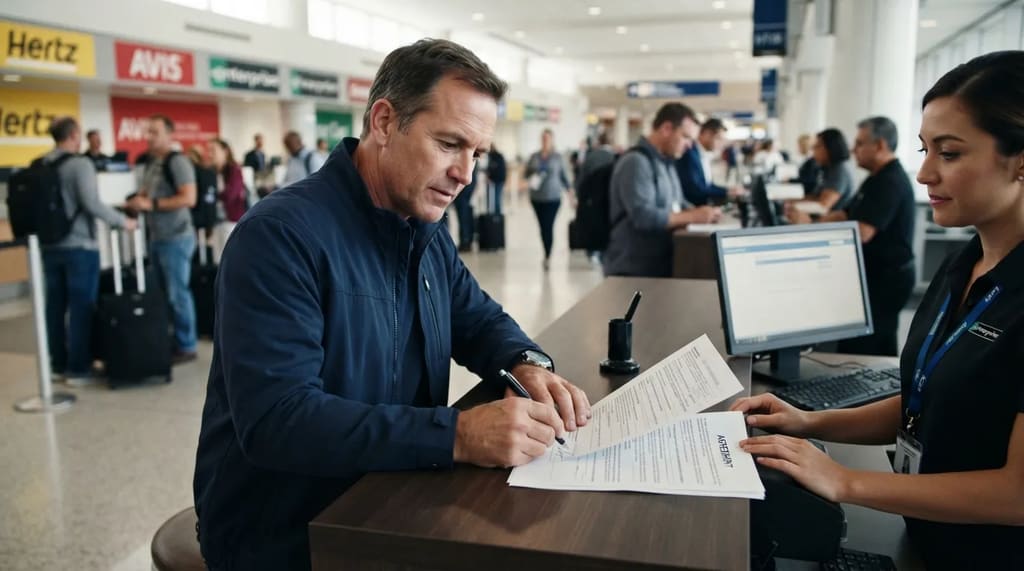
The coverage pitch happens twice, once during online booking and again at the counter. Declining online doesn’t lock the decision.
Spoken promises don’t bind anyone, so rely on the written agreement. Verbal assurances and warnings at the counter carry no legal weight.
If the agent cites a restriction, ask to see it in the agreement. That’s the advice if an agent makes a claim at the counter.
Related Stories From Travelbinger

Here’s what’s usually on offer:
- Collision or loss damage waiver: covers rental car damage or theft
- Personal effects coverage: covers theft of possessions from the car
- Supplemental liability: covers injury and damage to others
Saying no with confidence takes homework, and you can finish it at the kitchen table with one phone call.
#3 – Coverage Details Written Down Before You Arrive
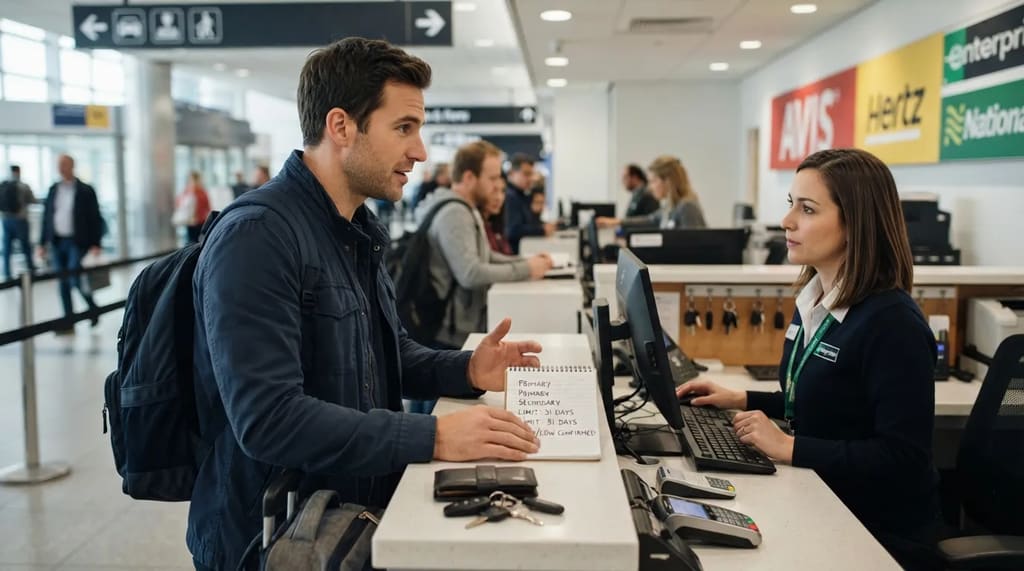
Check your personal auto policy and call your credit card issuer to confirm what’s covered before you reach the counter. Write down the card’s coverage details so you can decline confidently.
Ask your issuer: primary or secondary, and what’s the day limit? Secondary coverage, the most common type on cards, means your own auto insurer pays the claim.
Primary coverage pays without you reporting the incident to your own insurer. If you don’t own a car or carry a car insurance policy, most secondary card coverage becomes primary.
Some primary cards cover rentals of up to 31 consecutive days, so ask about the limit if you’re renting longer.
With the homework done, two moves remain, and the first one happens after you’ve already handed the keys back.
#2 – A Closed-Out Receipt at Return
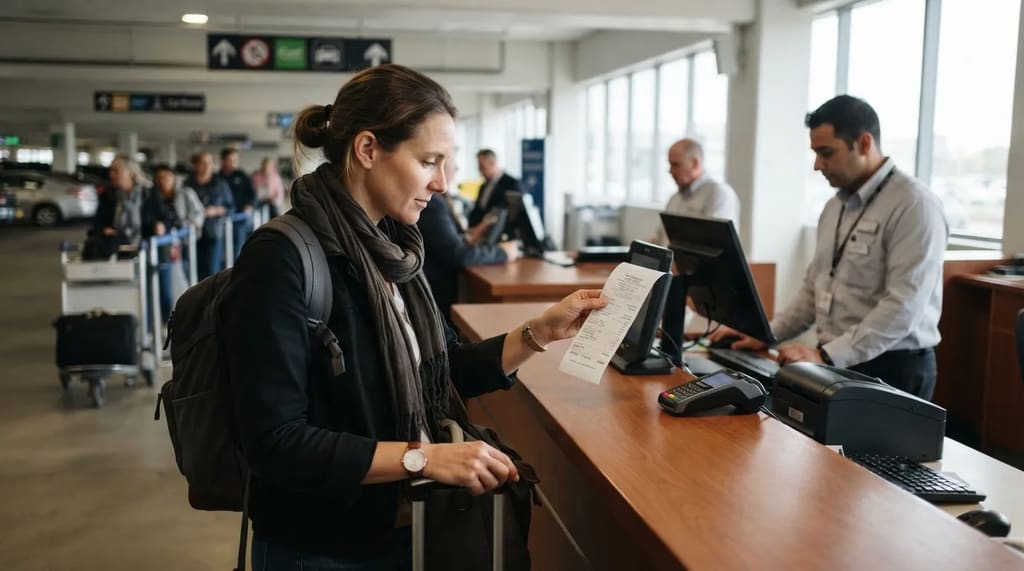
Experienced renters don’t just drop the keys and run. They ask for a final receipt showing the car came back and the balance is settled.
Ask for a closed-out receipt before you leave the lot. If an agent isn’t there, look for the emailed receipt and save it with your pickup and return photos.
That receipt, plus your timestamped photos, is the paper trail behind any surprise charge that appears weeks later. It takes about a minute.
Now for the one choice that can decide whether a wrecked car costs you a deductible or a small fortune.
#1 – Declining the Waiver So Your Card’s Coverage Can Work
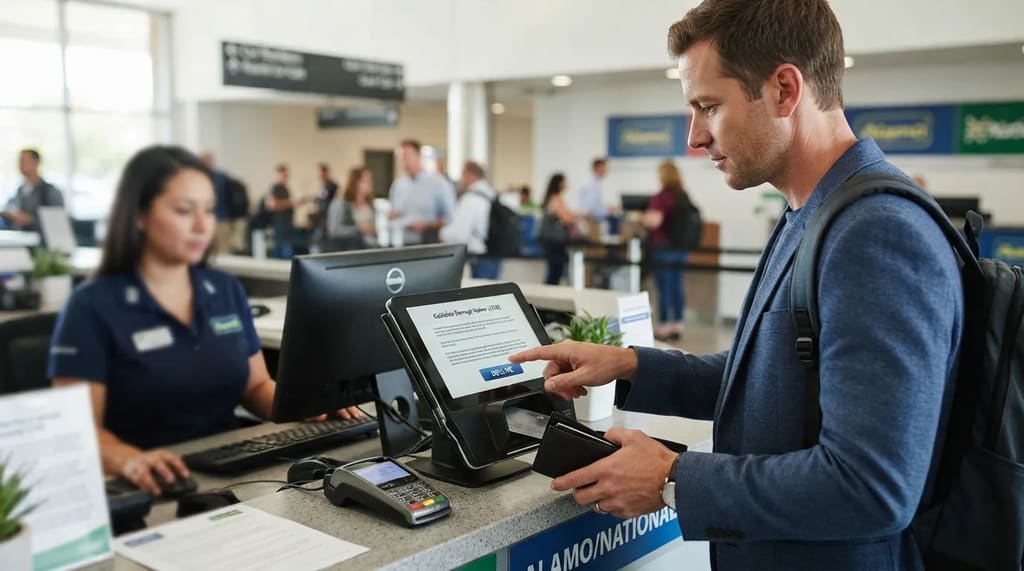
Card rental coverage generally applies only if you pay for the entire rental with that card and decline the rental company’s collision damage waiver. Accept the waiver, and the card’s protection may not kick in at all.
If you’re counting on your card for coverage, decline the waiver and pay with that card. That one tap on the counter screen decides who is responsible if the car is damaged or stolen.
Coverage varies by card, by country and by vehicle type, and some cars and long rentals can be excluded. That’s why the call to your issuer in #3 matters so much.
Quick Compare
- Decline the waiver and pay with your card: your card’s coverage can work.
- Accept the waiver: the card’s protection may not apply at all.
- Pay with a different card: card coverage generally won’t apply either.
The agent is trained to make that screen feel routine. Experienced travelers know it’s the most expensive tap of the whole trip.
Bonus: The Insider Trick Nobody Tells You

The smartest move happens weeks before you reach the counter: book a free-cancellation, pay-later rate, then keep re-checking the price. Rental rates swing constantly, and a refundable booking lets you rebook cheaper without penalty.
- Step 1: Reserve a pay-later rate with free cancellation, and confirm the cancellation terms in writing.
- Step 2: Re-check the same car class, dates and location every few days, and again in the final week. A free price-tracking service can do this for you.
- Step 3: When the price drops, book the new rate first. Only then cancel the old one, so you never end up with no car.
- Step 4: Price an off-airport branch too. Airport locations often add concession fees and surcharges that neighborhood branches don’t.
Weigh a short rideshare to the branch against the fees you’d skip. Keep both confirmation emails until the old reservation shows as canceled.
- TPG Rental Car Mistakes: https://thepointsguy.com/travel/rental-car-mistakes-tips-tricks
- Consumer Reports Rental Damage: https://www.consumerreports.org/travel/avoid-being-unfairly-charged-for-rental-car-damage/
- InvestigateTV PIRG AI Scanners: https://www.wdam.com/2026/11/10/ai-scanners-rental-car-lots-are-definitely-not-perfect-watchdog-says/
- Budget e-Toll Fees: https://www.budget.com/en/products-services/services/e-toll
- TPG Ways to Save: https://thepointsguy.com/travel/ways-to-save-on-rental-cars