Here’s the thing nobody tells you: experienced travelers over 60 are often the ones who slow down the security line the most. Not because they’re careless – but because the rules have quietly changed, and the version of airport security they’ve been navigating for decades isn’t quite the same one running in 2026. TSA agents see it every single day.
What follows are the insider facts, hidden programs, and little-known exemptions that checkpoint officers genuinely wish every older traveler already knew before stepping up to that bin belt. A few of these will save you serious time. A couple might surprise you. And at least one could keep you from getting turned away before you ever reach your gate.
#18 – Your Old Driver’s License May Get You Turned Away at the Checkpoint
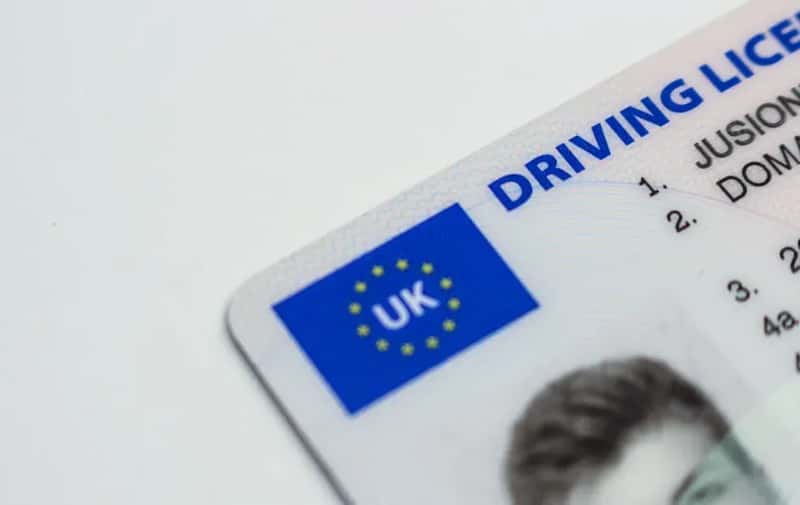
This is the rule that has blindsided more travelers in 2026 than almost anything else. As of May 7, 2025, state-issued driver’s licenses that are not REAL ID compliant are no longer accepted at airport security – full stop. That familiar license you’ve carried for years, the one you assumed was fine, may not get you through at all. Every airline passenger 18 and older, including TSA PreCheck members, must now show a REAL ID-compliant ID or another accepted document like a U.S. passport.
The easiest fix is already in your drawer if you travel internationally: your passport works perfectly for domestic flights too. But if you show up with a non-compliant state ID and nothing else, TSA may refer you to a $45 alternative identity verification option called TSA ConfirmID – valid for a 10-day travel window. That’s a stressful and expensive surprise for a rule most people still don’t know exists. Check the gold star on your license before you pack. If it’s not there, bring your passport.
#17 – Shoes Off Is Now Over for Everyone – Not Just Seniors

For years, one of the most-cited perks for travelers 75 and older was keeping their shoes on at the checkpoint. Most people still think that’s an age-specific benefit. It isn’t anymore. In July 2025, TSA eliminated the shoe removal requirement for all travelers – ending a 19-year policy that had been one of the most universally dreaded parts of flying. The awkward loafer shuffle into the bin is officially retired.
For older adults and anyone with mobility issues, this change is bigger than it sounds. Bending down in a crowded security lane, balancing on a rubber mat, and then reversing the whole process while people queue up behind you was never just an inconvenience – it was a genuine physical challenge. Not every airport has updated its equipment yet, so follow agent instructions if you’re still asked, but the policy shift is real and nationwide. One of PreCheck’s most-celebrated perks just became free for everybody.
#16 – The TSA Cares Hotline Is One of the Best-Kept Secrets in Air Travel

Almost nobody over 60 has heard of TSA Cares – and that’s a genuine shame, because the program was built specifically for them. TSA Cares provides personalized checkpoint assistance for travelers with disabilities, medical conditions, or any situation that makes standard screening difficult or stressful. You don’t need a doctor’s note. You don’t need special paperwork. You just need to call ahead at least 72 hours before your flight: (855) 787-2227.
When you arrive at the airport, ask a TSA officer to request a passenger support specialist. These specialists answer questions, walk you through the process, and physically assist with screening – they are not there to flag you as a risk, they are there to make your experience smoother. Most older travelers suffer through unnecessary anxiety at the checkpoint because they simply didn’t know they could ask for this. It’s free, it’s available at airports nationwide, and it’s dramatically underused by the people who would benefit most.
#15 – Travelers 75+ Still Have Specific Screening Perks Beyond Shoes
Even with the new universal shoe policy, passengers 75 and older still receive treatment that younger travelers don’t. TSA’s risk-based screening approach deliberately extends additional considerations to this age group – not as charity, but as a smarter allocation of resources. The practical benefits show up in ways that aren’t well publicized.
Passengers 75 and older with mobility devices may receive alternative screening procedures, including remaining seated while officers conduct their checks. You can also request to stay seated during a pat-down. Many older travelers don’t realize they can simply ask to sit down – and agents say they wish far more people would. If you’re 75 or older, these accommodations are yours to use. You don’t have to wait to be offered them.
#14 – Your Pacemaker Means You Should Never Go Through the Metal Detector
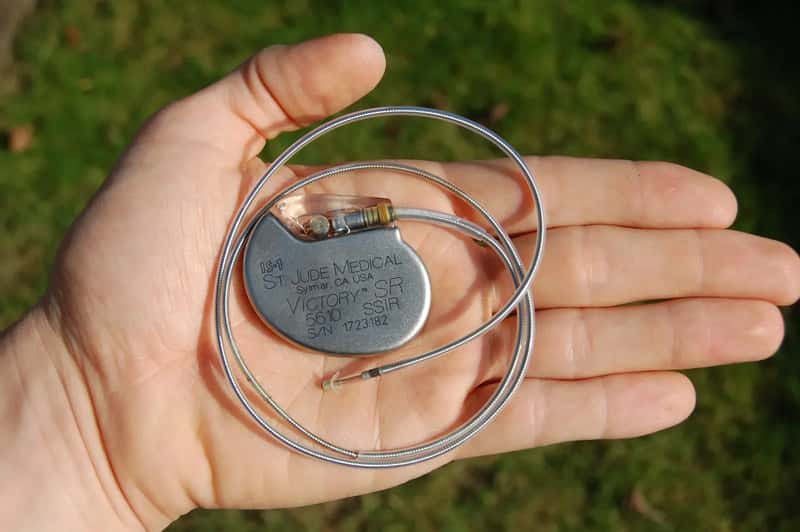
This one is critical, and agents see it go wrong with unsettling regularity. Individuals with a pacemaker, defibrillator, or other internal cardiac device should not be screened by a walk-through metal detector. This isn’t just about setting off an alarm – the electromagnetic field can potentially interfere with the device itself. It’s a health safety issue, not a procedural inconvenience.
The right move is to tell the officer before you approach any screening equipment. Inform them that you have an internal medical device, and you’ll be directed to Advanced Imaging Technology – the body scanner – instead. AIT is the safer, faster, and far less disruptive option for anyone with a cardiac device. Knowing this before you travel means you walk up to the checkpoint with a clear plan instead of a moment of panic when the agent waves you toward the wrong machine.
Worth Knowing
- Tell the officer before approaching any equipment – not after the alarm sounds
- Advanced Imaging Technology (the body scanner) is the TSA-approved alternative for cardiac devices
- The free TSA Notification Card (see #3 on this list) lets you communicate this privately and in writing
- Pacemakers, defibrillators, neurostimulators, and implanted drug pumps all qualify for alternate screening
#13 – Hip and Knee Replacements Will Almost Certainly Trigger the Alarm

Surgeons mention this, patients half-remember it, and then they’re completely caught off guard when the detector screams at the airport. The vast majority of joint replacements contain enough metal to trigger standard security equipment every single time. The alarm going off is not a red flag – officers handle this dozens of times per shift. The real problem is being flustered and unprepared when it happens, which is what actually slows things down.
The right approach is simple: announce it before you step in. Tell the officer you have an artificial knee, hip, or other metal implant, and the process becomes routine rather than chaotic. The whole thing typically adds less than five minutes to your screening. If you’d rather not announce it in a crowded lane, the TSA offers a free Notification Card that communicates your condition discreetly – more on that near the end of this list.
#12 – Hearing Aids and Cochlear Implants Don’t Need to Come Off
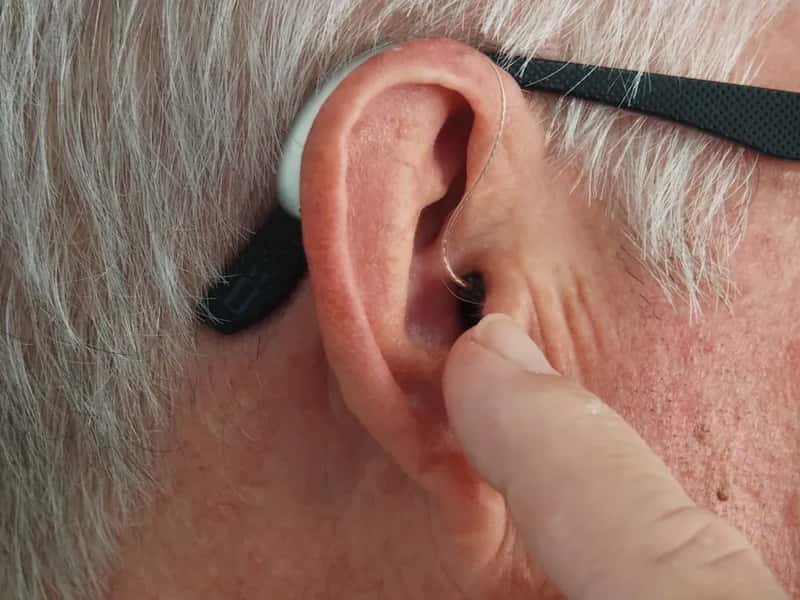
This is something agents have to clarify far too often – especially with older travelers who start anxiously removing their hearing aids before anyone has asked them to. The rule is straightforward and reassuring: you are not required to remove hearing aids or cochlear implants at security. Leave them in. Walk through. There is no reason to remove the device you depend on to hear and communicate with the officer standing right in front of you.
A TSA officer may ask to inspect these devices if they trigger the metal detector or body scanner, but that’s the exception, not the routine. If it does happen, the interaction takes seconds. Removing your hearing aid unnecessarily, on the other hand, creates confusion, communication barriers, and the very delays that everyone in line is trying to avoid. Leave it in unless you are explicitly and directly asked to remove it.
#11 – Your Medication Gets a Pass on the 3-1-1 Liquid Rule

Millions of travelers over 60 manage daily medications, and a significant number of those are liquids. The standard 3.4-ounce rule that governs your shampoo does not apply the same way to medically necessary items. Larger quantities of medically necessary liquids, gels, and aerosols are permitted through the checkpoint – you just have to declare them separately rather than hiding them inside a packed bag.
If your medication requires syringes, pumps, freezer packs, or IV bags, those are allowed in the cabin too. The critical step is separating those items from the rest of your carry-on and telling the officer upfront that you’re carrying medical necessities. Declaring them clearly and quickly is almost always faster than having them flagged during the X-ray. Transparent labeling, a calm heads-up to the agent, and you’re through – no drama, no delay.
Quick Compare
| Item Type | Standard 3-1-1 Rule Applies? | What To Do |
|---|---|---|
| Prescription liquid medication | No – exempt | Declare separately at the checkpoint |
| Insulin, eye drops, liquid nutrition | No – exempt | Label clearly; separate from carry-on items |
| Syringes & freezer packs | No – exempt | Keep with medication; tell officer upfront |
| Travel shampoo, lotion, etc. | Yes – 3.4 oz max | Use standard quart-size bag |
#10 – Insulin Pumps and Glucose Monitors Stay on Your Body
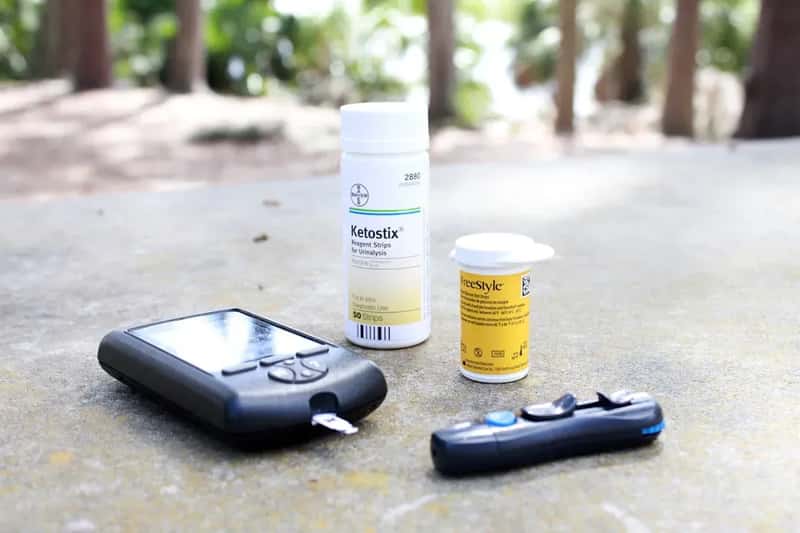
For older Americans managing diabetes, the security checkpoint can feel like a minefield – but TSA’s actual rules work strongly in your favor here. You will not be required to remove medical devices attached to your body, including insulin pumps and continuous glucose monitors. Before screening begins, simply inform the TSA officer where the device is located, and the process adjusts around you rather than the other way around.
If you don’t want your pump or monitor passing through an X-ray machine, you have the right to request alternative screening – just say so before anything gets placed on the belt. Any disconnected devices may be screened by X-ray, so if you’re carrying additional supplies like vials, syringes, or an EpiPen, declare them upfront and have them clearly labeled. The more you communicate at the start, the faster and calmer the whole process becomes. Silence at the checkpoint is rarely a time-saver.
#9 – Wheelchairs and Walkers Will Always Be Screened – There Is No Exemption
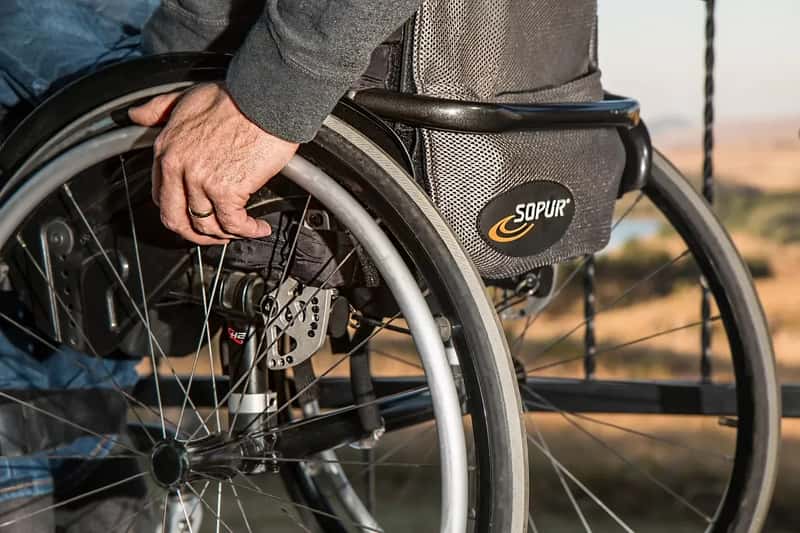
Many travelers assume that arriving in a wheelchair means they’ll be waved through with minimal fuss. That’s not how it works, and the reason is straightforward: TSA has found concealed weapons and other prohibited items inside mobility devices often enough to require that all of them – motorized scooters, wheelchairs, walkers, canes – go through some form of screening. The process looks different depending on the situation, but it doesn’t get skipped.
Walkers, canes, and crutches will be X-rayed or hand-inspected. Any bags or pouches attached to mobility devices must be removed and placed on the belt separately. If you can stand and walk briefly, a travel companion can assist during that portion. If you can’t, you may remain seated while an officer conducts a hand test. None of this is surprising or alarming once you know it’s coming – and knowing it in advance is the difference between a smooth process and a stressful confrontation at the checkpoint.
#8 – Portable Oxygen Concentrators Need Airline Approval – Not Just TSA Clearance

Here’s where a lot of older travelers get caught completely off guard – and not by TSA, but by the airline. Many people assume that if their oxygen equipment clears the checkpoint, they’re good to go. That’s only half the battle. Not all airlines permit portable oxygen concentrators on board, and TSA clearance does not override the airline’s own policies. You need to confirm with the airline before you book, not before you board.
At the checkpoint itself, medical oxygen and respiratory devices like CPAP, BiPAP, and nebulizers must be screened before being permitted through. If the oxygen cannot be disconnected, inform the officer, who can arrange an alternate inspection. The mistake that strands people isn’t failing at the checkpoint – it’s handling TSA without ever calling the airline and ending up grounded at the gate with cleared equipment and no permission to use it. Sort out airline approval first. Everything else comes after.
#7 – Never Put Your Medications in Checked Luggage

TSA agents can’t control what happens after the checkpoint, but the ones who talk candidly about traveler mistakes say this one comes up constantly. Older passengers routinely check their medications to save space in their carry-on – and then the bag gets delayed, rerouted, or lost entirely. TSA permits medications in quantities exceeding three ounces in your carry-on, clearly labeled and declared. There is no good reason to put them anywhere else.
A delayed bag is an inconvenience. A missed dose of a critical heart, blood pressure, or diabetes medication is a medical event – potentially a serious one in an unfamiliar city. Carry what you need for your entire trip plus a few days’ buffer, keep it accessible, and make sure you have the names of your medications and a list of covered pharmacies at your destination. This isn’t overcaution. It’s the single most practical thing you can do for your health before any flight.
#6 – TSA PreCheck Is Still Worth It – Even After the Shoe Rule Changed

A lot of travelers heard about the universal shoe change and immediately asked why they’d still pay for PreCheck. The answer is that shoes were never really the point. For anyone managing mobility concerns, medical equipment, or multiple carry-on declarations, the biggest stress point at the airport isn’t the screening itself – it’s standing in a slow general lane for 20 to 40 minutes before you even reach the belt. PreCheck eliminates that. During normal operations, roughly 99% of PreCheck passengers wait less than 10 minutes.
In the PreCheck lane, your belt stays on, your jacket stays on, and your laptop and liquids stay in your bag. Each item removed at a standard checkpoint is a physical task: bending, unzipping, lifting, then reversing the whole process while managing carry-ons. For anyone dealing with arthritis, limited range of motion, or a condition that makes repetitive bending genuinely painful, eliminating those steps isn’t a luxury. It’s practical pain management with a $76 price tag and a five-year shelf life.
Fast Facts
- PreCheck wait time: Under 10 minutes for ~99% of members during normal operations
- Standard lane benchmark: Up to 30 minutes – real-world averages at major hubs often run 15–30 min
- Enrollment fee: ~$76.75–$85 for new members; renewals from ~$68.95 – valid for 5 years
- Active members: Over 20 million as of 2024, with the program now at 200+ airports
- Shoes, belt, jacket, laptop, liquids: All stay on or in your bag in the PreCheck lane
#5 – There’s No Senior Discount for TSA PreCheck – But Here’s What Comes Close
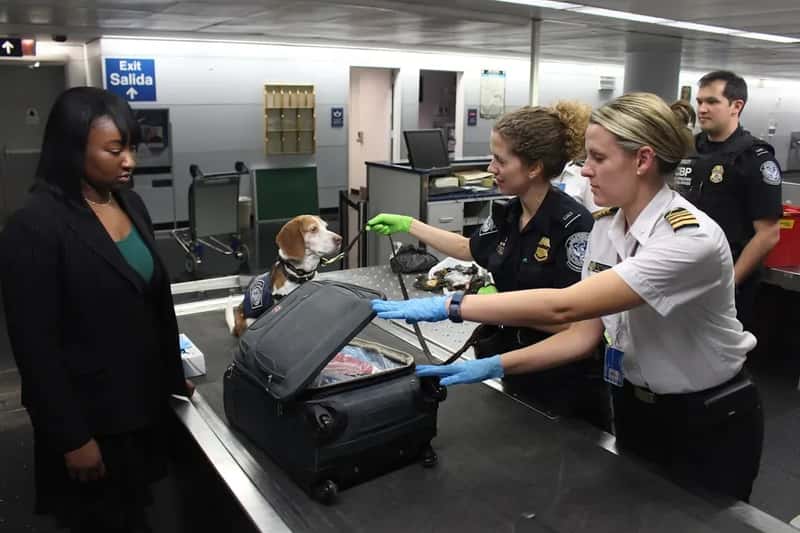
This is one of the most common misconceptions among travelers 60 and over. Many people delay enrolling in PreCheck because they assume a senior discount either exists or is coming. It doesn’t. The enrollment fee – roughly $76.75 to $85 for a new five-year membership, depending on the provider – is the same regardless of age. Waiting for a discount that will never arrive is just years of slower, harder checkpoints.
That said, the cost can be offset. Certain travel credit cards reimburse the PreCheck enrollment fee as a standard cardholder benefit – worth checking if you already carry one. CLEAR+ membership also includes PreCheck access, which some people find convenient enough to justify on its own. And here’s an angle most people miss: PreCheck and TSA Cares can be used together. PreCheck gets you into the shorter lane; TSA Cares gets you a dedicated support specialist once you’re there. Using both simultaneously is genuinely underrated.
#4 – New CT Scanners Mean the Liquids Rule Is Unevenly Enforced – Know Your Airport

You may have noticed that at some airports, nobody asked you to pull out your liquids bag. At others, they still absolutely do. Both experiences are real, and the reason is technology. New CT scanners deployed at major airports allow TSA officers to view detailed 3D images of bags without needing items removed for separate inspection. At airports with this equipment, passengers are often allowed to leave liquids in their carry-on.
The catch is that CT scanners haven’t reached every airport yet, and TSA officially recommends still using the quart-sized clear bag to avoid delays at locations without them. The safest strategy is to always pack your liquids as if the old rule still fully applies – and be pleasantly surprised when you don’t need it. Going the other way – assuming the new scanners are everywhere – is how you create a backup at the belt and a lot of frustrated people stacking up behind you.
#3 – A Free TSA Notification Card Can Make Your Medical Condition Nearly Invisible at the Checkpoint
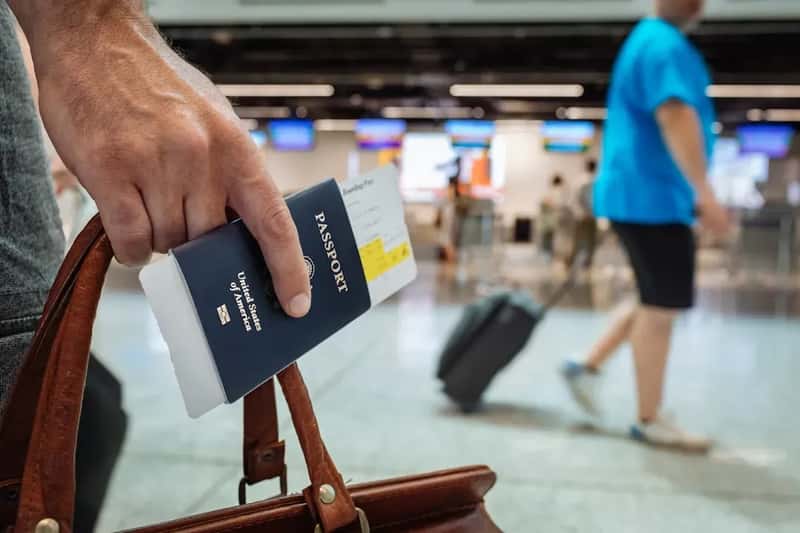
Most travelers with medical conditions spend the checkpoint either anxiously rehearsing their explanation or hoping they won’t have to give it. There’s a tool that makes both of those unnecessary. The TSA Notification Card lets you quietly communicate your health conditions, disabilities, or medical devices to the officer before the conversation ever gets awkward. You hand it over at the start, the officer reads it, and the screening is adjusted accordingly – no public announcement required.
The card is free, available on the TSA website, and takes minutes to complete. It doesn’t grant exemptions from screening – but it eliminates the fumbling, the repetition, and the discomfort of explaining a private medical condition out loud in a crowded security lane. For anyone managing something they’d rather keep between themselves and the agent in front of them, this card is a genuine game-changer that the overwhelming majority of eligible travelers have never heard of.
Why It Stands Out
- 100% free – download and print directly from TSA.gov
- Covers medical devices, implants, disabilities, and sensitive conditions all on one card
- Works alongside TSA Cares and PreCheck – none of these programs conflict with each other
- No special appointment, doctor’s signature, or advance registration required
#2 – A Non-Flying Companion Can Get a Gate Pass to Walk You Through Security
This might be the single most useful and least-known fact in all of airport travel for older flyers. If a family member or caregiver is dropping you off but isn’t flying, they do not have to stop at the terminal entrance. Airlines can issue a gate pass that allows a non-traveling companion to go through security screening and accompany you all the way to the gate. You just have to ask for it – at the airline ticket counter when you check in, not at the checkpoint.
The companion will go through screening like any other passenger, so allow extra time, and make sure they’re not carrying anything that will complicate the process – no large liquids, no pocket knives. Gate pass procedures aren’t universally familiar to every ticket agent or TSA officer, so asking early and being patient helps. For travelers managing memory conditions, serious mobility limitations, or significant anxiety about the process, having a trusted person walk them to the gate isn’t a small thing. It changes the entire experience of flying.
#1 – You Can Ask to Speak to a Supervisor – and You Should If Something Goes Wrong

This is the one TSA agents themselves point to when asked what they most want passengers to know. If your screening experience didn’t go the way it should – if you weren’t offered the accommodation you needed, if a procedure felt wrong, or if you were treated without the dignity you deserved – you do not have to silently accept it and walk away. You have the explicit right to request a supervisor at the checkpoint, and TSA itself acknowledges this directly. It is not a complaint. It is how the system is designed to self-correct.
Too many older travelers – especially those who feel rushed, embarrassed, or overwhelmed in the moment – say nothing and carry the frustration onto the plane. Every unaddressed problem at the checkpoint is a problem that gets repeated with the next passenger in the same situation. The supervisor is the person who can fix it, document it, and close the gap. Knowing that option exists – and being willing to use it calmly and confidently – changes your entire posture at the checkpoint, from the moment you walk up to the moment you walk through.
Almost all of this information lives somewhere on the TSA website. But nobody reads the TSA website before a trip. The travelers who breeze through security at 65, 75, or 85 aren’t lucky – they’re prepared. Share this with someone who has a flight coming up, and drop a comment if any of these surprised you or if you’ve discovered a checkpoint tip of your own that belongs on this list.