Most first-time cruisers think embarkation day comes down to one thing: show up with a passport and a smile, and the rest takes care of itself. Veteran cruisers know that’s not even close to true, and the gap between the two groups is obvious within minutes of hitting the terminal.
One group spends the afternoon dragging bags through a packed lobby, waiting on a cabin, and settling for leftover dinner reservations. The other is already poolside with a drink before the ship has technically left the dock. The difference isn’t luck or loyalty status – it’s a specific list of moves nobody explains to first-timers. Here’s what experienced cruisers actually do before anyone else even steps on the gangway.
22 – They Never Fly In on the Morning of the Cruise
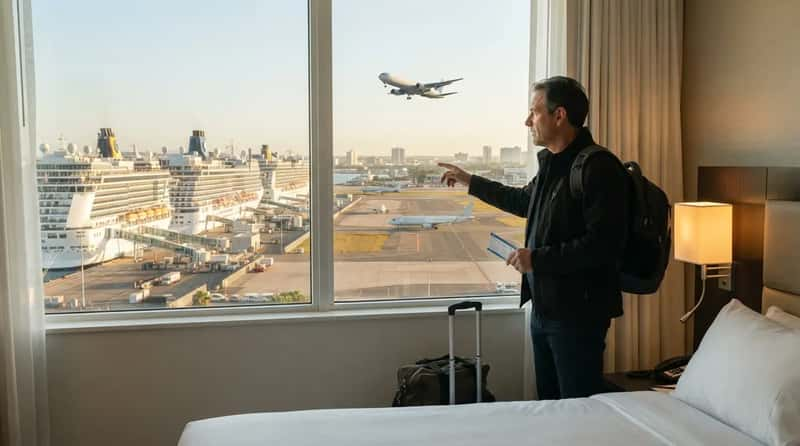
Veteran cruisers treat a same-day flight into the port city as a bet they simply won’t make. The smart move is showing up in the embarkation city at least a day early and booking a cheap hotel nearby, so a delayed or canceled flight doesn’t mean a canceled cruise. One extra night in a budget airport hotel beats risking the entire fare.
First-timers often skip this step to save money, and that’s exactly the miscalculation experienced sailors warn against most. It’s the single biggest logistical gamble in cruising, and it’s usually taken by the very people who can least afford it to go wrong. A delayed flight on cruise morning doesn’t ruin a day – it can end the whole trip before it starts.
21 – They Race to Check In the Second the Window Opens

Online check-in isn’t a formality to veterans; it’s a land grab. Regardless of the cruise line, the earliest port arrival slots go to whoever completes online check-in first, so speed matters more than most people realize. Waiting even a few hours can mean losing the best boarding window entirely.
Some lines take this further than people expect. On Disney Cruise Line, for example, the earliest port arrival times can vanish within minutes of check-in opening around midnight on the scheduled day. Setting a midnight alarm for a cruise sounds extreme, but veterans do it anyway.
Fast Facts
- Royal Caribbean opens check-in 90 days before sailing.
- Celebrity Cruises opens check-in 45 days before sailing.
- Norwegian Cruise Line opens check-in 21 days before sailing, often right at midnight.
- Carnival Cruise Line opens check-in just 14 days before sailing.
- Holland America Line opens check-in anywhere from 45 to 75 days out, depending on the sailing.
20 – They Download the App Before They Ever Leave Home

Nobody wants to be fumbling with app downloads at the terminal, and veterans know it’s an easy trap to fall into. Getting the cruise line’s app set up well before embarkation day means it’s ready for early check-in, shore excursion bookings, daily schedules, and even the muster drill. A slow download at the pier costs precious boarding time nobody gets back.
Cruise experts are blunt about why this matters so much: trying to download the app at the port, on shaky WiFi or spotty cell service, just adds one more thing to juggle on an already hectic morning. Terminal WiFi is crowded, and a stalled app is the last thing anyone needs while a line forms behind them.
19 – They Pack a Swimsuit in the Carry-On, Never the Suitcase

Checked luggage doesn’t show up right away, and veterans plan around that reality instead of hoping for the best. Since checked bags can take several hours to reach the cabin, the carry-on needs to cover sandals, a bathing suit, medication, and anything else too important to be without. Skipping this step means missing the pool entirely on day one.
It’s such a common trick that even brand-new cruisers pick it up fast once someone explains it. Packing a bathing suit where it’s easy to grab means changing and heading straight for the pool deck instead of waiting around for a suitcase. The reward is a poolside chair while everyone else is still hunting for their bags.
18 – They Never Board Without a Lanyard
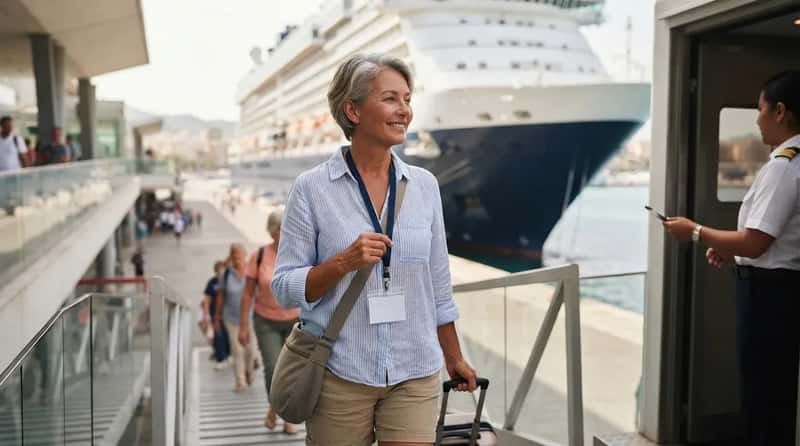
The key card gets used constantly on a ship, and veterans refuse to dig through a bag every time they need it. Bringing a lanyard or ID holder from home is a small detail that saves real hassle, since not every cruise line hands them out for free at the terminal. A five-dollar lanyard from home avoids an inflated gift-shop price later.
The card does more work than most first-timers expect. It’s used for drinks, spa treatments, shop purchases, and getting back into the cabin, dozens of times a day without anyone really noticing. Losing it, even for an hour, turns a relaxing first day into a scramble at guest services.
17 – They Build a Separate “First Four Hours” Bag
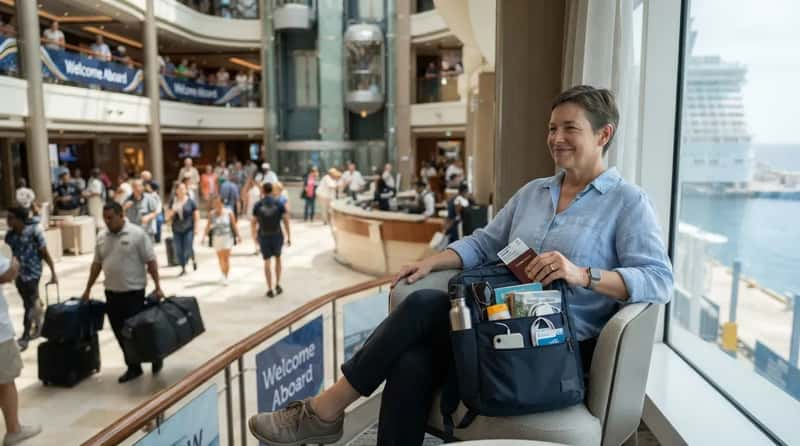
Veterans don’t treat their carry-on as an afterthought; they pack it like their cabin doesn’t exist yet – because it basically doesn’t. A big suitcase might clear the scanner fine, but hauling it around a crowded ship for hours while waiting on a cabin assignment is nobody’s idea of a good start. A heavy suitcase in a crowded hallway is nobody’s idea of a good first day.
This habit sounds excessive to first-timers until they’re the ones stuck holding a suitcase for three hours with nowhere to put it. Veterans keep this bag light, specific, and separate from anything they’re willing to hand off to a porter. It’s a small habit that quietly saves an entire afternoon.
16 – They Research Their Exact Port Before Packing a Single Bag
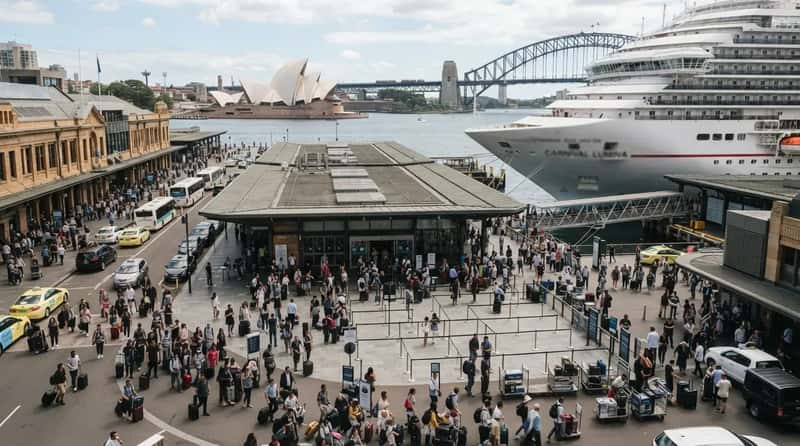
Not every port works the same way, and assuming otherwise has burned even experienced cruisers. Embarkation day is usually smooth, but some ports don’t have reliable taxis, rideshares, or shuttle buses waiting nearby, and that gap in planning can turn into a real risk of missing the ship. A port that’s easy in Miami can be a nightmare somewhere else.
Veterans now treat port research as non-negotiable, not optional. Whether the ship sails from Miami, Sydney, Hong Kong, or Seattle, the ins and outs of that specific port matter more than people expect. Some ports handle staggering crowds, and knowing the layout in advance is the difference between a calm arrival and a panicked one.
15 – They Always Carry Small Bills
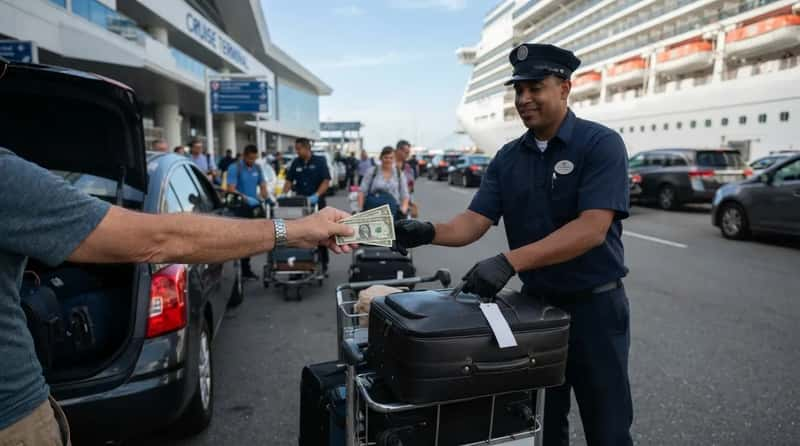
It’s a detail almost nobody mentions until they’re stuck without it. Driving to some cruise ports means passing through toll booths, and having a few dollar bills on hand keeps that part of the morning simple. A missing dollar bill at a toll booth is a small but avoidable delay on an already tight morning.
Cash also matters the moment bags leave the trunk. Porters expect tips right at the curb, and fumbling for a card or exact change slows down an already chaotic drop-off zone. Veterans keep a small stack of ones specifically for this ten-minute window.
14 – They Show Up At Their Time Slot, Not Before It
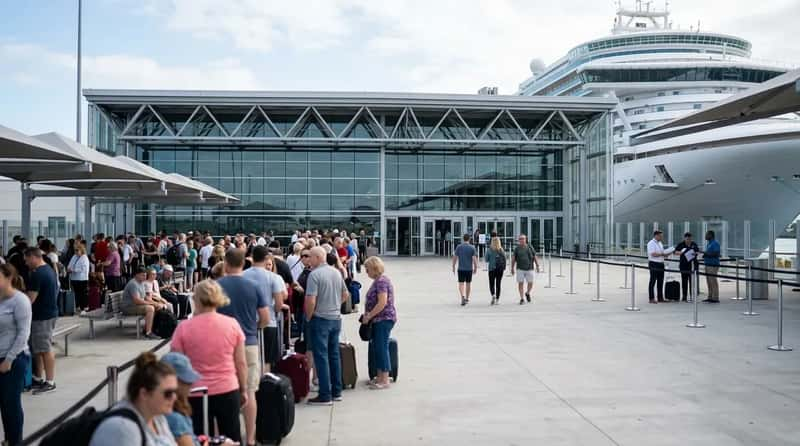
Arriving early used to be a smart move. Now it can backfire completely. Guests who show up before their assigned boarding time typically can’t start the process any sooner, and arriving late can mean getting pushed into a later group altogether. Showing up hours ahead of schedule just means standing outside in a longer line.
Other lines enforce this just as strictly. Arriving before a dedicated check-in slot opens can mean waiting outside the terminal, and showing up after it closes can mean being denied boarding altogether. Veterans treat their assigned window as a hard appointment, not a suggestion.
13 – They Sprint to the Reservations Desk First
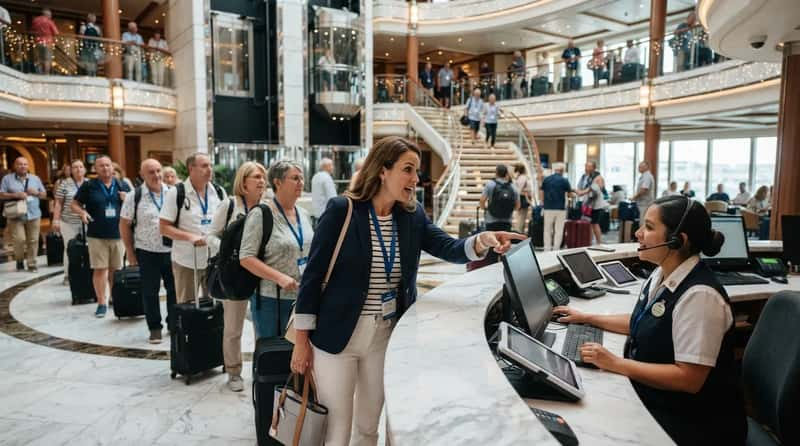
Most rookies think stepping onboard is the finish line. Veterans know it’s actually the starting gun. Plenty of first-time cruisers assume embarkation day is just about getting through the doors, when it’s really more of a race against the clock. Specialty dining, shows, and spa slots disappear fast on day one.
The payoff for moving quickly is real, and it’s noticeable by dinnertime. Seasoned cruisers manage to board, eat, book reservations, unpack, and claim the best sunbeds before most passengers have even found the main buffet. By the time first-timers realize reservations are gone, veterans are already seated.
12 – They Finish the Muster Drill Digitally Before They Ever Board

Nobody wants to stand through a live safety demonstration while dragging carry-ons, and veterans have found a way around it. Most cruise line apps now let passengers complete the muster drill digitally before ever setting foot on the ship. Completing this step before boarding skips one of the most crowded, most tedious parts of the day.
It’s a small piece of prep that most first-timers never even know exists. Veterans knock it out from their couch the night before, phone in hand, coffee nearby. It’s ten minutes of mild boredom at home instead of thirty minutes standing in a hallway at sea.
Worth Knowing
- International maritime law requires every passenger to complete a muster drill within 24 hours of boarding.
- Royal Caribbean patented its digital “Muster 2.0” system in 2020, and similar tech has since spread across the industry.
- Carnival won’t lift its first-day drink limit until the safety briefing is finished.
- Finishing the digital steps early means skipping the crowded hallway headcount entirely.
11 – They Eat Lunch Before the Buffet Turns Into a War Zone
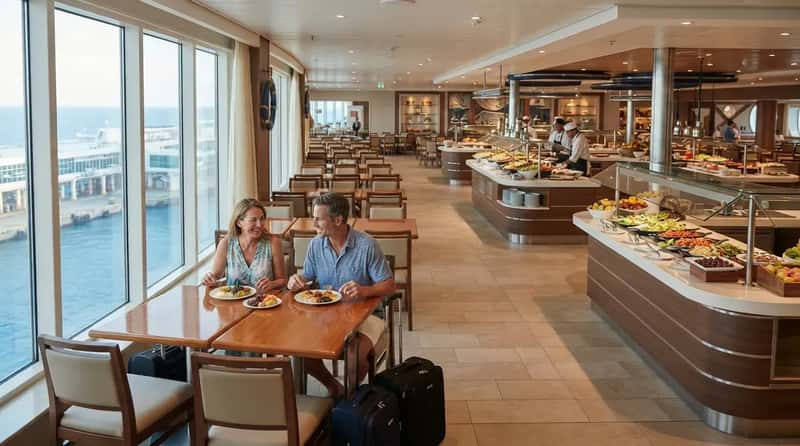
The first hour onboard is deceptively calm, and veterans use it before the crowd catches on. Waiting even ninety minutes changes everything, turning a relaxed lunch into a scramble for a table and a seat at the next show. Timing lunch early avoids the worst of the midday crowd surge entirely.
It sounds like a minor detail, but the difference in experience is dramatic. A calm, uncrowded buffet at noon turns into a shoulder-to-shoulder scramble by one o’clock on most ships. Veterans eat while everyone else is still in the security line.
10 – They Ask the Steward to Clear the Minibar Immediately
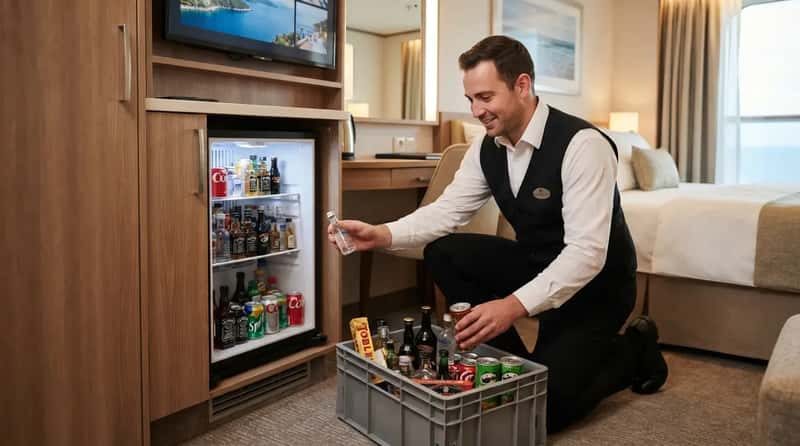
It sounds like an odd first request, but it’s one of the most common veteran moves on record. Asking the cabin steward to clear out the overpriced minibar right away is standard practice for anyone who’s cruised more than once. Marked-up snacks and drinks sitting in a cabin are an easy, avoidable expense.
Once it’s gone, there’s no temptation and no accidental charge on the final bill. This is a habit that costs nothing and saves real money by the end of the week. It’s one of those tricks first-timers only learn after opening a $9 candy bar by mistake.
9 – They Pour Their First Drink in the Cabin, Not the Dining Room

Corkage fees catch a lot of first-timers off guard, and veterans plan around them without even thinking twice. Wine or champagne brought onboard is meant to be enjoyed in the cabin, since opening it in the main dining room usually means an extra fee tacked onto the bill. A bottle brought onboard is meant for the cabin, not the table.
Once cruisers try it this way, most never go back to paying markup prices. That first glass without a markup tastes different once you know what you saved, and it’s a habit that sticks for good. It’s a small ritual, but it sets a relaxed, no-rush tone for the whole trip.
8 – They Claim a Lounger Before They Even Find Their Cabin

Prime pool real estate disappears fast, and veterans know that boarding early is only half the equation. By early afternoon, regulars have already claimed the Solarium loungers, booked the specialty attractions, and grabbed a table at the steakhouse, all before most passengers have found their cabin. By early afternoon, the best spots are already taken for the day.
The logic behind it is simple and a little competitive: the earlier someone’s onboard, the more of the ship effectively belongs to them for the day. First-timers wandering around looking for their room are, without realizing it, losing the best chairs on the ship.
Quick Compare
- Early boarders by 1 p.m.: lounger claimed, dinner reservation booked, drink already in hand.
- Late boarders by 1 p.m.: still hauling luggage through the hallway, no dinner slot left, standing room only at the pool.
7 – They Check the Spa Board Before Anyone Else Even Knows It Exists

Most first-timers don’t realize embarkation day often comes with limited-time spa discounts meant to fill treatment slots before the ship even leaves port. Veterans walk past the crowded atrium and go straight to the spa desk to see what’s on offer. By the time other passengers think to ask, the best appointment times are usually gone.
It’s a habit built on timing, not luxury. A quiet, half-empty spa on embarkation afternoon is a completely different experience than the same spa mid-cruise. Veterans treat that narrow window as one of the best-kept perks of day one.
6 – They Check the Onboard Account Before Spending a Single Dime

Most ships run on a cashless system from the moment guests board, and veterans confirm everything is set up correctly before making a single purchase. The first day is the right time to get familiar with how onboard spending works, since nearly every ship links purchases directly to the stateroom card. A mistake here can quietly follow a cruiser for the entire week.
Gratuities are the part people overlook most. Some lines add them automatically to the account, while others allow adjustments, and it’s worth knowing which policy applies before charges start piling up. Catching an error on day one is easy. Catching it on day six means arguing over a final bill.
5 – They Skip the Official Photo Line on Purpose

The gangway photo line looks mandatory, but it isn’t, and veterans walk right past it without a second thought. That line can eat ten or fifteen minutes for a photo most people never even buy. Skipping it means starting the actual vacation that much sooner.
Photographers are stationed all over the ship throughout the week, not just at boarding. Veterans wait for a formal night or a scenic backdrop instead of a rushed shot in a crowded hallway. It’s a tiny decision, but it adds up over a long line of strangers.
4 – They Know Exactly Which Elevator Bank Nobody Uses
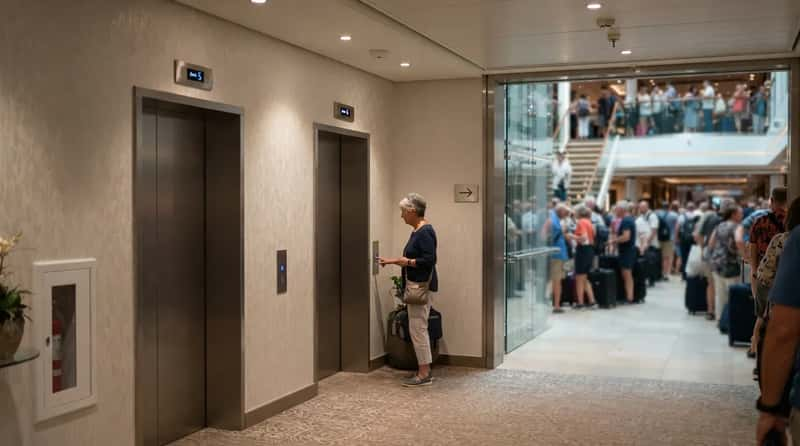
Big ports move enormous crowds, and knowing how to navigate around them is its own skill. PortMiami, the world’s busiest cruise homeport, handled a single-day record of 72,401 passengers on April 20, 2025, and that kind of volume makes every hallway and lane count. That kind of volume makes every hallway and lane count for something on boarding day.
Veterans build a mental map fast, and it pays off all week, not just on boarding day. The same spatial awareness applies to everything on embarkation day: experienced travelers already know which lane, which entrance, and which elevator bank is actually moving. First-timers wait for the crowded elevator. Veterans walk one deck over.
At a Glance
- PortMiami set a single-day passenger record of 72,401 travelers on April 20, 2025.
- Large terminals often have multiple gangways, escalators, and elevator banks leading to the same deck.
- A quick look at a terminal map beforehand can save real time on the busiest boarding days.
3 – They Book Excursions the Minute They’re Onboard

Waiting until after lunch to lock in a shore excursion is a common first-timer mistake, and it costs more than people realize. Popular tours and time slots fill up within the first hour of sailing, especially on ships with app-based booking. Veterans handle this before they’ve even unpacked a single bag.
This is one of those habits that seems slightly paranoid until it isn’t. Waiting even a few hours can mean the difference between a small-group tour and a sold-out waitlist. Veterans treat it as urgent, not optional.
2 – They Triple-Check Their Luggage Tags Before Bags Ever Leave Their Hands
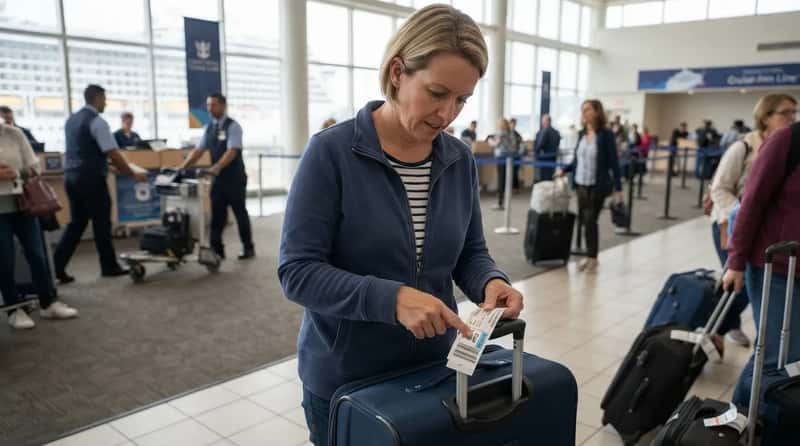
Checked luggage disappears into a massive sorting system the second it’s handed off, and mistakes are more common than most people assume. Since bags can take hours to reach the cabin, plenty of cruisers pack a change of clothes just in case they want to hit the pool before their suitcase ever shows up. A wrong deck number on a tag can delay that delivery even further.
Veterans check the cabin number on every single tag, every single time, no matter how many cruises they’ve taken. It takes ten seconds and prevents one of the most frustrating embarkation-day surprises there is. First-timers rarely think to look twice.
1 – They Claim the Same Railing Spot for Every Sail-Away

Of everything on this list, this is the habit veterans talk about with the most emotion. Sail-away is one of the most memorable parts of embarkation day, and the ritual is always the same: head to the pool deck, grab a drink, and take in the music and the energy as the ship pulls away. It’s the one moment nobody wants to miss for a bag or a boarding line.
Veterans stake out their spot early and hold onto it, sailing after sailing. Watching the port fade into the distance while the ship glides out to sea is a moment that sticks with people long after the trip ends. Everything else on this list – the app downloads, the lanyards, the reservation sprints – exists to protect this one quiet, unhurried moment at the rail.
None of these habits require elite status, a bigger budget, or a lucky boarding number. They’re small, deliberate choices made in the hours before most passengers even think to make one. Put together, they’re the real reason some cruisers seem to glide through embarkation day while everyone else is still standing in line.
Which one of these did you already know, and which one is completely new to you? Drop it in the comments – chances are another reader needs to hear it before their next sailing.