Everyone assumes the passport booth is either a thirty-second formality or the start of a nightmare, with nothing in between. That’s not how officers describe it. The people who work that counter every single day say the real story is stranger, funnier, and occasionally more heartbreaking than either extreme – and most travelers have no idea they’re part of a pattern the officer has already seen a thousand times.
Some of what happens at that counter gets filed away and forgotten in five minutes. Other moments stick with officers for years, long after the traveler has walked off and forgotten the whole exchange ever happened. Here’s what actually earns a permanent spot in an officer’s memory – starting with the joke almost everyone thinks is original.
#24 – Cracking the “I’ve Got a Bomb in My Bag” Joke
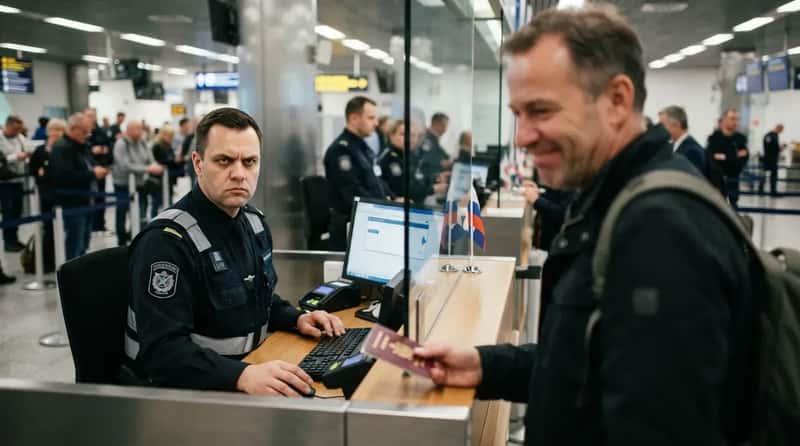
To the traveler saying it, this feels like a harmless icebreaker – a way to cut the tension of an intimidating interaction. Officers hear some version of this joke on a near-daily basis, and it has never once landed the way the traveler hoped. Federal guidance is blunt about it: give calm, honest answers, not jokes or offhand comments about weapons and explosives.
Nobody laughs at the booth. The line stops, the officer’s tone shifts, and what should’ve been a thirty-second exchange turns into a documented incident. Officers don’t remember it because it’s funny – they remember it because it happens so often that it’s almost scripted, word for word, year after year.
#23 – Rehearsing Their Story Out Loud in Line
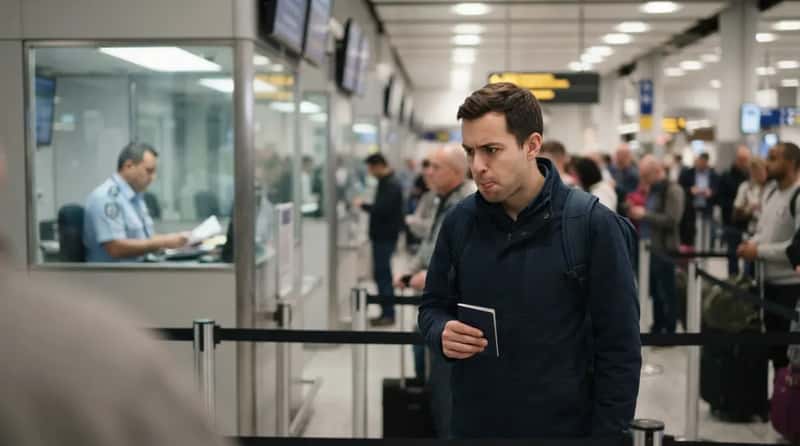
Nervous travelers sometimes run their answers under their breath while waiting, not realizing how visible it is from behind the glass. Officers watch mouths moving and eyes darting long before a single word actually reaches them. It’s usually nothing more than pre-flight nerves, the same kind that makes people practice a job interview in the mirror.
But it’s memorable precisely because it flips the script before the interaction even starts. The traveler hasn’t said a word yet and is already flagged, mentally, as someone worth a closer look. It rarely leads anywhere serious – it just means the officer walks up already paying more attention than usual.
#22 – Burying the Passport at the Bottom of a Checked Bag
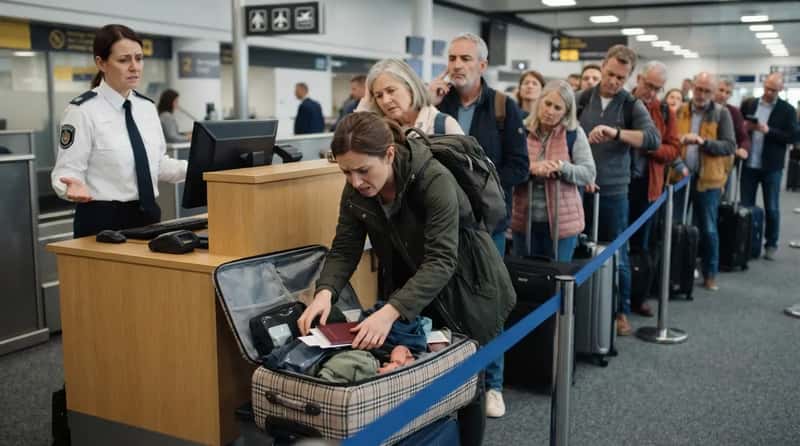
This one creates chaos for everyone in line, not just the person doing it. Travelers who tuck their passport deep inside a checked suitcase, instead of keeping it in a jacket pocket or carry-on, turn a routine stop into a ten-minute excavation project. Meanwhile the line behind them grows, tempers shorten, and the officer becomes the reluctant referee of everyone’s frustration.
Officers remember these travelers not because anything suspicious happened, but because of the visible domino effect stretching down the hallway. It’s one of the few mistakes that has nothing to do with rules or paperwork – just poor planning that turns into a very public inconvenience.
#21 – Traveling on a Passport That’s One Stamp Away From Useless
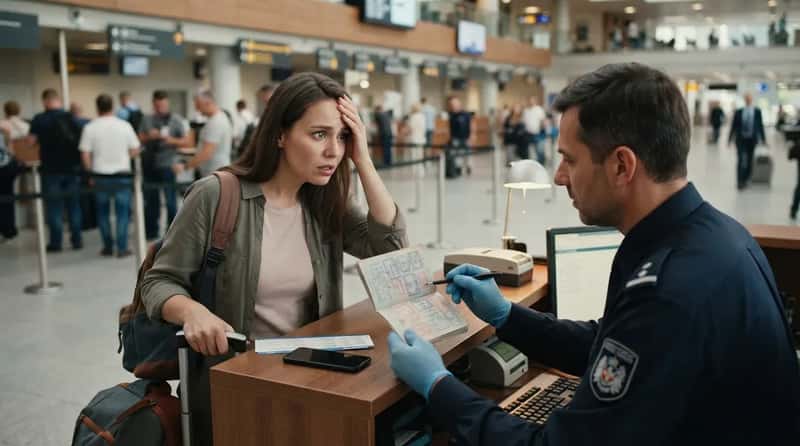
A passport doesn’t need to be expired to cause a real problem – it just needs to be close. Plenty of countries require six months of remaining validity before they’ll let a traveler in at all, and people who cut it down to weeks often don’t find out until they’re standing at the counter. That’s when the panic sets in, usually somewhere between the gate agent’s warning and the actual border.
Officers remember the scramble that follows almost every time: phone calls to airlines, a supervisor pulled in, and a traveler suddenly realizing their entire vacation is hanging on a technicality they’d ignored for the better part of a year. It’s an entirely preventable crisis, which somehow makes it more painful to watch.
Fast Facts
- Many countries require at least six months of passport validity remaining beyond your planned departure date.
- The Schengen area, much of Asia, and parts of Africa all enforce some version of this rule strictly.
- Airlines can deny boarding entirely if that six-month cushion isn’t met, even before a traveler reaches the actual border.
- Renewing early doesn’t shorten your passport’s life – most countries simply reset the full validity clock from the new issue date.
#20 – Answers That Don’t Match What’s Already on the Page
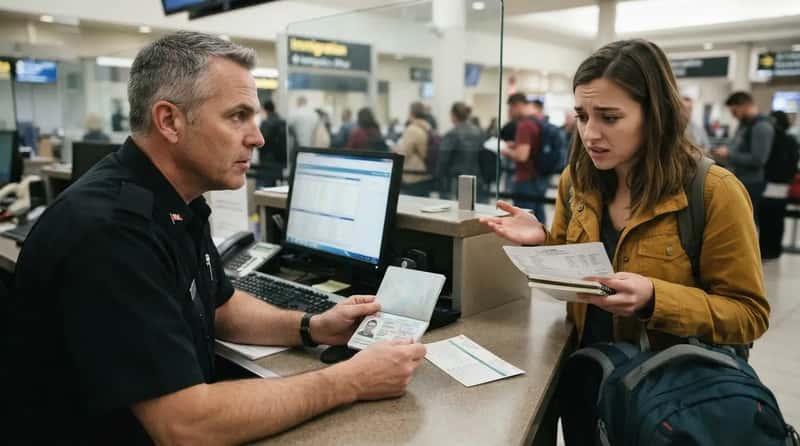
Nothing raises an eyebrow faster than a story that contradicts the paperwork already sitting in an officer’s hand. Maybe the stated purpose of the trip doesn’t match the visa type, or the length of stay doesn’t line up with the return ticket. Officers see the gap immediately, because comparing the story to the document is the entire job.
It’s rarely an actual lie. Most of the time it’s nerves scrambling a simple answer, or a traveler misremembering a date under pressure. But that mismatch is the first thing that gets written down, and it’s the detail that shapes every question that follows.
#19 – Telling a Different Story to Every Officer Who Asks
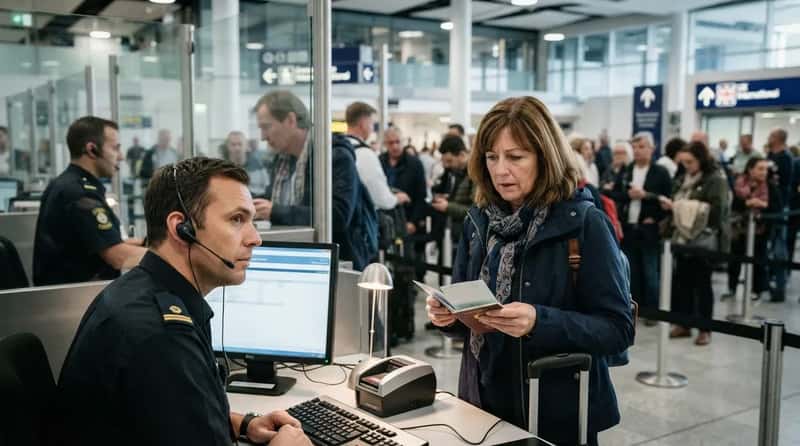
Some travelers get asked the same basic question twice, by two different officials at two different points, and give two slightly different answers without meaning to. Maybe the purpose of the trip changes from “visiting family” to “business,” or the length of stay shifts by a few days. It’s one of the fastest ways a completely routine stop turns into a longer one.
Officers aren’t hunting for a criminal here – they’re trained to notice inconsistency first and intent second. A small contradiction doesn’t prove anything on its own, but it’s exactly the kind of detail that earns a second conversation instead of a stamp and a nod.
#18 – Freezing Up During the Photo Scan
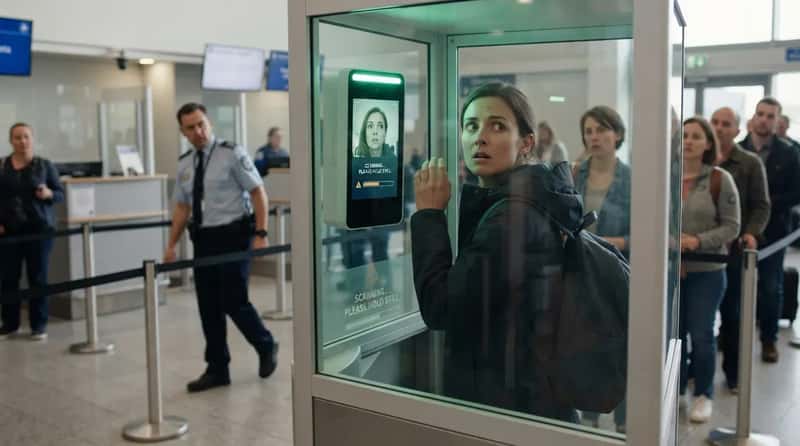
Modern entry points increasingly rely on facial comparison technology, matching a live photo against a gallery of a traveler’s previous immigration images. Most people don’t even notice it happening. The ones who do – and who flinch, look away, or refuse to hold still – stand out immediately, simply because they’ve introduced friction into a system built to move fast.
The irony officers bring up most often is that the technology itself is remarkably quick and accurate, often completing the comparison in a couple of seconds with well over 98 percent accuracy. It’s not the machine that slows the line down. It’s the hesitation.
#17 – Sweating Bullets Through the Entire Interview
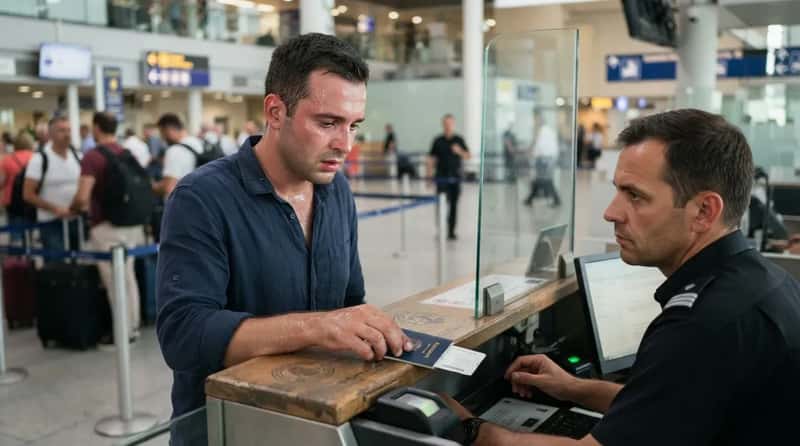
A little nervousness at the border is completely normal – officers expect it and barely register it anymore. Full-body panic is a different story, and it’s specifically the kind of behavior officers are trained to spot: trembling hands, a cracking voice, visible sweat, or an inability to hold eye contact for more than a second or two.
Most travelers land somewhere in the mildly-on-edge middle, and that’s fine. It’s the outliers who get remembered – not because nervousness means guilt, but because conspicuous anxiety is the one signal officers are trained never to wave through without a second look.
#16 – Turning the Booth Into an Accidental Therapy Session
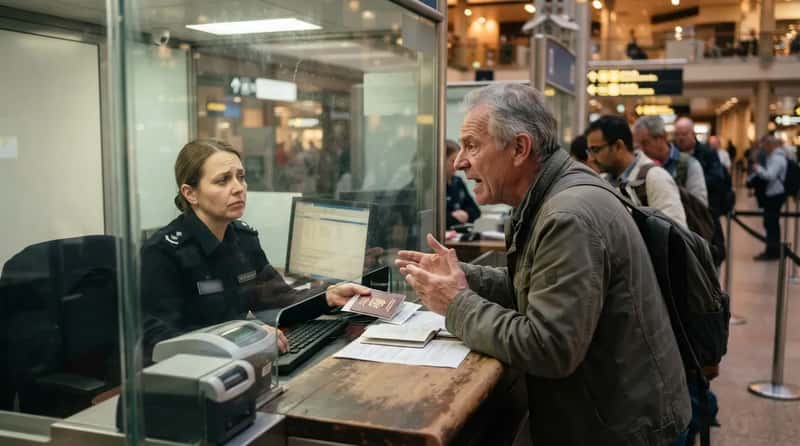
Some travelers treat the counter like a confessional, volunteering details about a messy divorce, a recent layoff, or family drama nobody asked to hear about. It feels natural in the moment to the person talking. From the other side of the glass, it looks like a lot of unnecessary information arriving all at once.
Every extra detail is one more thing an officer has to sort through, and oversharing has a funny way of introducing small contradictions that weren’t there a minute earlier. The travelers who move fastest are the ones who answer exactly what’s asked, then stop talking.
#15 – Trying to Smuggle Home Actual Mummy Wrappings
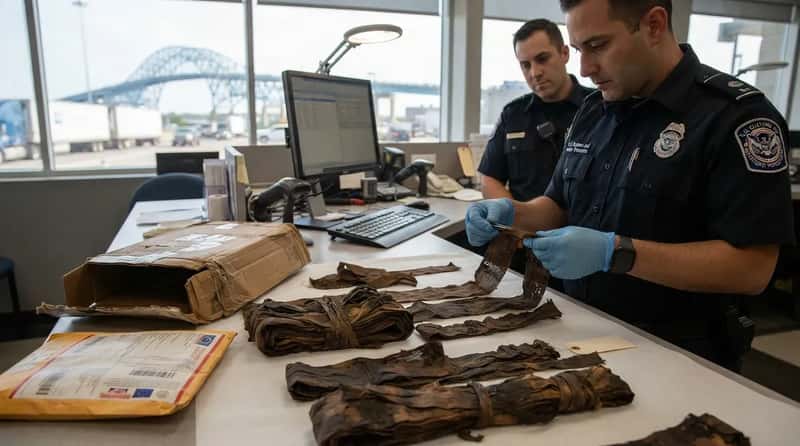
Officers have genuinely seen it all, including souvenirs travelers assumed were harmless keepsakes from a bucket-list trip. In one especially memorable case at the Blue Water Bridge crossing between Port Huron, Michigan, and Point Edward, Ontario, a package was intercepted containing strips of ancient Egyptian mummy linen – actual cloth once wrapped around mummified remains thousands of years old.
Beyond being illegal to remove from Egypt in the first place, the material can carry ancient organic matter that raises real health and biosecurity concerns. Officers say they’ve stopped being surprised by anything, and yet “historic burial wrappings” somehow still makes the highlight reel.
Worth Knowing
- Exporting Egyptian antiquities without government authorization has been illegal for decades under Egyptian law.
- Border agencies routinely seize cultural artifacts, fossils, and protected wildlife items at ports of entry around the world.
- Items suspected of carrying biological or organic material can trigger a joint response from customs and public health officials.
- Souvenirs that look ancient, organic, or oddly wrapped are almost always safer left exactly where they were found.
#14 – Strapping Live Turtles and Pigeons to Their Own Legs
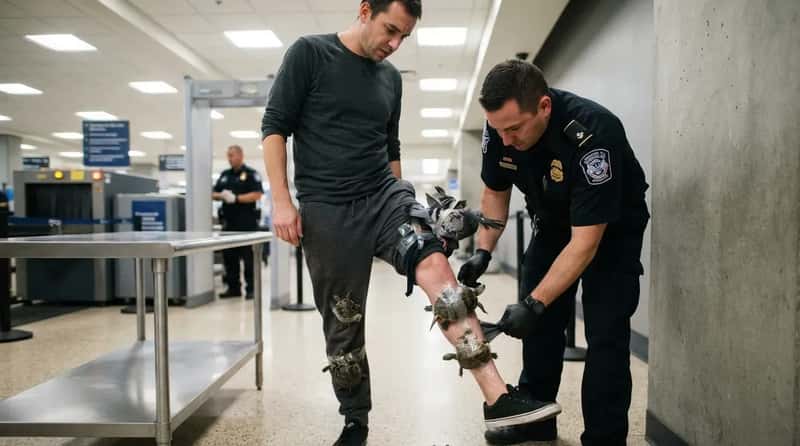
This sounds too strange to be true, but multiple officers have confirmed variations of it over the years. In one case, a man crossing from Canada into the U.S. taped more than 50 live turtles directly to his legs, hidden under a baggy pair of sweatpants – a plan undone by the simple fact that turtles are not great at holding still.
A similar case involved a traveler arriving in Australia with two live pigeons strapped to each leg with a pair of tights, discovered only after officers found suspicious eggs hidden inside a vitamin bottle. Both cases involve the same basic miscalculation: live animals do not cooperate with smuggling plans, and officers remember every single squirming detail.
#13 – Sighing, Eye-Rolling, and Muttering Through the Wait
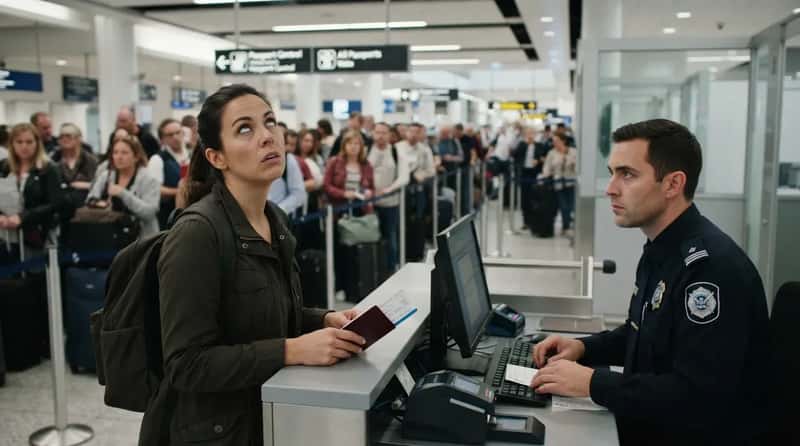
Long lines put everyone on edge, and some travelers make sure the officer knows exactly how they feel about it – with sighs, eye rolls, or complaints muttered just loud enough to hear. Officers remember the attitude far longer than the traveler ever expects them to.
It rarely changes the actual outcome of an inspection, but it absolutely changes the tone of the conversation that follows. A visibly frustrated traveler tends to get more questions, not fewer, simply because the officer is now paying closer attention than they would have otherwise.
#12 – Forgetting to Declare a Suitcase Full of Cash
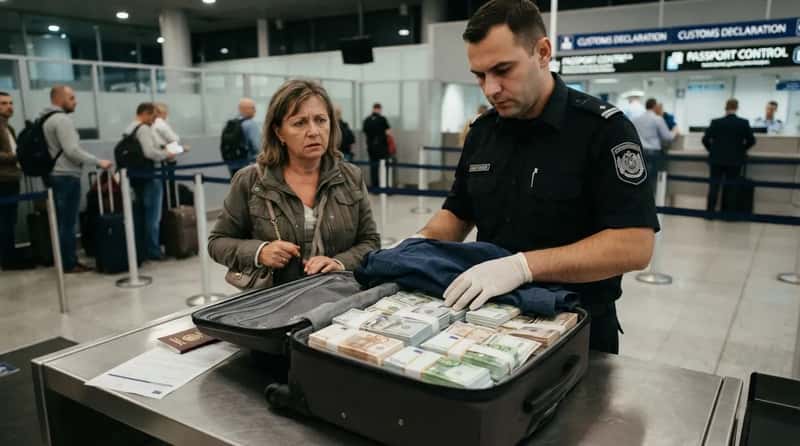
Travelers sometimes assume that declaring money is optional if the amount feels personal rather than suspicious – inheritance money, wedding gifts, savings being moved between countries. Officers see this exact misunderstanding constantly, and it’s one of the most avoidable slip-ups at any border in the world.
The stop that follows usually isn’t about wrongdoing at all. It’s about a form nobody thought to fill out, and it somehow catches perfectly honest travelers off guard on a near-daily basis, regardless of how many times the rule gets posted at the counter.
Quick Compare
- United States: cash and monetary instruments over $10,000 must be declared entering or leaving the country.
- European Union: a similar €10,000 threshold applies when crossing external EU borders.
- Canada: amounts of CAD $10,000 or more require a declaration at any port of entry.
- Undeclared cash isn’t automatically treated as a crime – but it can still be seized on the spot until ownership is sorted out.
#11 – The Kid Who Accidentally Rats Out the Whole Family
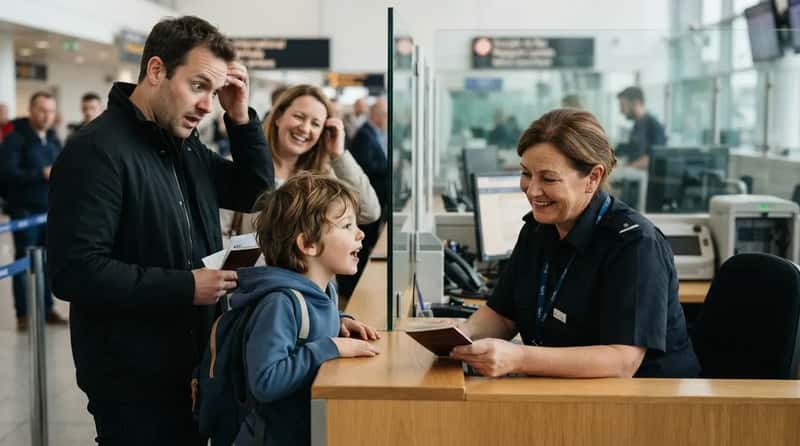
Officers have a soft spot for this one because it’s almost never malicious – it’s just kids being kids. A child mentions a detail that doesn’t quite match what a parent just said thirty seconds earlier, and suddenly a routine crossing needs a second, gentler look.
Most of the time it’s something completely innocent – a surprise gift, a side trip nobody mentioned, a grandparent’s name said differently. Officers say these moments are some of the ones they remember most fondly, because they’re funny rather than threatening, and because kids are simply terrible liars.
#10 – Falling Apart in Tears the Second the Stamp Hits
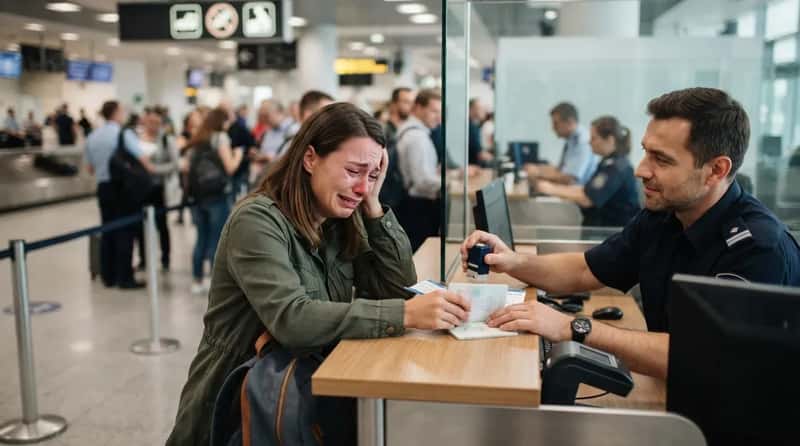
Arrival halls see some of the rawest, most unfiltered emotion in all of travel, and officers are often the very first witnesses to it. Family members separated for months or years by deployment, visas, or distance sometimes completely fall apart the instant a passport gets stamped and handed back.
These moments never make it into any official report. They’re the ones officers bring up years later, completely unprompted, the moment someone asks what the job is actually like underneath all the procedure.
#9 – Getting a Nod From an Officer Who Recognizes Your Face
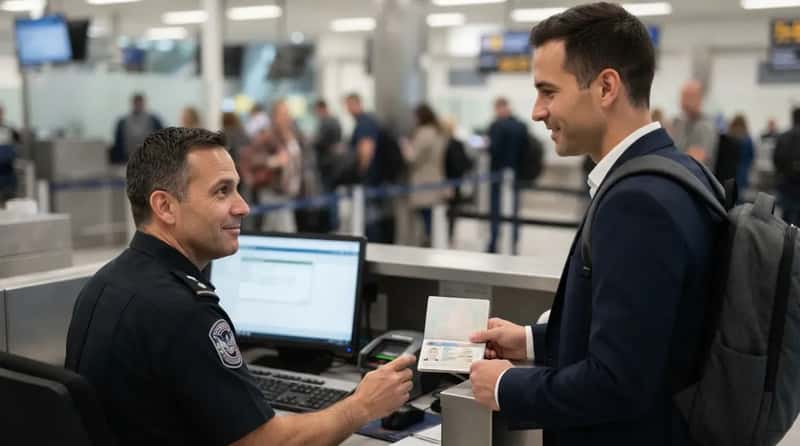
Business travelers who cross the same border every week sometimes get a small, almost imperceptible nod of recognition from an officer who’s seen their face dozens of times before. It’s a tiny human moment tucked inside an otherwise entirely procedural job.
Officers process thousands of strangers a week, and yet a familiar face still manages to stand out from the blur. It’s one of the quietest ways the job occasionally stops feeling procedural and starts feeling personal again.
#8 – Handing an Officer a Handwritten Thank-You Note
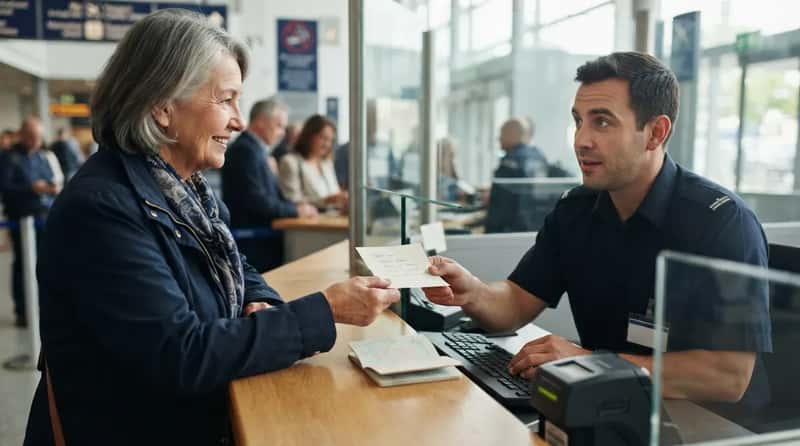
Every so often, usually an older traveler, someone hands an officer a small note of genuine appreciation – thanking them for their service, or simply for being kind during an exhausting trip. It’s rare enough that officers remember the exact moment distinctly, sometimes years later.
Most interactions at the counter are transactional by design, built for speed rather than warmth. A note like this breaks that pattern completely and instantly, which is exactly why it’s the kind of thing that sticks.
#7 – Coming Home in Uniform After Deployment
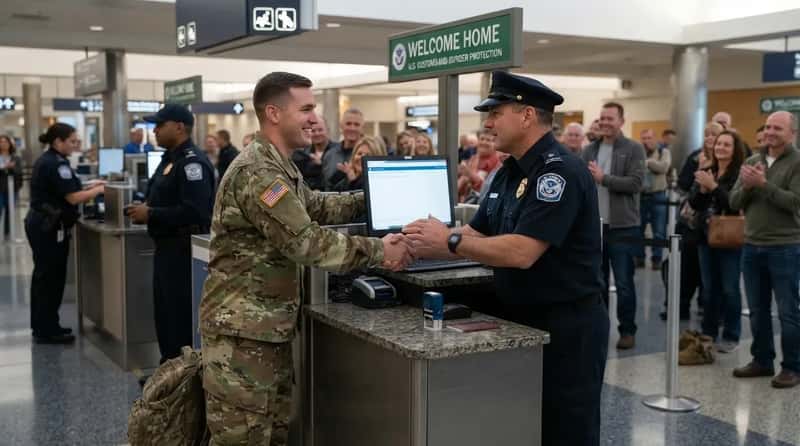
Military members returning from deployment create some of the most emotional scenes at any port of entry in the country. Officers often wave these travelers through with a nod, a firm handshake, or a quiet “welcome home” that carries more weight than any stamp could.
It’s one of the few moments where the formality of the booth briefly disappears entirely, replaced by something closer to gratitude. Officers consistently describe these exchanges as some of the most meaningful parts of an otherwise repetitive job.
Why It Stands Out
- Homecomings like these often draw spontaneous applause from strangers waiting in the very same line.
- Larger troop return windows sometimes prompt airports and ports of entry to keep a dedicated lane moving.
- Officers repeatedly describe these interactions as the ones that make a repetitive job feel worthwhile again.
- Even veteran officers admit these are the exchanges that get to them, no matter how many they’ve witnessed.
#6 – Asking the Officer for Directions to Baggage Claim
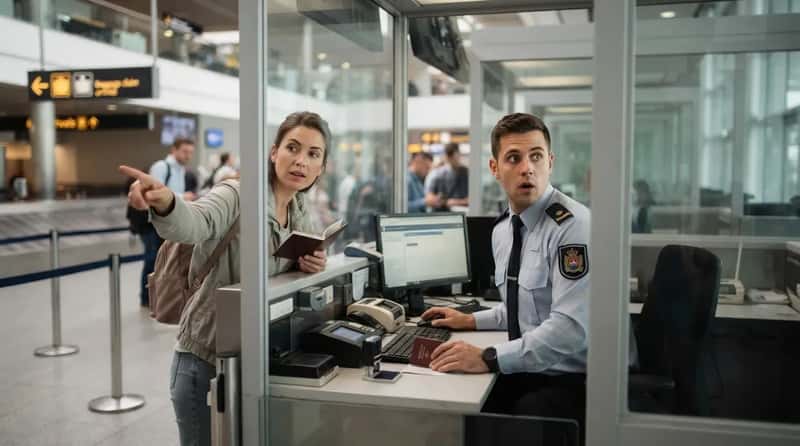
Some travelers treat the booth like an airport information desk, asking about gate numbers, taxi stands, or currency exchange in the middle of an official inspection. It’s completely harmless, but it always catches officers slightly off guard, since it’s so far outside the script of the job.
Most officers answer briefly, point a finger, and move the line along without missing a beat. It’s memorable simply because it’s such an odd, small collision between vacation mode and official business happening at the exact same moment.
#5 – Standing There Confused, Unsure Where the Stamp Even Went
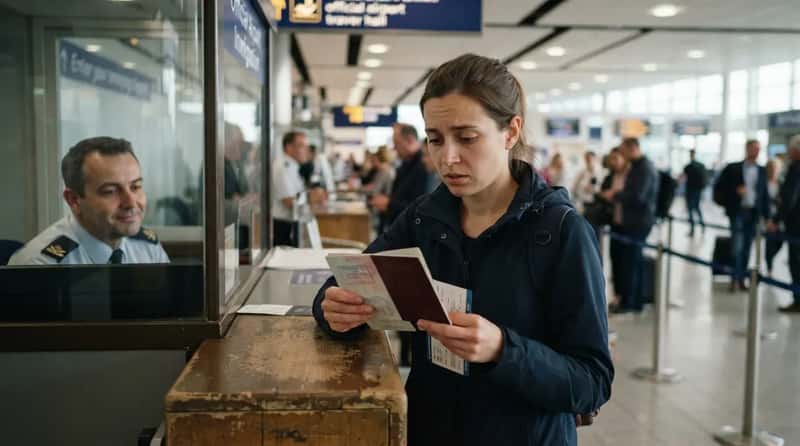
First-time international travelers often stare blankly when handed their passport back, unsure whether they’re supposed to check the new stamp, sign something, or just walk away. It’s a small, completely harmless moment that officers see constantly, especially at major gateway airports.
It’s also one of the clearest tells of a first-timer, and officers say there’s something oddly endearing about it compared to the practiced, almost robotic efficiency of frequent flyers moving through the same line.
#4 – Explaining Why the Name on the Passport Isn’t the Name Anymore
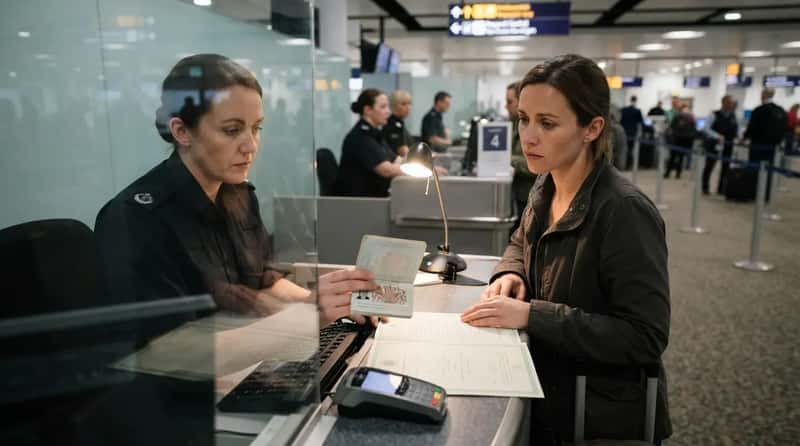
Marriage, divorce, and legal name changes create a surprising number of double-takes at the counter when a passport name doesn’t match a ticket, a hotel reservation, or a previous entry stamp. Officers have to slow down and verify identity carefully in these situations, no matter how straightforward the explanation sounds.
It’s rarely suspicious in any real sense, but it does require extra documentation that most travelers never think to carry until they’re standing there needing it. The delay is completely avoidable, which is exactly why officers remember it as a repeat offender year after year.
#3 – Showing Up With a Face That Doesn’t Quite Match the Photo
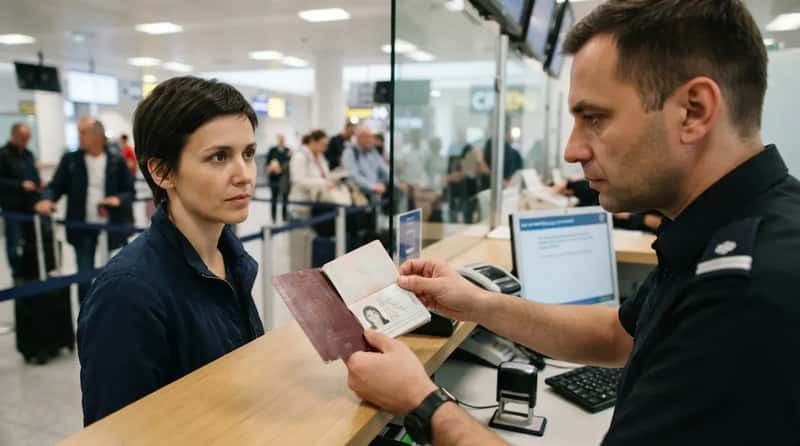
Officers are trained to compare more than a general resemblance, because appearances change and people know it. A new haircut, a beard grown out, weight loss, colored contacts, or cosmetic surgery can all be enough to trigger a longer, closer look at the document itself.
In rarer cases, the concern isn’t the traveler’s face at all – it’s the photo. Officers occasionally catch passports where the image itself has been quietly altered or digitally morphed, and those cases require real forensic attention, not just a glance and a nod.
#2 – Actually Reading the Officer’s Name Tag and Saying Thank You
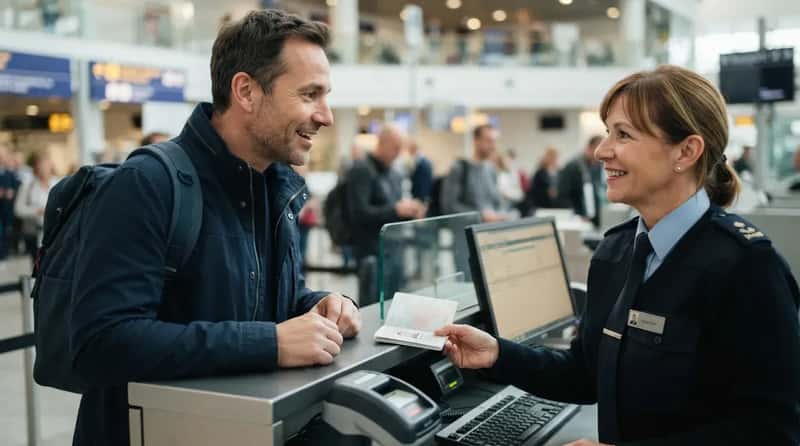
Most travelers never once look at the name badge sitting a few feet in front of them. The rare person who does – and actually uses the name out loud – tends to leave a lasting impression on what is otherwise a fairly anonymous, repetitive job.
It’s such a small gesture, barely two extra seconds, yet officers describe it as one of the things that makes a high-pressure, high-volume job feel human again, even if only for a moment.
#1 – The Reunion That Makes the Whole Line Stop and Watch
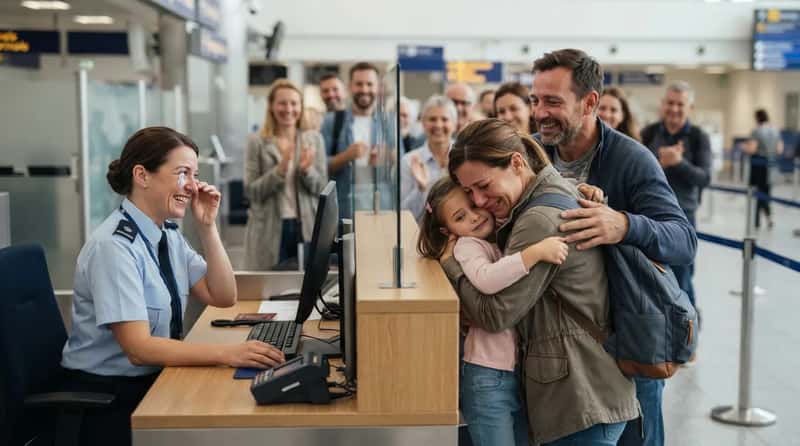
Every officer eventually witnesses the moment a family separated by deployment, immigration delays, or years of paperwork finally reunites right there at the counter. These are never quiet moments – they come with tears, shouting, running, and strangers waiting in line who start clapping without anyone asking them to.
It’s the one scene that veteran officers bring up completely unprompted, years into the job, whenever someone asks what actually stays with them. Everything else at the booth is procedure, timing, and paperwork. This is the part that isn’t – and it’s the reason most officers say the job is worth it.
Passport control looks like a formality from the outside – a glance, a scan, a stamp. But officers see the entire spectrum of human behavior compressed into thirty-second windows, thousands of times a day, and the patterns rarely change. The jokes fall flat the same way every single time. The nervous sweating gets noticed the same way every single time.
And every so often, in the middle of all that routine, a family reunion still stops the whole line cold – and reminds everyone standing there, officers included, why the job matters in the first place.