Most first-timers think a cruise starts when they walk up the gangway. Veterans know the best parts of the week are usually decided weeks earlier, from a living-room couch, while newcomers are still scrolling photos of the buffet.
By the time a first-timer is dragging a suitcase toward the terminal, the quiet cabin, the good dinner slot, and the backup plan are often already taken. None of it is glamorous, which is exactly why so many people skip it. Here are the 25 arrangements insiders lock in early, starting with one that can end a trip before the ship is even in sight.
#25 – The Passport Rule That Quietly Cancels Vacations
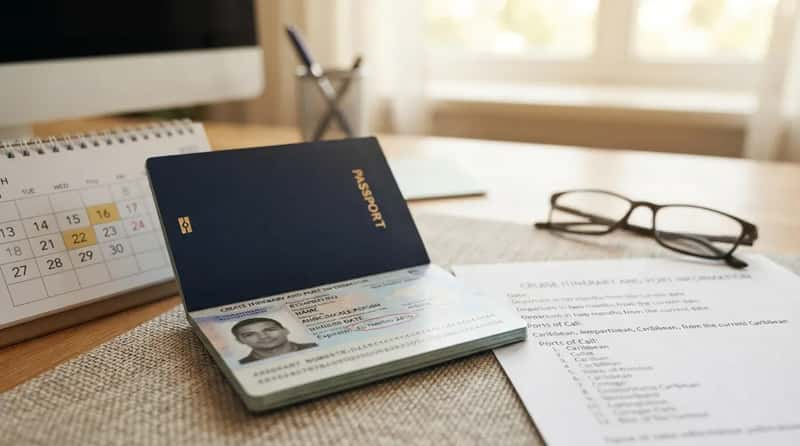
A valid passport isn’t always valid enough. Some countries require it to stay valid for months beyond your trip, and cruise lines often tell guests to check each port’s rules. Veterans look at the expiration date the day they book.
Renewals aren’t instant either. Routine passport processing can take weeks, and that’s before any delay. Experienced cruisers renew early rather than gamble on a rush fee.
But that’s nothing compared to the policy decision veterans make right after booking.
#24 – The Insurance Window That Closes Faster Than You’d Think

Travel insurance is not something to buy the night before. Many policies that cover pre-existing conditions require you to buy within a limited window after your first trip deposit. Veterans buy right after paying, not right before leaving.
They also know that many domestic health plans, and Medicare in most cases, don’t cover care outside the U.S. A ship’s medical center bills for its services too. Medical evacuation coverage is the line item they read twice.
Fast Facts
- Pre-existing condition waivers often require purchase within roughly 10 to 21 days of your first deposit, depending on the insurer.
- Medical evacuation from a remote port can run into five figures without coverage.
- “Cancel for any reason” upgrades usually reimburse only part of your trip cost, and they carry their own purchase deadlines.
- Veterans screenshot the policy number and the 24-hour assistance line before they sail.
Dining is where the next arrangement gets competitive.
#23 – Specialty Restaurant Reservations Are Gone by Embarkation Day

Many cruise lines let you reserve specialty restaurants before you sail, often through an app or website. Prime evening slots go first. Loyalty members frequently get earlier access, so veterans mark the opening date on their calendar.
Here’s a take that will annoy some people. While many first-timers treat the steakhouse as the must-do, plenty of veterans argue the free main dining room has the better value on most nights. They book one special night and leave the rest open.
Then there’s the booking that comes with an actual guarantee.
#22 – Why Veterans Book Ship Excursions for the Risky Ports

Excursions sold by the cruise line come with a safety net. If the tour runs late, the ship is generally expected to wait for you. If you booked independently and get stuck, the ship’s schedule doesn’t change.
Veterans split the difference. They book the ship’s tour when the site is far from the dock and go independent when everything is within walking distance. Small-group tours with local operators can sell out, so they secure those early.
The next one has nothing to do with sightseeing, and everything to do with your health.
#21 – The Pill Bottle Mistake That Starts at the Airport

Medications belong in your carry-on, in their original labeled containers. Checked bags can be delayed, and your luggage won’t reach your cabin until later anyway. Veterans pack extra days’ worth in case of travel delays.
Some countries restrict certain medications, even common ones. A drug that’s routine at home can be controlled in another country. Experienced travelers check each port country’s rules before they go.
Another health fix can’t be bought once you’re aboard, and it works best when it starts early.
#20 – The Seasickness Prep That Has to Start Hours Before Boarding

Waiting until you feel queasy is the classic mistake. Remedies tend to work best when started ahead of time. In the U.S., the scopolamine patch requires a prescription, so veterans call their doctor weeks out.
The patch also isn’t instant. It generally needs to go on hours before you need it and lasts for a few days. Others stock ginger chews, wristbands, or over-the-counter options, and they test them at home first.
Your cabin’s location matters here too, which brings us to the next one.
#19 – Where Your Cabin Sits Matters More Than What It Looks Like

Midship cabins on lower decks usually feel less motion than cabins at the front or back on high decks. Veterans choose position first and view second. That’s why the “cheap” cabin at the end of the ship can be a gamble.
They also open the deck plan and check what’s directly above and below. A cabin under the pool deck or beside a nightclub can mean a noisy week. Galleys, laundries, and theaters can cause the same trouble.
That’s the cabin. The drinks are a bigger math problem.
#18 – The Drink Package That Isn’t the Bargain You Think
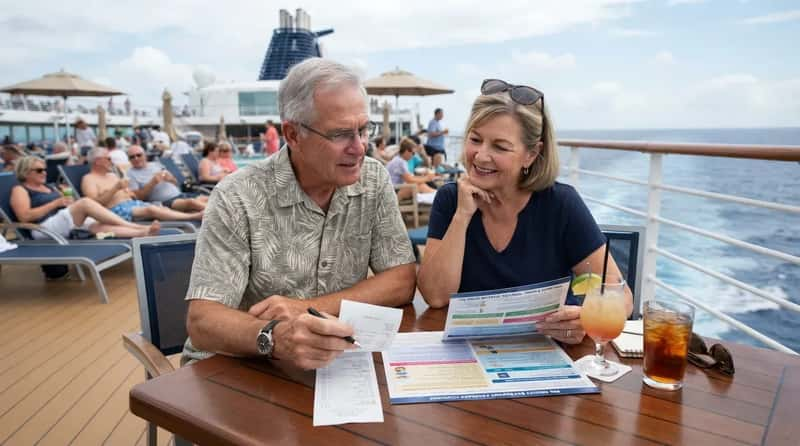
Many lines require every adult in the cabin to buy the same package. Prices can drop during pre-cruise sales, so veterans watch for those. They also read the fine print on what’s included and what’s capped.
Here’s the controversial part. Many veterans say a drink package only pays off if you drink steadily every day, and light drinkers often lose money. They add up their typical daily drinks first and compare it to the daily price.
Staying connected is its own calculation.
#17 – The Wi-Fi Plan That Gets Cheaper Before You Sail

Internet packages are often priced differently before sailing than onboard. Veterans compare plans by number of devices and what’s actually covered, whether browsing, messaging, or streaming. Several major lines have added low-earth-orbit satellite service, which has improved onboard connections.
They also decide who truly needs to be online. One shared plan for a trip that’s meant to be a break can save real money. Others skip it entirely and download shows and maps at home.
Next up, the mistake that costs the most when it goes wrong.
#16 – Flying In the Same Day Is the Gamble Veterans Refuse
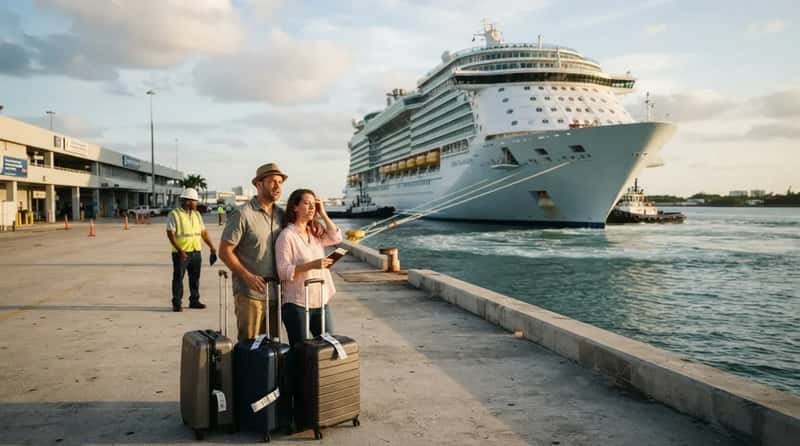
A ship sails on schedule, whether or not your flight does. If you booked air on your own and it’s delayed, that’s your problem. Veterans commonly fly in the day before.
That extra night is a cheap safety margin. One weather delay can turn a prepaid week into a missed boat. They book a refundable hotel near the port and treat it as part of the cruise cost.
Quick Compare
- Same-day arrival: Lowest upfront cost, but one delay can leave you watching the ship from the pier.
- Day-before arrival: Costs a hotel night, but it buys a cushion for cancellations and weather.
- Cruise-line air: Often comes with help if your flight is disrupted, though terms vary by line.
Once you’re on the ground, there’s still some paperwork to finish.
#15 – The Online Check-In That Decides How Your Day Starts

Most lines require online check-in before you travel. That usually includes entering passport details, uploading a photo, and picking an arrival window. Skipping it can mean delays at the terminal.
Veterans do it as soon as it opens. The better arrival windows tend to go to people who check in early. They also save their documents on their phone and keep printed copies handy.
And then there’s the bag problem nobody mentions.
#14 – Your Suitcase Won’t Show Up When You Do
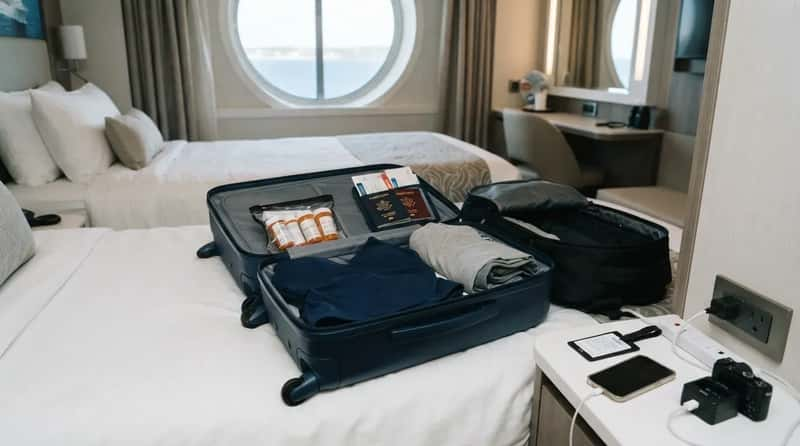
Checked bags go through the terminal and typically reach your cabin hours after you board. Veterans pack a carry-on for that gap. It holds a swimsuit, medication, documents, and a change of clothes.
They print luggage tags at home too. Without proper tags, a bag can be delayed in reaching your cabin. It’s a small chore that avoids a long first afternoon in the clothes you flew in.
Once the bags arrive, the next question is where to plug things in.
#13 – The Power Strip That Might Get Confiscated
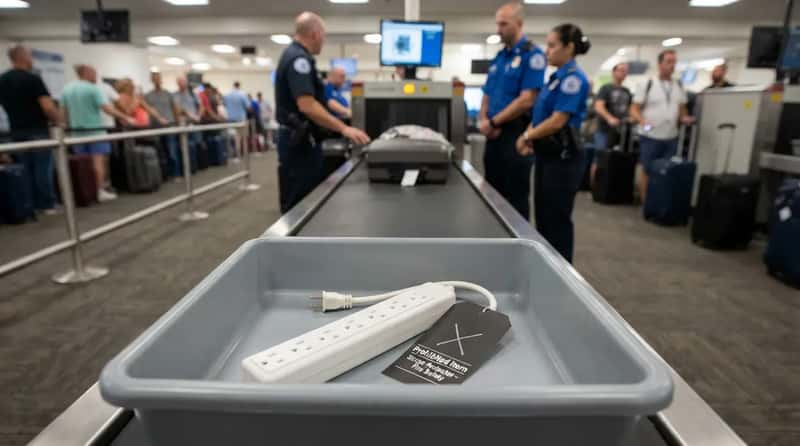
Cabins have few outlets, and a phone, camera, and watch can fight over them. Veterans bring a power strip. But they check the line’s policy first.
Many lines ban surge-protected strips and allow plain ones. The ban usually comes down to fire safety. Anything that violates the rules can be taken away at security.
Cabin space has its own secret.
#12 – The Cheap Magnetic Hook That Veterans Swear By

Cabin walls are typically metal, so magnets stick. Veterans bring magnetic hooks, clips, and organizers to hang hats, lanyards, and bags. It frees up scarce counter space.
Cabins are small, and the gear fixes that. A few hooks can turn a cramped room into a usable one. They also bring an over-the-door organizer for toiletries.
Gratuities are the next thing to settle.
#11 – The Tip Decision Made Before You Pack

Most lines add automatic daily gratuities or service charges to your account. Veterans know the rates in advance. Some prepay them to lock in the price and avoid surprises at the end.
They also plan for extras. Automatic charges usually don’t cover every service, so many bring a little cash for people who go beyond. They’d rather decide at home than at the bar tab.
Money has one more trap, and it follows you ashore.
#10 – The Card Setup That Prevents a Frozen Account

Ships run on cashless onboard accounts, but ports don’t. Veterans tell their bank they’re traveling. They also check foreign transaction fees before they leave.
They carry small bills too. Taxis and market stalls in many ports don’t take cards, and ATMs near the pier can charge steep fees. A little local currency or small U.S. bills goes a long way.
Worth Knowing
- Many cards add a foreign transaction fee of around 3 percent, while some travel cards charge none.
- A travel notice in your banking app can stop a surprise fraud freeze in a distant port.
- Carry a backup card stored apart from your main one.
- Small bills beat large ones when a taxi driver “has no change.”
Next comes a request people only make once.
#9 – Allergy and Diet Requests Can’t Wait Until Dinner
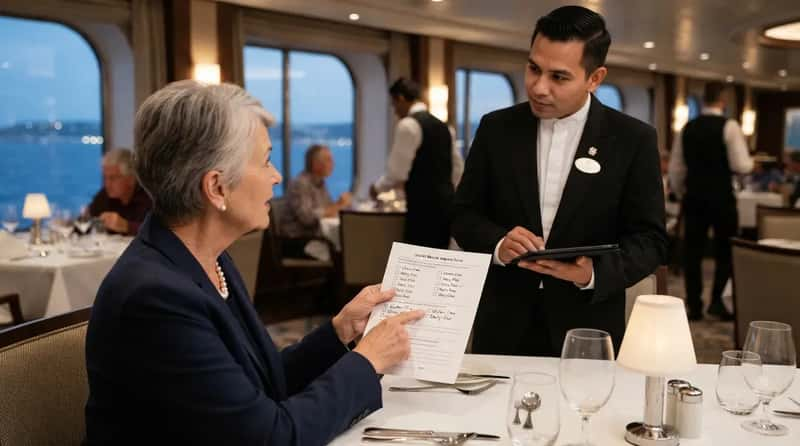
Food allergies and dietary needs should be communicated to the cruise line well ahead. Lines have special-needs forms for this. Veterans fill them out as soon as they book.
They don’t stop there. They confirm again onboard with the dining staff on the first night. Kitchens can handle a lot, but only when they have time to prepare.
Mobility needs add another layer of planning.
#8 – Accessible Cabins Are Limited, and Tender Ports Add a Twist
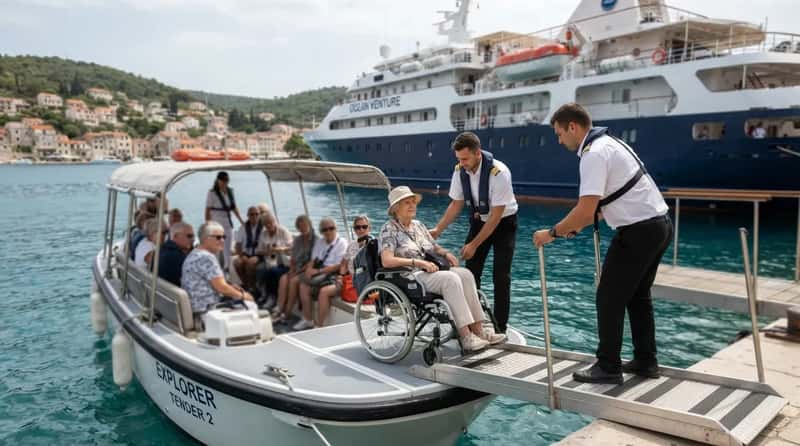
Accessible cabins are limited on every ship. Veterans who need them book early and submit requests for equipment or assistance in advance. Waiting means choices disappear.
Ports are the hidden challenge. At some ports, passengers ride small tender boats to shore, and those can be difficult for wheelchair users. Experienced travelers ask the cruise line about each stop before choosing an itinerary.
Back onboard, there’s a seating choice that shapes your evenings.
#7 – The Dinner Seating Choice That Shapes Your Whole Week
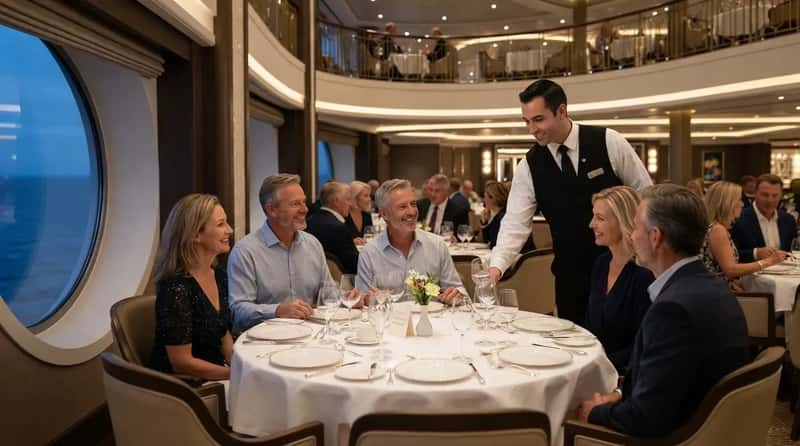
Some ships offer fixed seating at the same table and time each night. Others let you dine whenever you want. Veterans pick based on how they like to travel.
Large groups and special occasions need advance notice too. Birthday and anniversary requests are easier to honor when the line knows ahead of time. Veterans send them in before sailing instead of hoping the staff finds out.
Some of the best friendships happen before anyone boards.
#6 – The Online Group Chat That Starts Before Departure

Sites like Cruise Critic host “roll calls,” where passengers on the same sailing find each other. Veterans join early. They swap tips, plan meet-ups, and sometimes organize their own excursions.
It’s a small step that changes the week. You can arrive already knowing people on the ship. It also surfaces real, recent advice about that exact itinerary.
And then there’s the fine print for the ports themselves.
#5 – The Port Entry Form Nobody Mentions at Booking

Some countries require advance electronic authorizations or visas, and cruise passengers aren’t always exempt. Veterans check the rules for every port on their itinerary, not just the first one. It takes minutes, but skipping it can cost you a port.
Requirements change over time. Official government sites are the only reliable source, not forums or old blog posts. Experienced cruisers check again a few weeks before sailing.
Before you even get on the ship, there’s a parking problem.
#4 – Port Parking and Transfers Are Booked, Not Improvised
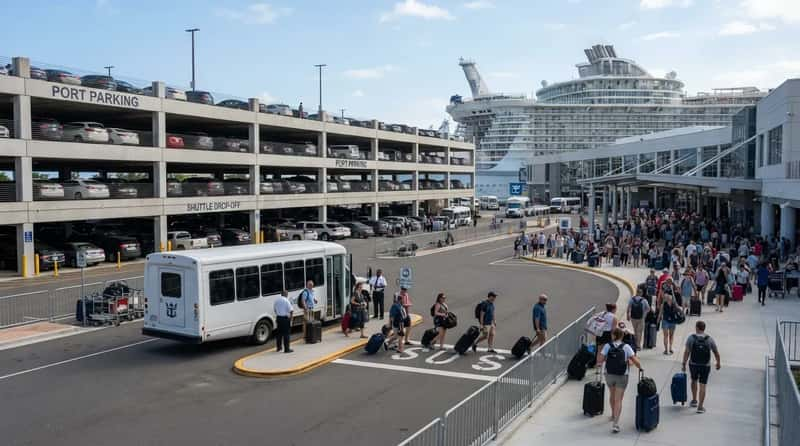
Driving to the port saves airfare, but parking at busy terminals can fill up. Veterans reserve a spot in advance. Many also compare the port’s lot with off-site options and shuttles.
Transfers from the airport need a plan too. Waiting in a long taxi line with a deadline looming is a rough start. Pre-booked shuttles or rides take the guesswork out.
Once you’re onboard, the best time slots go quickly.
#3 – Spa Appointments and Big Shows Sell Out Early
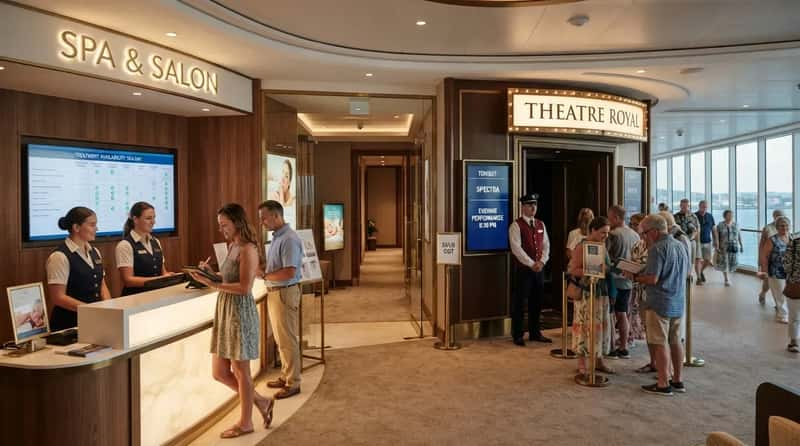
Popular spa treatments and ticketed shows can fill up, especially on sea days. Veterans check what can be reserved before sailing. They book the must-do items first and keep the rest flexible.
There’s a money angle as well. Many ships run discounted spa specials on port days, when most guests are ashore. Savvy cruisers plan treatments around that schedule.
Families have their own deadline.
#2 – Kids’ Club Registration Can’t Be Done at the Last Minute

Youth programs usually require parents to register children and sign forms. Many lines offer this online before the cruise. Veterans do it early to avoid a long line on day one.
Age groups and hours vary by ship, so they read the details. Missing the pre-registration can mean waiting while other kids head off to activities. It’s a small task that gives parents the first afternoon back.
But the last arrangement is the one veterans hope they never use.
#1 – The Missed-Ship Plan That Only Veterans Write Down

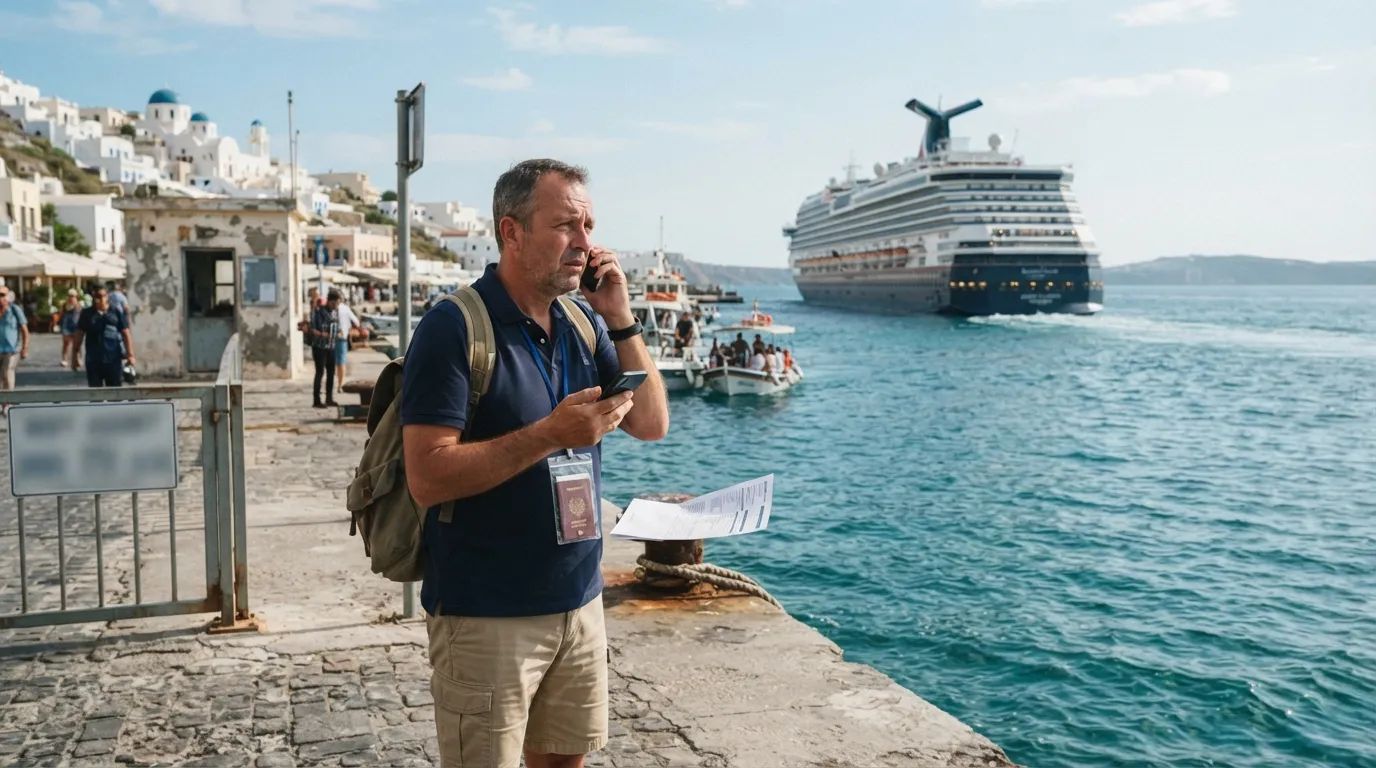
If you miss the ship in a port, the cruise line generally isn’t obligated to wait or pay to get you back. You’re responsible for reaching the next port, usually with your passport. Veterans know this before they leave home.
So they prepare. They keep the ship’s port agent contact and emergency numbers in their phone and on paper. They carry copies of their passport, and they tell someone back home the itinerary. It’s the arrangement that saves a trip when everything else goes wrong.
At a Glance
- Note the all-aboard time, which is often 30 to 60 minutes before the ship actually sails.
- Save the cruise line’s emergency number and the port agent’s contact in your phone.
- Keep a photo of your passport page and boarding card.
- Carry a card with enough room for a last-minute hotel or flight.
The smartest cruisers aren’t luckier than everyone else. They just finish the dull tasks early (passports, insurance, reservations, and a backup plan) so the ship can do the rest.
Most of the biggest regrets on this list come from deadlines that passed quietly weeks before anyone stepped onboard. Which one would have caught you off guard?