Travel manners never stay still for long. What felt mandatory on a flight or a walking tour a decade ago can now seem almost quaint, like something out of an old in-flight magazine. Some of these shifts happened because the travel experience itself changed, cramped economy cabins, budget carriers, smartphones in every pocket, while others faded simply because enough people stopped bothering and nobody pushed back. Here is a closer look at four etiquette habits that used to feel like common sense and have since slipped quietly out of practice.
1. Dressing up for the flight
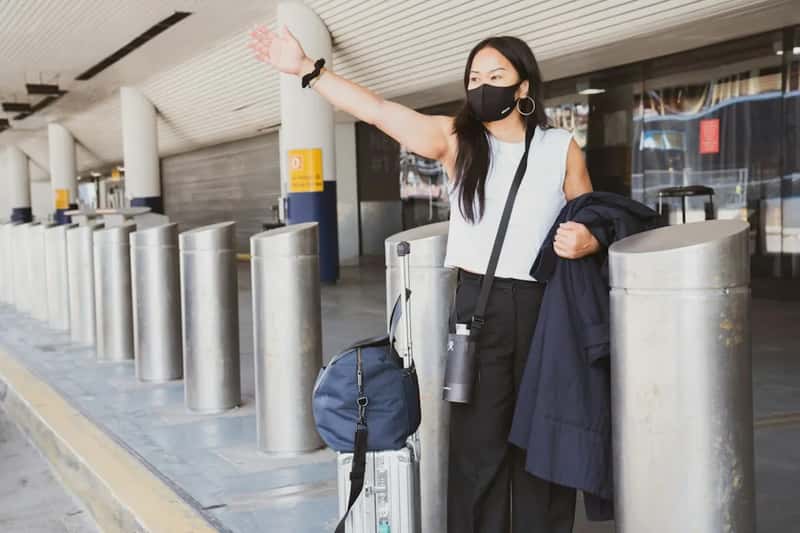
There was a time when getting on a plane meant putting in some effort, a blazer, real shoes, maybe a scarf if you wanted to look the part. That expectation traces back to an era before the Airline Deregulation Act of 1978, when flying was still an occasion rather than a commute, and airlines themselves matched that tone with silverware and tablecloths even in economy. Elaine Swann, founder of the Swann School of Protocol, has noted that people used to dress a little more elevated because travel was treated as an elite experience.[1]
That formality has largely evaporated, replaced by athleisure and whatever feels comfortable for hours in a middle seat. The shift became newsworthy again in late 2025 when the U.S. Department of Transportation launched a civility campaign urging passengers to dress “with respect,” a move that landed awkwardly with much of the flying public. Sarah Silbert, a strategist at the flight search engine Points Path, described the guideline as unenforceable, calling it more of a soft nudge about travel etiquette.[2] Rather than reviving pillbox hats and tailored suits, the backlash mostly produced more sweatsuits, not fewer, proof that this particular rule is not coming back on command.
2. Asking permission before reclining your seat
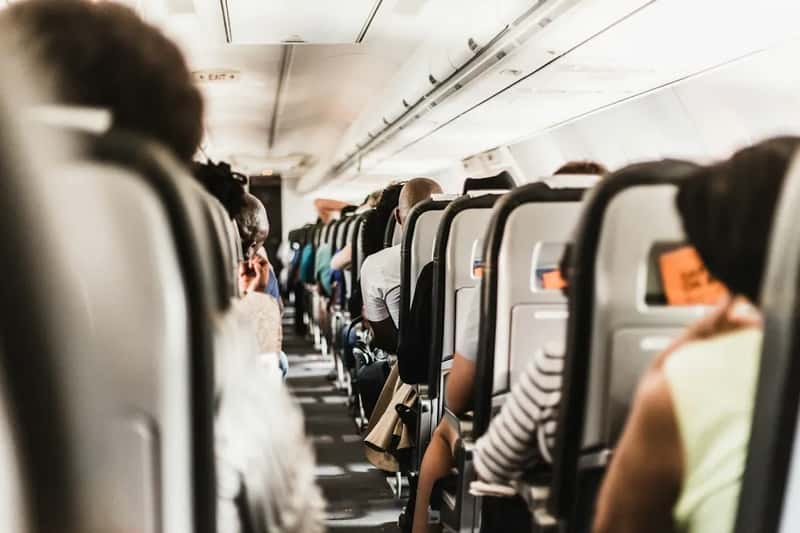
For a while, the polite move before tilting your seat back was a quick glance, or even a spoken heads up, to the person behind you. That norm got a very public airing in 2020 when a Delta passenger was filmed repeatedly punching a reclined seat in front of him, prompting airline leadership to weigh in on what counted as good manners at thirty thousand feet. Delta CEO Ed Bastian told CNBC that customers have the right to recline, but added that the proper thing to do is ask if it’s okay first.[3]
That stance did not hold up well against the reality of shrinking legroom and rising ticket prices, and etiquette experts have since pushed back on the idea that permission is required at all. Elaine Swann has advised against asking for permission to recline, suggesting a simple glance is enough and that going so far as to ask the other person isn’t necessary.[4] A flight attendant with decades on the job put it plainly in a widely read CNN opinion piece, noting that nobody has to ask for permission to recline their seat[5]. The debate has not gone away, but the expectation of asking first has quietly lost its grip, replaced by an unspoken assumption that reclining is simply part of the deal.
3. Clapping when the plane lands
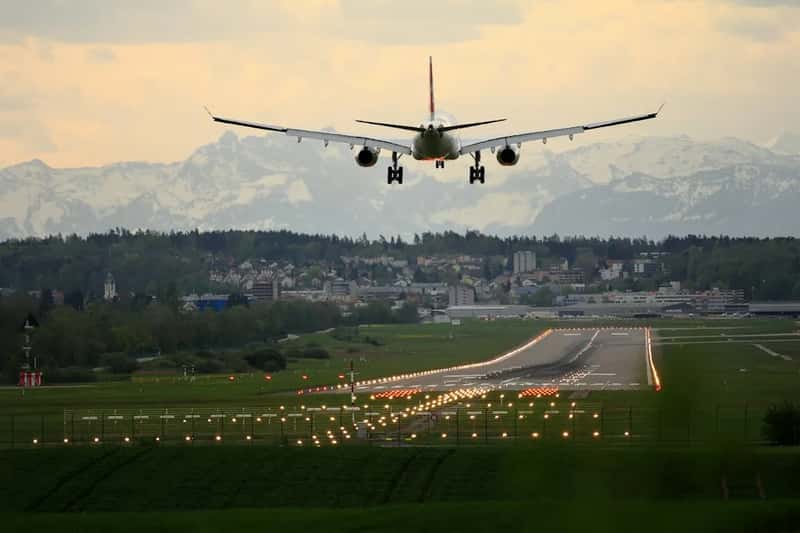
Applause on touchdown used to feel almost automatic on certain routes, a burst of relief shared by strangers who had just landed together. The habit is not as old as people assume, tracing back at least to a documented case from 1948 when passengers clapped after a plane with malfunctioning landing gear touched down safely in Cincinnati. Research by Mic.com found that first recorded example, and while there are likely earlier cases, clapping does not appear to be an early tradition.[6]
Today the gesture survives in pockets, more common in Southern Europe than Scandinavia, and notably strong in places like Georgia and Bulgaria, but it has clearly fallen out of favor as a general norm. A Wizz Air survey found that Georgia and Bulgaria were the European countries whose passengers clapped the most after landing, at seventy five and seventy percent respectively, while Western European countries were less likely to clap.[7] Online sentiment has turned sharper too, with one social media commenter mocking the practice as “clapping for doing their job correctly.”[7] A recent Australian survey even found that clapping barely registers as an annoyance compared to other travel behaviors, suggesting the ritual has become more of a punchline than an actual etiquette flashpoint.
4. Asking permission before photographing strangers
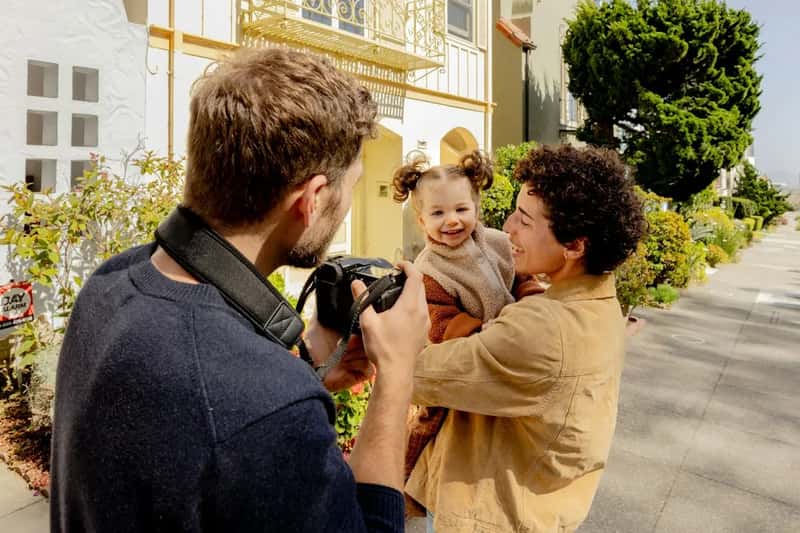
Travel photography guides used to be fairly unanimous on this point, always ask before pointing a camera at someone you do not know, especially in a market, a village, or near a place of worship. The advice was straightforward, never sneak pictures of people without their knowledge, ask permission, and if the answer is no, respect that.[8] That principle still gets repeated in ethical travel photography guides, and it remains genuinely important in places with specific cultural or religious sensitivities around images.
In practice, though, smartphones and the constant pull of social media have worn that habit thin for a lot of casual travelers. As one travel photography guide put it, photography is easier than ever, and with the lure of social media, everyone is snap happy on vacation.[9] Even photographers who care about the ethics of the craft acknowledge the tension, noting that asking permission to take a stranger’s photo really depends on the situation, since it’s much easier to capture a candid moment if the subject is unaware[10]. The result is a quieter, more casual approach to street photography abroad, one where geotagged posts and quick candid shots have largely replaced the deliberate ask first habit that older guidebooks insisted on.
These four shifts share a common thread. None of them vanished because someone declared the old rule obsolete. They faded because travel itself changed shape, tighter cabins, cheaper fares, camera phones in every hand, and the etiquette simply drifted along with it. Whether that counts as progress or just a loss of ceremony probably depends on who you ask, and where they are sitting on the plane.