Atlases aren’t as fixed as they look. Over the past few decades, several countries have quietly or loudly swapped the names we learned in school for new ones. Some did it to settle old disputes, some to reclaim a local identity, and some simply to avoid being mixed up with something else.
Here are five cases, ordered from the most recent to the oldest. Each one has a different story, and in a couple of them the old name still hasn’t entirely gone away.
Türkiye (formerly Turkey)
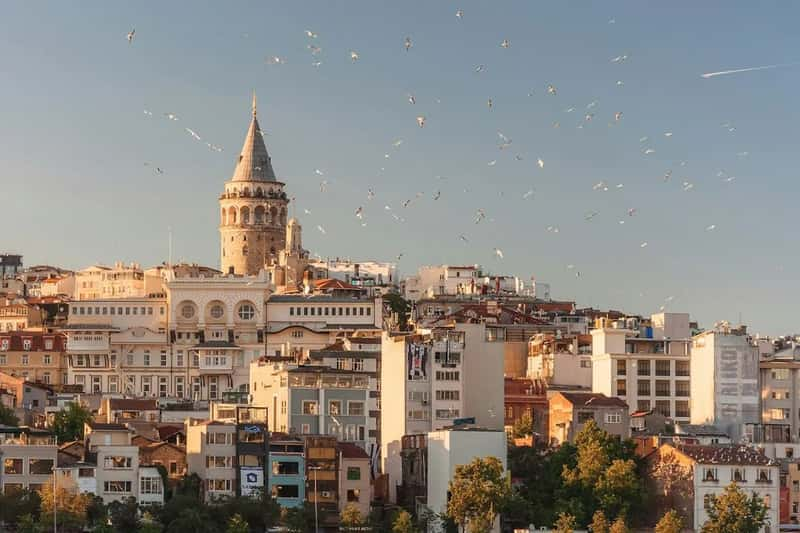
The most recent change on this list came in 2022. Turkey began the push in December 2021, when President Recep Tayyip Erdogan released a memorandum asking the public to use Türkiye in every language.[1] Erdogan also advised companies to label exports as made in Türkiye and told state agencies to use the name in their correspondence.[1] The formal step followed in June, when the UN received a letter from Turkey’s foreign minister asking it to use Türkiye instead of Turkey for all affairs.[1]
The change took effect from the moment that letter was received.[1] Supporters described it as aligning the country’s English name with its Turkish name.[2] There was also a practical side, since the update helps distinguish the country from the bird of the same name in English.[3] Funnily enough, the bird takes its name from the country, because guinea fowl first reached Europe via Turkey and were called turkey hens.[4]
North Macedonia (formerly Macedonia)
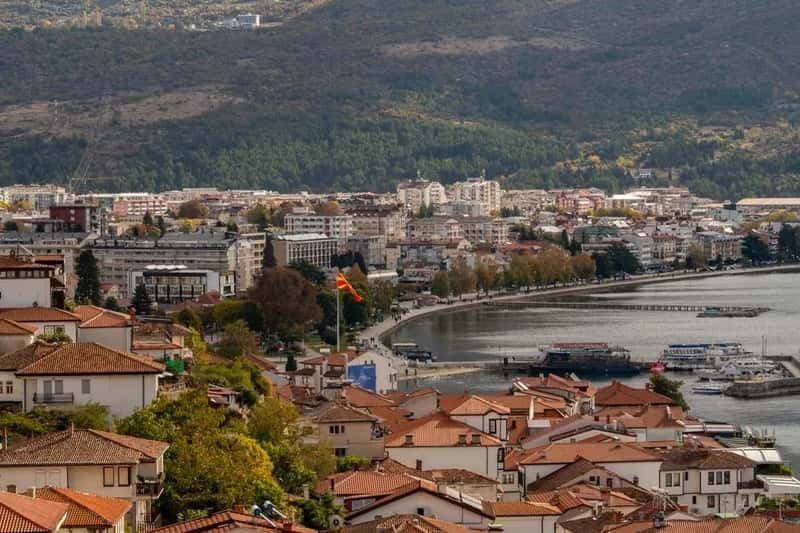
This one took nearly three decades to resolve. After declaring independence from Yugoslavia in 1991, the country chose the name Macedonia.[5] Greece refused to recognise it under that name because of sensitivities over the term Macedonia.[6] In the meantime, the country was provisionally recognised at the UN as the former Yugoslav Republic of Macedonia.[7]
The breakthrough was the Prespa Agreement, which the foreign ministers of Greece and Macedonia signed on 17 June 2018.[6] Macedonia amended its constitution on 11 January 2019 with a two thirds majority vote,[8] and the Greek parliament ratified the agreement on 25 January.[7] The change became official in February 2019,[5] and North Macedonia joined NATO on 27 March 2020.[9] Not everyone at home was pleased, and the opposition party VMRO-DPMNE opposed parts of the deal, notably the name change.[9]
Eswatini (formerly Swaziland)
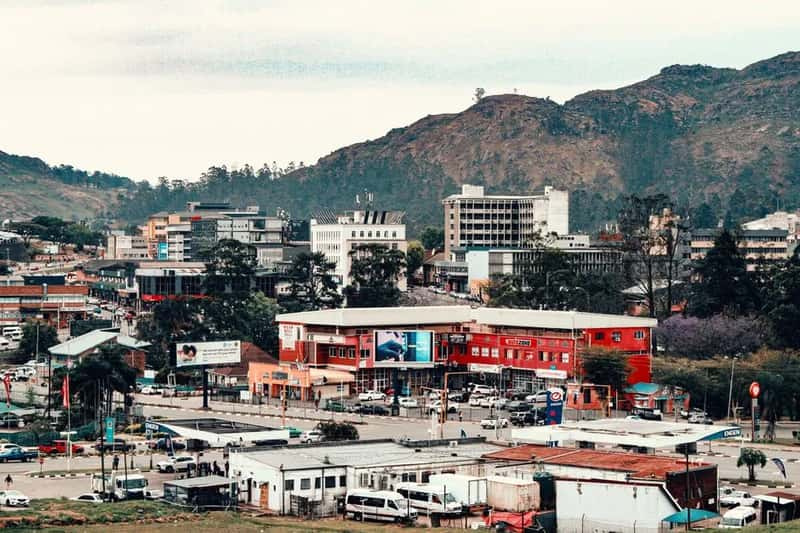
Eswatini’s switch was announced with a flourish. King Mswati III revealed it on April 19, 2018, during celebrations of 50 years of independence and his own 50th birthday.[10] The king said the country was reverting to the name it had before British colonisation,[11] and the new name means land of the Swazis in the Swazi language.[12] He also pointed out a very practical annoyance: when he travelled abroad, people referred to his country as Switzerland.[11]
The change wasn’t a surprise to those paying attention. Lawmakers had considered the new name in 2015, and the king had already used it in earlier official speeches.[10] A later gazette made it legal, stating that any reference to Swaziland in written law or international agreements should be read as a reference to Eswatini.[10] Unlike some countries, Swaziland had kept its name when it gained independence in 1968.[10]
Czechia (the Czech Republic’s short name)
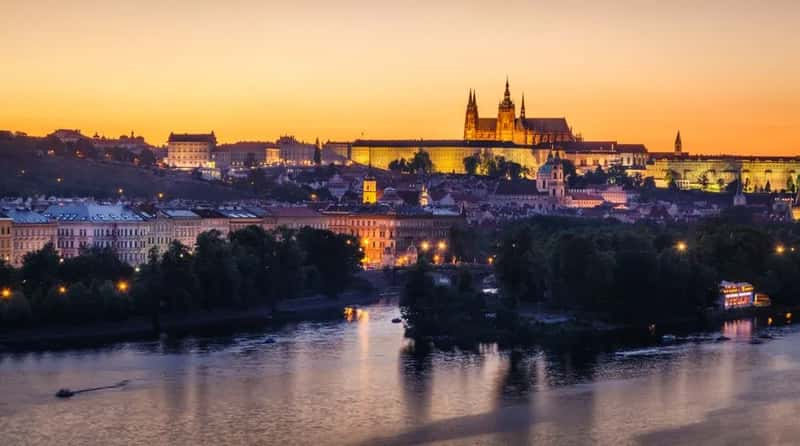
Czechia is a slightly different case, because the formal name hasn’t changed. After Czechoslovakia split in 1993, Slovakia regularly used a short name, while the Czech Republic officially used only its formal one.[13] In 2016, leaders chose Czechia as a one word alternative to make life easier for companies, politicians and athletes using it on products, name tags and jerseys.[14] The decision was agreed on 14 April 2016 by the president, prime minister, heads of parliament and the foreign and defence ministers.[15]
The short name was lodged with the UN, and that process was completed on July 5, 2016.[16] The UN’s own record notes that the short name changed to Czechia while the formal name remains Czech Republic.[17] Adoption has been uneven, though. Google Maps uses Czechia,[18] yet some official Czech government websites still refer to the Czech Republic.[18] Britannica, for its part, describes Czechia as the informal name the government has promoted in English since 2016.[19]
Myanmar (formerly Burma)
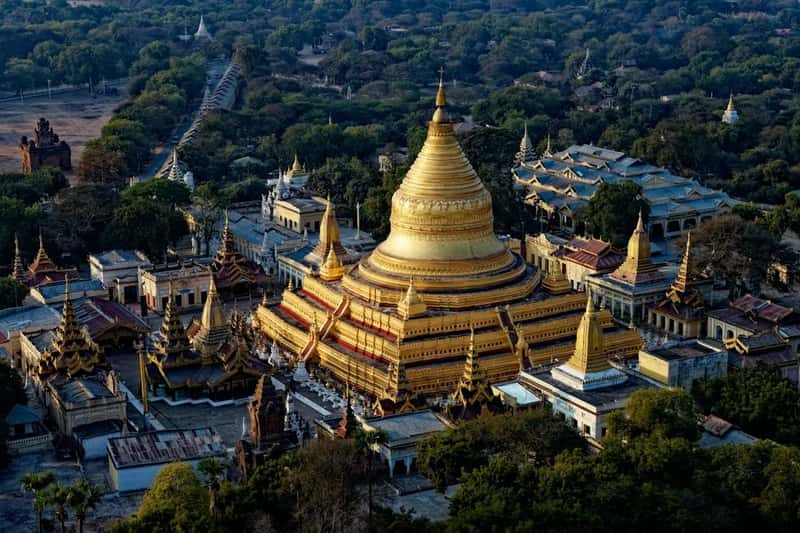
Myanmar’s rename is the oldest here, and it remains the most contested. In 1989, the country’s military government changed the official English name from Burma to Myanmar. The same shift renamed the former capital Rangoon as Yangon.
The authorities argued the new name was more inclusive of the country’s many ethnic groups. Critics pointed out that the change came from a government that had not been elected. As a result, the name itself became a political signal, and some governments, media outlets and activists still say Burma, while others use Myanmar. Which one you hear often depends on who’s speaking.