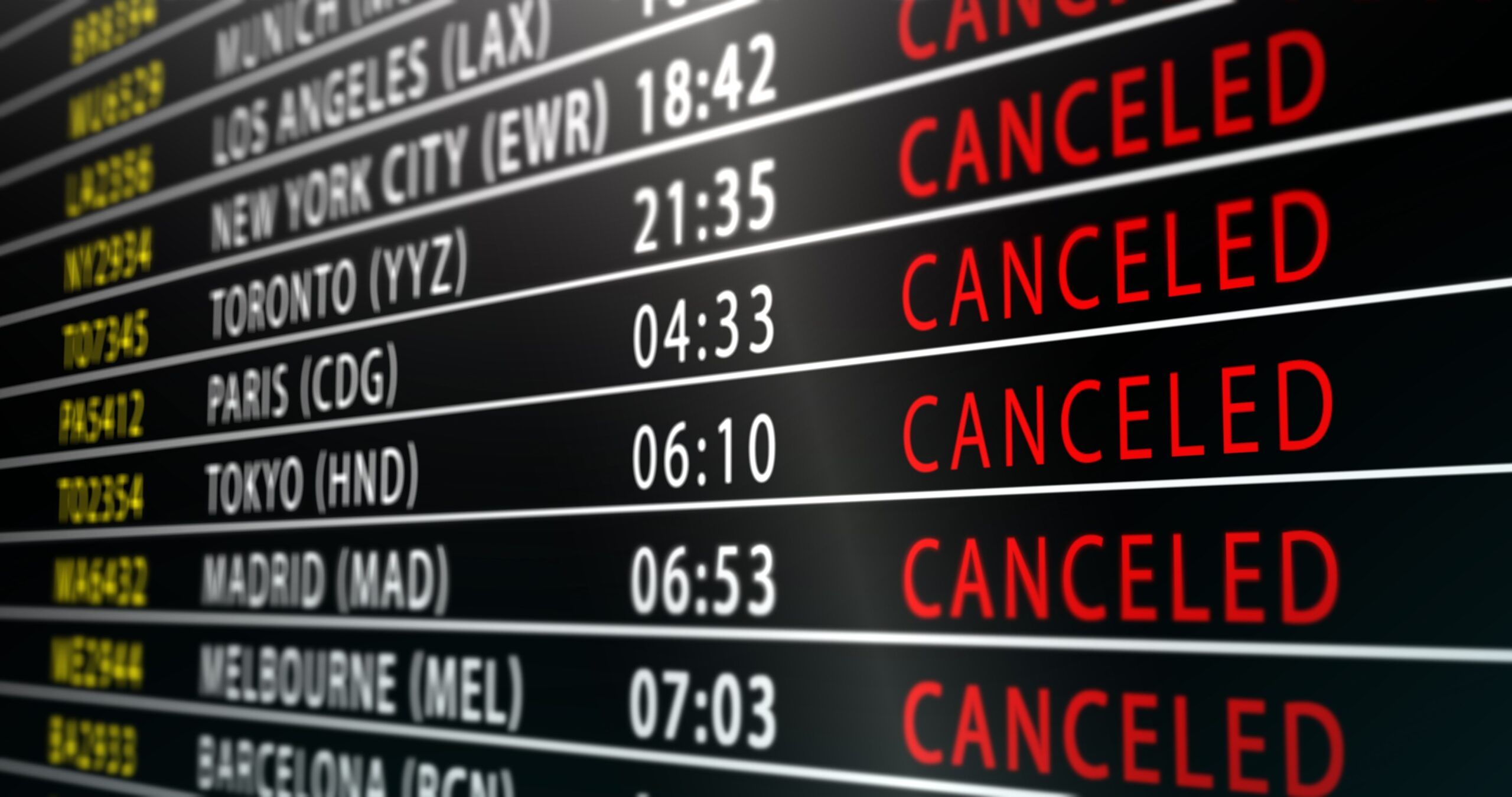
Anyone who flies regularly develops a kind of sixth sense at the gate. You start noticing things before the overhead speaker crackles to life with an apology. Sometimes it’s the plane itself, or the lack of one. Sometimes it’s the body language of the staff standing behind the counter, scanning screens instead of passengers.
Airlines rarely announce trouble the moment they spot it. There’s usually a lag between when something goes wrong internally and when passengers get the news, which means the clues are often visible if you know where to look. Here are five signals worth paying attention to the next time you’re waiting to board.
1. There’s no aircraft at the gate
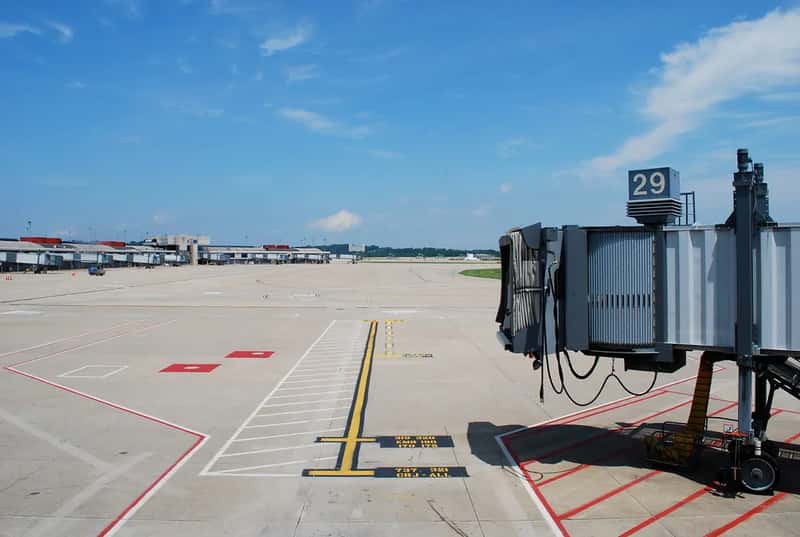
This is probably the most reliable warning sign in the entire boarding process, and it’s easy to miss if you’re staring at your phone instead of the window. If your scheduled boarding time is thirty minutes away and there’s still no plane parked at the jetbridge, that’s not a minor detail. One of the most underrated warning signs at the gate is deceptively simple: there is no plane at the jetbridge, and an empty gate when boarding is supposed to begin in 30 minutes is a very real signal that trouble is coming.[1]
The reason this matters so much comes down to how airlines schedule their fleets. Airlines operate on a rotation model, meaning the same aircraft flies multiple routes in a single day, so a single delayed flight can trigger a domino effect across the network, and that same plane might be scheduled for another flight in 45 minutes.[1] In fact, late-arriving aircraft causes 5.52% of all delays, the single most common category[2], so an empty gate is often the earliest visible symptom of a problem that started somewhere else entirely.
2. Gate agents go quiet or start huddling
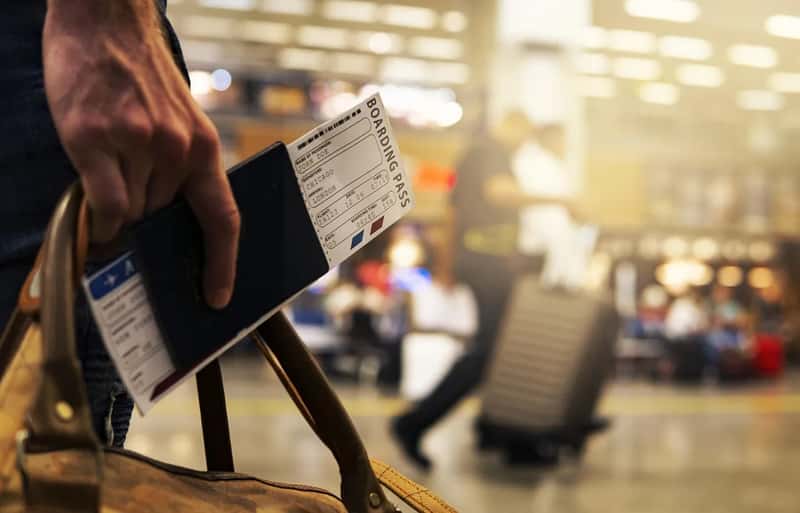
Experienced flyers pick up on staff behavior almost instinctively. When things are running smoothly, gate agents are scanning boarding passes and cheerfully directing passengers, but when something has gone wrong behind the scenes, they go quiet.[1] Watch for small clusters of staff talking quietly near the podium instead of working the line.
They huddle, make phone calls in hushed tones, or disappear entirely.[1] This isn’t a lack of communication out of spite. Gate staff frequently know less than passengers assume. Gate staff are often among the last groups within the airline to receive finalized operational updates, since most delay decisions originate inside centralized operations control centers where dispatchers, maintenance coordinators, crew schedulers, and airport planners collectively monitor the airline’s network.[3]
3. The boarding time keeps sliding without explanation
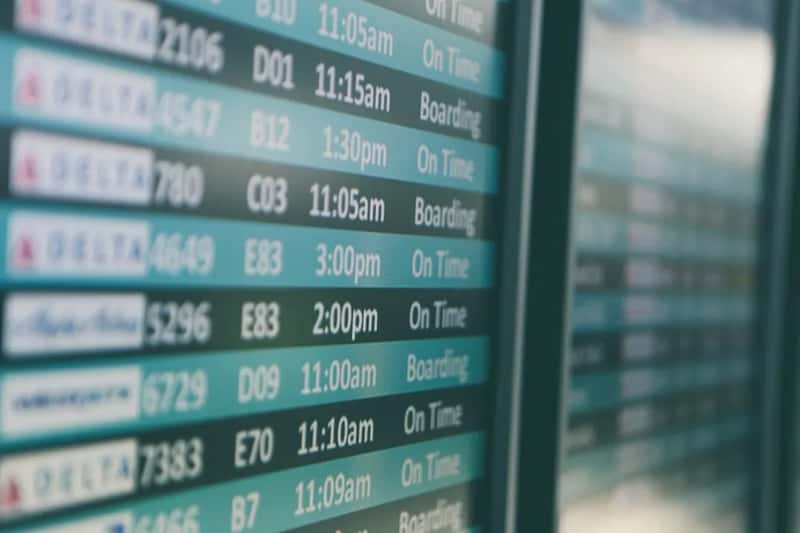
A single push of the boarding time isn’t unusual and rarely means much on its own. Repeated, unexplained shifts are a different story entirely. If the app updates from a ten minute delay to thirty minutes, then to an hour, with no announcement tying those changes to a specific cause, that pattern usually reflects an operations team still trying to pin down a realistic departure window rather than a one-off hiccup.
This matters because airline systems are built to predict disruptions well before passengers notice them. By the time a gate agent picks up the microphone to announce a delay, the airline’s operations center has usually been monitoring the situation for hours, since modern airline operations are built around predictive systems.[3] A boarding time that keeps drifting is often just the public-facing echo of internal recalculations happening well out of view.
4. Announcements mention “waiting on” something vague
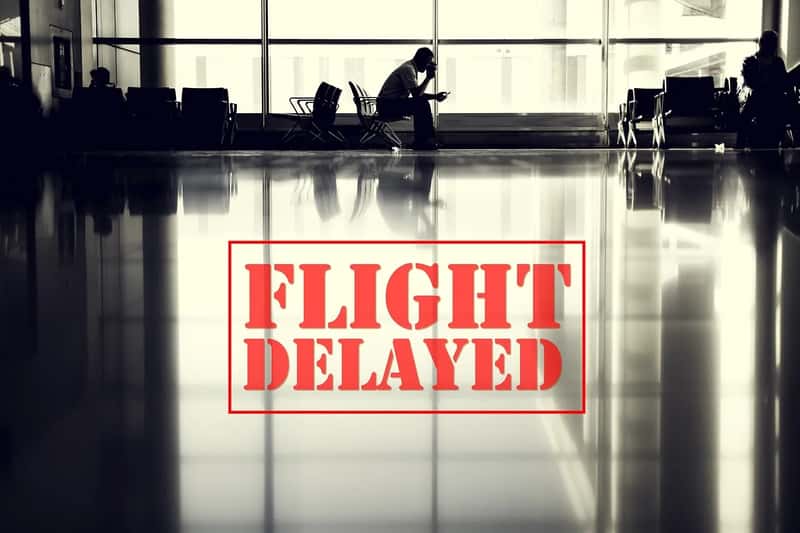
Phrases like waiting on paperwork, waiting on the crew, or waiting on fueling sound routine, and often they are. The trouble comes when those same vague phrases repeat every fifteen minutes with no updated timeline attached. That kind of looping language usually means the airline itself doesn’t have a firm answer yet, which tends to precede longer waits rather than short ones.
It helps to ask specific questions rather than general ones when this happens. Approaching gate agents calmly and leading with what you know, such as noting that the inbound aircraft is still in another city, tends to get better responses than simply asking what’s happening with the flight.[2] Asking directly whether maintenance has been called can also clarify whether you’re facing a quick fix or something longer, since agents often know more than posted estimates, and a maintenance call signals whether you’re looking at a quick fix or a long wait.[2]
5. The gate area feels unusually crowded or the counter sits unstaffed
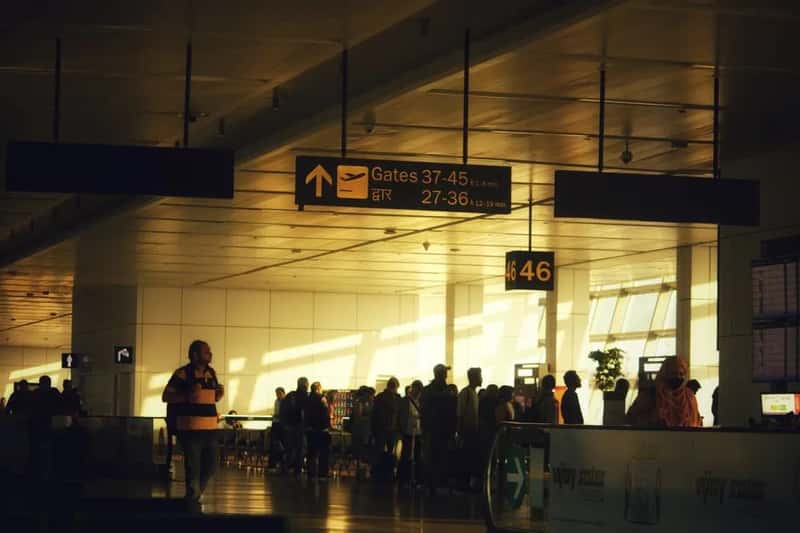
A gate area that’s noticeably fuller than the flight’s passenger count would suggest is often a sign that multiple disrupted flights have been consolidated, or that standby and rebooked passengers from an earlier cancellation have been funneled into the same space. Long lines snaking away from the podium, well before boarding is supposed to start, tend to signal that staff are managing more than the flight in front of them.
An unstaffed check-in counter near a scheduled boarding time is another quiet giveaway, particularly on delayed flights. Sometimes an airline won’t staff the check-in counter until a certain number of hours before the delayed departure time, and if you need to check luggage, you’ll be sitting there waiting.[4] None of these crowd patterns guarantee chaos, but taken together with an empty gate or a quiet, huddled staff, they round out a fairly reliable early warning system for anyone paying attention before the announcement comes.