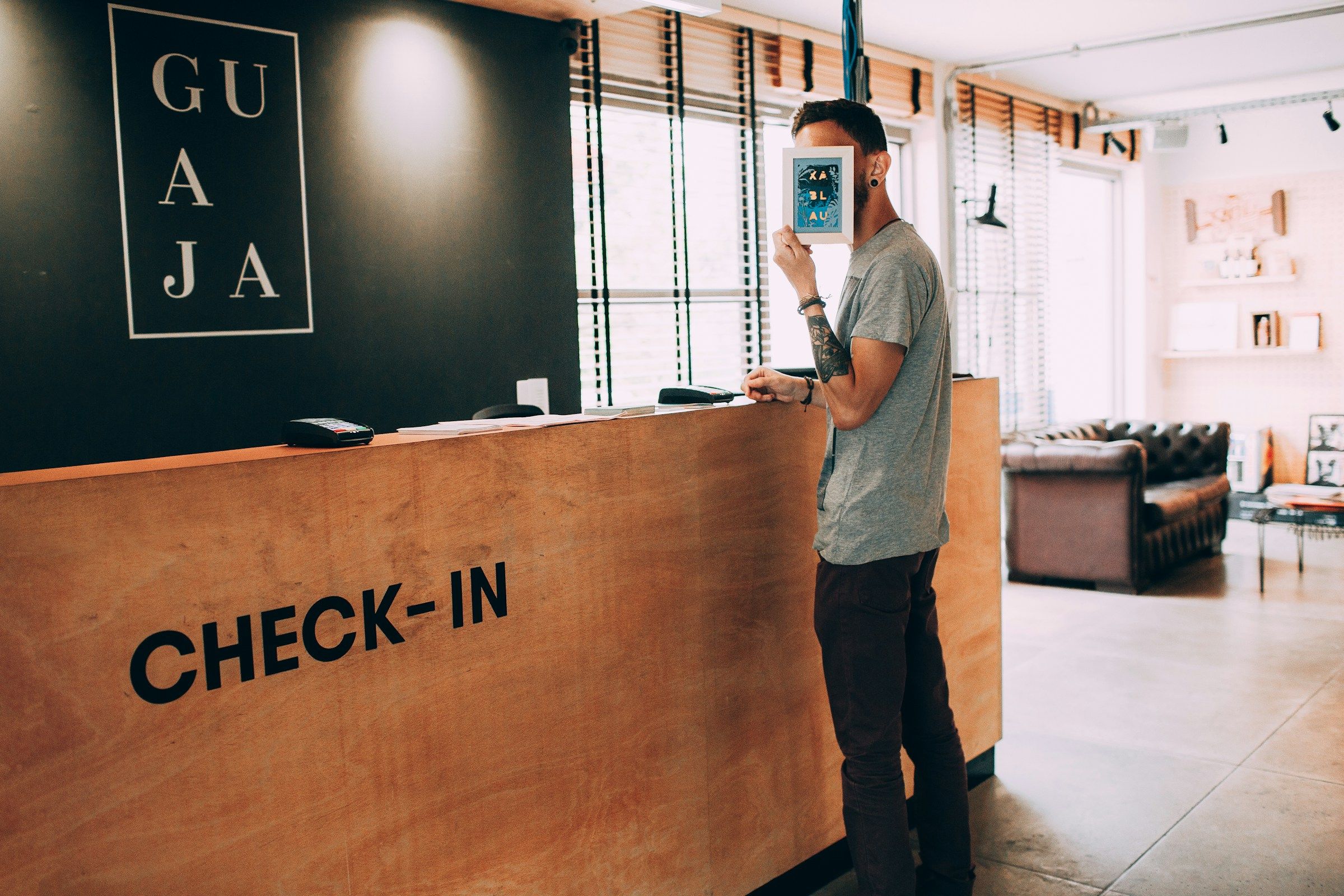
Most travelers assume the front desk forms the very first impression of who they are. In reality, that read happens earlier and with surprising accuracy, starting the moment a bellhop meets a guest at the curb or in the lobby. that judgment call happens earlier, faster, and with far more accuracy – from the person holding the luggage cart, and veteran bell staff say the walk from the curb to the elevator is enough to size someone up completely, long before a single word gets exchanged at check-in.[1]
What’s interesting is how consistent these tells really are. These tells stay remarkably consistent hotel to hotel, city to city, decade after decade, from a stiff grip on a suitcase handle to a phone that never gets put down, and bellhops read all of it instantly even though most guests have no idea they’re broadcasting so much information.[1] Here are five of the most common things bell staff pick up on almost the moment a guest arrives.
1. Whether the Tip Is Already in Hand
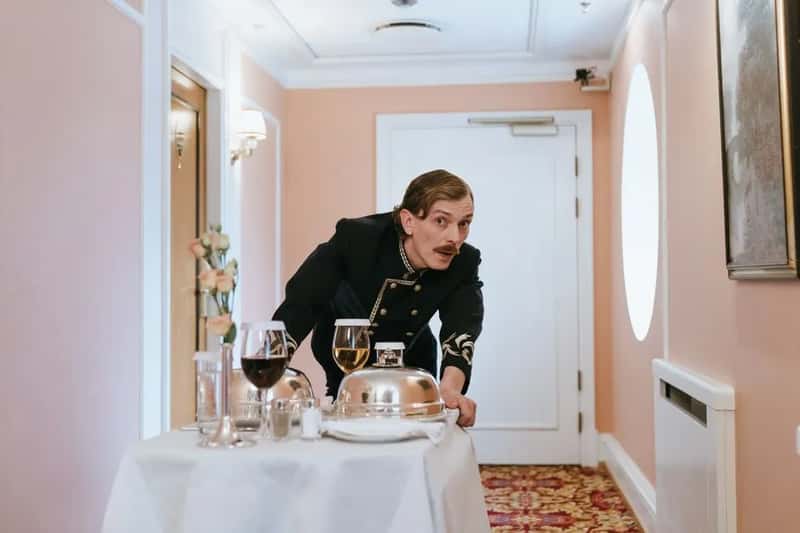
Bell staff notice right away when a guest has clearly thought ahead about gratuity. A guest who won’t let go of their own bag, even after the bellhop offers twice, is telling on them, but some guests have the tip ready before the luggage cart fully comes to a stop, bills folded and tucked into a palm well before anyone asks.[1] That small gesture carries more weight than people realize. Bellhops say this single habit instantly changes the energy of the interaction, and it’s not really about the money itself, it’s the signal that the guest already understands the unwritten economy of hotel service.[1]
The going rate isn’t a mystery, either, which is part of why preparation stands out so much. Most travelers agree that one to two dollars per bag, or five if the luggage is especially heavy, is a reasonable starting point, and guests who show up with that math already done tend to get remembered fondly.[1] It’s a tiny detail, but in an industry built on split-second first impressions, it sets a noticeably different tone than a guest who is still fumbling for cash after the bags are already inside.
2. How Guests Handle Their Own Luggage
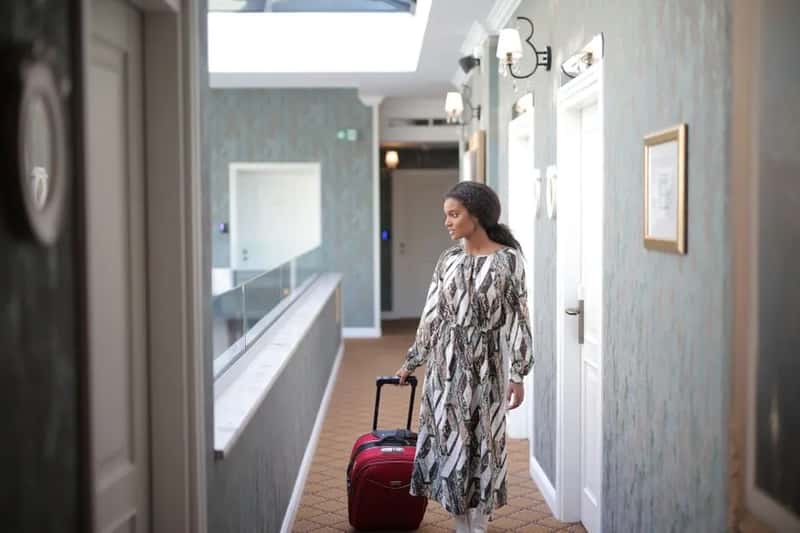
The grip a guest keeps on a suitcase handle says more than most people intend it to. Bell staff describe a very specific pattern where someone refuses help entirely, even when it’s offered more than once, and that refusal usually points to something beyond simple independence. It might be nervousness about a stranger touching personal belongings, a language barrier, or just a traveler who prefers to stay in control of every step of the process.
On the flip side, guests who hand over their bags without hesitation tend to be read as more relaxed and more experienced with hotel routines in general. This isn’t about judging one style as better than the other. Still, it’s one of the clearest nonverbal signals a bellhop reads within the first few seconds of an interaction, long before anyone says a word about rooms, floors, or amenities.
3. Loyalty Tags and Worn Travel Gear
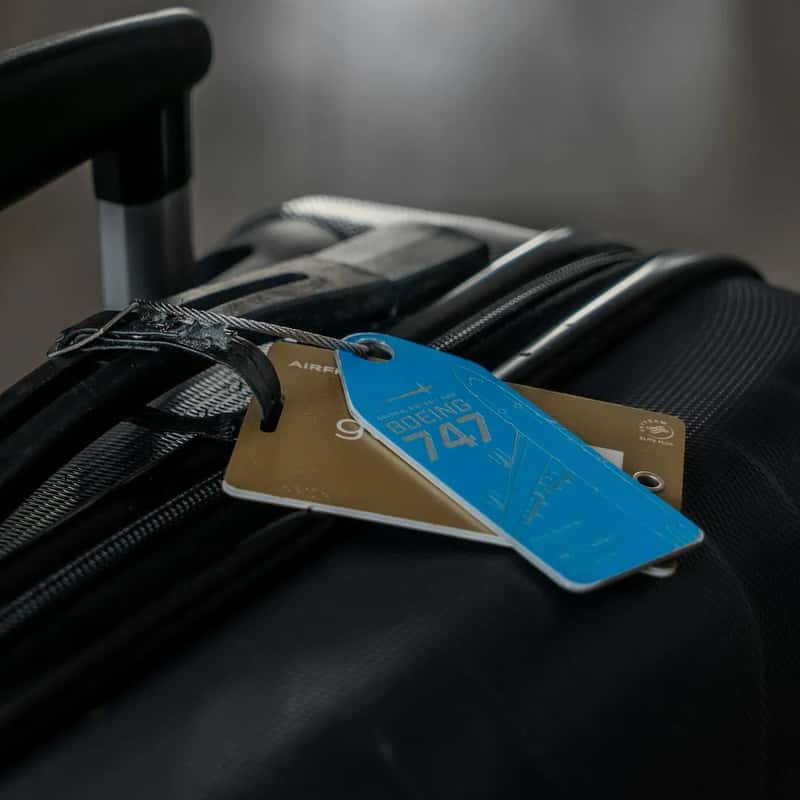
A battered luggage tag from an airline elite program or a hotel rewards brand functions almost like a quiet introduction. A worn leather tag from an airline elite program or a hotel loyalty brand is basically a resume clipped to the handle, and bellhops notice these instantly because they usually predict how the rest of the stay will go, since these guests know the drill, ask sharper questions, and rarely need the basics explained twice.[1] It’s a small detail, but it changes how the entire interaction unfolds from that point forward.
Frequent travelers tend to move through check-in differently, and bell staff have come to expect it. Loyalty tags also tend to correlate with better tipping habits, since frequent travelers already understand the unwritten rules of the road, and staff say they’ll often skip the beginner-level room tour entirely for these guests and jump straight to what’s actually useful, like restaurant recommendations.[1] In other words, scuffed gear often earns a guest a more efficient, more tailored welcome.
4. The Energy at Curbside Before Check-In Even Starts
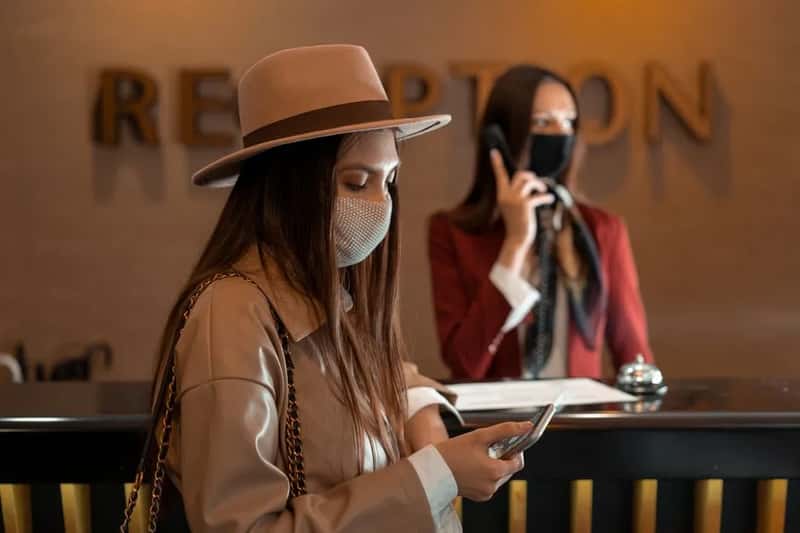
Long before a guest reaches the front desk, bellhops are already reading the scene outside. That kind of quiet preparation looks nothing like the guest whose rental car is still running out front, with hazards blinking, which is an instant tell that a guest is stressed, running late, or juggling something that has nothing to do with the hotel at all.[1] The pace of that curbside moment tends to predict the pace of the entire check-in that follows.
These rushed arrivals have a distinct rhythm that experienced bell staff can spot instantly. Bellhops say these check-ins move fast, with clipped instructions and guests who barely look up from their phone while giving directions.[1] It’s not necessarily rudeness. More often it’s a sign of travel stress, a tight schedule, or simply someone who hasn’t mentally shifted out of transit mode yet, and seasoned bellhops know how to adjust their own pace to match without taking it personally.
5. Whether the Sunglasses Come Off in the Lobby
Small habits like this reveal more than guests probably intend. Sunglasses staying on through the entire lobby sends a completely different signal, and keeping them on well past the revolving door usually means one of two things to a trained eye: the guest wants to avoid recognition, or they’re simply exhausted from a red-eye flight and haven’t clocked that they’re inside[1] yet. Either way, it’s a detail that experienced staff clock almost automatically.
This isn’t about being nosy. It’s more that bellhops spend their entire shift reading body language quickly, since a smooth check-in often depends on figuring out what a guest needs before they have to ask for it. Whether it’s exhaustion, a desire for privacy, or just habit, the sunglasses moment is one more small piece of the puzzle that shapes how the next few minutes of service unfold.
None of these observations are about judgment. They’re about a job that depends on fast, accurate reads of strangers, dozens of times a day, in the span of a single elevator ride. The guests who understand this unspoken choreography, whether through a ready tip, a loosened grip on a suitcase, or simply taking off their sunglasses, tend to get a smoother, warmer welcome without ever realizing why. It turns out the real check-in process starts well before anyone reaches the front desk.