Airline pricing looks rigid on the surface, a long list of add-on charges that seem printed in stone the moment you hit “buy.” Yet talk to enough frequent flyers, or spend a few minutes on hold with the right department, and a different picture emerges. Agents often have more room to work with than the fare rules suggest, and the outcome frequently depends less on luck than on knowing which fee to question and how to phrase the request.
1. The same-day flight change fee

Switching to an earlier or later flight on the day of departure usually carries a fee somewhere between twenty five and fifty dollars, but that charge disappears for a surprising number of travelers. The same-day change fee runs fifty dollars on Alaska, and is waived for passengers booked in first class or coach, Alaska Airlines Atmos Rewards Gold or Titanium members, and American AAdvantage ConciergeKey, Executive Platinum, and Platinum Pro members and their companions on the same reservation.[1] Cardholders get a break too, since the same-day change fee is waived for Atmos Rewards Summit Visa Infinite cardholders[1].
The pattern holds industry wide. Same-day confirmed changes cost either twenty five or fifty dollars and are waived for MVP Gold, MVP 75K, MVP 100K, American AAdvantage Platinum Pro, American AAdvantage Executive Platinum and American AAdvantage ConciergeKey members, as well as Atmos Summit cardholders.[2] Mentioning status or a qualifying credit card before an agent even quotes the fee tends to work far better than arguing after the fact.
2. Seat selection charges on standard and preferred seats
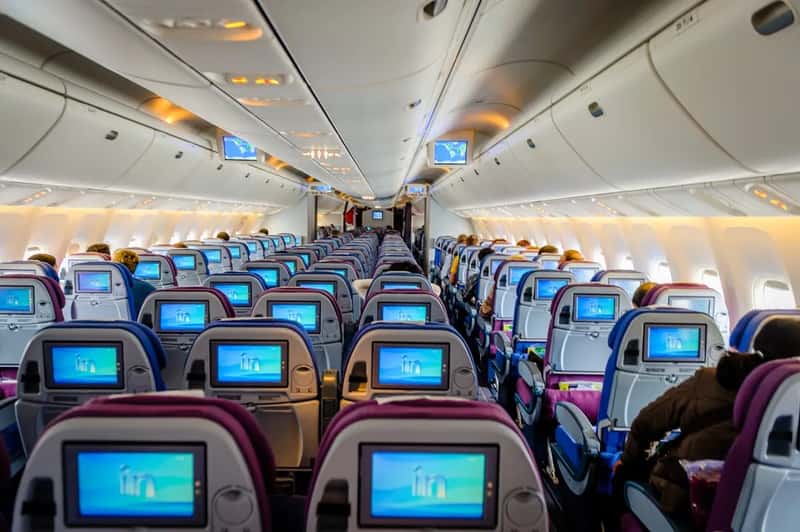
Seat fees have become one of the more lucrative corners of airline revenue, and they are not small money for the industry. A Senate investigation found that 2023 seat-fee revenue alone topped three billion dollars, up about fifty percent from 2018[3]. Despite that scale, the fee is one of the easier ones to sidestep with the right status.
Across the major legacy carriers, loyalty tier does most of the work. American Airlines elites receive complimentary seat selection and complimentary upgrades to Preferred and Main Cabin Extra seats either at booking or check-in, depending on the level of elite status[4], while Delta Medallion elites receive complimentary access to main cabin preferred seats at the time of booking, and might also receive complimentary upgrades to Delta Comfort seats depending on their Medallion level[4]. Even without status, a co-branded credit card can unlock the same benefit, since many cards, including the Chase United Explorer and Citi AAdvantage Platinum, include complimentary seat selection as a benefit[5].
3. Checked baggage fees for military and cardholders

Checked bag fees generate serious money for airlines nationwide, and the industry has not shied away from raising them further. Airlines made more than seven billion dollars from bag fees in 2024, according to the U.S. Department of Transportation[6]. Yet two groups of travelers routinely skip the charge entirely: active duty military and certain credit card holders.
Military waivers are broad and, in some cases, generous well beyond a single free bag. JetBlue offers a baggage waiver for active duty military personnel, allowing two free checked bags at a maximum weight of fifty pounds each and one free carry-on bag, a benefit that extends to dependents traveling on the same reservation[7]. Alaska goes further still, since its policy for active duty military personnel allows up to five bags free of charge, each weighing up to seventy pounds and measuring up to one hundred fifteen inches in total dimensions[7]. On the civilian side, the Southwest Rapid Rewards Plus Credit Card comes with a free first checked bag on Southwest flights for the cardholder and up to eight people on the same reservation[8], a benefit that quietly pays for the card’s fee many times over for a family that flies even a couple of times a year.
4. Phone and call center booking fees

Booking or changing a ticket by phone can trigger a separate charge on several carriers, one that many travelers do not realize exists until it shows up on the bill. As one airline explained the reasoning, JetBlue charges a twenty five dollar nonrefundable fee per person on a reservation when a customer changes, cancels, or completes a new booking over the phone[9]. The stated goal is to nudge people toward self-service tools and keep hold times shorter for those who genuinely need a live agent.
That fee is not always locked in, though. The airline says it is willing to waive its phone service fee for customers who attempt to change their flights online but experience technical difficulties while doing so[9]. Explaining, calmly and specifically, that the website would not let you complete the change is often the exact detail an agent is listening for before applying a waiver on their end.
5. Change and cancellation fees tied to bereavement or jury duty

Life sometimes intervenes with travel plans in ways no fare rule anticipates, and airlines have long carved out exceptions for exactly that. If you experience the death of an immediate family member or your travel companion, or have jury duty, you might qualify for a fee waiver[1]. These waivers are not automatic and usually require a documented request rather than a passive mention.
Documentation matters more here than almost anywhere else in the fee-waiver conversation. Airlines generally want proof, whether that is a death certificate, an obituary, or a jury summons, before applying the waiver to a change or cancellation fee. Asking specifically for the bereavement or hardship policy by name, rather than simply requesting a refund, tends to get the conversation moving faster.
6. Third-party ticketing and ancillary processing fees
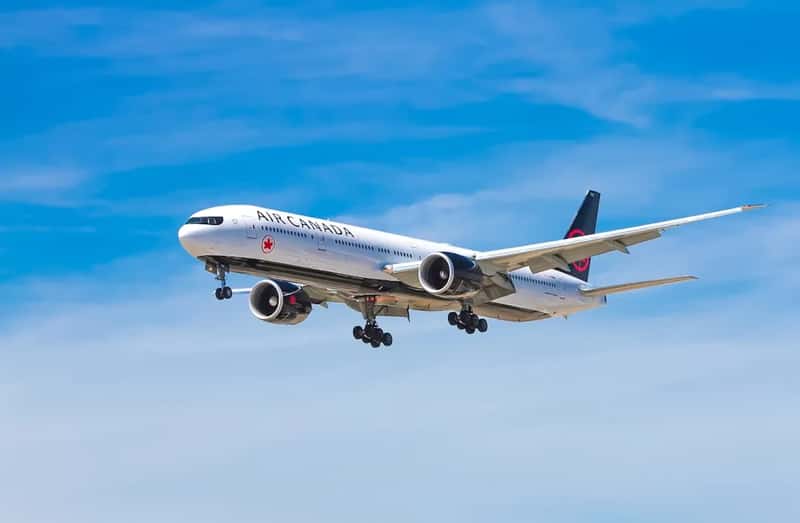
Booking through a third-party site or an airline’s own online checkout can sometimes tack on a small ticketing or processing charge that simply does not apply when the transaction happens through a different channel. One recent report on the topic noted that ticketing fees of roughly fifteen to thirty eight dollars can apply depending on the channel used, and booking directly through the airline’s own call center, instead of a third-party site, frequently avoids this charge entirely[10]. It is a rare case where the fix has nothing to do with elite status or persuasive phrasing and everything to do with picking up the phone and dialing the airline directly.
Discount carriers apply their own version of this same logic, often tied to where and when the ticket is purchased. Spirit’s optional services page shows that the fee ranges from $3.99 to $22.99 for each leg of a trip and applies to bookings created online, at international airports, or via reservation centers[12], while Breeze has been notably candid about the workaround, since a company executive said customers can often save on their reservations by booking directly at the ticket counter, where the charge can be waived, specifically between eight and ten in the morning Pacific time on Tuesdays[12].
None of these waivers are guaranteed, and policies shift often enough that what worked last year may not apply exactly the same way today. Still, the pattern across all seven fees is consistent: the charge is rarely as fixed as the checkout page makes it look, and the traveler who asks a specific, well informed question tends to fare better than the one who simply pays and moves on.