Most people walk onto a plane thinking about overhead bin space or whether their seatmate will want to chat. Meanwhile, the crew standing at the door is already running through a mental checklist that has nothing to do with small talk. That brief walk from the aircraft door to your row says more than most travelers realize.
1. How you greet the crew at the door
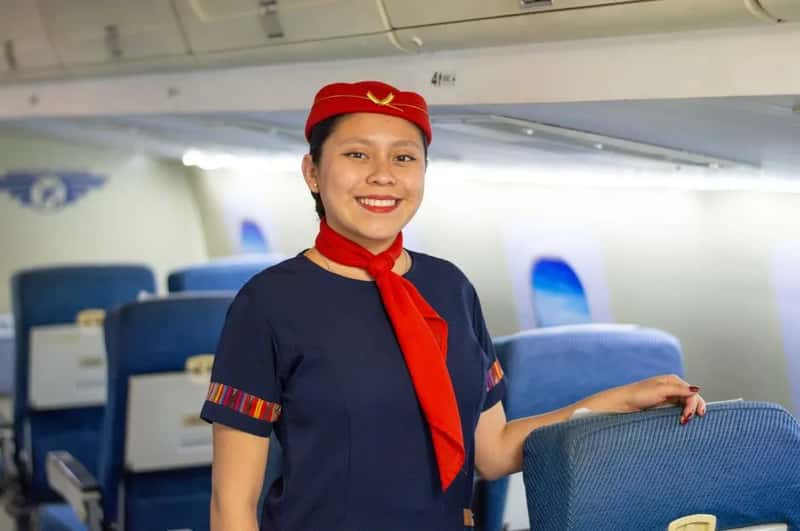
The first few seconds of boarding matter more than people think. Flight attendants are trained to assess every single passenger in roughly three to four seconds, scanning for everything from potential safety concerns to signs of trouble.[1] A nod, a smile, or a simple hello can shape how the rest of that interaction goes.
One flight attendant explained that eye contact and a simple “hello” help establish a positive tone before departure, and crew members said these small actions create smoother communication and reduce tension inside the cabin.[2] It is not about being liked. It is about the crew quickly gauging who seems settled and who might need a closer eye later in the flight.
2. Whether you could help in an emergency
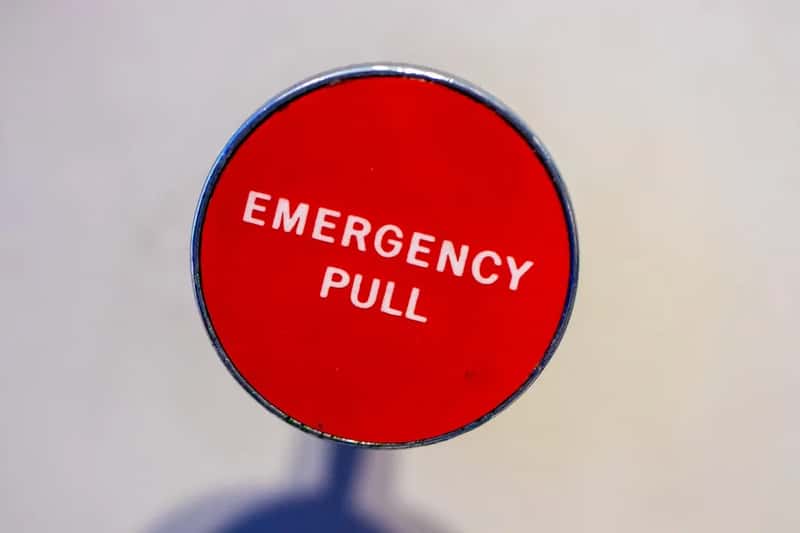
This one surprises a lot of passengers. Whilst boarding, flight attendants are also looking for able-bodied passengers who may help in an emergency, usually people of a certain build and fitness without any physical restrictions, who must speak English and be willing to carry out instructions from the crew, including operating an emergency exit or helping people at the end of the slide.[3] It is a quiet, practical assessment that has nothing to do with rank or status.
This kind of scanning is especially deliberate around exit rows. Most airlines will ask flight attendants to brief the passengers in the exit row on how to operate the exit in an emergency, check that they understand, and ask if they are willing to do so, and if they do not agree, the crew needs to move the passenger to another seat.[3] It is one of the few moments where a flight attendant’s read on you has a direct, immediate consequence.
3. Signs that you might be impaired
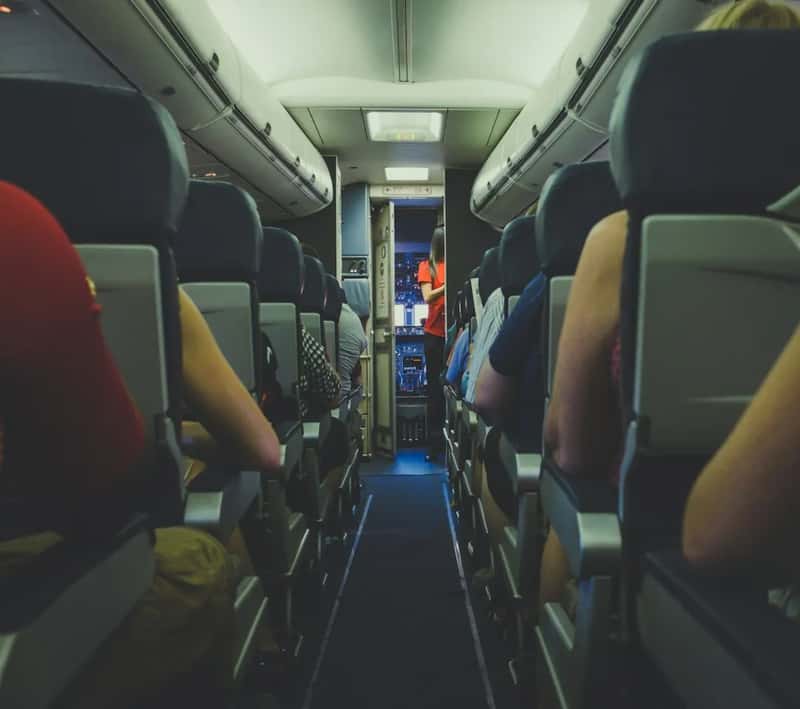
Alcohol and medication are near the top of every crew’s watch list, and for good reason. Many disruptions are caused by passengers being intoxicated, taking prescription medicine, or both, or an in-flight dispute, so it is important to observe for any potentially disruptive behavior that could include a passenger who is drunk, drugged, aggressive, or rude.[4] That assessment often starts the moment someone steps through the door, well before the safety demo even begins.
The stakes here are not small. If a passenger is visibly intoxicated, they can be removed from the flight, since the last thing anyone wants is someone drunk and erratic once the plane is in the air.[5] Crews are also trained to catch things that slip past the gate, since taking alcohol from passengers who were not supposed to have it in the first place is a routine part of the job.
4. Who might need extra help or reassurance
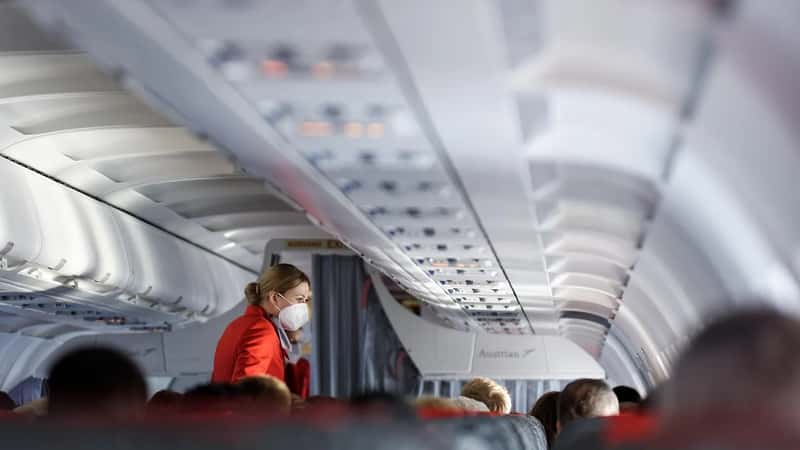
Not every passenger blends into the crowd, and crews are trained to notice that. Flight attendants will note passengers who may require extra assistance, like those with reduced mobility, visual or hearing challenges, or injuries, and those with hidden disabilities indicated by sunflower lanyards may need extra help, while nervous passengers are also noted and given extra reassurance, and unaccompanied minors have to be carefully looked after.[4] None of this is about singling anyone out. It is about building a mental map of who might need a check-in mid-flight.
Nervous fliers in particular get more attention than most people assume. One flight attendant described making mental notes during boarding, and if someone seems nervous, making an extra effort to explain sounds during takeoff or check in on them more frequently.[6] It is a quiet form of care that most passengers never notice unless they happen to be the one receiving it.
5. How you handle your bags and the aisle
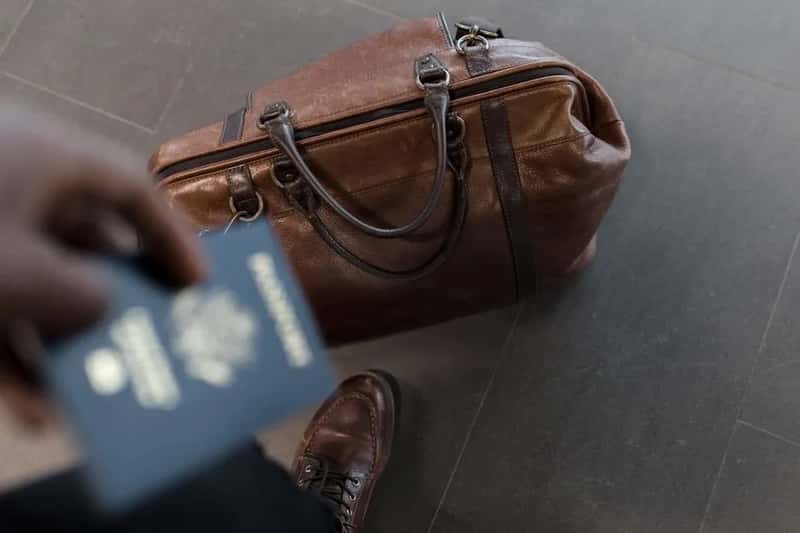
Boarding is a bottleneck, and crews watch how people move through it. Passengers who instantly block the aisle while rearranging their entire backpack, or who need three overhead bin attempts and a dramatic sigh, stand out compared to those who simply put a bag away and sit down.[7] The contrast is obvious to anyone standing at the front of the cabin.
The fix is simple enough that most seasoned travelers already do it without thinking. The habit comes down to doing the setup fast, then sitting down, putting the larger bag up, sliding the smaller item under the seat, buckling in, and organizing once you are not blocking the flow, the same logic as a busy restaurant aisle, since the more you keep pathways clear, the smoother everything runs.[7] Crews remember who moves with that kind of awareness, and who does not.
6. Whether you are actually paying attention
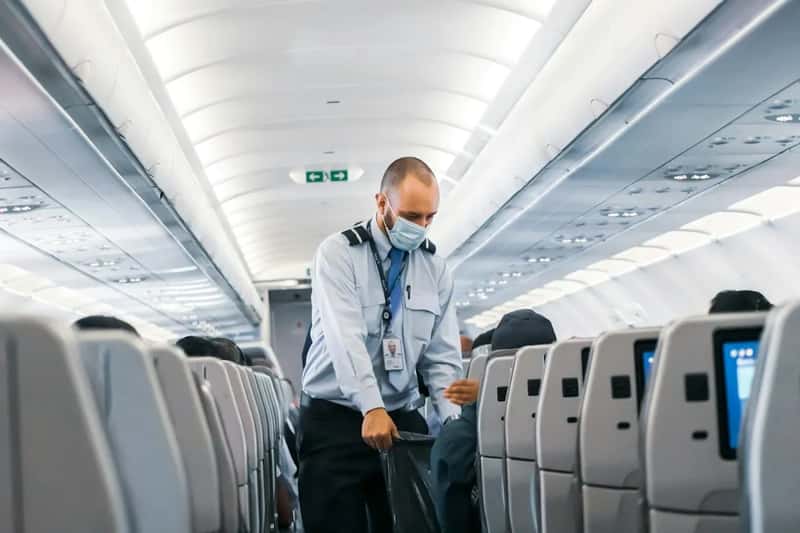
The safety demo is easy to tune out, but it doubles as a quiet test of situational awareness. A flight attendant who worked in the United States between 2015 and 2021 recalled that hundreds of passengers stepped onboard each day, but only a handful actually watched and listened during the safety demo, with almost none watching as the crew pointed out emergency exits or demonstrated seatbelts, oxygen masks, and flotation devices.[8] That gap between who watches and who scrolls is something crews notice every single flight.
It comes down to small, visible cues rather than any single dramatic sign. As one former flight attendant put it, the questions crews silently ask are things like how quickly someone responds when you say hello, whether they ignore you, or whether they are wearing headphones during the safety video.[9] None of it is meant as judgment. It is simply how crews figure out, in the span of a few seconds, who they are flying with.