Summer travel used to mean packing sunscreen and maybe a hat. These days, for a growing list of destinations, it means checking heat alerts the way you’d check a hurricane forecast. Temperatures across parts of Europe, Asia, and North America have been setting records with unsettling regularity, and 2026 has already produced some of the most extreme readings on file.
For travelers with trips booked or bucket-list plans forming, knowing which countries are seeing the sharpest spikes, and how local authorities are responding, can make the difference between a memorable vacation and a miserable one. Here’s where the heat has been hardest to ignore this year.
Greece
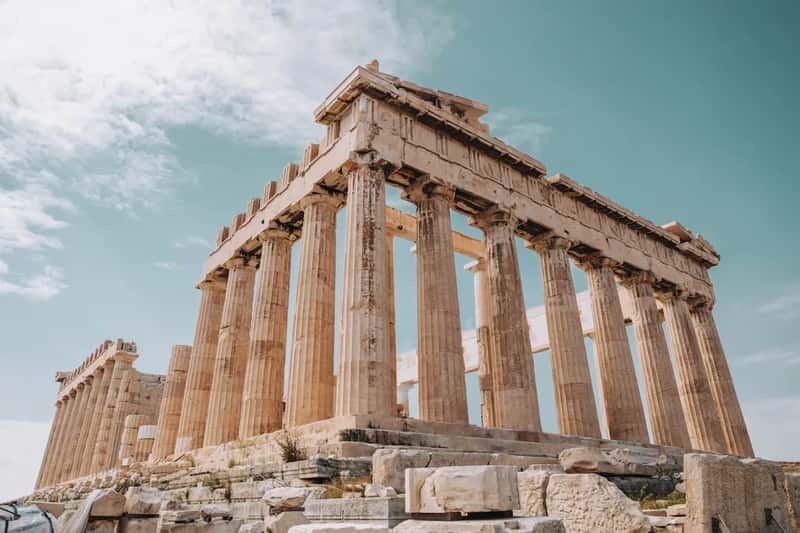
Greece has spent much of 2026 issuing heat advisories that directly affect how tourists experience its most famous sites. During the 21 to 23 July 2026 heatwave, the Acropolis closed to visitors from noon to 5pm on the worst afternoons. That’s not a one-off inconvenience either; the site has closed under similar conditions repeatedly in recent summers, and officials have signaled the pattern will likely continue.
Inland areas have taken the worst of it. Both Oleni in Ilia and Leukochori in Phthiotida have been repeat hotspots in 2026, hitting 41.4C and 43.5C respectively. The good news for beach-focused travelers is that the Aegean islands feel noticeably cooler than the mainland thanks to the meltemi, a strong, dry northerly wind that blows hardest in July and August, with the Cyclades typically sitting around 28C to 30C when Athens is well into the high 30s. Beyond sightseeing disruptions, prolonged heat and drought sharply raise wildfire risk, and 2026 has already been a serious fire year.
Spain

Spain’s summer has swung between extremes, with a June heat dome pushing the country into some of its most severe alerts in years. Temperatures of up to 44C were predicted in Spain as a heat dome took over continental Europe. The scale of the alerts was significant: parts of Spain reached 40C with 13 of Spain’s 17 regions on orange alert and the Basque Country on red alert.
Wildfire risk has trailed closely behind the heat itself. Regions like Tarragona in Catalonia saw uncontrolled fires break out during comparable heat spells in nearby summers, a pattern meteorologists expect to keep repeating as dry vegetation meets record-breaking temperatures. Travelers heading to inland cities such as Madrid or Seville in peak summer should plan around the hottest hours, generally late morning through mid-afternoon, when outdoor activity becomes genuinely risky rather than just uncomfortable.
Italy
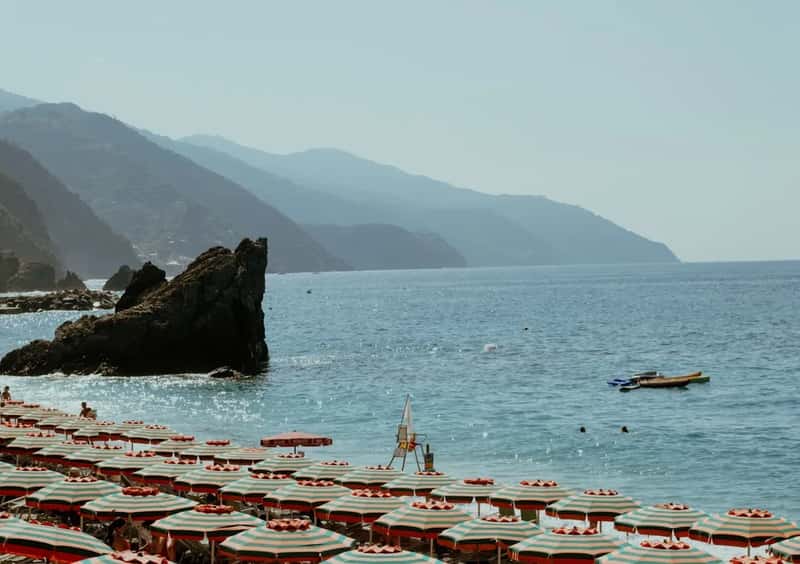
Italy’s 2026 summer brought some of the most sweeping heat alerts the country has issued in recent memory. Italy placed all of its major cities under the highest heat alert as a blistering heatwave gripped Europe, setting a national temperature record in Austria, fuelling wildfires in France and disrupting energy and transport systems across the continent. The reach of these warnings was notable in itself: the alerts stretched from Trieste in the northeast to Palermo in Sicily and signaled a health risk for the entire population, not only vulnerable groups such as older adults and people with chronic illnesses.
For anyone touring Rome, Florence, or Naples this summer, the practical advice from Italian authorities has been consistent. Authorities urged residents and tourists to avoid direct sunlight during the hottest hours of the day, remain indoors where possible and drink plenty of water as temperatures in some areas approached 40C. Iconic outdoor attractions like the Colosseum offer little natural shade, which makes early morning or evening visits far more manageable than a midday walkthrough in August.
United States

The 2026 heat season in North America arrived early and stuck around. Starting in late June 2026, North America was struck by a severe heatwave, with temperature records tied or broken in several major cities across the United States and Canada, including a peak of 106°F (41°C) in Atlantic City, New Jersey on July 4. Southwestern destinations popular with hikers and road-trippers weren’t spared either: a second heat dome formed across the western and central United States starting July 6, with Phoenix, Arizona reaching a high of 113°F (45°C) on July 6 through 8.
Humidity added a second layer of danger in parts of the country not usually associated with it. During Tropical Storm Bertha, southern Louisiana was placed under both a tropical storm warning and extreme heat warning for the first time since 2005, with Lake Charles recording a heat index of 121°F (49°C). Visitors planning desert-adjacent trips to places like Phoenix, Las Vegas, or Death Valley should treat midday outdoor plans as genuinely hazardous rather than simply unpleasant.
India
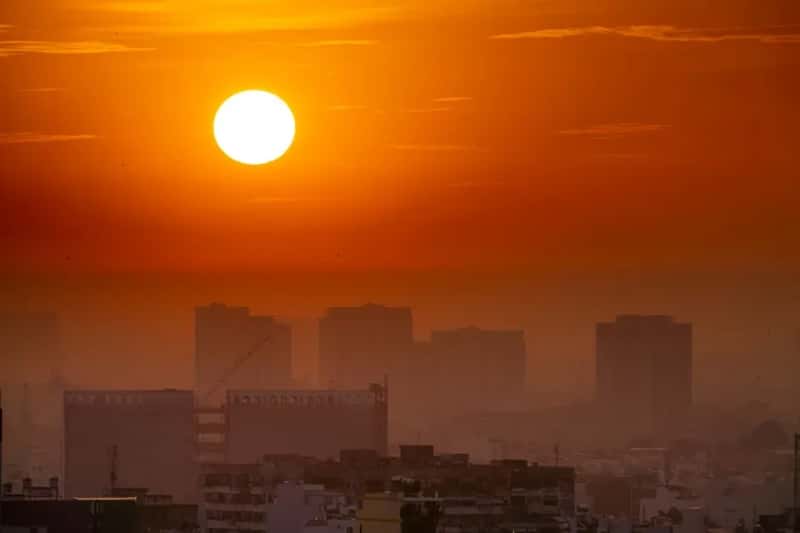
India’s pre-monsoon season in 2026 turned into one of the country’s most intense heat events in years, with implications for anyone traveling through the north. India’s heatwave season of 2026 arrived with unusual ferocity, and at its peak, all 50 of the world’s hottest cities were located within India, with Uttar Pradesh alone accounting for 26 of them. On a single day in late May, the numbers were even more striking. India claimed 97 of the world’s 100 hottest cities on a single day, with all top 50 cities globally Indian as of that morning.
Popular tourist regions in the north bore the brunt of it. Delhi-NCR, Uttar Pradesh, Haryana and Rajasthan all recorded temperatures between 45°C and 48°C, with warm nights compounding the misery and offering no recovery from the daytime heat. Anyone planning to visit Rajasthan’s forts and palaces, or Delhi’s historic sites, during peak summer should shift itineraries toward early morning hours and consider hill station alternatives when the heat index climbs into dangerous territory.
Saudi Arabia

Saudi Arabia’s extreme heat isn’t tied to a single season so much as it is to the annual Hajj pilgrimage, which draws millions of international visitors regardless of how hot it gets. Saudi Arabia’s National Centre for Meteorology forecast hot to extremely hot weather, accompanied by dusty winds, in Mecca and the holy sites during the 2026 Hajj season, with temperatures expected to reach as high as 47°C. This followed a genuinely deadly precedent: between 14 and 19 June 2024, at least 1,301 people on the Hajj pilgrimage in Mecca died due to extreme heat, with temperatures exceeding 50°C.
Authorities have since scaled up protective infrastructure considerably. The Royal Commission for Makkah City confirmed that shaded and cooled areas at Arafat were expanded to more than 272,000 square metres, five times the 2024 footprint. Even with those upgrades, humidity remains a hidden threat: the forecast humidity range of 10 percent to 55 percent may not sound alarming, but at the higher end, it becomes a serious health threat because sweat cannot evaporate from the skin efficiently.
Mexico

Mexico’s heat records have been falling with unusual consistency throughout 2026, affecting both interior cities and coastal resort towns. One tracker noted that every single day of 2026 has seen monthly heat records being broken in Mexico without exceptions, with the tourist town of Mazatlan recording its hottest March night in history. Forecasters have also flagged a busy season ahead: the National Meteorological Service and the Metropolitan Environmental Commission warned that spring 2026 could bring up to five episodes of intense heat, especially concentrated in April and May, with some stretches exceeding two weeks of extreme heat with almost no respite.
Even Mexico City, which sits at high altitude and is generally milder than the coasts, hasn’t been immune. Forecasts anticipated temperatures up to 4°C above average for the Valley of Mexico, with highs in the capital consistently ranging between 29 and 35°C, a notable shift for a city accustomed to more moderate values thanks to its altitude. Travelers heading to the Yucatan Peninsula, including Cancun and the Riviera Maya, should also expect interior regions like Campeche and Yucatan state to run hotter than the coastline itself, where sea breezes offer at least some relief.
None of this means these countries should be crossed off a travel list. It does mean packing habits and daily schedules need a rethink: lightweight, breathable clothing, refillable water bottles, and a willingness to move sightseeing plans to early morning or evening hours. Checking local heat advisories a day or two before outdoor excursions has become as routine as checking the exchange rate, and for good reason given how quickly conditions can shift from warm to genuinely dangerous.