The median home price in the United States was about $405,300 in 2025, according to one international property guide[1]. In plenty of other places, that same money could cover the whole purchase several times over. Elsewhere, a sixty thousand dollar budget still buys something real, with a roof, a door key and a title deed.
The catch is that “cheap” depends heavily on where you look inside a country. Capitals and beach resorts have often gone up fast, while villages and secondary cities stay modest. The seven countries below are places where homes at or under this budget are still documented in 2025 and 2026 sources, along with the caveats that come with them.
Bulgaria
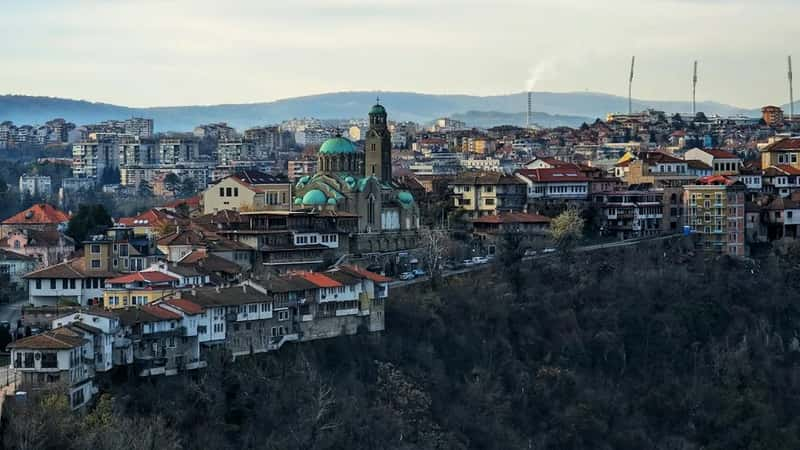
Bulgaria joined the euro in January 2026, and it still holds its reputation as Europe’s quiet secret for cheap property outside the capital[2]. Sofia is a different story. Average residential prices there reached about EUR 2,500 per square meter in February 2026, up 18% year on year[2], so the bargains are elsewhere.
In villages, houses can cost as little as €100 to €300 per square meter, and a full three bedroom house can sell for €18,000 to €39,000[3], according to a late 2025 estimate. A more cautious guide puts the cheapest livable budget at about US$58,000, which usually means an older village house that will likely need roof, heating or wiring work[4]. Foreigners can generally buy apartments freely, but land requires a Bulgarian company, which costs roughly $500 to set up[5].
Romania
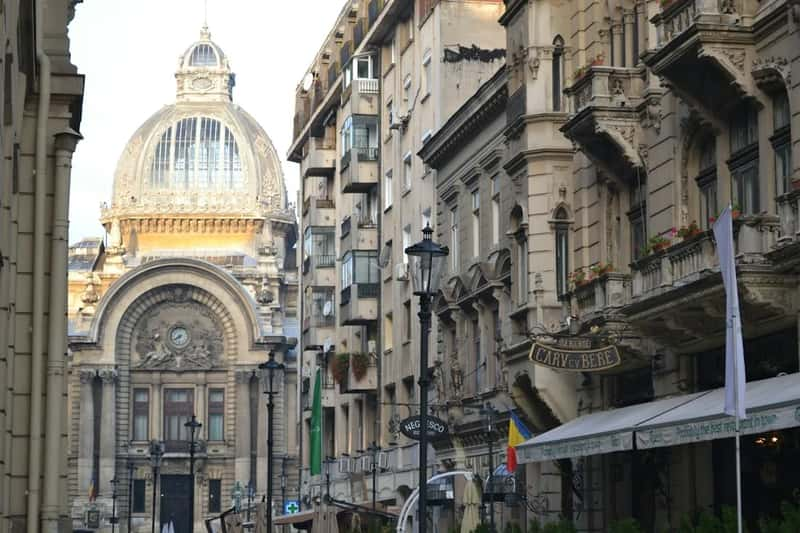
Romania continues to rank among the least expensive places to buy a home within the European Union[2]. That makes it a natural comparison with Bulgaria, though it gets less attention from foreign buyers. The appeal is partly practical, since you get EU membership without Western European prices.
One UK buyer guide lists entry level property at £15,000 to £40,000, with Bucharest, Cluj-Napoca and Brasov among the popular locations[6]. That range falls comfortably under the sixty thousand dollar mark. Be aware that I couldn’t find a firm 2026 national average, so treat it as a starting range rather than a guarantee. The same guide notes that the expanding economy and infrastructure developments have strengthened Romania’s long term investment appeal[6], which can nudge prices upward in the bigger cities.
Albania
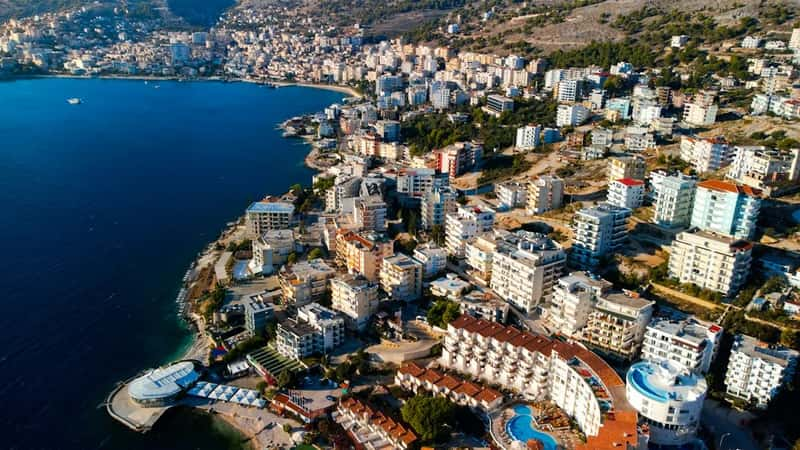
Albania’s coast is the most talked about, but it is no longer the bargain it was. The national average sat at about €1,620 per square meter in January 2026, with annual growth of roughly 18%[7]. Sea view apartments in Saranda run about €2,200 to €3,000 per square meter[8], which pushes them well past this budget.
The affordable end is inland and in smaller towns, where prices start at around €900 to €1,200 per square meter[9]. At those rates, a compact flat of about 40 square meters would come to roughly €36,000 to €48,000, based on simple arithmetic. As for the rules, foreigners can buy apartments, villas and commercial units freely with no residency requirement, though agricultural and forest land is restricted[8]. Annual property tax on residential homes is very low, at about 0.05% of value[10].
Colombia
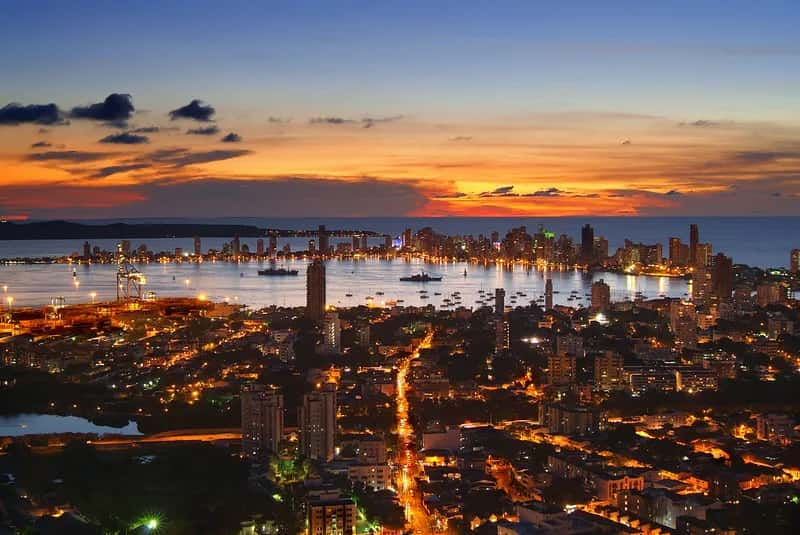
Colombia’s pricing swings widely by city, and that’s where the value is. Cartagena condos start around $40,000, while properties in Cali can be found for under $20,000[11]. Nationally, entry prices run from about $1,150 per square meter in Cali to $2,200 in Bogotá[5].
Medellín, the favorite of expats, is pricier. The median housing price there in 2026 is about 420 million Colombian pesos, or roughly $117,000[12], so budget buyers tend to look at Cali or Bello. The ownership rules are friendly, since foreigners can buy with no local company, no caps and no residency prerequisite[5]. One thing to watch is currency, because the peso strengthened by around 19% in the year to July 2026[12], which shrinks the exchange rate discount.
Paraguay
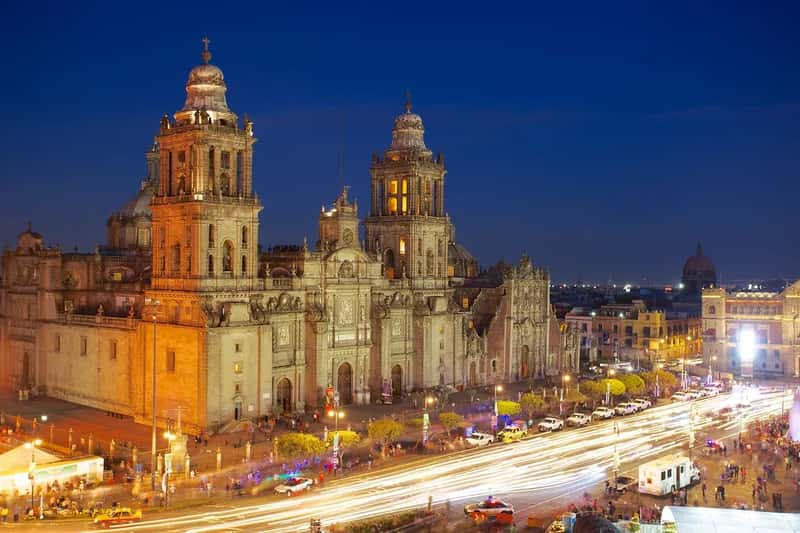
Paraguay rarely makes holiday brochures, yet it keeps appearing on lists of the world’s cheapest property markets. One 2026 ranking cites a city centre flat in Paraguay for $55,000[5]. An older guide gave per square meter figures of about $1,177 in the city centre and $875 outside it[1], so check the current rate before relying on them.
The legal side is relatively open. Real estate investment is wide open to foreigners, with almost no restrictions[13]. The minor exceptions involve Brazilians and Argentines buying land near their national borders[13]. Most foreign interest is in rural land, so anyone after a house in town should expect a smaller, more local market.
Mexico
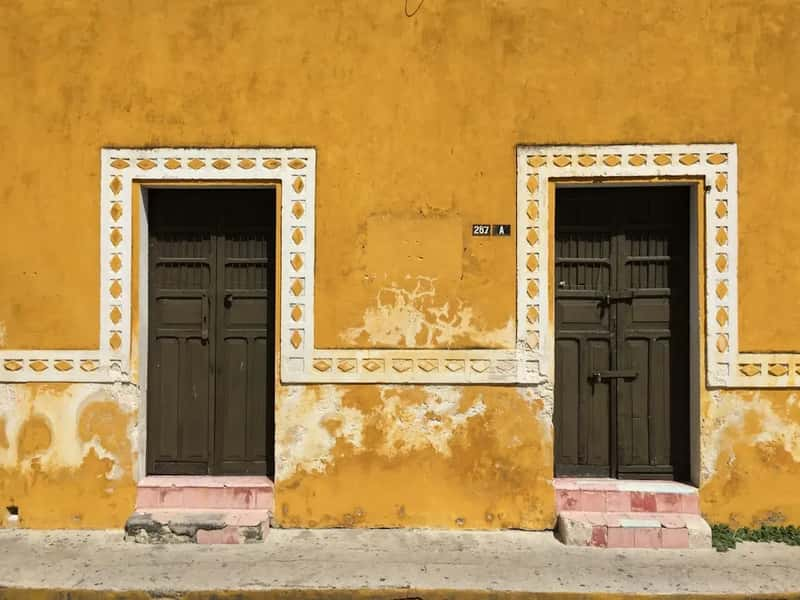
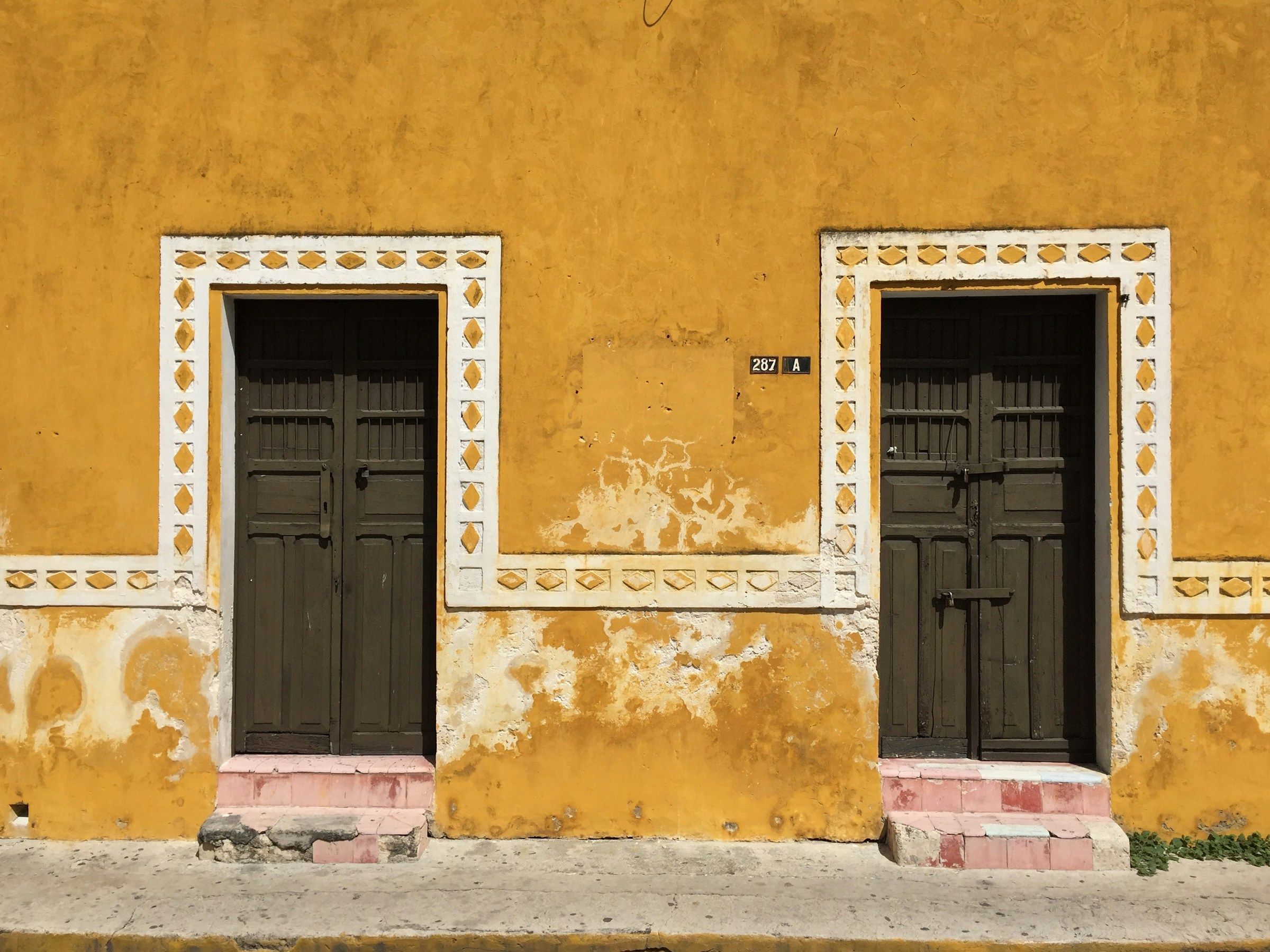
Mexico works for this budget if you avoid the tourist hotspots. One 2026 guide says houses in rural areas can start at $40,000 or more, with places like Oaxaca and Michoacán cheaper outside the big tourist zones[14]. That leaves some room under sixty thousand dollars, though not a lot of it.
The rules and fees deserve attention. Mexico requires a bank trust, known as a fideicomiso, in coastal and border zones[15]. Closing costs also run higher than in some neighbors, with one guide putting them at 6 to 10 percent in Mexico versus 1 to 3 percent in Colombia[16]. Factor that into your real budget before you fall for a listing.
Egypt
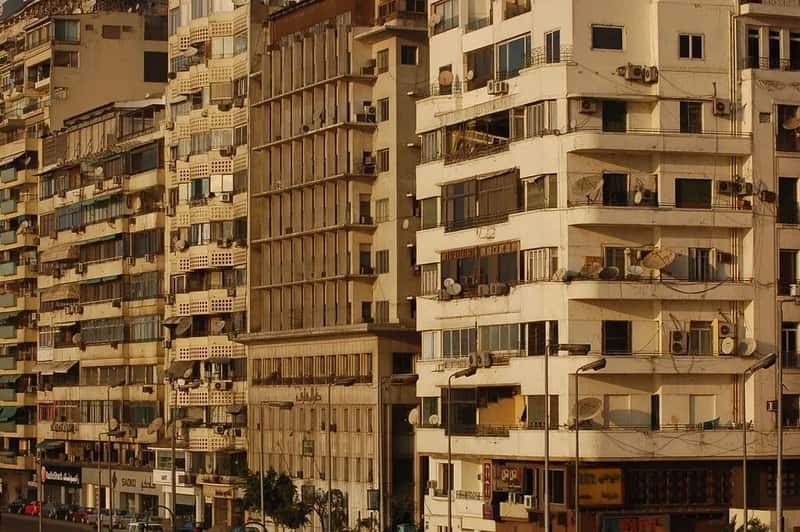
Egypt is the outlier on this list, and mostly for apartments rather than standalone houses. One 2026 ranking mentions a beachfront condo in Egypt for $40,000[5]. Another says studios in Hurghada on the Red Sea start at about $15,000[17].
A property comparison table lists entry prices of $15,000 to $55,000 for a studio or one bedroom, with flexible foreign ownership[17]. These figures come from property marketing sites rather than official statistics, so they’re best treated as a rough guide. Independent legal advice and a careful title check matter more here than almost anywhere else on this list.