Airports were never designed with calm in mind. They’re built for throughput, for moving as many bodies as possible from curb to gate in the shortest window of time, and that mission tends to clash hard with anyone whose nervous system doesn’t love noise, crowds, or unpredictability. For someone managing anxiety, the difference between a smooth trip and a miserable one often comes down to a handful of very specific triggers.
2025 gave travelers plenty of reason to notice those triggers. Air travel volume kept setting records throughout the year, and that steady rise in foot traffic has made the sensory and logistical load of flying heavier than it used to be.
1. Record-breaking crowd sizes at security checkpoints
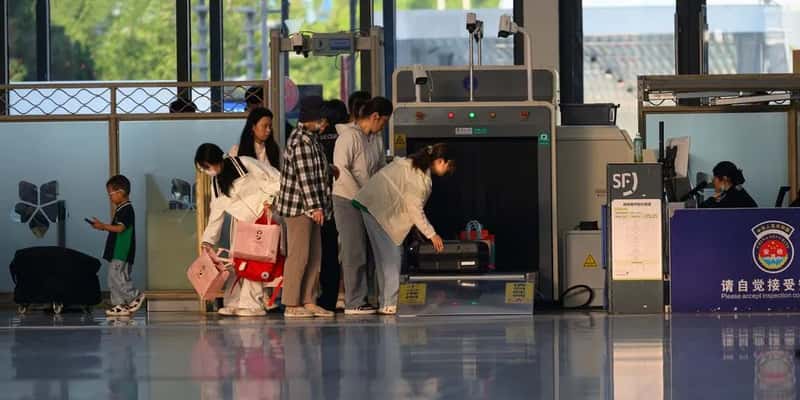
The sheer scale of modern air travel has become genuinely staggering. TSA confirmed that Sunday, November 30, 2025 was the busiest travel day in US history, with more than 3.13 million passengers screened at airports nationwide.[1] That single day broke a record that had only been set months earlier, since it topped the previous record of 3,096,797 screenings set on June 22 of that same year.[1]
For someone prone to panic in tight, loud spaces, that kind of volume isn’t just an inconvenience. Before 2025, US airport screenings had only exceeded 3 million passengers on two occasions, but that threshold was crossed on seven separate days within the year.[1] A checkpoint built for a certain flow suddenly handling that many bodies means longer lines, less personal space, and far more opportunity for the kind of overstimulation that can tip someone from nervous into overwhelmed.
2. The uncertainty around REAL ID enforcement
Identification checks are already a small stress point for many flyers, and 2025 added a new layer of confusion to that moment. Federal agencies, including TSA, began REAL ID enforcement on the deadline of May 7, 2025, meaning only state-issued licenses and identification cards that meet the security requirements of the REAL ID Act would be allowed for boarding commercial aircraft.[2] Not everyone got the memo in time.
Compliance was far from universal heading into the deadline. At the time enforcement began, only 81% of travelers at TSA checkpoints were presenting an acceptable form of identification.[3] That gap matters because passengers who present a non-compliant state ID without another acceptable alternative can expect delays, additional screening, and the possibility of not being permitted into the checkpoint.[3] For an anxious traveler already worried about missing a flight, standing in a secondary line while unsure if their documents will even be accepted is close to a nightmare scenario.
3. Sensory overload from noise, light, and constant announcements
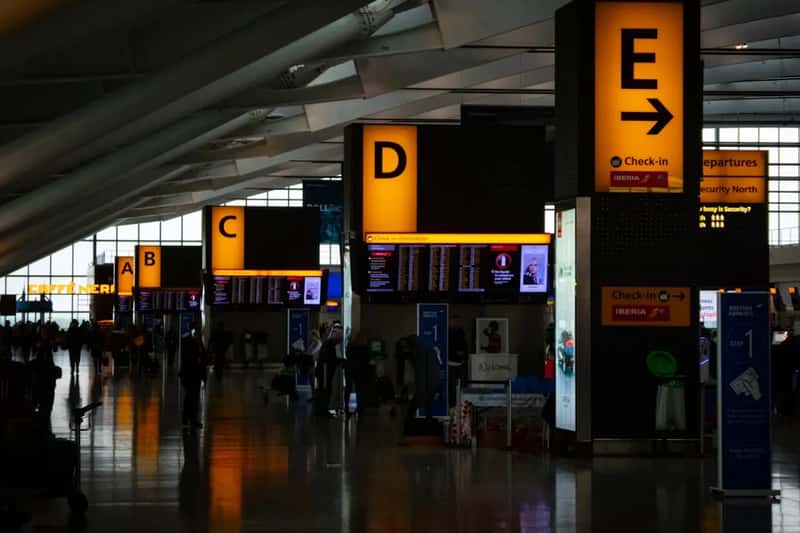
Terminals are loud in a way that’s easy to underestimate until you’re standing in the middle of one. Overhead announcements repeat on loops, boarding calls compete with rolling suitcase wheels on hard flooring, and fluorescent lighting rarely lets up. For travelers with sensory sensitivities, this combination can build gradually until it becomes genuinely hard to think clearly.
What makes it worse is that there’s rarely an obvious escape. Unlike a grocery store or a mall, you usually can’t just step outside for a breather once you’re past security, especially with a tight connection. The noise floor in a busy hub rises right along with passenger volume, and with record numbers of people moving through airports in 2025, that baseline hum has only gotten louder in the terminals that see the most traffic.
4. Long, unpredictable security lines with shifting rules
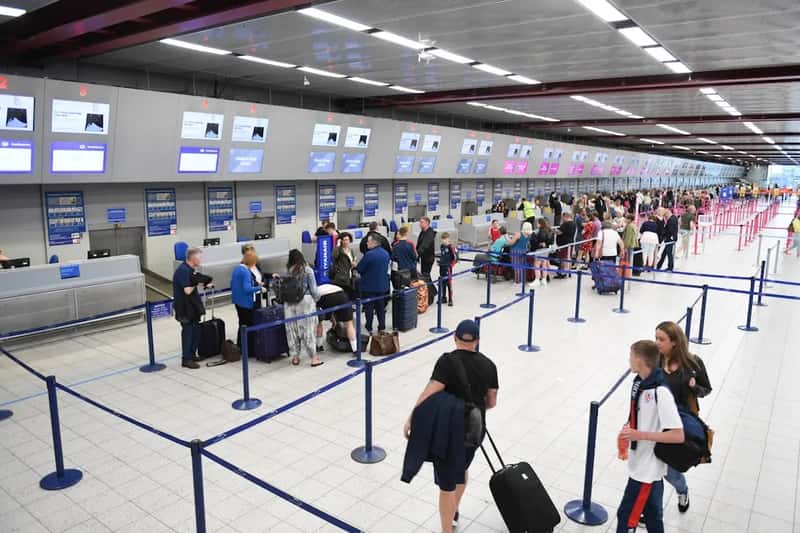
Waiting in line is stressful enough on its own, but waiting in a line where the rules keep changing adds a layer of unpredictability that anxious brains tend to hate. TSA attributed much of the 2025 travel surge to what the agency called the “Golden Age of Travel,” pointing to the elimination of the shoes-off rule, the rollout of family-friendly lanes, and expansion of scanners that read IDs without physically scanning boarding passes.[4] Those changes were meant to speed things up, but they also meant travelers walking into checkpoints with outdated expectations about what to take off or how to behave.
Add REAL ID confirmation into that mix and lines become even less predictable. Starting in early 2026, passengers lacking compliant identification are required to pay 45 US dollars for the new TSA ConfirmID service or risk being denied boarding.[4] Not knowing exactly how long your own line will take, or whether you’ll be pulled aside for extra steps, is exactly the kind of ambiguity that makes waiting rooms and checkpoints so hard for anxious flyers.
5. Holiday and peak-season crowd surges
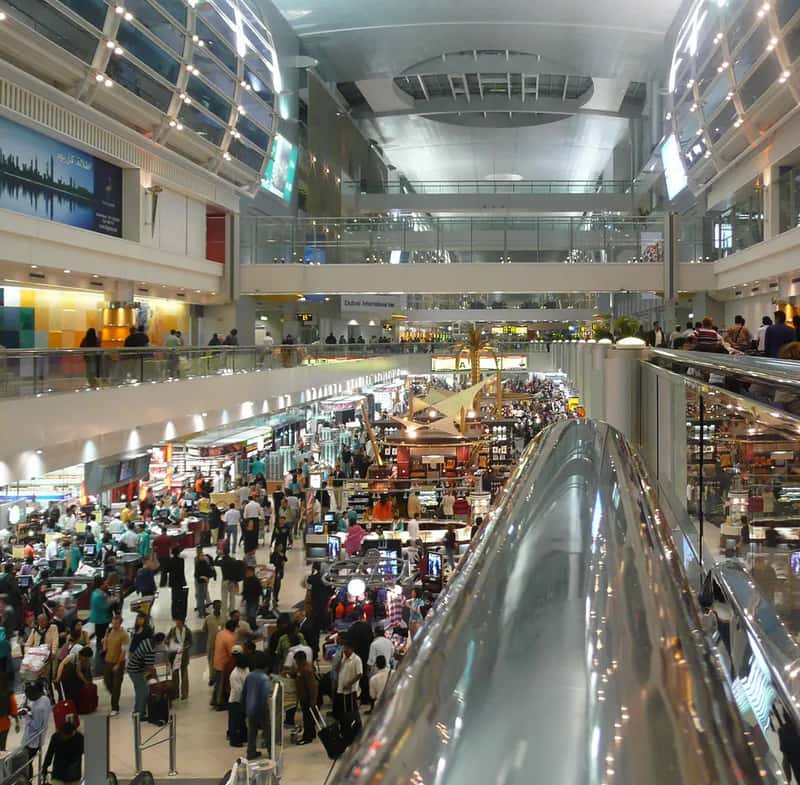
Certain weeks of the year turn airports into something closer to a stadium event than a transportation hub. TSA prepared to screen a projected 44.3 million travelers at security checkpoints between December 19, 2025 and January 4, 2026 alone.[5] The agency expected its heaviest single day to be Sunday, December 28, with roughly 2.86 million passengers passing through checkpoints nationwide.[5]
Thanksgiving weekend told a similar story. The late-November 2025 record surpassed the previous busiest day of about 3.09 million passengers set earlier that year, and represented a 1.4% increase over the comparable Sunday the prior year.[1] Flying during these windows means accepting that terminals, security lines, and gate areas will be at or near capacity, which is precisely the kind of crowd density that can make an anxious traveler feel trapped with no easy way out.
6. Government shutdowns and staffing disruptions
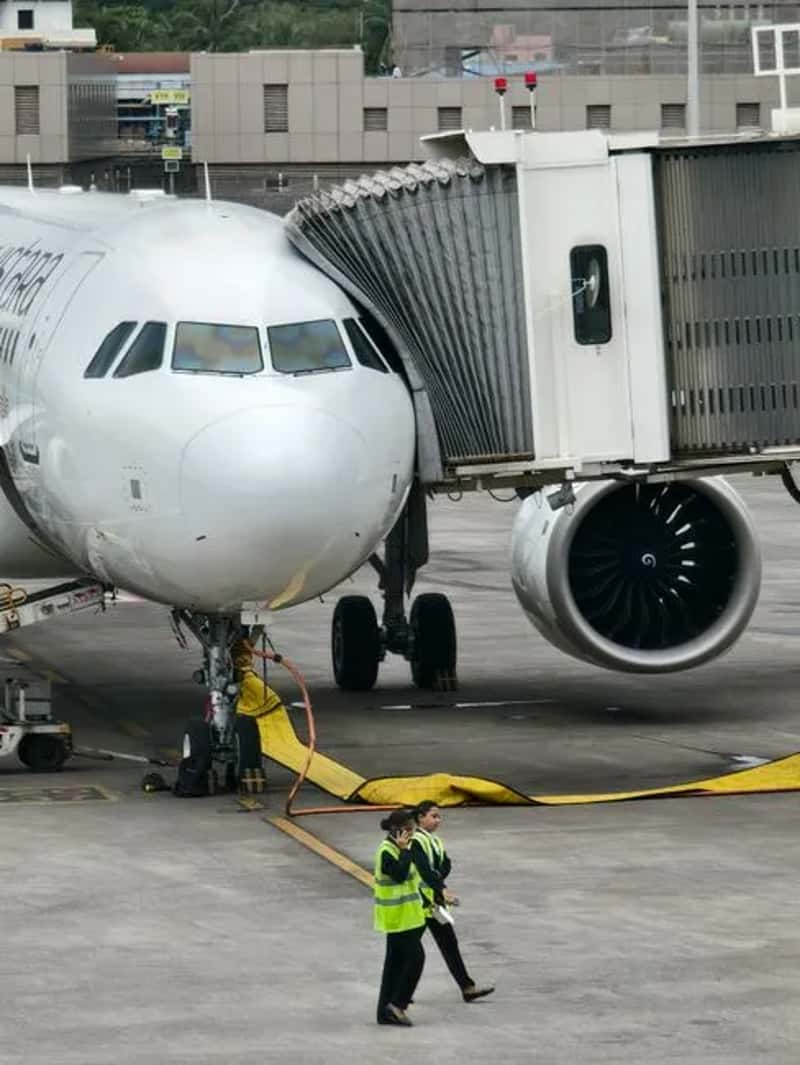
Crowding is one problem, but crowding combined with reduced staffing is a different animal entirely. The aviation sector was still recovering from a government shutdown heading into the 2025 Thanksgiving travel period, an event that led to thousands of disruptions.[1] When staffing dips at the same time passenger volume spikes, lines lengthen, tempers shorten, and the general atmosphere in a terminal becomes noticeably tenser.
For someone already on edge, that tension is contagious. Watching gate agents scramble, hearing frustrated travelers argue over rebooking, or seeing a checkpoint understaffed during a record-breaking travel day adds a layer of chaos that goes beyond ordinary busyness. It’s not just about how many people are there, but about whether the system managing them feels like it’s keeping up.
7. The fear of missing a connection in a massive, unfamiliar terminal
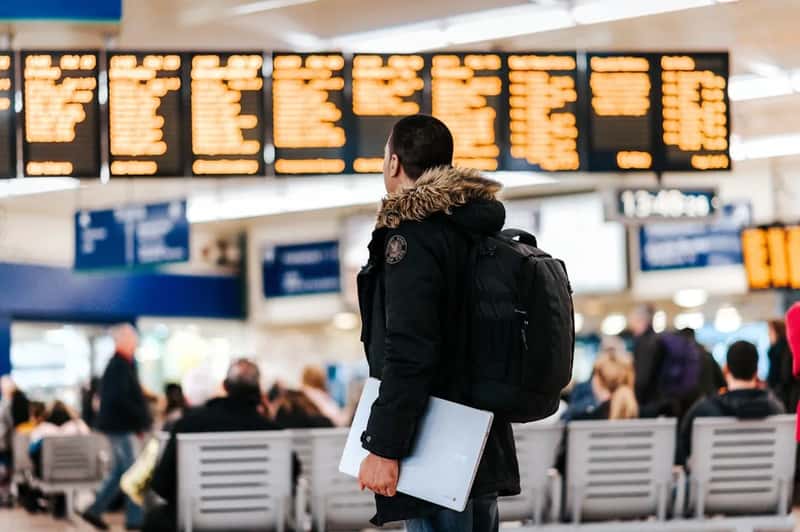
Large hub airports can span what feels like small cities, with terminals connected by trains, long walkways, and signage that isn’t always intuitive under pressure. Hartsfield-Jackson Atlanta International Airport, for example, has recorded just over 100,000 daily screenings on its busiest days, a scale that makes navigating between gates genuinely time-consuming.[6] For a traveler with a tight connection, that physical distance turns a routine layover into a countdown.
The anxiety here isn’t irrational either. When record numbers of people are moving through the same limited number of checkpoints, jet bridges, and trams, delays compound quickly. A ten-minute security line during an average week can become a forty-minute wait during a peak travel day, and that math is exactly what keeps anxious flyers checking the departures board every few minutes instead of relaxing at the gate.
These seven pressure points rarely show up in isolation. A record travel day, a staffing shortfall, and an unfamiliar terminal can stack on top of each other within a single trip, and that combination is often what turns ordinary travel nerves into something closer to dread. Recognizing which specific triggers apply to a given trip, whether it’s the calendar, the airport layout, or a new ID rule, is usually the first step toward making the experience feel more manageable.