Most people can point to at least one moment from a childhood trip that still makes their stomach drop a little today. Maybe it was a bumpy flight, a crowded airport, or a hotel room that felt too dark and too unfamiliar. These small moments rarely disappear completely. They tend to settle into the background of adult life, resurfacing in ways that seem unrelated to travel at all until you trace them back to where they started.
1. Fear of flying and turbulence

A rough flight during childhood, or simply absorbing a parent’s visible nervousness at takeoff, is one of the most common origin points for adult flight anxiety. Many people also have a specific origin event, a previous flight that felt frightening, a near miss experience, or a period of high stress during which flying became associated with anxiety.[1] That single memory can linger for decades, even when the person has flown safely hundreds of times since.
The scale of this fear is larger than most people assume. Various estimates put the percentage of adults in the United States who are afraid to fly anywhere between 15% and 40%[2], and women report it more frequently, but men are substantially underrepresented in treatment-seeking populations, suggesting the real prevalence among men is higher than reported[1]. Interestingly, a substantial minority of people with fear of flying have never had a traumatic experience on a plane[1], which suggests some of this anxiety is absorbed indirectly rather than learned firsthand.
2. Fear of getting lost or separated from a parent
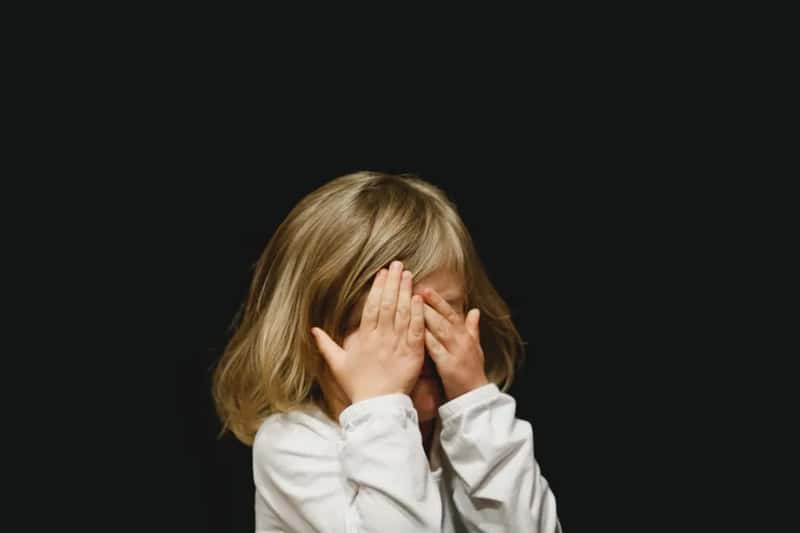
Busy airports, train stations, and unfamiliar streets can turn a simple family outing into a moment of panic for a small child who briefly loses sight of a parent. That flash of helplessness, the sense of being tiny in a world of moving strangers, tends to stick. In adulthood it often reappears as a quiet unease in crowded transit hubs or a compulsive need to double check travel companions and meeting points.
Separation related fear is developmentally normal and expected in early childhood. From about six months, children may show fear of strangers, heights, masks, and being separated from parents.[3] For most people this fades with age, but for some it resurfaces specifically in travel settings where control feels limited and the environment is unfamiliar.
3. Fear of the dark in unfamiliar rooms

A hotel room, a grandparent’s guest bedroom, or a tent on a family camping trip can feel very different from a child’s own bedroom once the lights go out. The unfamiliar shapes, sounds, and smells give the imagination plenty to work with, and that unease about the dark rarely stays confined to childhood. Adults who travel frequently sometimes notice they still sleep with a light on or a phone nearby in unfamiliar rooms, without fully remembering why.
This particular fear is considered one of the most persistent across the lifespan. Often, childhood fears go the way of our favorite blankies, but surprisingly often, childhood fears stick around well into adulthood, maybe you got bitten by a dog or stung by a bee and have freaked out at the sight of them ever since.[4] The same logic applies to darkness in unfamiliar spaces, where the original discomfort was never really resolved, just outgrown on the surface.
4. Fear of trying unfamiliar food

Traveling as a kid often means being served food that looks, smells, or tastes nothing like what’s familiar at home. For some children this is exciting, but for others it triggers real distress, especially if a parent insists on trying something new at the dinner table in a foreign restaurant. That early discomfort with unfamiliar cuisine, sometimes called food neophobia in psychological literature, can carry into adulthood as a strong preference for familiar chain restaurants abroad or genuine anxiety before a meal with unknown ingredients.
This isn’t simply pickiness, though it’s often mistaken for it. The underlying discomfort is closely tied to a broader intolerance for the unknown, which is a theme that runs through nearly every fear on this list. Adults who struggled with this as children sometimes find that travel planning itself becomes easier once food logistics are settled in advance.
5. Fear of water and swimming

A scary moment in a swimming pool, an ocean wave that knocked a child off balance, or simply never learning to swim comfortably can create a lasting wariness around water during travel. Beach vacations, boat excursions, or even hotel pools can quietly become sources of stress rather than relaxation for someone carrying this fear. It rarely announces itself loudly, but it shapes which activities a person avoids without necessarily naming the reason.
Fear of water is consistently listed among the most common specific phobias tracked by researchers. According to the Anxiety Disorders Association of America and NIMH, the most common specific phobias are fear of escalators, water, highway driving, tunnels, public transportation, injuries involving blood, dogs, flying, insects, close in places, dental and medical procedures.[5] Several of these overlap directly with common travel situations, which helps explain why so many adult travel anxieties trace back to ordinary childhood incidents rather than dramatic trauma.
6. Motion sickness anxiety
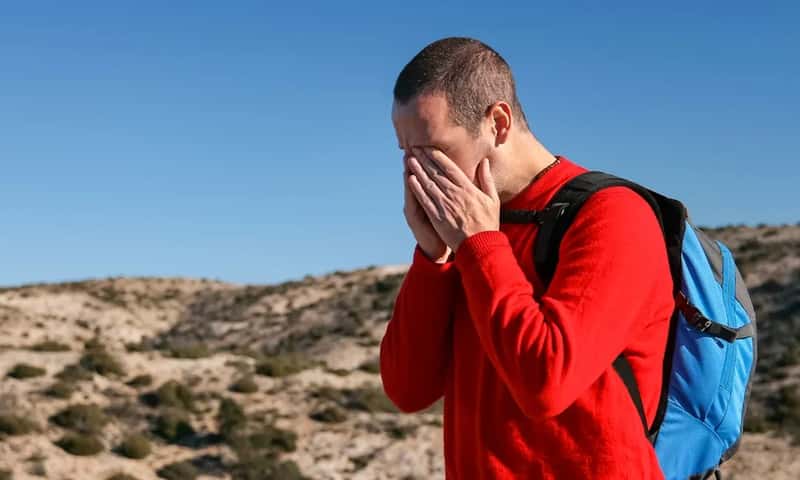
Car sickness on long family road trips, or nausea during a bumpy boat ride, leaves more than just an unpleasant physical memory. Children who experienced this repeatedly often develop an anticipatory anxiety around any mode of transport that might trigger the same feeling again. As adults, this can show up as reluctance to sit in the back seat, avoidance of cruises, or a habit of taking medication before any trip involving curvy roads or choppy water, even when symptoms have long since eased.
What makes this fear distinct from the others is how physical it feels. The anxiety isn’t purely psychological, it’s tied to a genuine bodily memory of discomfort, which can make it harder to talk oneself out of compared to more abstract fears. Many adults manage it quietly through preparation rather than confrontation, choosing window seats or specific travel times without ever framing it as a lingering childhood issue.
7. Fear of strangers and unfamiliar crowds

Meeting a large extended family for the first time on a trip, or navigating a foreign city filled with unfamiliar faces and languages, can be overwhelming for a young child whose social world is normally small and predictable. That early wariness toward strangers is a completely typical developmental stage, but for some it never fully resolves. In adulthood it can look like social exhaustion during group travel, discomfort in crowded markets, or a strong preference for smaller, quieter destinations over bustling tourist hubs.
Researchers have long noted how early this particular fear emerges and how variable its trajectory can be. Childhood fears tend to be age specific and fairly predictable, and as a child gets older, the nature and intensity of those fears often diminish, but sometimes the fears do follow us into adulthood.[3] Crowded, unfamiliar environments abroad seem to be one of the more common settings where this early wariness resurfaces, even in adults who are otherwise comfortable in social situations at home.
8. Fear of illness or contamination while away from home

Getting sick on vacation, whether from unfamiliar food, water, or simply catching something during a long flight, is a memory that many adults trace back to a single unpleasant childhood trip. Being unwell far from a familiar doctor, home comforts, or a parent’s usual remedies can feel disproportionately frightening to a child, and that association between travel and vulnerability doesn’t always fade cleanly. In adulthood it often shows up as overpacking medication, excessive hand sanitizing, or genuine dread about drinking tap water in certain countries.
This fear has become more visible in recent years as travelers have grown generally more attentive to health risks abroad following global health events earlier in the decade. For some, that heightened awareness sits comfortably alongside ordinary caution, while for others it edges into genuine anxiety that limits which destinations feel safe to visit at all. Either way, the root often traces back to one uncomfortable trip from childhood rather than any single adult experience.
None of these fears are unusual, and having one, or several, doesn’t say much about a person beyond the fact that they had a childhood full of ordinary bumps and surprises. What often helps is simply recognizing where a specific unease came from, since naming the original moment tends to take away some of its quiet, unexamined power over present day decisions. Travel has a way of surfacing old feelings precisely because it strips away routine, and that, in the end, is also what makes it worth doing.