Summer travel season across Europe means packed piazzas, overflowing metro cars, and long lines at ticket counters for the continent’s most photographed landmarks. It also means a predictable seasonal uptick in opportunistic theft, scams, and in a handful of cities, more serious organized crime that has little to do with tourists but can still shape the atmosphere of a visit. Numbeo’s 2026 crime index, national police data, and recent reporting from outlets tracking European safety trends all point to a fairly consistent shortlist of cities where travelers should keep their guard up a little higher than usual.
1. Marseille, France
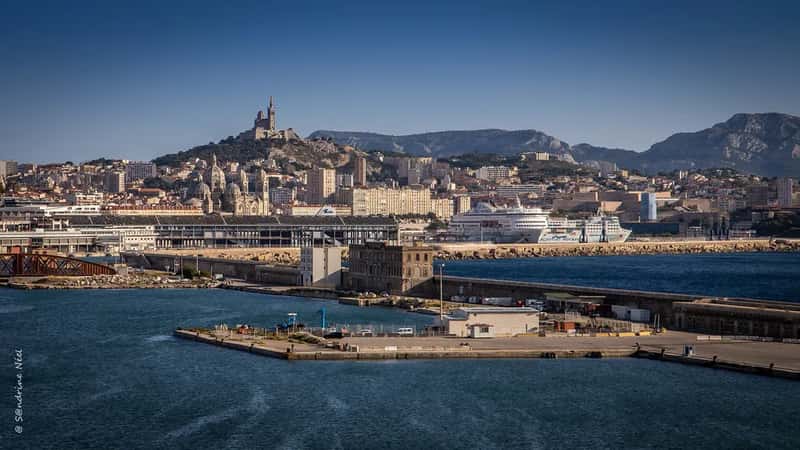
Marseille currently sits at the very top of Numbeo’s European crime rankings, and by a wide margin. The Numbeo current crime index puts Marseille at 67.0, the highest of any city in Europe according to real-time data from 2026.[1] Much of that score reflects serious issues concentrated in specific districts rather than citywide chaos.
Marseille ranks first in Numbeo’s 2026 European city index, with safety concerns varying considerably across the city and some northern districts experiencing more serious drug and gang related violence.[2] For the typical visitor sticking to the old port, the Vieux-Port, and central tourist areas, more immediate risks include pickpocketing, phone theft and opportunistic crime around busy transport hubs, tourist attractions and crowded public areas.[2] The beaches and calanques remain genuinely lovely; it is simply worth knowing which neighborhoods to skip after dark.
2. Grenoble, France
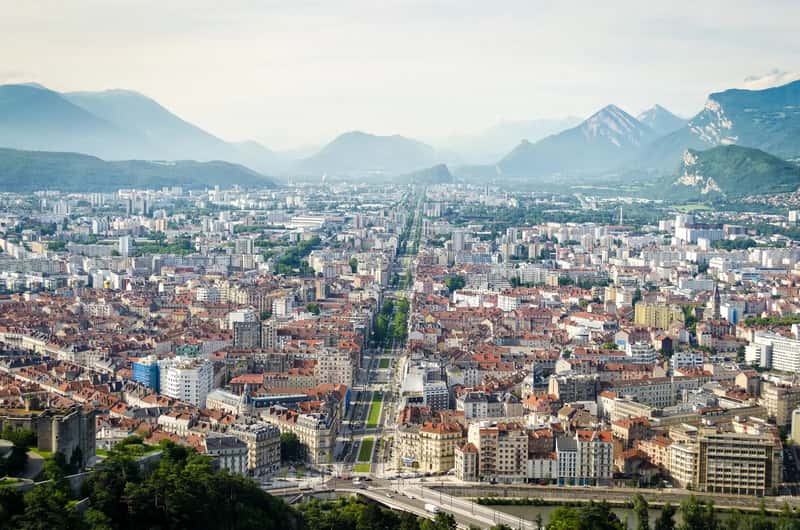
Grenoble rarely appears on anyone’s radar as a dangerous city, yet its crime figures have crept upward in ways that are worth flagging before a summer trip through the French Alps. The Numbeo index gives Grenoble a crime score of 62.9 as of 2026.[1] That places it well within the continent’s higher-risk tier, alongside cities several times its size.
The concern here is less about tourist pickpocketing and more about gang violence tied to the drug trade. In 2025, drug-related gang warfare intensified in the city, with 19 shootings linked to rival cartels, part of a wider trend across French cities that has deeply affected local communities.[1] Visitors exploring the historic center and cable car up to the Bastille fortress are unlikely to encounter trouble, but certain areas such as Arlequin, Villeneuve, and Mistral are worth avoiding, with valuables kept out of sight and well-lit, busy streets preferred after dark.[3]
3. Paris, France

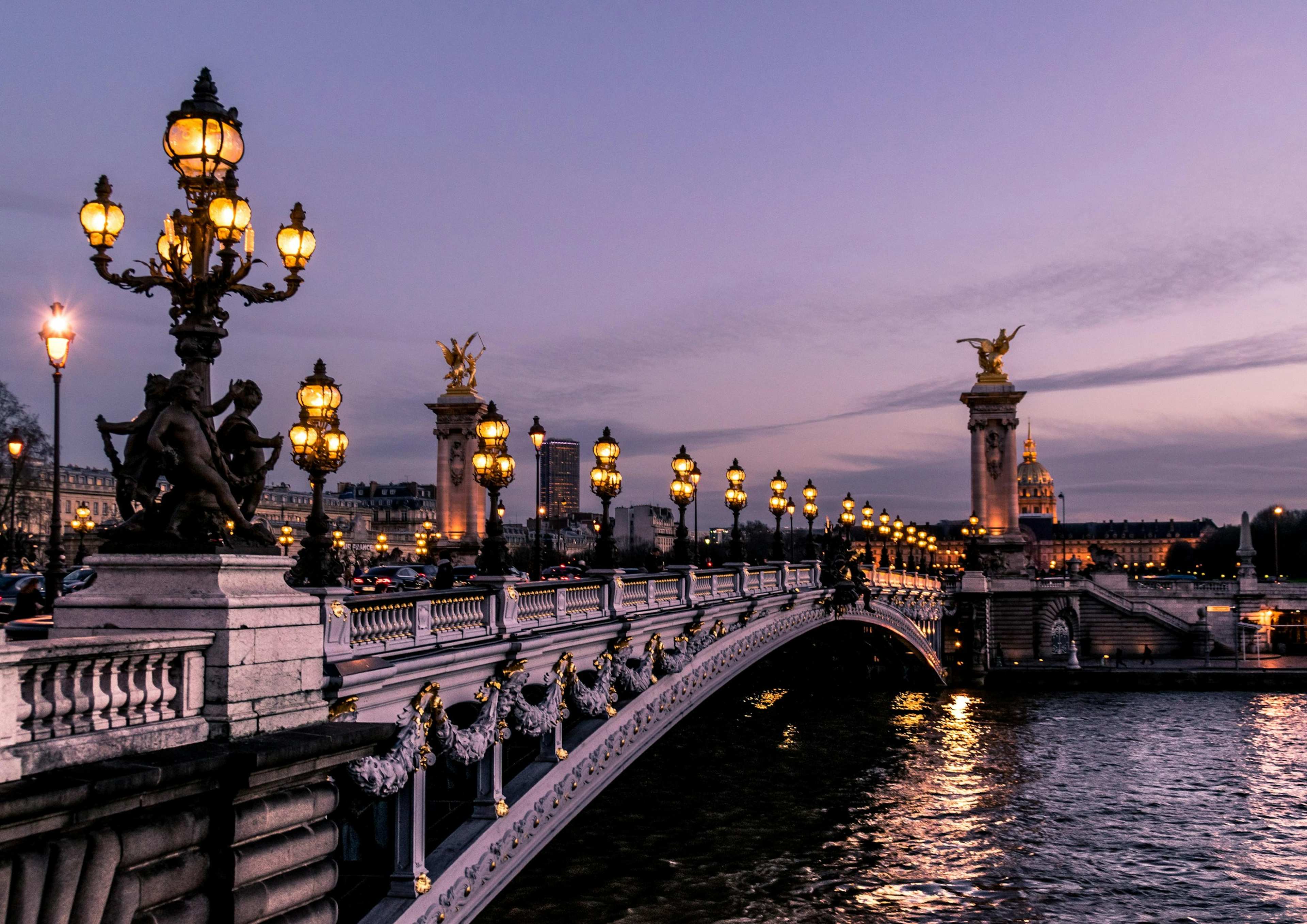
Paris remains one of the most visited cities on Earth, and that popularity comes with a well-documented downside for anyone carrying a phone or wallet in a back pocket. Paris took over the top spot in several recent global rankings of theft related traveler complaints, accounting for 16.5% of all theft-related reviews analysed in the past year.[4] That is not a marginal lead; it is by far the largest share of any city measured.
The scale of the problem shows up in raw numbers too. The Paris metropolitan area alone recorded over 260,000 theft-related incidents in 2023[5], according to police and Eurostat figures. Crowded metro lines, the areas around Notre-Dame and the Eiffel Tower, and dense tourist corridors remain the spots where distraction thefts happen most often, and the city’s huge numbers of distracted visitors packed into a dense public transport system create conditions that are unlikely to change soon.[6]
4. Barcelona, Spain
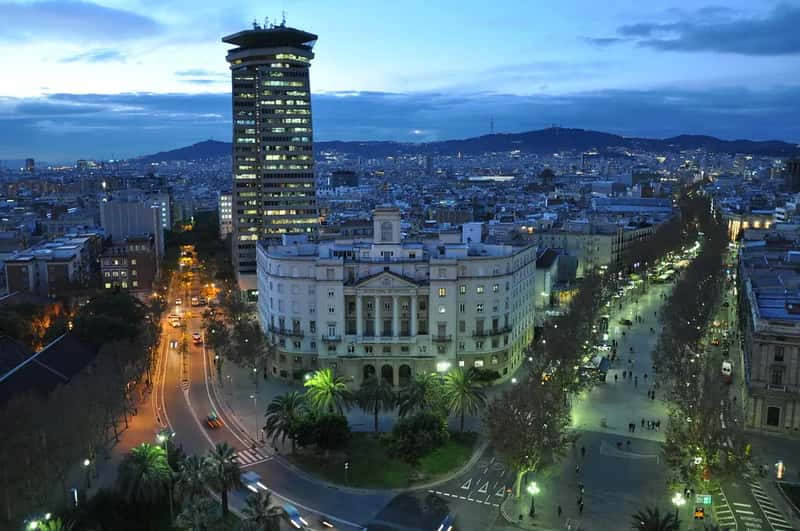
Barcelona has spent more than a decade fighting an image problem tied almost entirely to pickpocketing, and the raw figures explain why. In 2023, Barcelona recorded 100,944 pickpocketing incidents, and theft accounted for 48.1% of all crime in the city, according to the Barcelona City Council’s own crime statistics.[7] The lower stretch of La Rambla near the port, along with the Gothic Quarter and metro Lines 1 and 3, remain the areas most frequently cited in complaints from visitors.[7]
There is genuinely encouraging news for summer 2026, though. Pickpocketing in Barcelona dropped 40% in 2026 under the Pla Kanpai operation[4], a targeted police crackdown on repeat offenders. According to the Mossos d’Esquadra, 85 multi-offenders with criminal records were detained between January and June 2026 alone, four times the figure from the same period in 2025[4], so the trend line is moving in the right direction even if vigilance around the metro and Sagrada Família is still warranted.
5. Rome, Italy

Rome’s crime concerns are almost entirely property-related, but the numbers have moved sharply in recent years. The city reported a 68% increase in pickpocketing between 2019 and 2024, alongside a broader 23% rise in overall crime.[8] A separate 2024 accounting found the trend accelerating further, with Rome experiencing a 51.3% rise in reported robberies in 2024.[9]
The geography of the risk is predictable and well documented. The Trevi Fountain, the Colosseum, Piazza di Spagna, and the area around Termini station are the most commonly cited hotspots, along with Metro Line A, running from the main station to the Vatican Museums.[8] Italy’s interior ministry has responded with a dedicated response unit, since a plain-clothes task force called Polmetro now patrols metro trains and platforms in Rome, Milan and Naples, announced in 2024 and rolled out through 2025.[10]
6. Milan, Italy

Milan consistently posts the highest overall crime figures of any major Italian city, a fact confirmed year after year by national statistics. According to the annual crime index from newspaper Il Sole 24 Ore, Milan again had the highest crime rate last year, registering 6,952 reported crimes for every 100,000 residents.[11] That is a meaningfully higher rate than Rome, Florence, or Naples.
Theft drives most of that figure. In 2023, 144,864 crimes were reported by police forces to the judicial authorities in Milan, of which almost 60 percent constituted thefts.[12] The city has also seen a run of brazen street robberies targeting luxury items; in one widely reported case this year an American man in central Milan became the latest victim of a high-profile street crime when two men snatched an €80,000 Patek Philippe watch straight off his wrist.[13] Visible jewelry and watches are worth tucking away in crowded fashion-district streets and around the Duomo.
7. Naples, Italy
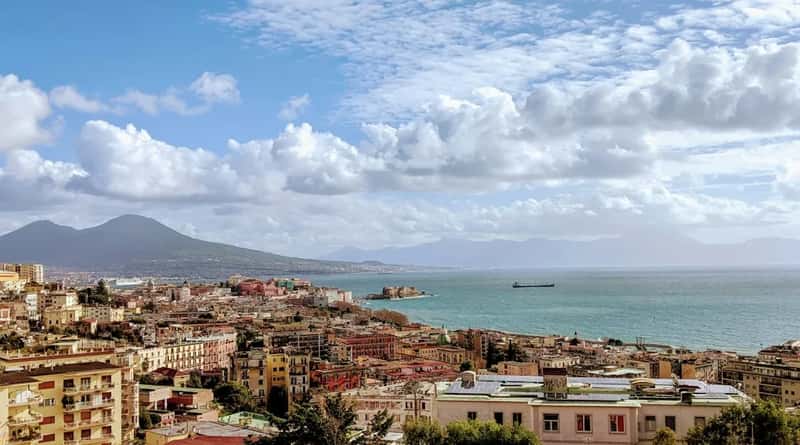
Naples carries a dramatic reputation that its actual statistics only partly support, which makes it a slightly different case than the other Italian cities on this list. According to Statista, Naples is safer than Florence, Rome and Milan for general crime and theft rates per 100,000 inhabitants, with Milan ranking #1 on Italy’s crime index, Rome #3, Florence #7, while Naples ranks #10 out of 106 provinces.[10] Still, street theft in the historic center runs above the national average.
The areas to watch are well identified by local guides and police alike. Pickpockets and bag-snatchers cluster along the Circumvesuviana commuter line to Pompeii and Sorrento, on the crowded platforms of Napoli Centrale and Piazza Garibaldi, and on Via Toledo where costumed street performers work the selfie trade.[14] A violent incident this summer underscored the risk to high-value items specifically, when another American visitor in Naples was violently dragged by a scooter-riding thief targeting a €130,000 watch.[13] Sticking to central, well-populated streets after dark remains the simplest precaution.
8. Brussels, Belgium

Brussels stands apart from the other cities on this list because its elevated risk profile involves serious violent crime tied to drug trafficking rather than tourist-focused theft. Belgium’s drug crisis has fueled murder rates in recent years, and Brussels now has the second highest murder rate in the European Union, with 2025 seeing the highest number of shootings in the history of the city at 96 shootings.[15] That trend has continued into 2026, with reporting from late August describing over 100 shootings in 2025 alone, and more than 65 shootings so far this year.[16]
For visitors, the more common nuisance remains theft rather than violence, since 63% of all pickpocketing in Belgium happens in Brussels, with drug-related incidents and violent thefts having increased since 2022.[17] Most shootings are targeted and linked to gang disputes rather than random attacks on tourists, but travelers should still avoid lingering in neighborhoods where drug activity is visible and keep valuables secured on trains and at Midi station, a known pickpocketing hotspot.
None of these eight cities are places to cross off a summer itinerary entirely. Marseille’s calanques, Barcelona’s architecture, Rome’s ruins, and Naples’s food scene remain every bit as worthwhile as they were a decade ago, and in Barcelona’s case, dedicated policing has already started reversing the theft numbers that built its reputation in the first place. What has changed is the margin for carelessness. A distracted moment at a Metro turnstile in Paris or a phone left on a café table in Rome carries higher odds of disappearing this year than it did five years ago, and in Brussels and Grenoble, the more serious drug-related violence, while rarely aimed at outsiders, is worth knowing about before booking a stay near the wrong neighborhood. Basic precautions, a slim wallet, a cross-body bag, awareness of the specific streets and metro lines flagged above, still cover the vast majority of the actual risk a summer traveler is likely to face.