Most travelers assume the person who cleans their hotel room barely glances past the unmade bed and the towel pile. In reality, housekeepers develop a sharp eye for detail simply because of repetition. Cleaning dozens of rooms every shift trains staff to read a space in seconds, and of a stay, a lot of small clues have already added up into a fairly clear picture of the guest inside.
None of this is about judgment in a mean-spirited sense. It’s mostly practical, since housekeepers need to know how much work a room will take and what kind of reset it needs before the next cleaning. Still, the details below show just how much staff quietly pick up on, often without a guest ever realizing it.
1. The Smell That Hits Before Anything Else
Housekeepers say the first impression of a room usually isn’t visual at all. The first thing housekeeping registers isn’t visual, it’s olfactory, and lingering takeout, damp towels, strong perfume, or stale air tell them what kind of room they’re walking into before they even flip on the lights.[1] By day three, those smells have often built up enough to be unmistakable the moment the door opens.
It isn’t just food and perfume that linger, either. Most guests don’t realize how much their habits linger in the air, and leaving takeout containers open overnight or letting wet swimsuits sit in a pile creates odors that cling to curtains and bedding.[2] A few days of that buildup is usually enough for housekeeping to know exactly what they’re dealing with before they even step inside.
2. How the Do Not Disturb Sign Gets Used
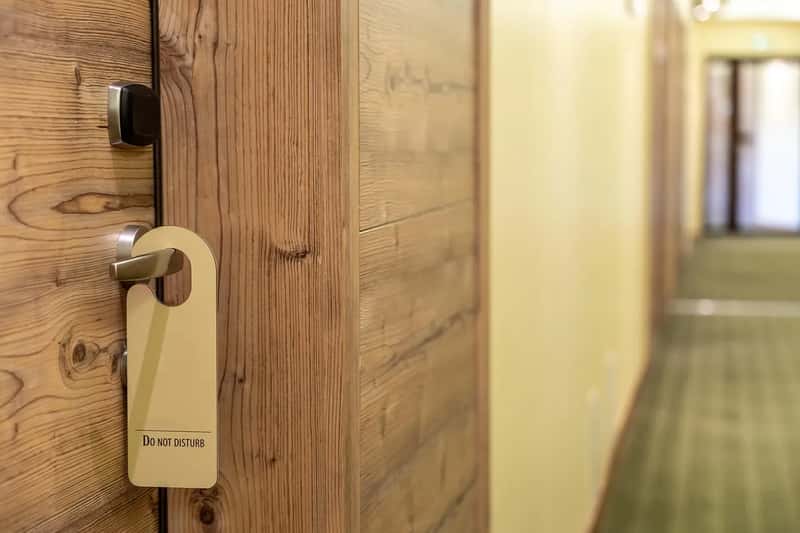
By the third day, patterns around the Do Not Disturb sign become obvious to staff. Some hotels now require a welfare check if a DND sign stays up longer than 48 hours, since it’s treated as a safety protocol rather than just a cleaning headache.[1] Housekeepers keep mental notes of which rooms have gone untouched for multiple days, and rooms in that situation often need a much deeper clean once access finally happens.
There’s also a gaming pattern staff have grown tired of. Some guests hang the sign the moment they spot the cart coming, then pull it down later and complain the room was never cleaned, a pattern housekeepers notice and consider one of their biggest frustrations on the job.[1] On top of that, the “do not disturb” sign doesn’t always make clear whether a guest simply wants to sleep in, so staff may only catch the actual intent during their usual rounds.[3]
3. Whether Smoking or Vaping Happened
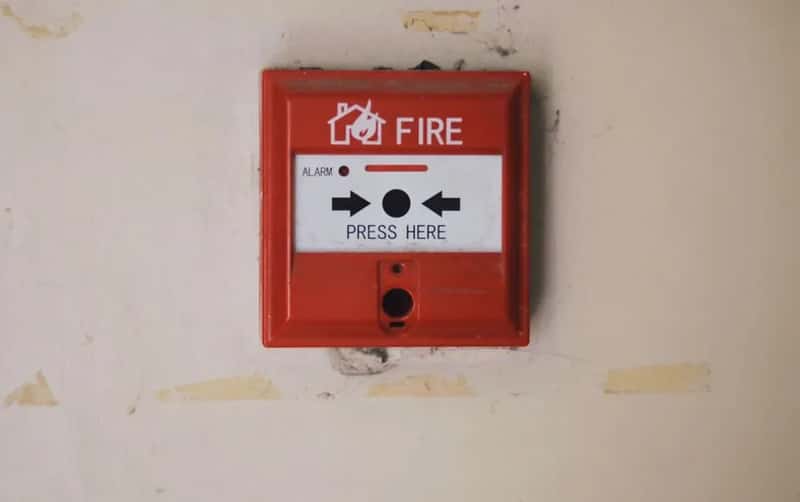
This is one area where there’s little room for guesswork. Most hotels are strictly nonsmoking now, and staff can almost always detect cigarette or vape residue the moment they walk in, and if they miss it, automatic smoke detectors won’t.[1] Three days is more than enough time for that kind of residue to settle deep into fabric.
The odor itself spreads faster than most guests expect. The odor permeates curtains and upholstery faster than most guests assume, regardless of whether a window is opened or a ventilation fan is turned on.[3] Cigarette smoke can settle into curtains, bedding, upholstery, and carpets, and housekeepers are usually quick to spot signs that someone has smoked or vaped in a room where it isn’t allowed.[4] By day three, that trail is nearly impossible to hide.
4. The State of the Coffee Station and Mini-Bar
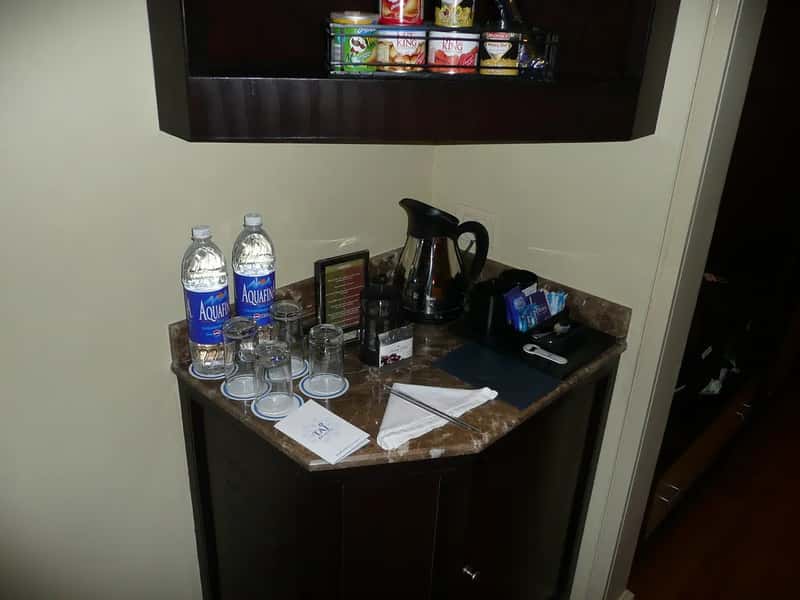
Small details around the coffee maker say more than guests realize. Sugar packets torn open and scattered, stirrers on the desk, and coffee grounds spilled around the maker are tiny details that add up, and the coffee station reveals a surprising amount about a guest’s morning habits.[2] After three mornings in the same room, that station has usually told its whole story.
Mini-bar habits matter too, especially where technology hasn’t taken over the job. Many hotels now use sensor-based mini-bars that charge automatically, but at properties with traditional setups, housekeepers are the first line of inventory control, noticing what’s been consumed within moments of walking through the door.[2] A tidy station typically takes far less time to reset than one that looks chaotic, which matters on a tight cleaning schedule.
5. What Happens to the Wet Towels
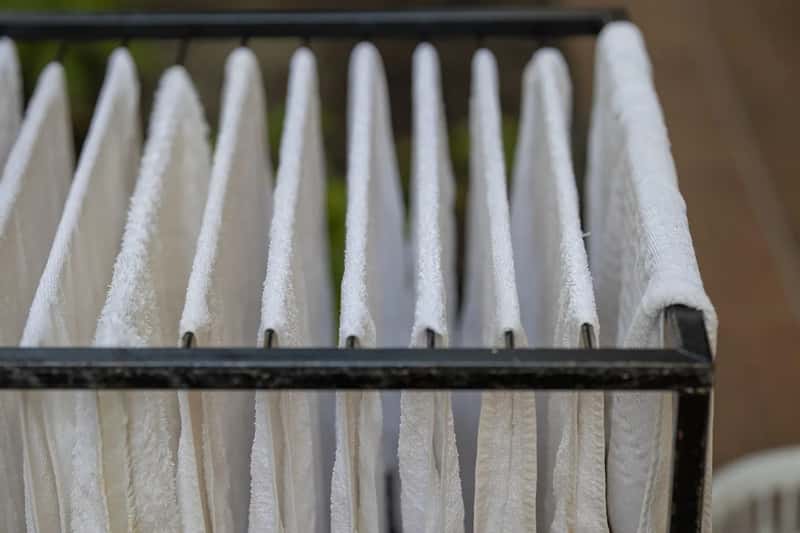
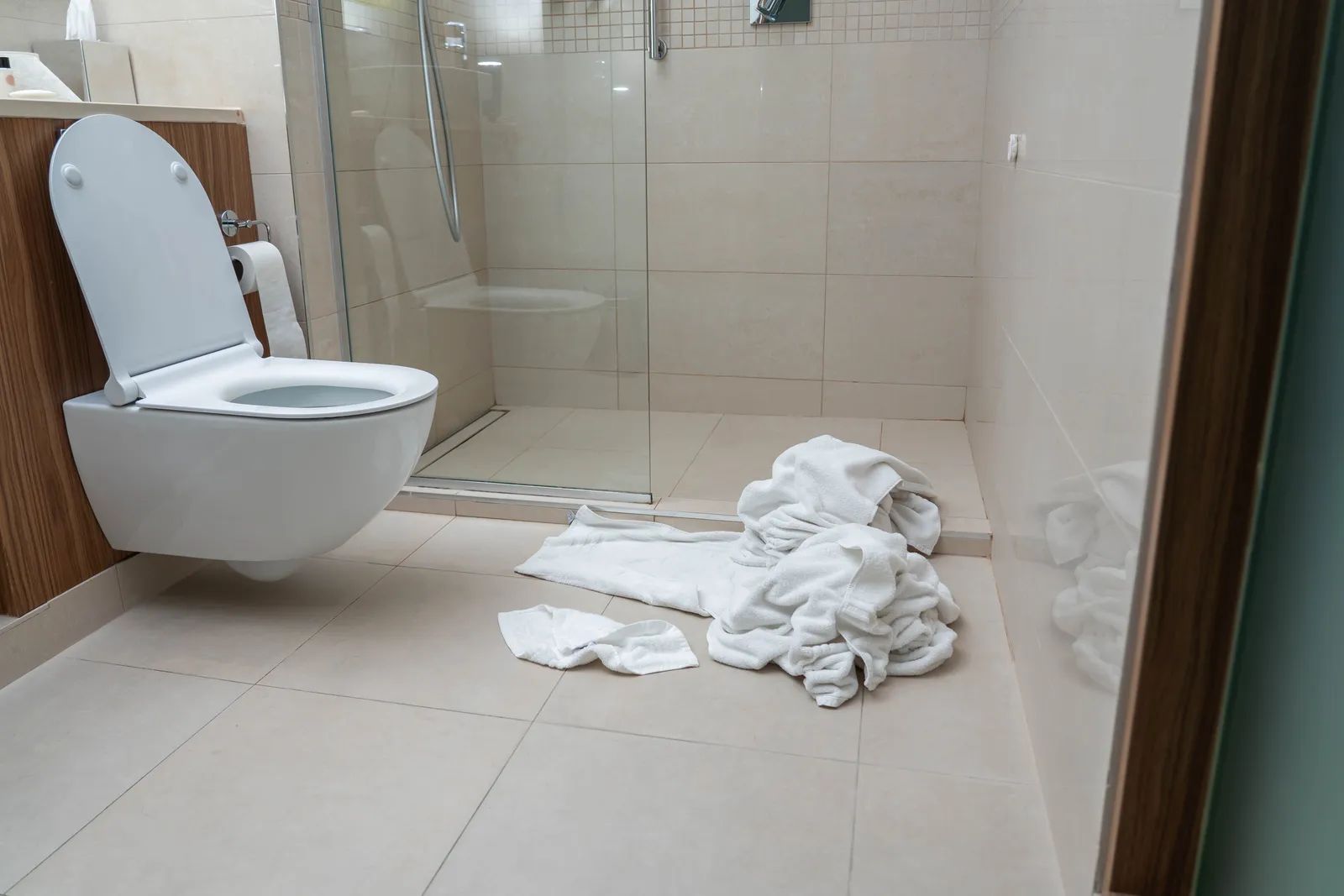
Towel habits are one of the clearest tells housekeeping picks up on. Wet towels shoved behind the bed, crammed into drawers, or hidden under the sink are a consistent source of bewilderment for housekeeping staff, since these towels breed mildew fast and can damage wooden furniture.[2] By day three, a pattern of hiding versus hanging towels is fully established.
The difference often comes down to travel experience. A first-time vacationer tends to leave wet items in a pile, while someone with more travel miles under their belt reaches for a hook out of pure habit, without even thinking about it.[5] Housekeepers who work resort or beach properties say this particular habit shows up constantly and gets noticed almost immediately.
6. How the Suitcase and Closet Are Being Used

An unused closet is one of the more telling signs housekeeping registers over a multi-day stay. An empty closet rod is one of the clearest signs of an inexperienced guest, since travelers who’ve done this before hang up jackets, dresses, and anything that wrinkles within the first few minutes of arriving.[6] By the third day, whether the closet ever got used at all is obvious.
Toiletries tell a similar story in the bathroom. The very first giveaway often shows up in the bathroom, where a guest who has stayed in fifty different rooms has already figured out that a contained toiletry bag means less to misplace and less for housekeeping to work around.[5] A neatly packed suitcase, on the other hand, barely registers with staff at all since it creates no extra work.
7. Leftover Food and Room Service Trays
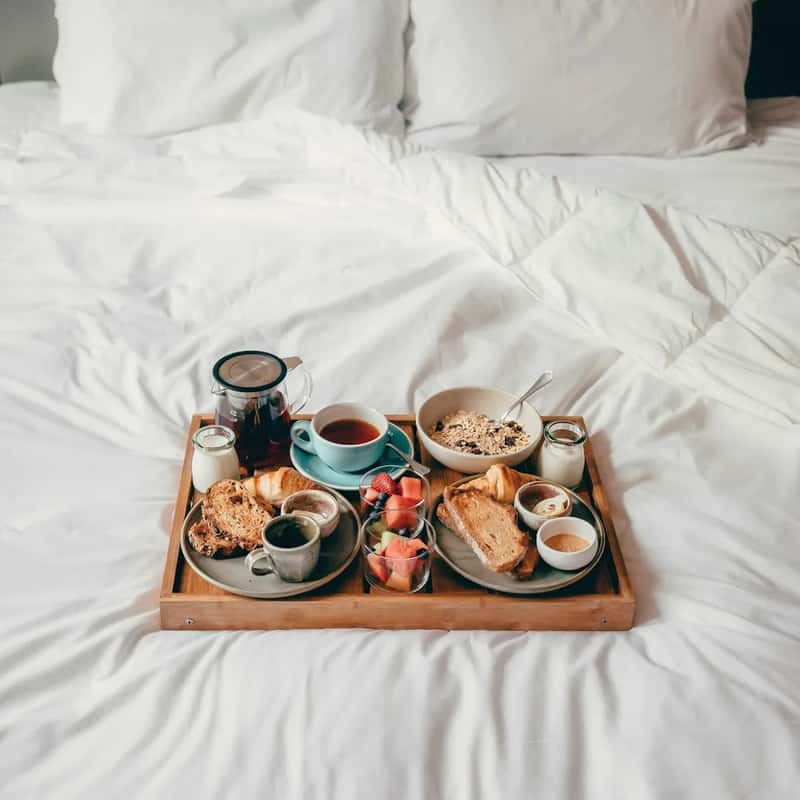
Food left sitting for multiple days is one of the fastest ways to get on a housekeeper’s radar. Room service and late-night takeout are part of the hotel experience, and housekeepers genuinely don’t mind that guests order in, but what they do notice, and quietly resent, is food left to sit for days.[7] Given that the average housekeeper only has a narrow window per room, that kind of mess adds real strain to an already tight shift.
The math behind that pressure is worth understanding. The average hotel housekeeper is expected to clean between 12 and 20 rooms in an eight-hour shift, allowing only about 20 to 30 minutes per room, so food ground into carpet or trash scattered instead of binned eats directly into that already thin window.[7] Trays and containers left untouched for three days also raise the risk of pests, which is why many properties ask guests to leave trays in the hallway once they’re finished.
8. Whether a Tip or Thank-You Note Ever Shows Up

Tipping habits become clear fast, and housekeeping notices who bothers and who doesn’t. The American Hotel and Lodging Association recommends three to five dollars per night as a gratuity, yet housekeeping remains one of the least-tipped jobs in a hotel, with fewer than one-third of guests leaving anything at all.[3] By the third day, a guest’s tipping pattern, or the lack of one, has usually settled into a routine.
A short note can go a long way even without cash attached. Housekeepers absolutely notice when guests leave a small tip or quick thank-you note, and it doesn’t take much to stand out since housekeeping remembers who bothers.[6] It’s a small gesture, but staff consistently mention it as one of the details that sticks with them.