Most travelers prepare for Latin America by checking visa rules, vaccine advice and the weather. Far fewer read up on the everyday laws that can turn a good trip into a stressful one. A forgotten snack, a pocket vape or a late bus can be enough.
The rules below come from different countries and cover very different situations. Some are recent changes, and others have been on the books for years. A few depend on how officials apply them, so it’s worth checking official travel advice shortly before you fly.
Mexico’s Constitutional Ban on Vapes
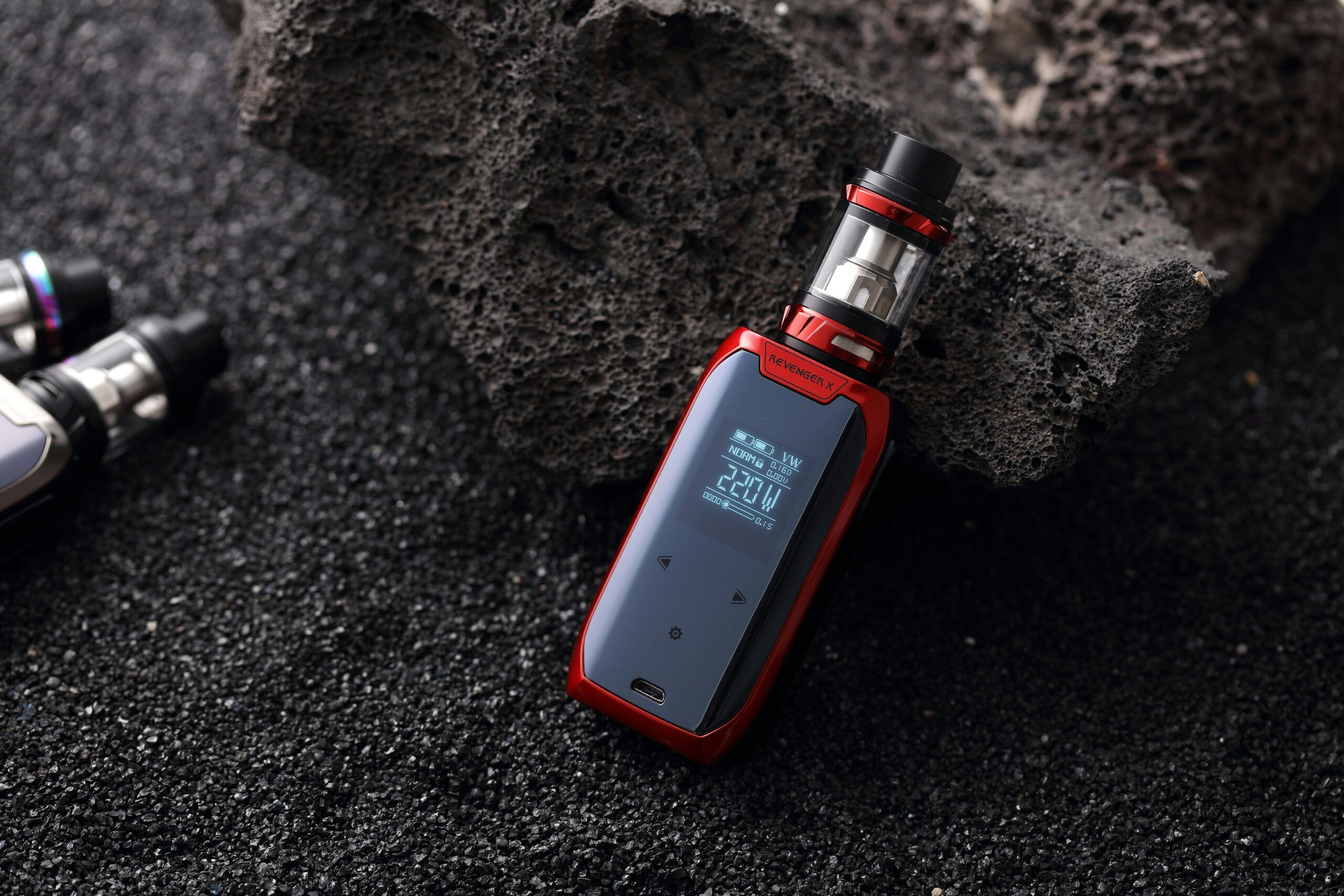
Mexico has moved well beyond a simple restriction on vaping. An amendment to Articles 4 and 5, published on 17 January 2025, wrote the prohibition into the constitution itself.[1] It is illegal for travelers to bring electronic cigarettes and all vaping solutions into Mexico.[2] The ban applies regardless of nicotine content, so a nicotine free disposable is just as prohibited as a nicotine salt pod system.[2]
Reports on penalties for tourists vary quite a bit. One outlet says visitors bringing vapes into the country could face a fine of £350 or even arrest.[3] Other coverage quotes much higher figures and prison terms, but the heaviest penalties of one to eight years in prison target selling, importing, distributing and commercial storage.[1] The law excludes personal consumption, yet that exclusion does not permit bringing a vape into Mexico.[4] The simplest approach is to leave the device at home.
Smoking and Vaping in Public Places in Mexico
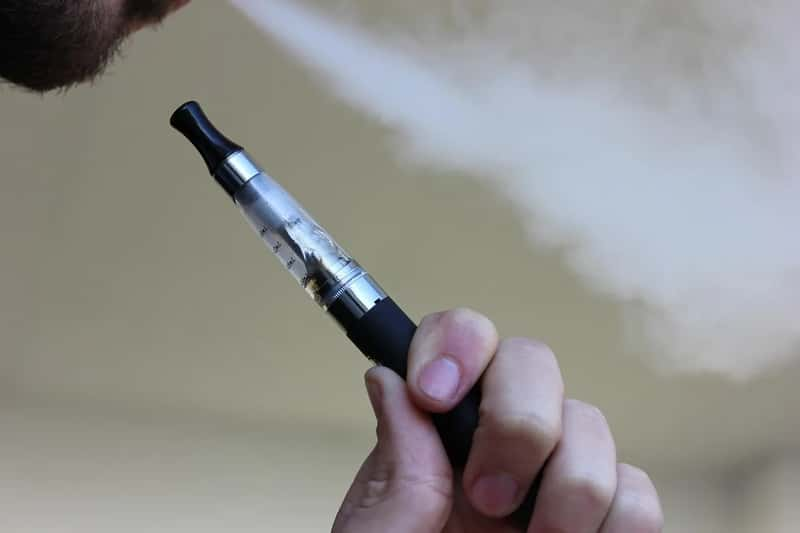
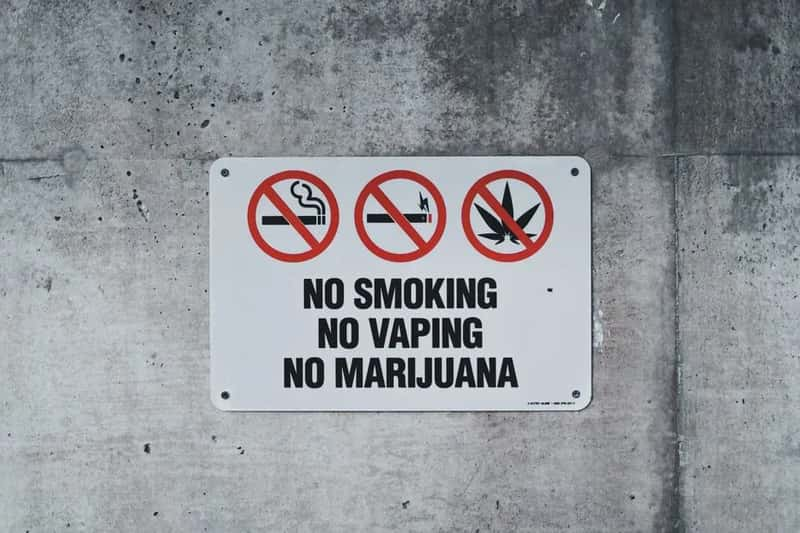
Even if you’re already in Mexico and carrying nothing unusual, the smoke free rules catch plenty of visitors. The country expanded a nationwide smoking ban in 2023, prohibiting smoking on beaches and in most public places, including parks, hotels and public transportation.[5] That surprises people who picture a beach holiday with a cigar and a cocktail.
The rule isn’t limited to cigarettes. The public smoking ban covers all tobacco and nicotine products, with hookah, cigars, pipes and vapes falling under the same framework.[2] The UK Foreign Office warns that smoking or vaping in a public place can bring a fine of up to 3,000 Mexican pesos, about £150.[3] Look for designated smoking areas before you light up.
Chile’s Strict Rules on Food and Plant Products

Chile guards its farming sector closely, and the border is where travelers feel it. Everyone aged 18 or over entering Chile, Chilean or foreign, at any air, land or sea border has to file the SAG customs declaration.[6] Cheeses, cold cuts, honey, fruits, vegetables and dried fruit all belong on that form.[7] A forgotten apple from the flight is a classic way to get caught out.
The key distinction is between declaring and hiding. Declared items may be confiscated, but travelers aren’t fined for the declaration itself.[8] Concealment is a different story, and SAG documented a fine of 30 UTM against a traveler who hid eight blueberry plants in his pockets to bypass the X-ray line at Santiago’s airport.[8] Smaller omissions can still cost money, with one travel guide putting the starting fine at roughly 200 US dollars.
Timed Entry and Strict Windows at Machu Picchu

Turning up at Machu Picchu and wandering in isn’t an option anymore. As of 2026, the site operates with three circuits, hourly entry windows from 6:00 to 15:00, and a strict 30 minute grace period.[9] Entry is tied to the slot printed on your ticket, and after the grace period you can be refused unless you show force majeure.[9] Build in a generous buffer for the bus ride up from Aguas Calientes.
Several other rules catch people off guard. No re-entry is allowed once you leave the site, and each ticket is good for a single entry.[10] Items such as drones and tripods are not allowed.[11] The guide requirement has been changing, and sources disagree on it. One current guide says independent entry is the practice on standard circuits, while guides remain obligatory on the Inca Trail.[9] Confirm the latest position when you book.
The Galápagos Fee and Transit Control Card

Ecuador treats the Galápagos Islands as a protected area first and a tourist destination second. Foreign adults pay a national park entry fee, which rose to 200 US dollars in August 2024. Visitors also buy a Transit Control Card, a smaller charge that is checked before you board a flight to the islands.
Biosecurity checks are part of the process. Luggage is inspected for organic material such as fruit, seeds and soil, because invasive species are among the biggest threats to the islands’ wildlife. Once you’re there, most visitor sites require you to go with a licensed naturalist guide, and you’re expected to keep your distance from the animals. Fees and procedures change, so check with the Galápagos authorities or your tour operator before you pay.
The 30 Day Limit on Easter Island

Easter Island, known locally as Rapa Nui, is part of Chile, yet it has its own entry rules. Since 2018, tourists have been limited to a stay of 30 days. That’s much shorter than the 90 days many nationalities get on the Chilean mainland.
The limit came with tighter paperwork. Visitors are generally asked to show where they’ll be staying and to hold onward travel out of the island. Overstaying isn’t something to gamble on, because the island has limited housing and a small population that wants to manage visitor numbers. Anyone planning a long stay should check the current procedure with the Chilean authorities well before departure.
Uruguay’s Cannabis Law Doesn’t Cover Tourists
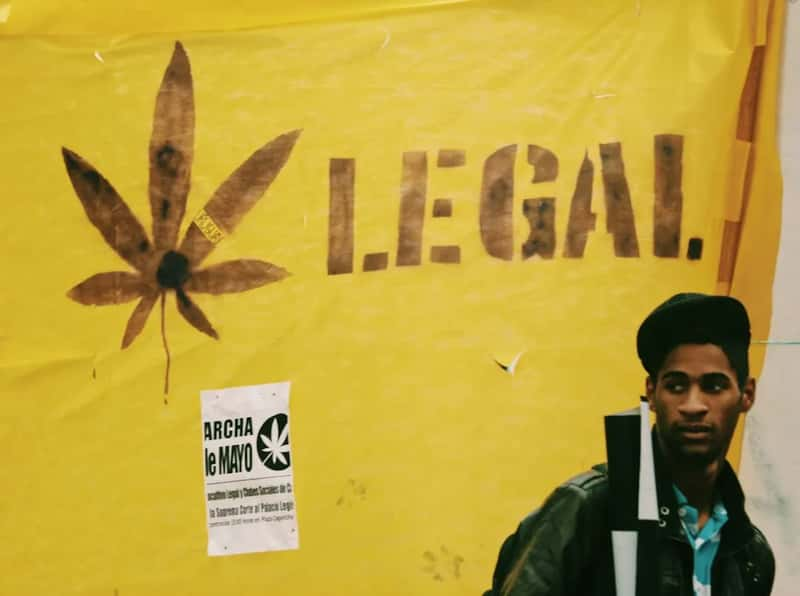
Uruguay made headlines in 2013 as the first country to legalize the cannabis market nationwide. Many travelers assume that means they can walk into a shop and buy. In practice, legal access is built around registered citizens and permanent residents, who can grow at home, join clubs or buy from participating pharmacies.
Visitors aren’t part of that system. That leaves tourists in a gray area where buying on the street is still illegal, and the pharmacy route is closed to them. Laws about drugs also differ sharply from one neighboring country to the next, so carrying anything across a border is a bad idea. Treat the legal market as something for residents, not for passing visitors.
Coca Leaf Is Legal in the Andes but Not Abroad

In Bolivia and Peru, coca leaf has a long traditional role. Coca tea is offered at hotels in places like Cusco and La Paz to help with altitude, and Bolivia’s constitution recognizes the leaf as part of its cultural heritage. Drinking the tea or chewing the leaf in those countries is accepted locally.
The complication starts when you try to take it home. Many countries, including the United States, treat coca leaf as a controlled substance, and tea bags can be flagged at customs. Using coca products can also lead to a positive result on a drug test, so frequent travelers who face testing at work should think twice. Enjoy the tea locally and leave the souvenirs behind.
Dry Laws During Elections in Colombia and Beyond

Colombia holds elections in 2026, including legislative voting in March and a presidential race that runs into the middle of the year. Around each vote, authorities enforce the ley seca, or dry law, which limits the sale of alcohol. The restriction typically starts the evening before voting and runs into the following morning.
Bars may close or stop serving, and shops can’t sell alcohol, which catches visitors off guard when they’ve planned a weekend out. Similar election related alcohol rules exist in other Latin American countries, including Mexico, Peru and Chile. Check the electoral calendar for your destination, and ask your hotel what applies, since some venues handle it differently.