Europe’s most photographed plazas and canals get all the attention, but plenty of towns across the continent have quietly stayed out of the spotlight. These are places where the crowds thin out, the pace slows down, and a stroll through the old quarter doesn’t mean dodging tour groups every few steps. Some sit tucked behind mountain ridges, others hide along coastlines that never made it onto the big travel lists, and a few are simply too small or too far off the highway to attract much notice.
What follows is a rundown of nine towns that have largely resisted the pull of mass tourism, at least for now. Each one offers something distinct, whether that’s Baroque architecture reflected in still water, cave dwellings carved into rock, or a fishing harbor that still smells like the catch of the day.
1. Perast, Montenegro
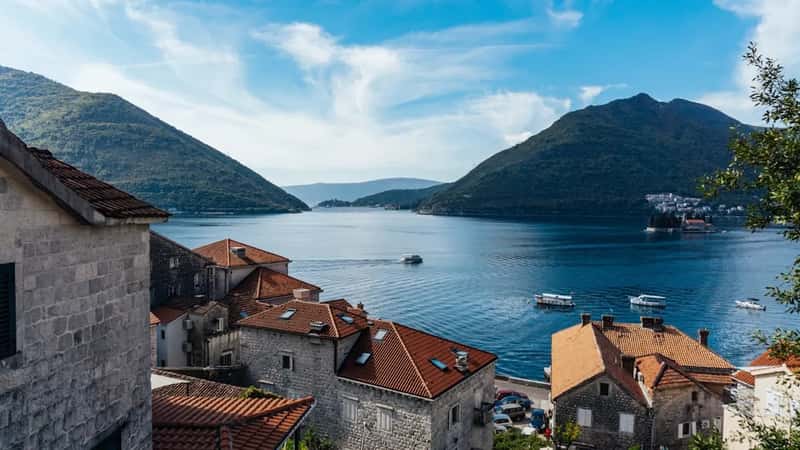
Perast sits along the Bay of Kotor, just a short drive from its far more famous neighbor. It feels like a Mediterranean postcard that somehow stayed off the radar, packed with Baroque churches, old palaces, and calm waterfront paths with barely any crowds.[1] The town is tiny by design, and that’s part of the appeal.
It only has one main street, so visitors can explore it all on foot.[1] There’s no need to rush anything here. A short boat ride out to the twin islets in the bay, followed by a slow coffee overlooking the water, pretty much sums up a day in Perast, and that’s exactly the point.
2. Brisighella, Italy
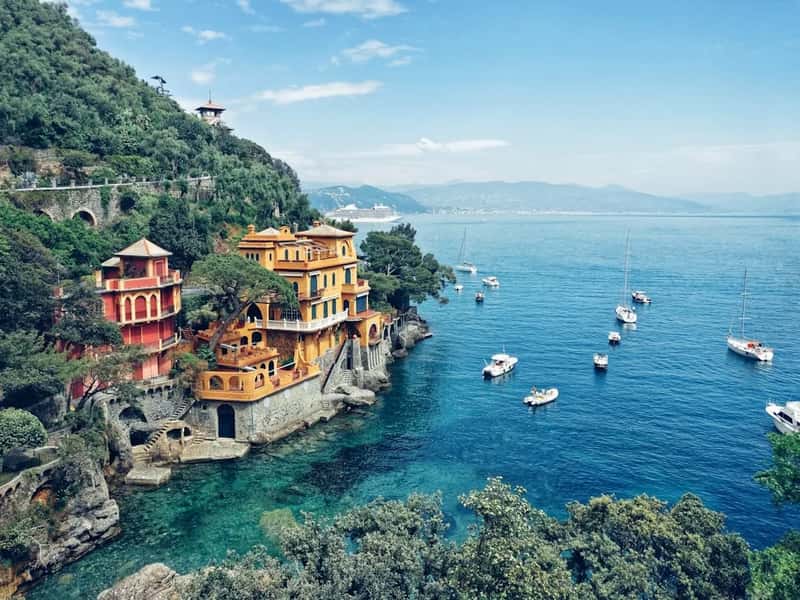
Most travelers heading to Italy think of Tuscany or the Amalfi Coast, which leaves towns like Brisighella refreshingly quiet. It’s a medieval village tucked between three green hills, each crowned with a landmark.[1] The layout alone makes it feel like a place time forgot in the best way.
It’s small, colorful, and easy to explore on foot, with streets that wind past painted houses, wine shops, and old churches, hardly a tour group in sight.[1] Emilia-Romagna’s wine country surrounds it, so a visit here often turns into an afternoon of tasting local Sangiovese without another foreign accent in earshot.
3. Setenil de las Bodegas, Spain
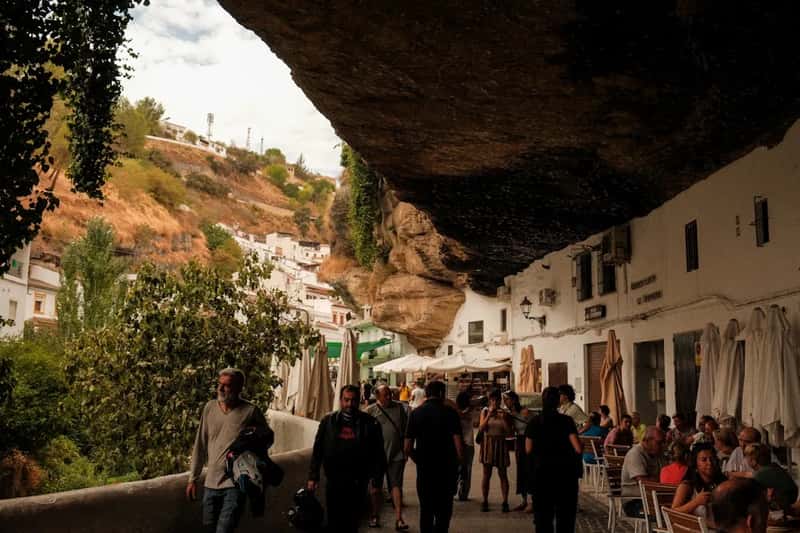
Andalusia gets millions of visitors every year, yet Setenil de las Bodegas somehow slipped through the cracks. Homes and bars here are built directly into an overhanging rock face, giving the whole town an almost surreal, cave-dwelling character. There aren’t big attractions or crowds, just friendly locals and an atmosphere that feels untouched, making it a surprising and affordable stop for anyone exploring the region.[1]
Unlike nearby Ronda, which draws steady bus tours, Setenil rarely sees more than a trickle of day-trippers. The white-walled streets stay quiet enough that you can hear conversations drifting out of open kitchen windows. It’s the kind of place where a single afternoon feels unhurried in a way that’s increasingly rare in southern Spain.
4. Chłopy, Poland
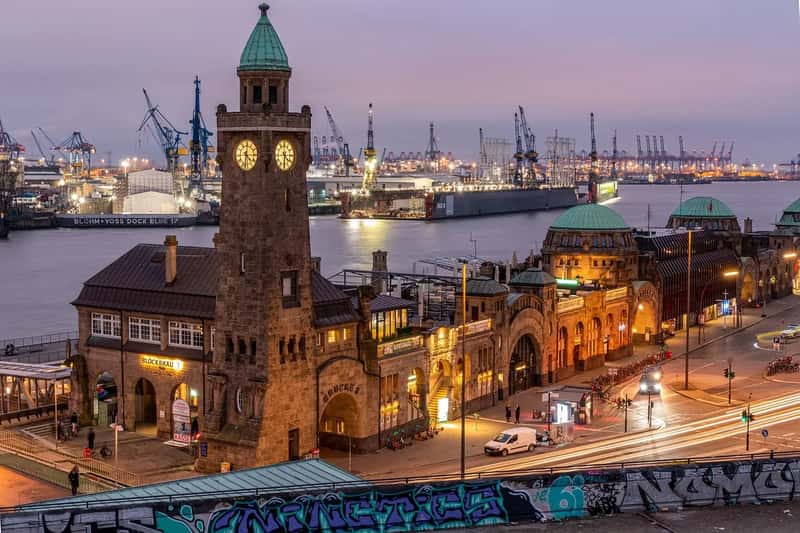
The Polish coastline has plenty of built-up resort towns, but Chłopy has managed to avoid that fate entirely. It’s one of the last villages on the Polish coast where no unsightly apartment buildings have been built, and it owes its preserved layout to being listed as a historic site, with remnants of traditional farmsteads still visible.[2]
The heart of the village is the small fishing harbor with a slipway, a short pier, and a row of utility buildings, including a fish shop and a fry house serving fish straight from the boat.[2] There’s no boardwalk lined with souvenir stalls, no crowds jostling for beach space. Just a working harbor and a village that has stayed close to what it always was.
5. Venzone, Italy
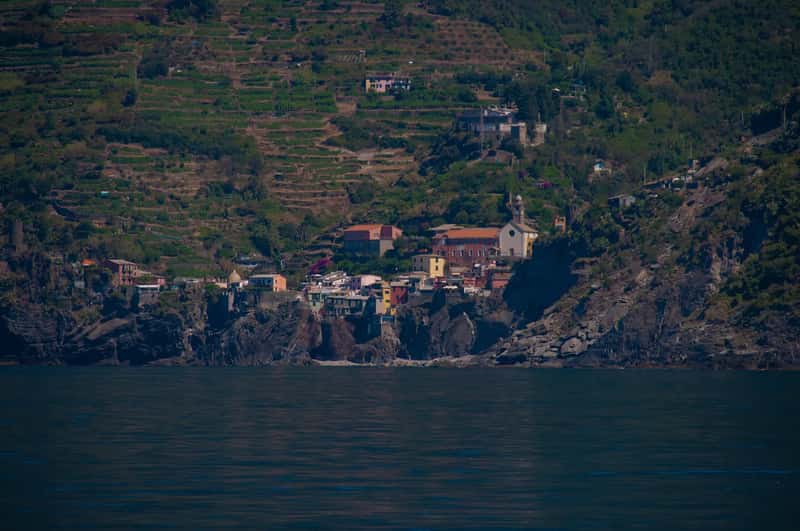
Tucked in Friuli-Venezia Giulia near the Slovenian border, Venzone is easy to overlook, which is precisely why it still feels genuine. Passing through its well-preserved walls reveals undeniable medieval charm, though the town was painstakingly rebuilt after two devastating earthquakes in 1976.[2]
Residents restored it stone by stone, faithfully recreating its historic character.[2] That history gives the place a quiet resilience you can feel while walking its narrow lanes. Few foreign tourists make the detour this far northeast, so the town’s daily rhythm remains largely local.
6. Gjirokastër, Albania
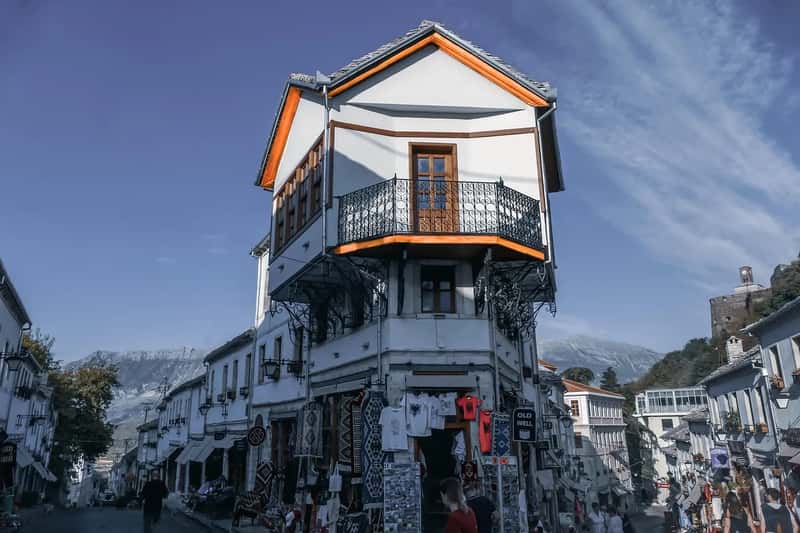
Albania as a whole still receives far fewer visitors than its Mediterranean neighbors, and Gjirokastër is a good example of what that means on the ground. Sometimes called the City of Stone, this hidden Balkan town offers a rare glimpse into a past that still pulses through its steep cobbled streets and slate-roofed homes.[3]
An Ottoman-era fortress looms over the old town, and the stone houses stacked along the hillside have barely changed in generations. Local guesthouses outnumber hotel chains here, and dinner usually means a family-run tavern rather than anything resembling a tourist menu. It’s one of the more complete time capsules left in southeastern Europe.
7. Vaison-la-Romaine, France
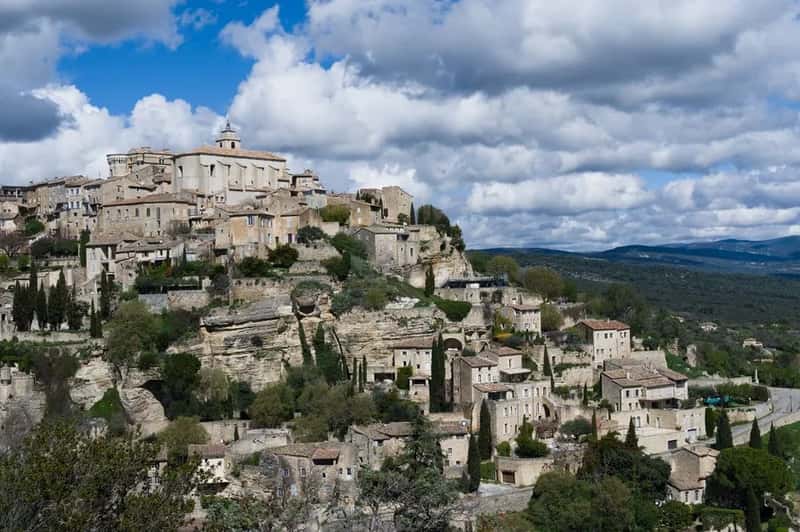
Provence draws huge numbers of visitors every summer, mostly to lavender fields and hilltop villages further south. Vaison-la-Romaine, an out of the way hidden gem in northern Provence, has managed to stay off that beaten path.[4]
Its location likely accounts for the fact that it isn’t overrun with tourists, and the ancient town, made almost entirely of stone and dotted with cypress trees, still carries an unmistakably Roman past.[4] Ruins from the Roman era sit right alongside a medieval upper town, connected by a Roman bridge that’s still in daily use. It’s the kind of layered history that usually comes with crowds, except here it doesn’t.
8. Jajce, Bosnia and Herzegovina
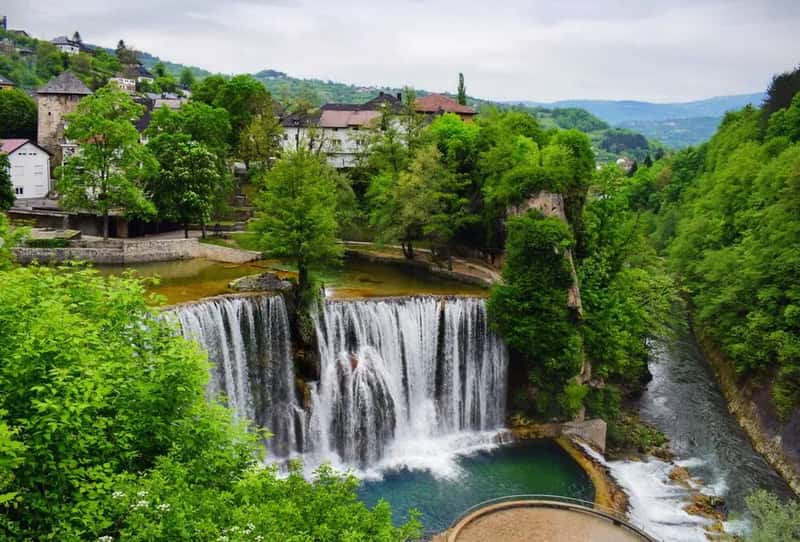
Bosnia and Herzegovina remains one of Europe’s least visited countries overall, and Jajce sits well outside the country’s small tourist circuit. A waterfall sits right in the town center, breathtaking enough that it would anchor a much busier destination anywhere else.[5]
The old fortress above town dates back centuries and offers views over the river gorge with almost nobody else around. Cafes along the main street serve strong coffee to locals rather than tour groups. For travelers willing to make the drive from Sarajevo or Mostar, Jajce delivers scenery without the queues.
9. Porto Covo, Portugal
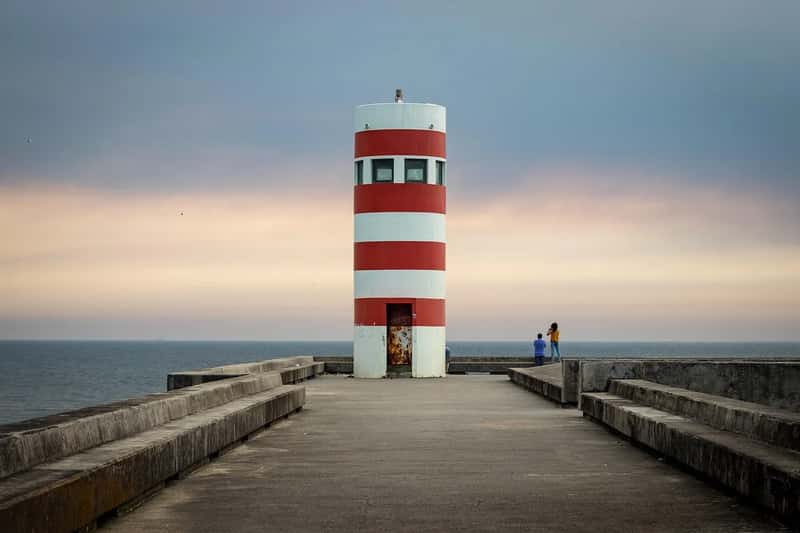
The Algarve gets the lion’s share of Portugal’s beach tourism, but Porto Covo, further north along the Atlantic coast, has stayed comparatively unknown. It’s a super laid-back beach town where all the houses are painted white and the city center is car free.[6]
Small hidden beaches surround the town, and because it sits a little off the beaten path, it hasn’t been overrun by tourists yet.[6] Fishing boats still come in with the day’s catch, and the pace of life outside peak summer weekends barely registers as touristy at all. It’s a coastal town that has kept its character mostly by staying out of the guidebooks.
None of these nine towns are secret in the sense of being unknown, but they’ve all avoided the kind of visitor numbers that reshape a place. Whether it’s Baltic fishing villages, Balkan fortress towns, or quiet corners of Provence, what connects them is a shared resistance to overtourism, sometimes by geography, sometimes by sheer luck. For travelers looking for something quieter than the usual European itinerary, these towns are worth the extra effort to reach.