


Sour, funky, fizzy, pungent. Fermented foods split dinner tables, yet they’ve been part of human diets for thousands of years. Pickling, culturing and aging are some of the oldest ways to keep food from spoiling, and plenty of kitchens still rely on them every day.
The trouble with ranking countries is that the data are patchy. Most national figures come from small surveys, market reports or compilations of secondary sources, and they define fermented food in different ways. So the list below leans on the best available evidence, flags where it’s thin, and treats the word “skip” as relative. No country skips fermentation altogether.
South Korea

Kimchi appears at nearly every Korean meal. One review puts the average daily intake at about 27.6 grams per person[1], and annual per capita consumption reached roughly 40 kilograms in 2017[1]. There are about 200 variations, which differ by main ingredient, region and season.[1]
The habit is shifting, though. A joint study found the share of South Koreans who ate no kimchi within 24 hours nearly doubled, from about 12 percent in 2010 to about 23 percent in 2024.[2] The drop was sharpest among adults aged 20 to 39, whose side dish consumption fell from about 82 to 66 percent, while younger eaters turned to kimchi in cooked dishes.[2] Per person estimates vary a lot from source to source, so treat any single figure with care.
Japan
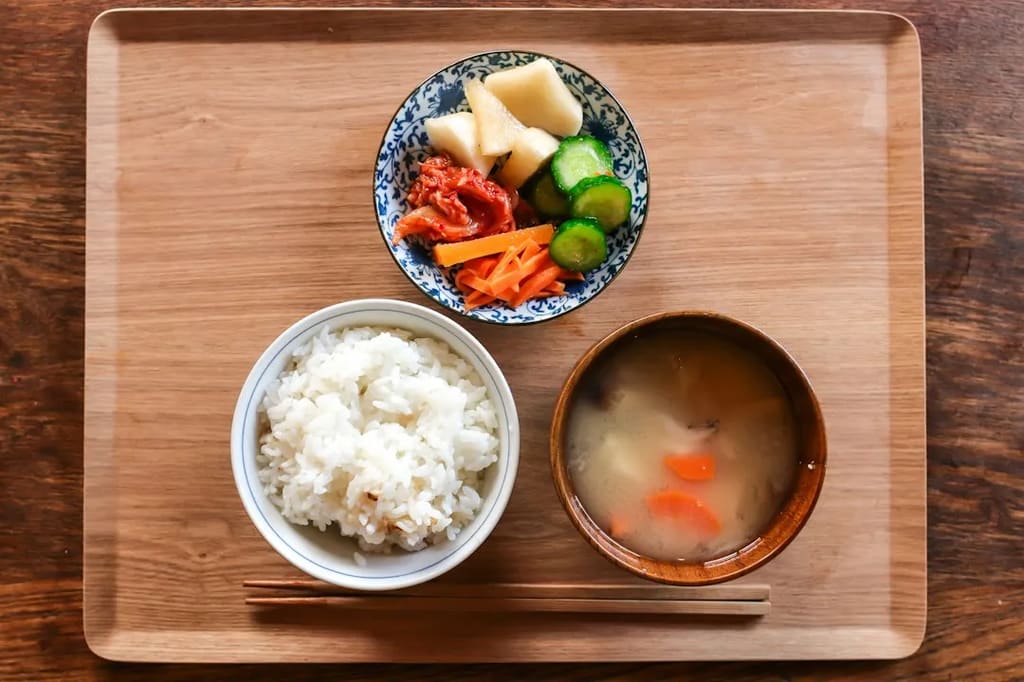
A Japanese study of 242 adults aged 31 to 81 offers one of the more careful looks at what people actually eat. Of 1,396 unique foods in the dietary records, 101 were entirely fermented and 104 were partially fermented.[3] Mean intake came to 438 grams a day per person, about 17 percent of the total weight of food.[3]
That number is high partly because the researchers counted everyday items you might not think of first. Most of it came from beer, coffee, bread and yogurt.[3] Traditional staples still matter too, since natto and miso are part of breakfast in Japan[4].
Indonesia

Tempeh is the best known Indonesian ferment, a firm cake of soybeans bound together by mold. It sits alongside tape, a sweet fermented starch, and oncom, another mold fermented staple. One compilation estimates Indonesia’s intake at about 175 grams per day, supported by tempeh, tape and oncom.[5]
That figure comes from a secondary data roundup rather than a primary national survey, so it works better as a rough indicator than a precise measurement. Even so, the place of these foods in Indonesian cooking is not in doubt. Tempeh in particular has become a popular plant protein well beyond Southeast Asia.
Ethiopia
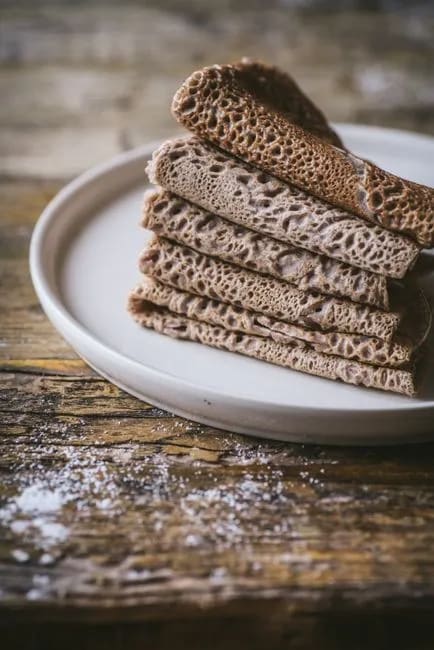
Injera is the centerpiece here. It’s a spongy, slightly sour flatbread made from fermented batter, traditionally with teff, and it doubles as plate and utensil at the table. Ethiopia is often named alongside South Korea in rankings, with injera cited as a traditional staple.[5]
Injera is only one thread in a larger story. One reference guide notes that Africa has more than fifty indigenous fermented foods, many unstudied scientifically.[6] That gap in research is a reason to be cautious with any tidy ranking of African nations.
Finland
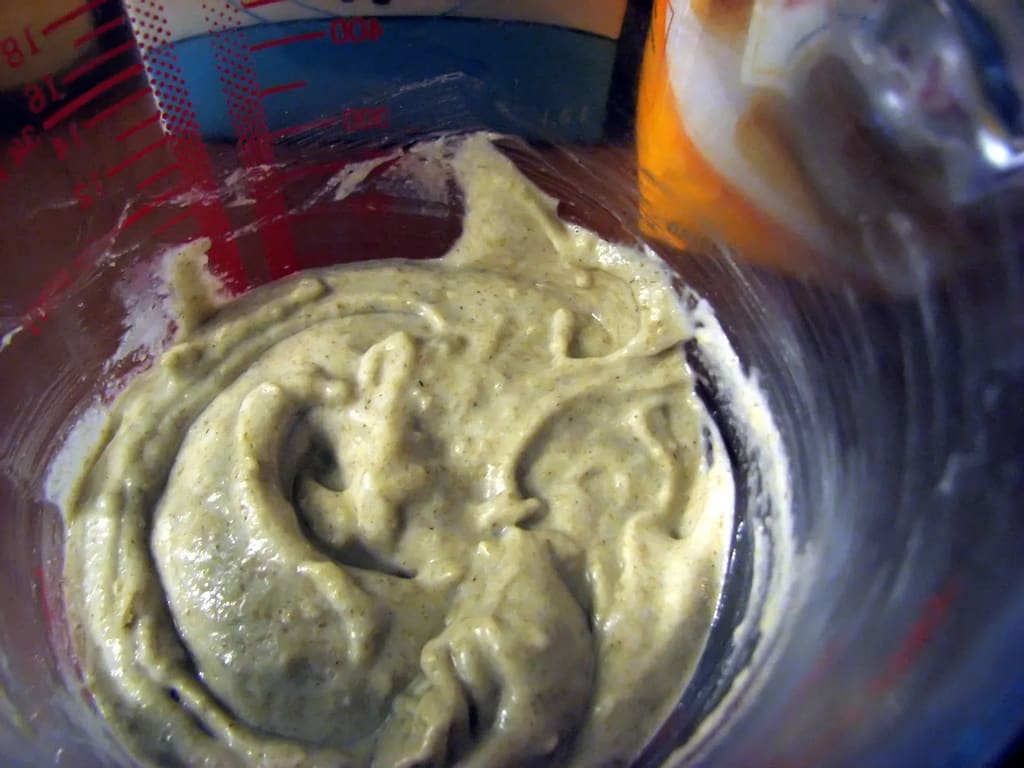
Dairy ferments are the big story in northern Europe, and Finland stands out. In a series of studies on commercially produced fermented milk products, Finland had the highest level, with about nine in ten participants reporting they consumed sour milk.[7] That makes it a useful example of fermentation as a quiet, everyday habit rather than an adventurous one.
Sour milk and yogurt style drinks are easy to overlook because they look so ordinary in a fridge. Still, they count. Finland’s numbers show that a country can be devoted to fermented food without a single jar of pickled cabbage on the table.
Sweden
Sweden shares the northern European preference for cultured milk. Dairy fermented beverages are widely consumed in Denmark, Sweden and Finland.[7] Soured milks like filmjölk are a familiar breakfast item there.
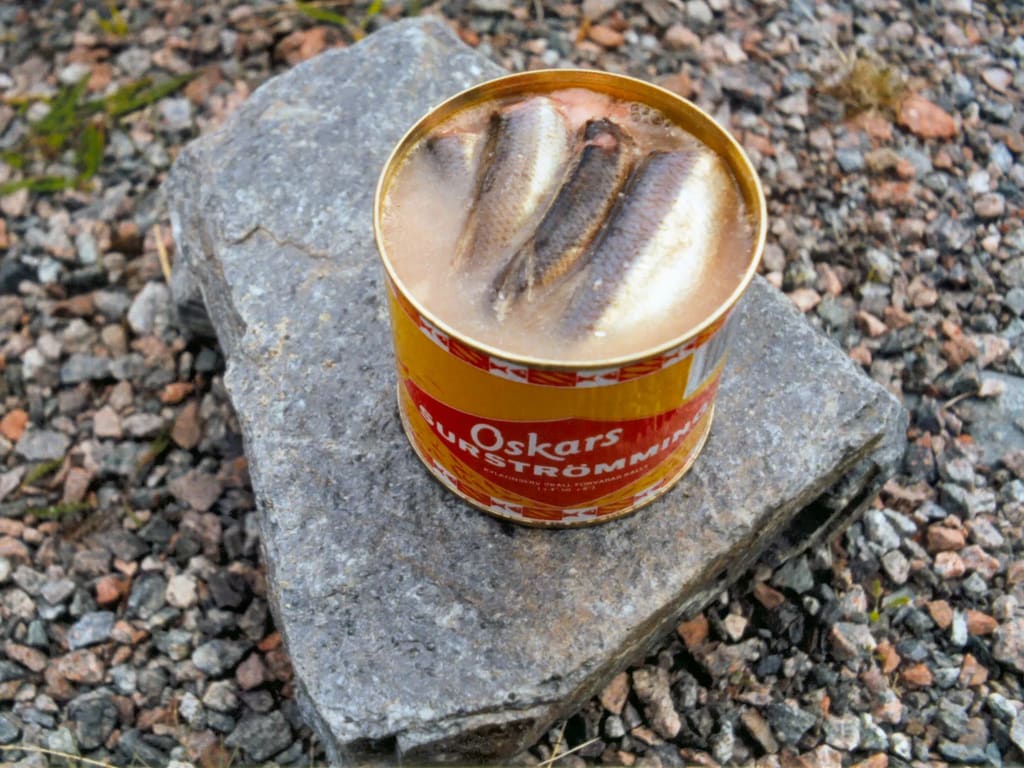
Then there’s surströmming, fermented Baltic herring, which has a worldwide reputation for its smell. It’s a regional specialty rather than an everyday food for most Swedes, and it tends to be eaten around summer gatherings. The mild sour milk and the notorious fish show how wide the fermented spectrum can run inside one country.
Denmark
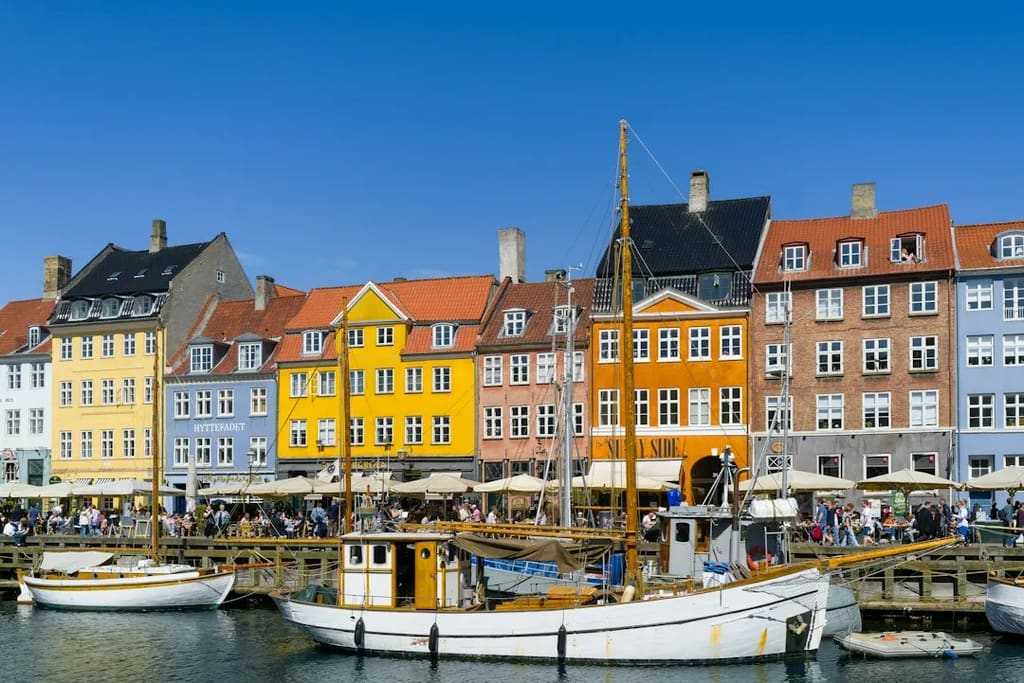
Denmark rounds out the Nordic trio of cultured dairy fans. The same review that named Sweden and Finland also placed Denmark among the countries where these drinks are widely consumed. They’re less consumed in countries such as France, Germany, Spain and the UK.[7]
It’s worth keeping that contrast in perspective. A 2026 survey of 12,646 adults across 53 European countries found that between about 94 and 96 percent of people eat fermented dairy.[8] So almost everyone in Europe eats some fermented dairy, and the Nordic difference is mostly about drinking cultured milk as a routine habit.
Turkey
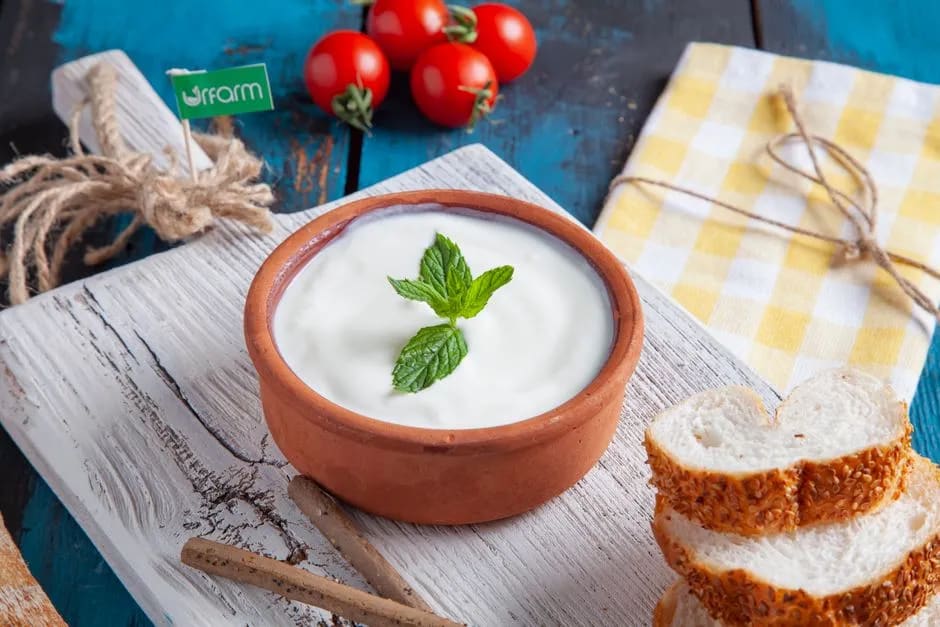
Turkey’s table is built around yogurt, from the salty drink ayran to the spoonable kind served with nearly everything. There’s also boza, a thick fermented grain drink with a long history in the region. A recent compilation lists Turkey among the countries with a long relationship with fermented milk products and preserved foods.[5]
That compilation is a secondary source, so I wouldn’t lean on its exact grams. The cultural picture is easier to defend than the ranking. Fermented dairy is simply part of how people in Turkey eat across the day.
Bulgaria
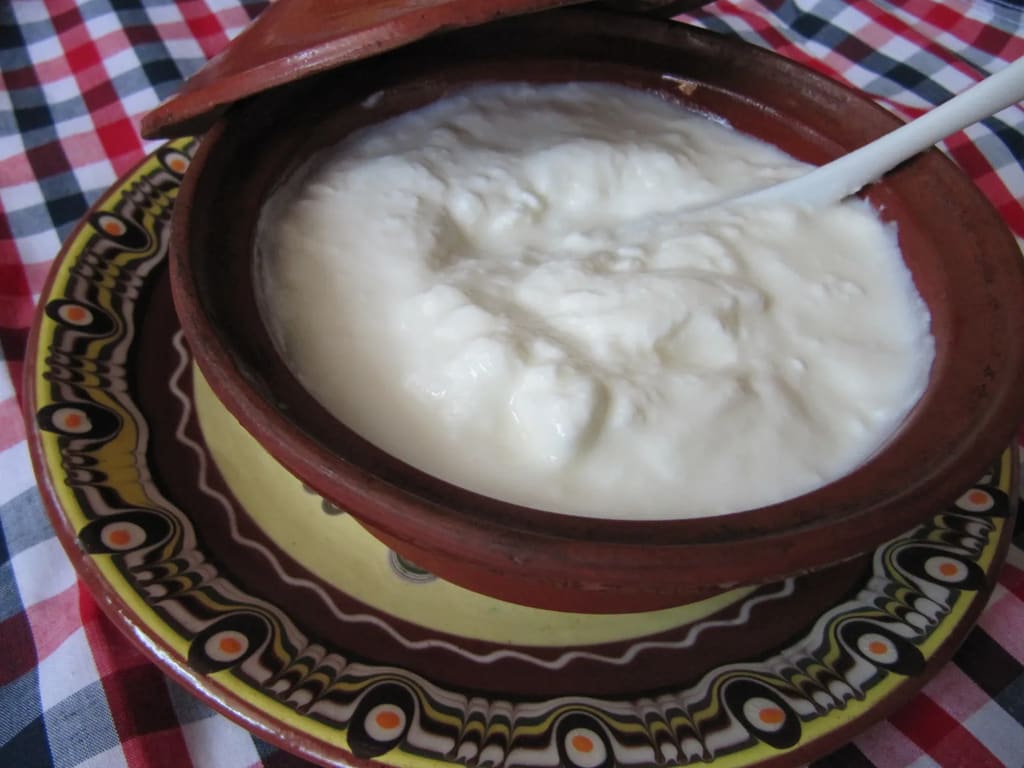
Bulgaria has a special claim to fermented dairy. A bacterium used in yogurt making still carries the country’s name, and the scientist Elie Metchnikoff linked fermented milk to long life in the early twentieth century. Metchnikoff first attributed good health and longevity to the consumption of fermented milk in 1910.[9]
Bulgaria also appears prominently, alongside Turkey, Russia, Ukraine, Georgia and Armenia, in a ranking that reflects the region’s tradition of fermented milk.[5] Yogurt, along with the pickled vegetables common in the Balkans, makes Bulgaria an easy pick for this half of the list.
United States

Now to the other side of the ledger, where the evidence is softer and the label deserves care. A clinical trial description from ZOE says most people in the Western world consume low amounts of fermented food with live cultures, with about 70 percent reporting never or rarely eating them.[10] That’s a claim about the Western world broadly, not a US specific survey.
Americans do eat fermented foods, mostly in familiar forms. In a study of English speaking countries, cheese, yoghurt, kefir and kombucha made the biggest contributions, while fermented vegetables and meats contributed less.[11] So kimchi and sauerkraut remain niche.
United Kingdom

The UK appears in the European review as a place where fermented milk drinks are less consumed[7] than in Nordic countries. Cheese, bread and beer are obviously common, so this isn’t a country without fermentation. It simply doesn’t lean on cultured drinks and pickled vegetables the way others do.
Newer fermentation technology meets some caution as well. Research by the Food Standards Agency found only about 17 to 35 percent of people were open to regularly eating precision fermented dairy or eggs.[12] Precision fermentation is a different thing from kimchi or yogurt, but it suggests consumers want familiarity first.
Canada

Canada was one of six countries included in a recent effort to measure fermented food intake. The study covered adults from the United States, Canada, the United Kingdom, Ireland, Australia and New Zealand.[13] Researchers built the tool because nothing validated existed to track habitual intake.
Their definition matters for how we read the results. They counted only ferments that provide live microorganisms, which excluded bread, alcoholic products, coffee and cocoa.[13] Under that stricter lens, a Canadian diet leans on cheese and yogurt, and the pickled or cultured vegetable side dishes common elsewhere don’t show up as often.
Related Stories From Travelbinger



Australia

Australia sits in the same English speaking study group, so its picture looks much like Canada’s. The authors noted that the lack of validated tools to assess habitual intake has made it hard to understand the link between fermented foods and health.[13] In plain terms, precise national numbers are scarce.
Even the measuring method changes the answer. Median total intake was about 85 grams a day on the questionnaire, but about 55 grams a day when averaging 24 hour dietary recalls.[13] That gap is a reminder that “skipping” fermented food is a fuzzy idea, and that Australia’s place in this half of the list rests on limited data.
Ireland

Ireland was also part of that six country validation study, and its adults are described through the same lens. Cheeses, yoghurt, kefir and kombucha lead, with fermented vegetables and meats adding less.[11] That fits the broader pattern of a diet where cultured dairy is routine and pickled or brined foods are occasional.
The wider European survey offers context. Among consumers, fermented vegetables and legumes made up only about 4.4 to 8.4 grams a day and 4.5 to 9 milliliters a week.[8] Those figures cover Europe as a whole rather than Ireland, so they hint at a trend, not a verdict.
France
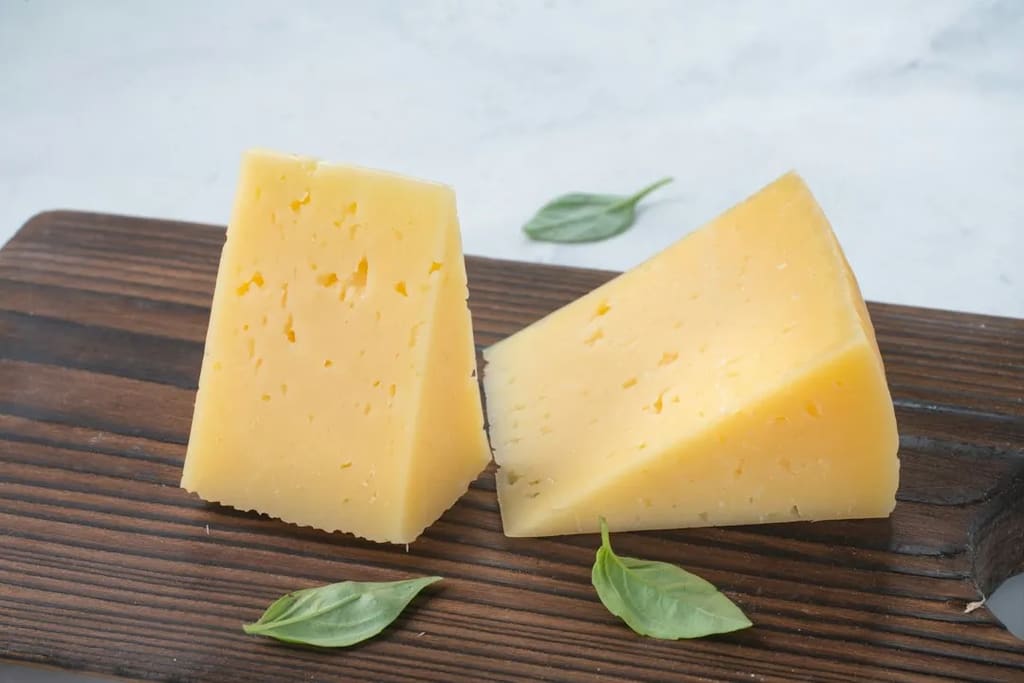
France is an awkward fit, and that’s why it belongs here only in a narrow sense. Cheese, bread and wine are fermented, and few cuisines treat them with more devotion. Still, fermented milk drinks are less consumed in France than in northern European countries[7].
Vegetable ferments are also a smaller part of the French table than in Korea or Eastern Europe, even if sauerkraut and cornichons have their fans. The European survey found that fermented non-alcoholic beverages, plant based alternatives, cocoa drinks and fermented tea had the lowest prevalence.[14] Take the placement as a statement about specific ferments, not a judgment on French food.
Spain

Spain falls under Southern Europe in the PIMENTO survey, which gathered 2,569 participants from that region[15]. The study doesn’t give Spain its own verdict in the sources I could check, so this entry rests on regional patterns. The earlier review lists Spain among countries where fermented milk drinks are less consumed.[7]
Spanish cuisine certainly includes ferments such as cured meats, cheese and wine. What’s thinner is everyday intake of fermented vegetables, which the survey found to be small among consumers across Europe. High consumer prevalence did not necessarily translate into substantial consumption[15], so how many people eat a food and how much they eat can tell different stories.