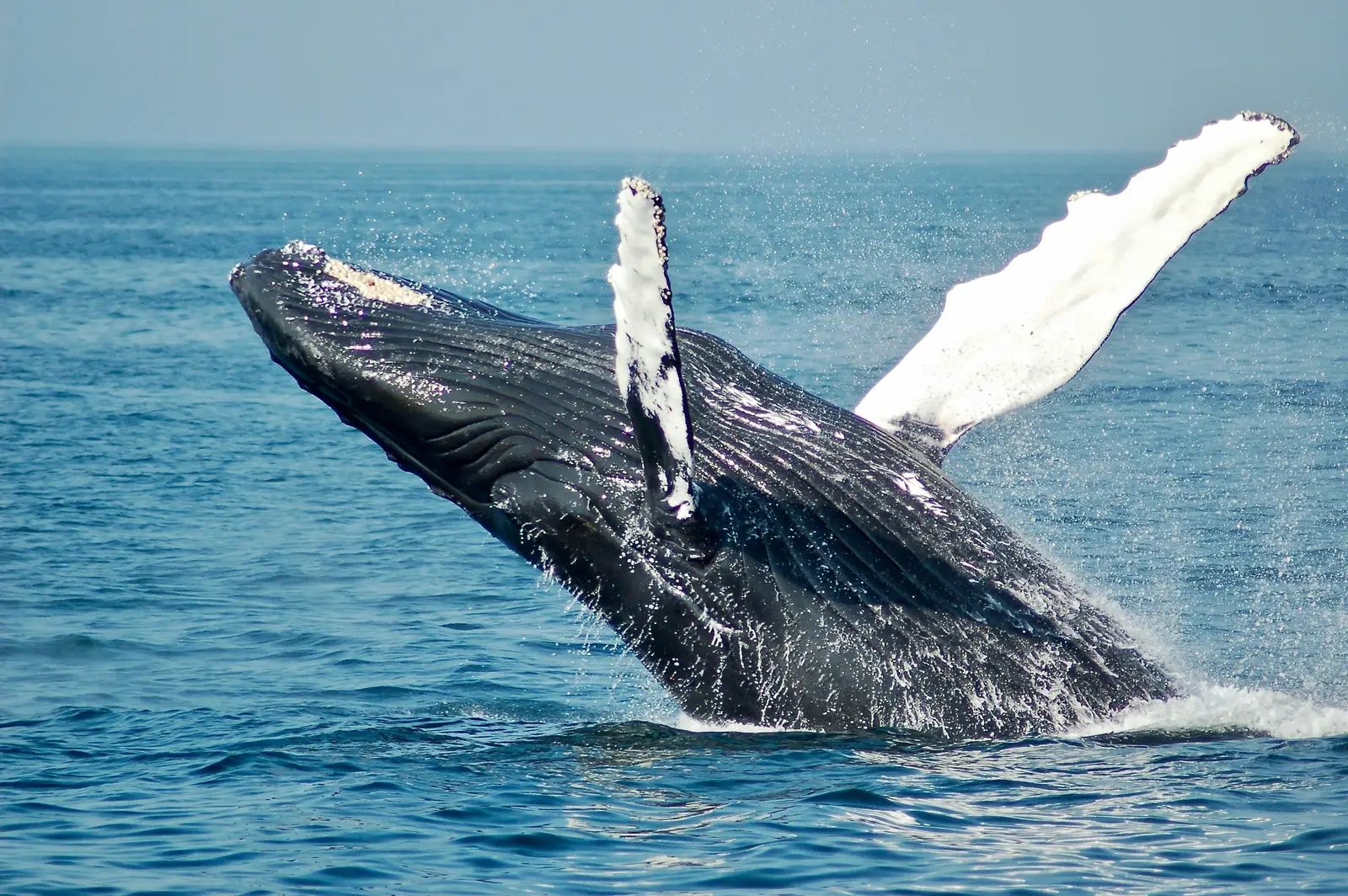
Researchers tracking northern Atlantic right whales in the Gulf of St. Lawrence have used artificial intelligence to reveal a behavior that heightens the animals’ exposure to ship strikes. The whales spend more time feeding near the surface after dark, precisely where large vessels operate. Details of the work appear in a recent PLOS One study summarized at ([1]).
Tracking Devices and Artificial Intelligence Analysis
Scientists attached multi-sensor tags to the whales. Each device recorded acceleration, depth, position, and video footage during the animals’ movements. The resulting data streams were then processed by machine-learning programs trained to recognize feeding activity. This approach allowed the team to classify behaviors that would have been difficult to identify from raw sensor readings alone. The method proved especially useful for distinguishing surface-oriented feeding from deeper dives. By combining video confirmation with accelerometer patterns, researchers could map when and where the whales were actively foraging. The combination of hardware and software provided a clearer picture than traditional observation techniques.
Distinct Day and Night Feeding Patterns
During daylight hours the whales typically fed at greater depths. At night they shifted their efforts closer to the surface, where prey concentrations apparently remained accessible. Across the tracked periods, roughly one-quarter of all feeding time occurred outside designated vessel exclusion zones intended to reduce collision risk. These surface-oriented bouts at night create extended windows of vulnerability. Because the whales remain in the upper water column for longer stretches after sunset, they overlap more frequently with commercial shipping traffic that continues around the clock.
Collision Risks and Visual Detection Limits
Jay Kirkham of Dalhousie University noted that more time near the surface directly translates into greater collision exposure. Ship-strike avoidance currently depends on visual sightings by vessel crews, a strategy that loses effectiveness once light fades. The study therefore highlights a mismatch between existing protection measures and the whales’ actual 24-hour behavior. The findings suggest that nighttime mitigation strategies may need refinement. Exclusion zones and speed restrictions calibrated for daytime conditions may leave gaps after dark. Continued monitoring with similar sensor and AI techniques could help refine those protections as the population remains critically low.