Most travelers treat the gate counter like a wall, a place where the rules are printed, final, and non negotiable. In practice, the people standing behind that counter often have more room to maneuver than the fare rules suggest, especially once a supervisor gets involved.
That flexibility rarely gets announced over the intercom. It shows up quietly, one traveler at a time, when someone asks the right question at the right moment.
1. Same-day standby for an earlier flight

Standby has a reputation as a backup plan for stranded travelers, but it works just as well as a proactive move. On several major carriers, same-day standby is free for passengers wishing to take an earlier flight on the same day as their original booking, with no fee and availability for all passengers with a valid ticket[1]. That means a bored traveler sitting at the gate three hours early can often ask to hop on an earlier departure without paying anything extra.
The catch is usually timing rather than eligibility. Southwest requires you to select your desired flight and list for standby at least 60 minutes ahead of departure for domestic flights.[2] Confirmed changes, where the airline guarantees a seat instead of just adding a name to a list, typically cost more unless status intervenes, since there is a $75 fee for non-elite passengers on same-day confirmed changes, though the fee is waived for elite status passengers[1].
2. Reseating separated families
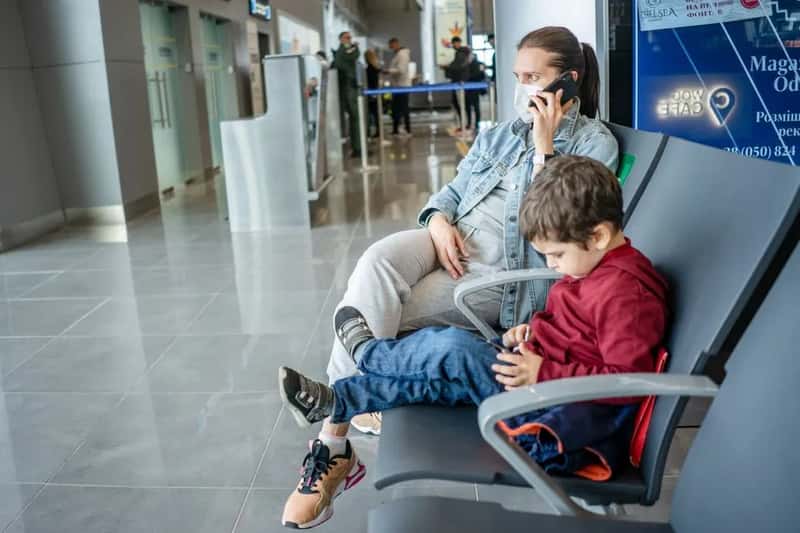
Basic Economy fares and algorithmic seat maps have made it common for families to land on a flight scattered across different rows. Regulators have taken notice of this problem in recent years. The DOT issued guidance in 2024 urging airlines to seat children under 13 next to a parent at no charge[3], and that pressure has carried into how gate staff handle the issue today.
Even where a formal guarantee does not exist, agents still tend to fix this manually when asked. The Department of Transportation now publishes a dashboard showing which airlines guarantee fee-free family seating, but even on airlines without that guarantee, gate agents still have full discretion to reseat families manually when asked, which has always been possible even though airlines never advertised it.[2] Parents traveling with young children tend to have the strongest case, since most agents would rather solve the problem quietly than deal with an anxious child ten rows from a parent.
3. A free pass on an oversized carry-on
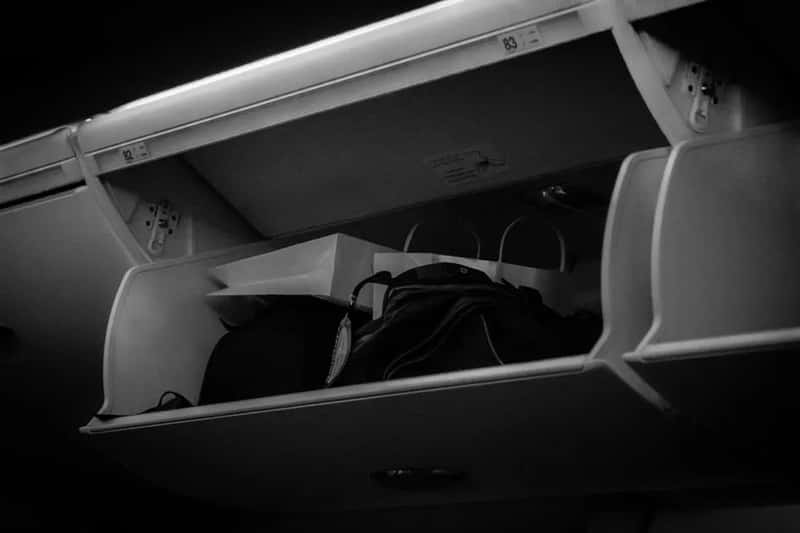
Overhead bin space fills up fast on a full flight, and travelers standing near the back often brace for a fee the moment their bag looks even slightly too big. That fee is not always as fixed as the airline’s website implies. Bag fees at the gate aren’t always as fixed as they look on the airline’s website, and experienced travelers know the desk has more discretion here than the check-in counter ever admits, especially when the overhead bins are already tight.[4]
Supervisors weigh this decision against the operational reality of the moment rather than a strict rulebook. Bag fees look fixed online, but at the gate they’re negotiable in ways most travelers never realize, and the desk has more discretion here than the check-in counter ever admits, especially when the overhead bins are already tight.[5] A polite, early request tends to work better than a last-minute scramble at the jet bridge.
4. Fee waivers tied to weather or oversold flights
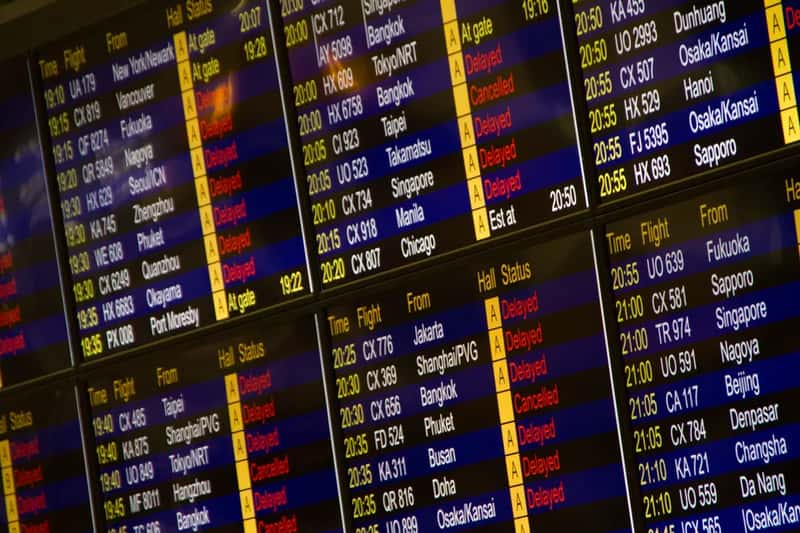
Change fees feel absolute until a storm system rolls through or a flight shows up oversold on the departure board. Both situations give agents a legitimate operational reason to bend the fine print. If a scheduled flight is delayed for any reason, the airline may waive its fees to allow a passenger to be confirmed or stand by for the earlier flight, and travelers can also ask for fee waivers by citing predicted bad weather even if the flight hasn’t been delayed yet, since sometimes the airline waives the fee if the flight is oversold or the passenger simply asks nicely.[6]
This kind of leeway expands considerably once operations turn irregular across an entire hub. Gate supervisors have far more rebooking latitude during irregular operations than on a normal day, and when flights are delayed, cancelled, or oversold, the gate agent becomes the primary point of resolution, often able to rebook onto a different route, connection city, or even a different day without the fees that would normally apply.[2] The advice from frequent flyers is consistent: approach the counter before the rebooking line forms, not after.
5. Seat changes for comfort or accessibility needs
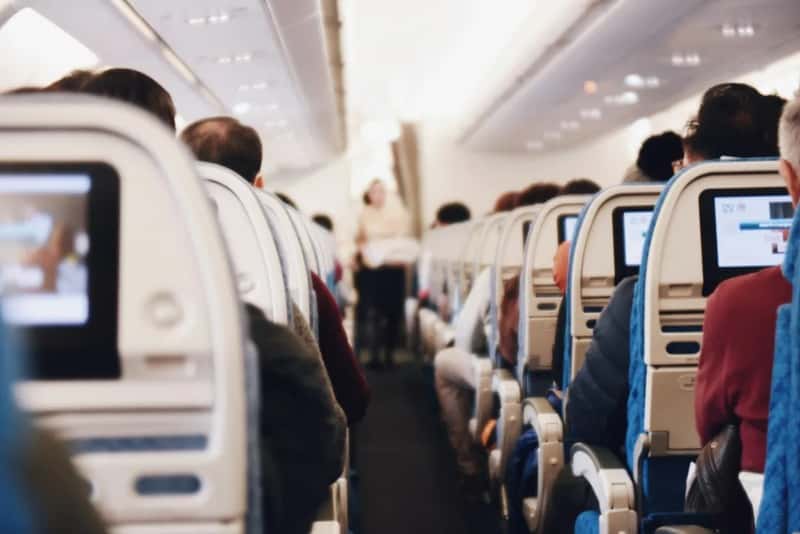
Seat maps are sold as fixed inventory, yet gate agents retain real authority to move people around once boarding actually starts. This authority exists for practical reasons that have nothing to do with upselling a better seat. Gate agents have discretion to adjust seating for operational reasons, such as accommodating families if possible, customers with special needs, or balancing aircraft weight.[5]
These adjustments happen far more often than most travelers realize, particularly when a plane is not full. Supervisors approve these swaps constantly during boarding, especially on flights that aren’t full.[5] A traveler dealing with a medical issue, a mobility limitation, or simply an uncomfortable middle seat next to a stranger has more standing to ask than the fare rules would suggest.
6. Early boarding for a travel companion
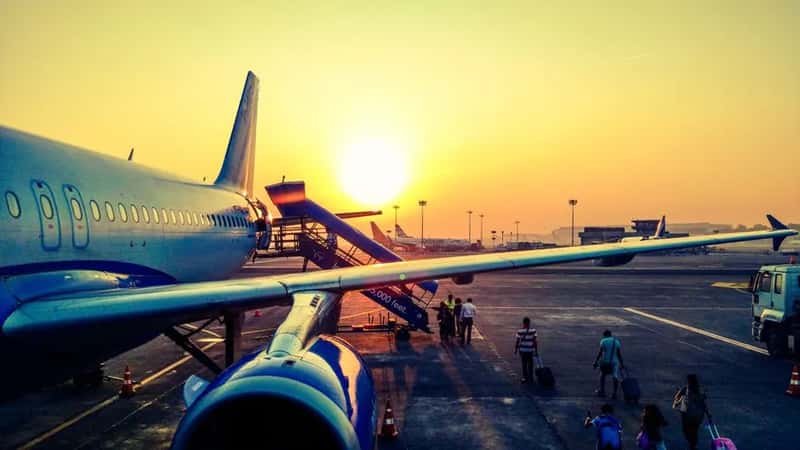
Early boarding privileges are usually tied to status, a paid upgrade, or a specific boarding group printed on the pass. What tends to go unmentioned is that agents can extend that privilege informally to whoever is traveling alongside the eligible passenger. An experienced, empathetic agent will often extend early boarding to one travel companion without requiring a separate justification, especially on flights that aren’t full.[4]
Most travelers never think to ask because they assume the perk is strictly personal and non-transferable. Couples and families skip this constantly because they assume the rule only covers one seat, and that assumption costs them a genuinely useful benefit on almost every flight.[4] It rarely gets offered out loud, so it helps to simply ask, plainly and politely, before the boarding groups are called.
7. Rebooking flexibility when operations break down
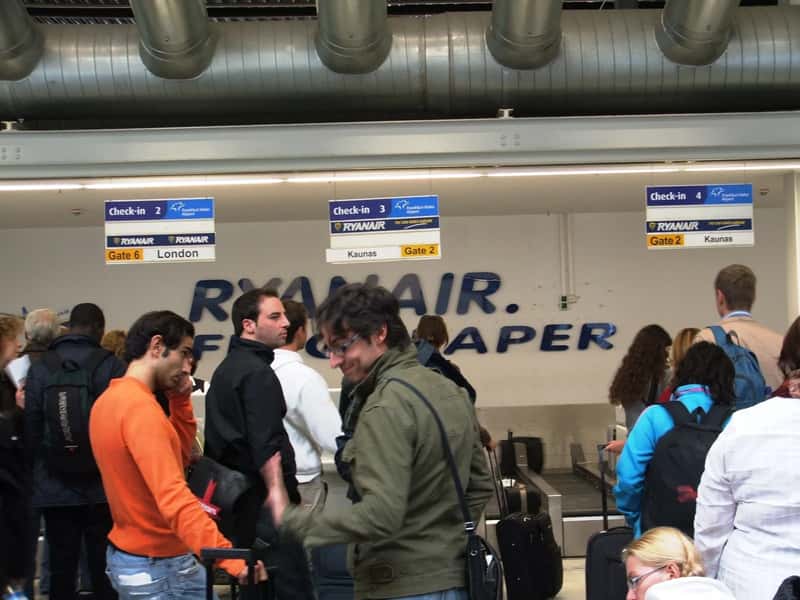
A single canceled flight can ripple across an entire route network, and that is precisely when gate supervisors gain the most latitude to fix a traveler’s itinerary. Under normal circumstances, cross-route or cross-day rebooking usually comes with fees and fare differences attached. During a weather event or a systemwide outage, those rules often loosen considerably, since standard change fees and fare differences typically apply on a normal day, while cross-route and cross-day rebooking is often waived entirely during a storm or system outage.[2]
The practical lesson from frequent flyers is less about entitlement and more about timing. Getting to the podium before the rebooking line forms and patience runs out on both sides of the counter tends to produce a better outcome than waiting until frustration has built on both ends. Supervisors who are handling a large-scale disruption still have to prioritize, and calm, early requests are simply easier to accommodate.
8. Basic Economy exceptions during genuine emergencies
Basic Economy fares are marketed as essentially locked, with no seat selection and no changes under normal conditions. That rigid framing softens somewhat when a traveler is dealing with a real emergency rather than a simple change of plans. Basic economy fares are marketed as completely locked, no seat selection, no changes, no exceptions, period, yet that framing bends during genuine emergencies.[2]
Supervisors still have to weigh these requests against inventory and fare rules filed by the carrier, since itinerary policies govern which changes are permitted on each fare class, what fees apply, and whether a ticket allows multiple modifications or only a single change before restrictions apply.[7] Even so, a documented emergency, a death in the family, a sudden medical situation, tends to open a door that a routine schedule conflict simply does not.