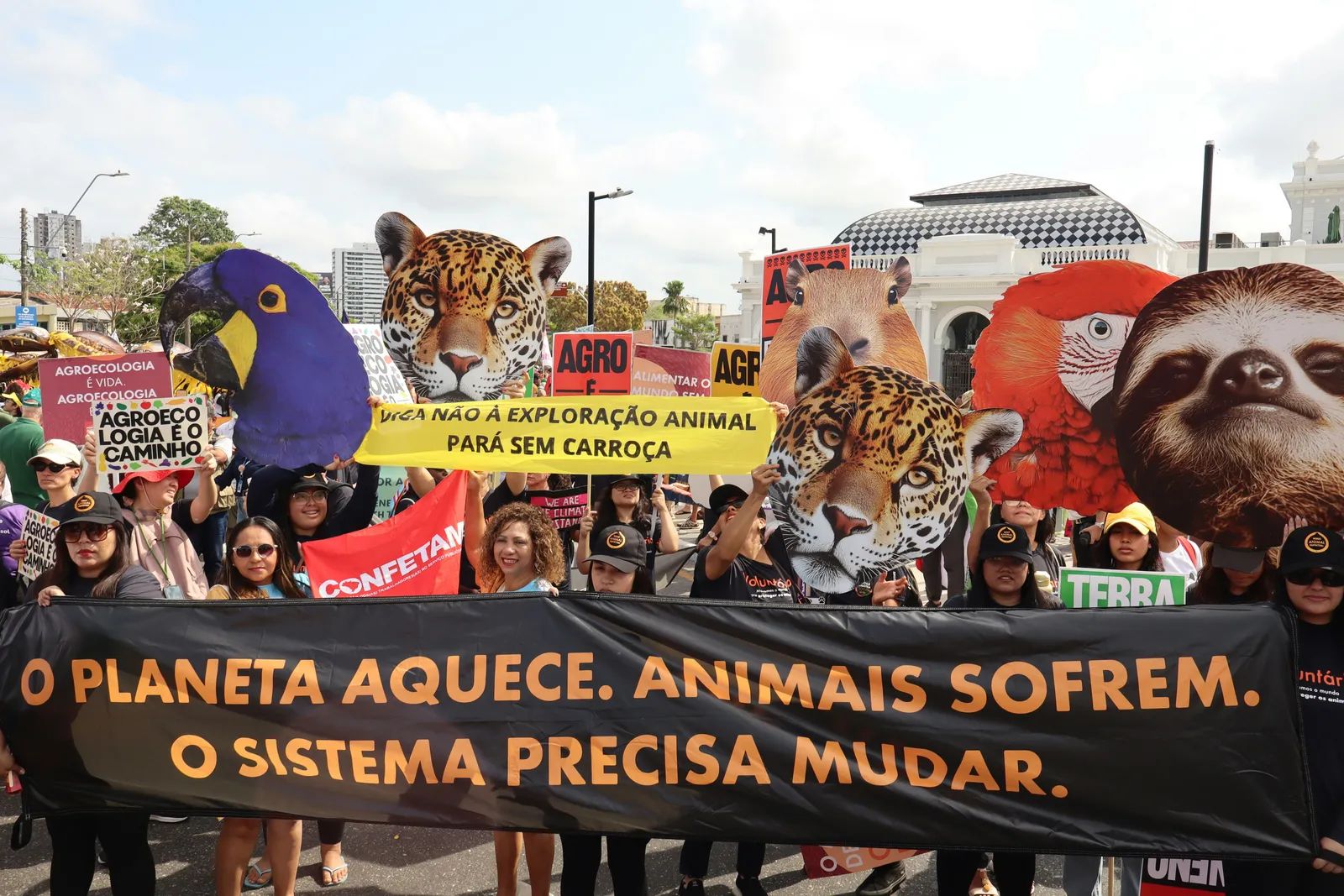
Brazil recorded its lowest rate of deforestation in the Amazon rainforest and the Cerrado savanna between August 2025 and July 2026. Satellite data from the National Institute for Space Research showed 3,335 square kilometers cleared in the Amazon, a nearly 42 percent drop from the prior year. The figures arrive as voters prepare for a runoff election that could shape environmental policy for years to come. ([1])
INPE Satellite Monitoring Confirms the Drop
The National Institute for Space Research has tracked forest loss across Brazil for decades using consistent satellite methods. Its latest annual report places the Amazon figure at the lowest level since monitoring began in 1988. Officials attribute the decline to stronger enforcement and policy shifts under President Luiz Inácio Lula da Silva.
Analysts note that the data cover the full annual cycle from August through July, aligning with the dry season when most clearing occurs. The same monitoring program produced comparable numbers for the Cerrado, Brazil’s vast tropical savanna that supports major agricultural output. Both biomes posted their lowest recorded losses since dedicated tracking started for each region.
Sharp Contrast With Earlier Peaks
Deforestation reached its recent high point in 2021 under former President Jair Bolsonaro, when more than 13,200 square kilometers were cleared in the Amazon alone. That total was nearly four times the 2025-2026 amount. Earlier estimates from the military dictatorship era, between 1978 and 1988, suggest average annual losses around 21,130 square kilometers, though year-by-year satellite records were not available then.
The current reduction therefore stands out against both recent and historical benchmarks. University of São Paulo climate scientist Carlos Nobre described the trend as very positive and likely the lowest Amazon deforestation since large-scale clearing intensified in the mid-1970s. The Cerrado also broke its own record low since monitoring began there in 2001.
Election Timing Adds Political Weight
Brazilians are heading to the polls for a runoff that will decide whether the current administration continues. Environmental performance has surfaced as a campaign issue, with the new INPE numbers providing concrete evidence of progress. Supporters of stricter protections point to the data as validation of recent enforcement measures.
Critics, however, caution that one year of improvement does not guarantee sustained results. Agricultural expansion, illegal mining, and infrastructure projects remain ongoing pressures in both the Amazon and the Cerrado. The election outcome could determine whether enforcement budgets and legal frameworks stay in place or face reversal.
What the Numbers Leave Unanswered
While the satellite figures mark a clear milestone, they do not capture every form of forest degradation or the long-term fate of already cleared areas. Regeneration rates, fire impacts, and carbon emissions tied to past losses require separate analysis. Experts continue to track whether the downward trend holds through the next monitoring cycle.
The data also highlight the value of consistent, transparent monitoring programs that allow direct year-to-year comparisons. Such records help policymakers and scientists separate short-term fluctuations from structural change. Continued vigilance will determine whether the current low becomes a lasting baseline or a temporary dip.