Chasing a university degree can feel like stepping into financial quicksand. Tuition bills pile up, student loans haunt you for decades, and somewhere along the way you start wondering if there’s a better path. Here’s the thing. There is. Some countries have cracked the code on affordable higher education, offering top universities with minimal costs. Others? Well, let’s just say they’ll make your wallet weep. If you’re weighing your options before hitting that enrollment button, you’re in the right place.
Germany: No Tuition Fees (Seriously)

Germany stands out as one of the few countries with no tuition fees for international students, whether you’re from the EU or beyond. Since 2014, most German states removed tuition fees for undergraduate students at public institutions. The catch? Students only pay small administrative fees of about €250 per semester, which often includes a discounted public transport pass. Honestly, that’s basically pocket change compared to what you’d shell out elsewhere. Germany remains largely tuition-free for everyone, except for one state where non-EU students pay about €1,500 per semester. Most programs at the master’s level are taught in English, making it accessible for international learners. On average, international students spend around €934 per month, covering rent, food, transport, and insurance. After graduation, you can stay in Germany for up to 18 months to search for a job that aligns with your qualification.
Norway: Free Education Across All Levels

Norway offers tuition-free education for all students, regardless of nationality, at public universities and university colleges. Norwegian state universities and university colleges as a rule do not charge tuition fees to all students including international students, and this applies to all levels, including undergraduate studies, Masters programmes and Ph.D. programmes. You read that right – zero tuition fees. There are no tuition fees, but a small semester fee (usually 300–600 NOK) is required, which translates to roughly a few hundred dollars per year. Let’s be real, though – living in Norway isn’t cheap. The cost of living in Norway is higher than in most other countries with free university education, and you’ll need between €1,200 and €1,600 per month to cover accommodation, food, travel, and insurance. You can work part-time for up to 20 hours per week during your studies and full-time during holidays. Many courses are taught in English, particularly at the graduate level, which is a lifesaver if you’re not fluent in Norwegian.
Finland: Free for EU Students, Affordable for Others
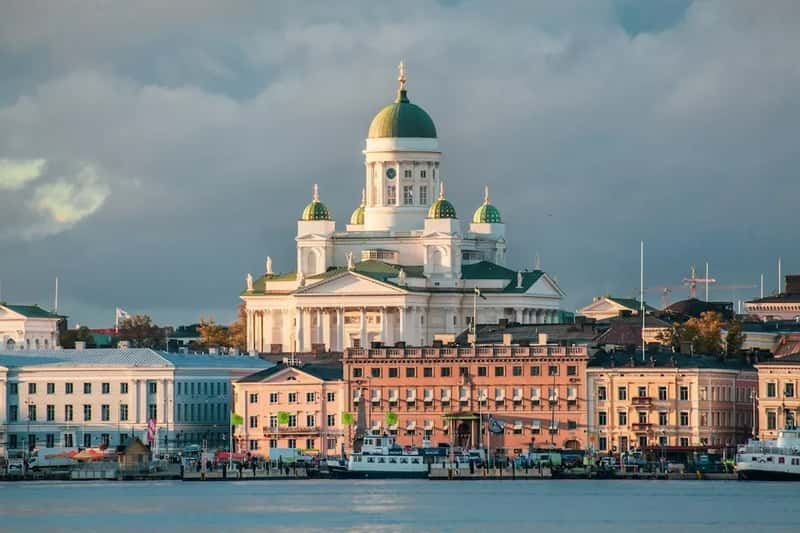
Finland’s education system gets a lot of buzz, and rightfully so. Finland is known for offering tuition-free study, but this only applies to EU/EEA and Swiss students, and since 2017, students from outside the EU/EEA must pay tuition fees for English-taught Bachelor’s and Master’s programmes at public universities. If you are a non-EU/EEA student, you can expect to pay between €4,000 and €18,000 per year, depending on the degree and university. The good news? Finnish universities are legally required to offer scholarship opportunities. Living costs hover around the European average, generally more affordable than Scandinavian neighbors like Norway or Sweden. Only Doctoral level studies will remain free of tuition fees, regardless of your nationality. I think Finland strikes a decent balance for non-EU students who can snag a scholarship – you get Nordic quality without the full Nordic price tag.
Austria: Low Fees, High Quality

Austria’s great quality of life and cultural richness are among the factors bringing international students to its universities, and being a tuition-free country for EU students and a rather affordable one for the rest of the student population, Austria places itself among the top cheap countries to study for international students. For non-EU students, federal/public universities in Austria only charge about 726.72 Euros per semester for tuition fees plus 20.20 Euros per semester for student union membership fee. That’s less than fifteen hundred euros a year – still a fraction of what you’d pay in the US or UK. In terms of living costs, monthly expenses start at €1,048, including rent, and students can spend less with smart budgeting habits. Students can work up to 20 hours per week during their studies without having to apply for a work permit. Vienna, Salzburg, Graz – these cities offer incredible cultural experiences, and you won’t need to take out a second mortgage to enjoy them.
Iceland: Hidden Gem With No Tuition

Public universities in Iceland charge no tuition fees for all students, regardless of nationality. The country specializes in geothermal energy, volcanology, and Arctic studies, with most programs taught in English. If you’re drawn to environmental sciences or renewable energy, Iceland is basically paradise (albeit a chilly one). Living Costs range from €1,000–€1,500/month due to high housing prices, so budget accordingly. Non-EU students can work up to 15 hours/week, which can help offset some expenses. The island’s dramatic landscapes, cutting-edge research facilities, and small class sizes make it appealing for students looking for something off the beaten path. It’s hard to say for sure, but Iceland might be one of the most underrated study destinations out there.
United States: Jaw-Dropping Tuition Fees
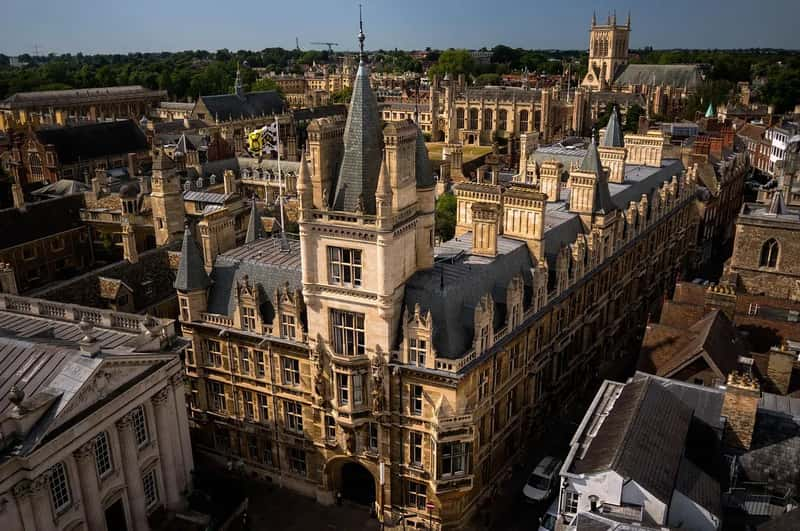
Let’s talk about the elephant in the room. The United States often tops the list when it comes to expensive higher education, and the cost of tuition can range broadly, from a few thousand dollars per annum for certain state schools to over $50,000 at some private institutions. The University of Chicago currently holds the title of the world’s most expensive university for the 2024–2025 academic year, with total annual costs (tuition, fees, room, and board) reaching $89,040. Tuition fees for international students at public universities in the US typically range from USD 25,000 to USD 50,000 annually, meanwhile private universities tend to have higher tuition fees, ranging from USD 30,000 to USD 60,000 per year. Living expenses vary wildly depending on location, with cities like New York and San Francisco among the priciest. U.S. master’s programs are the 2nd most expensive worldwide; public universities charged students $12,956 in 2022-23 tuition. Many students rely on scholarships, grants, or loans to survive financially, though the debt burden can be crushing.
United Kingdom: Expensive for International Students

At public universities in the UK, tuition fees for international students generally range from GBP 10,000 to GBP 20,000 per year, and in contrast, private universities often have higher fees, typically ranging from GBP 15,000 to GBP 35,000 annually. Annual tuition fees for international students studying a standard undergraduate three-year course in the UK start from around £11,750 (US $15,640) and can rise to nearly £45,000 (US $59,890). Domestic students pay far less – fees would rise to £9,535 from September 2025 for UK nationals. Cities like London are notoriously expensive for accommodation and daily living. Monthly living expenses in the US are a bit higher, ranging from USD 1,070 to USD 3,400, as in the UK, it may cost around GBP 814 to GBP 2,090 each month. Despite the cost, UK universities maintain strong academic reputations and shorter degree programs – most bachelor’s degrees last three years instead of four. There are scholarship options, but competition is fierce. The UK remains a popular choice, though the price tag can sting.
The world of higher education isn’t one-size-fits-all. Countries like Germany, Norway, Finland, Austria, and Iceland prove that quality education doesn’t have to bankrupt you. Meanwhile, the United States and United Kingdom continue to charge premium prices, banking on their brand prestige and global recognition. If you’re weighing your options, think beyond just the sticker price. Consider living costs, language barriers, work opportunities, and what kind of experience you’re after. What’s your top choice? Would you trade warm weather for free tuition, or does prestige matter more than price?