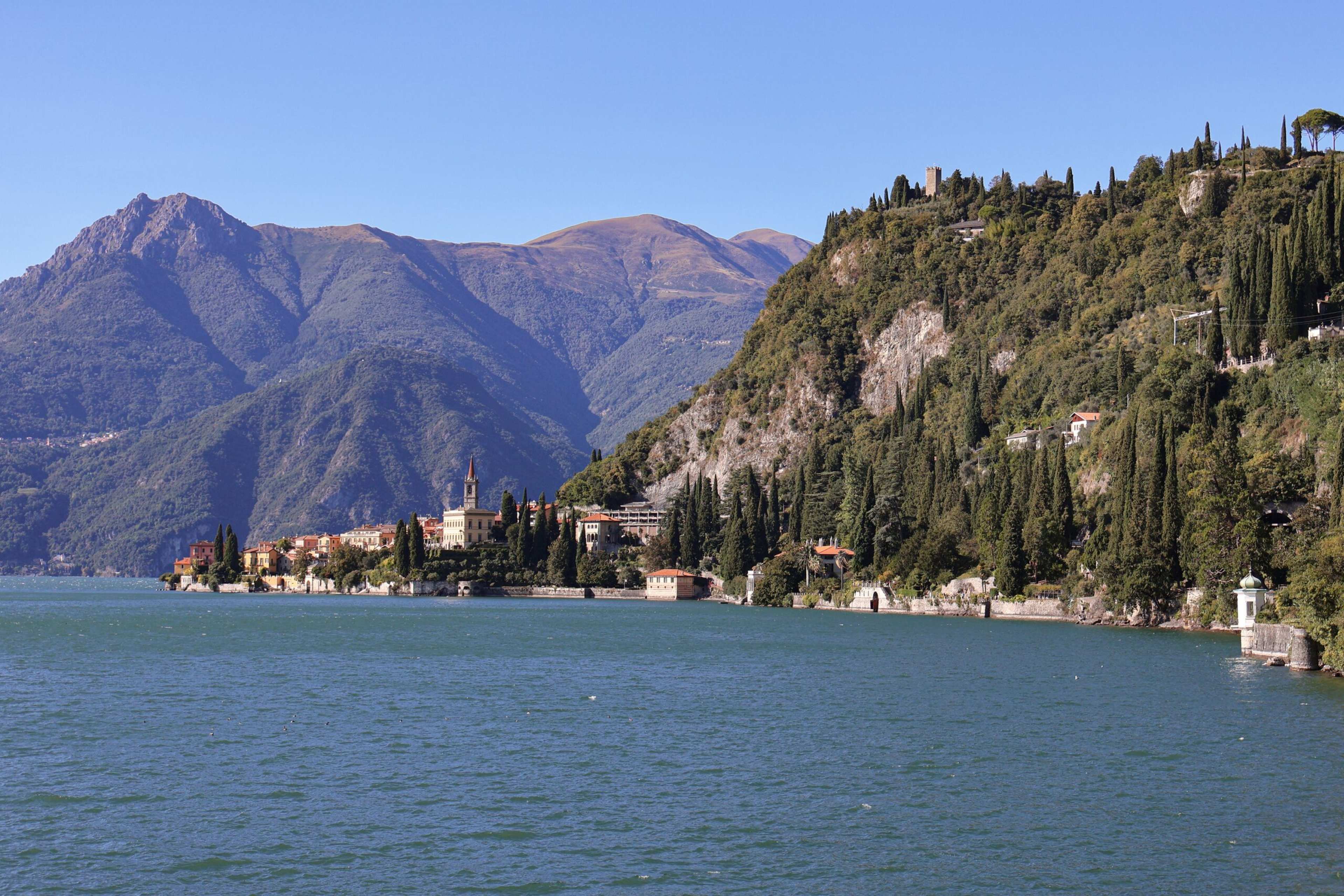
A lake on holiday tends to look gentler than the sea. The water is flat, the shoreline is pretty, and there’s usually a rental dock close by. That impression is part of the problem.
Whether drownings among travelers are truly climbing is harder to pin down than the headlines suggest. The better question is what keeps going wrong when visitors meet unfamiliar water, and the 2025 and 2026 records answer that fairly clearly.
What the Numbers Really Say
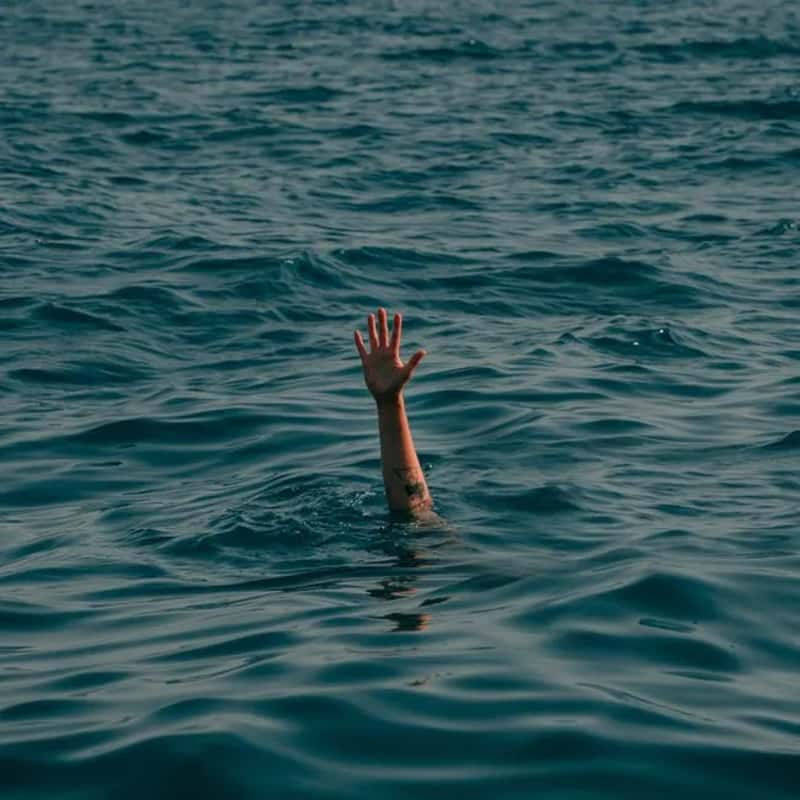
The World Health Organization’s first global drowning report found that the death rate from drowning fell by 38% between 2000 and 2021.[1] Even so, more than 30 people are estimated to drown every hour, and 300 000 people died by drowning in 2021 alone.[2] Progress is real, though it isn’t evenly shared.
No global dataset separates travelers from residents, so a clean worldwide rise among visitors can’t be proven. Locally the picture shifts from year to year. The Great Lakes had 38 drownings by mid July 2025, down more than a third from the same point in 2024.[3] What repeats is the circumstance: visitors, unfamiliar water, and conditions that look harmless.
Lake Michigan and Its Heavy Toll
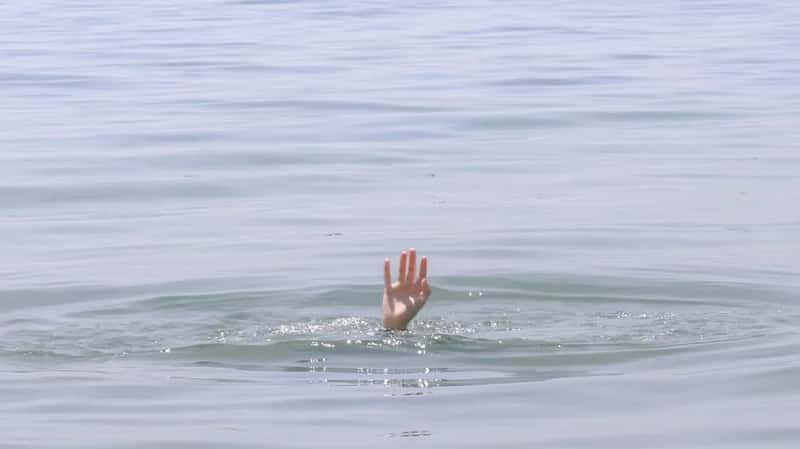
Since 2010, the Great Lakes Surf Rescue Project has tracked more than 1,400 drownings across the Great Lakes.[4] A 2026 report put the count at 1,480 since 2010.[5] Lake Michigan carries a disproportionate share of that total.
In 2025, 36 of the 81 recorded drowning deaths happened in Lake Michigan.[4] Nearly half of the lake’s drownings occur at its southern end, whose north south orientation makes it treacherous for swimmers.[6] A beach that seems calm for hours can change character quickly.
Currents You Can’t See From the Sand
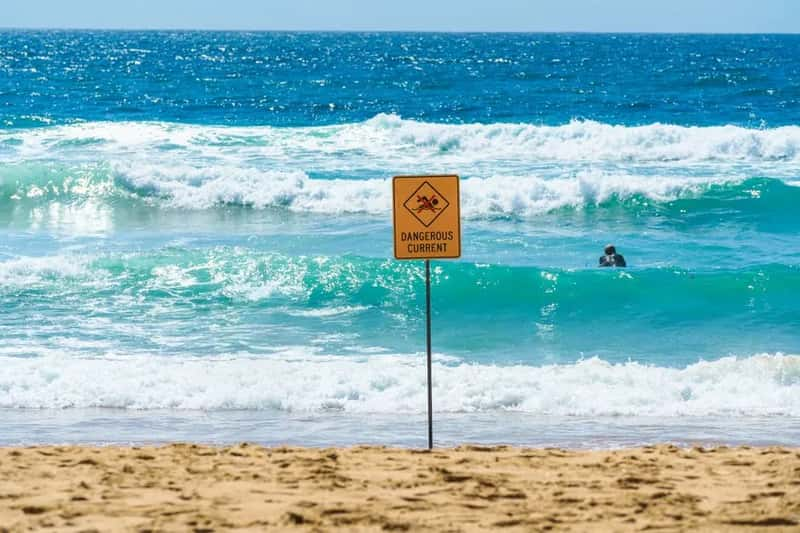
Many people think of rip currents as an ocean problem. Dangerous currents also develop in the Great Lakes when strong winds and high waves push water toward shore.[5] These currents can move at two to four feet per second, faster than an Olympic swimmer can sprint.[7]
Piers add another layer. Longshore currents can move swimmers toward those structures.[4] Researchers have measured structure related rip currents in Lake Michigan even when the water beside the structure looked calm.[8] Wave height alone is a poor guide.
Lake Como and the Danger of Cold Depth
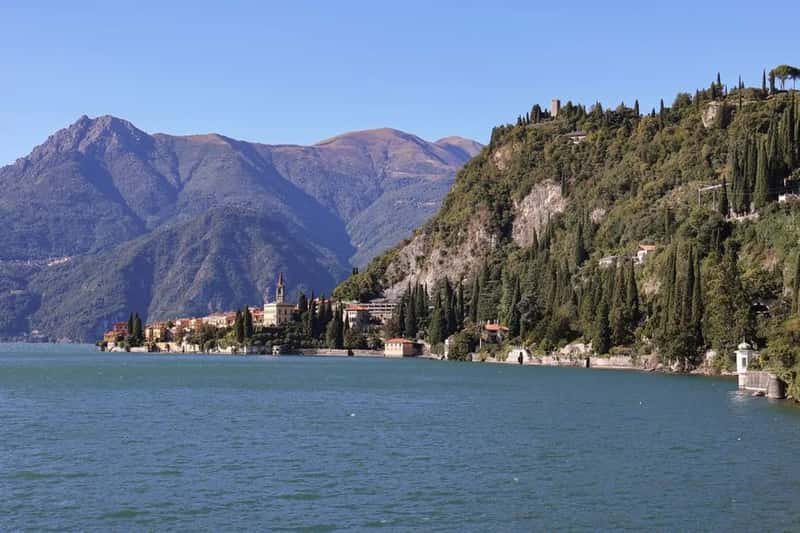
Six people drowned in Lake Como during the summer of 2026, including a girl aged nine.[9] The lake was formed by a glacier, and it is long, narrow, extremely deep and deceptively cold.[9] A warm afternoon on the terrace tells you little about the temperature a few meters out.
In September, a British tourist went missing after diving in to help a teenage boy and his father.[10] The two he tried to help showed early signs of hypothermia when recovered.[10] The area being searched ranged in depth from 150 metres to over 200.[10]
Unsupervised Evenings at a Swiss Mountain Lake
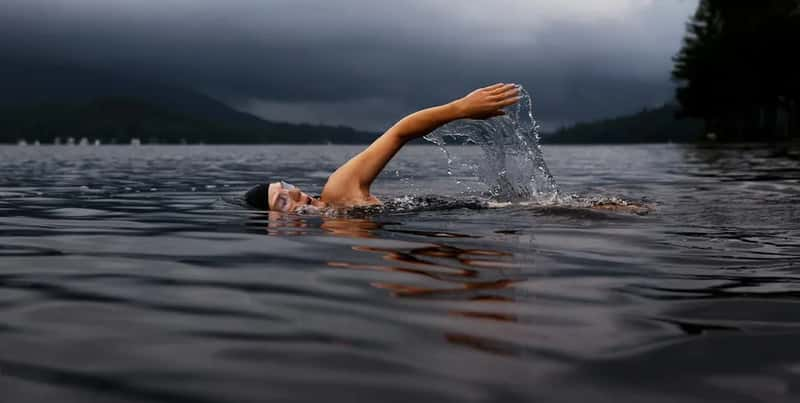
Two fatal swimming accidents occurred within three days at Lake Cauma in Flims, in the canton of Graubünden.[11] A teenager from the UK, on holiday with his family, went under on August 27 and died in hospital that evening.[12] Three days later, a German man aged 27 swam toward the lake’s island to help a struggling colleague.[12]
Local reporting pointed to timing. Both incidents happened in the evening, after normal opening hours, when supervision in the water isn’t guaranteed.[11] The mayor said he was shocked but did not want to discuss a ban on swimming outside opening hours.[11] The lesson for visitors is that a lake can be open to the public without being watched.
Frozen Lakes and Tourist Vehicles
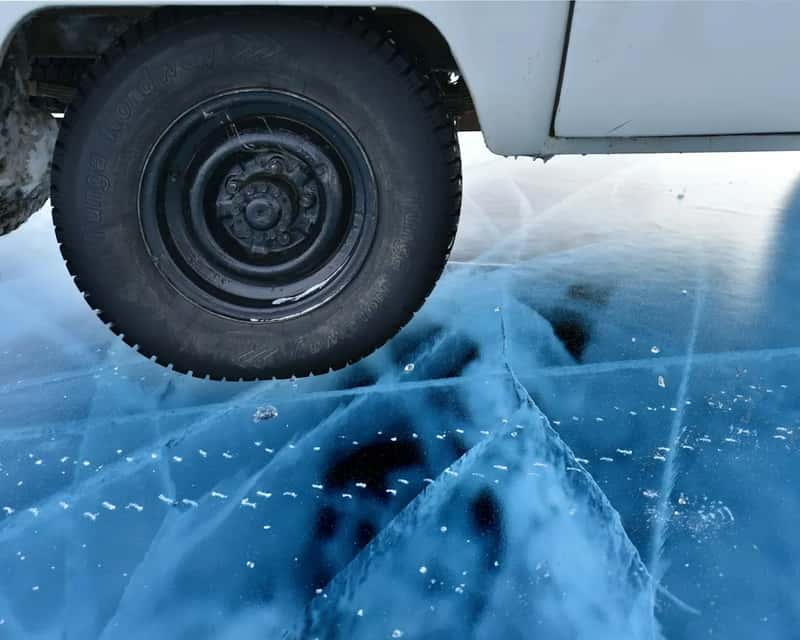
Lake drownings aren’t only a summer story. In February 2026, a van carrying nine people fell through an ice crevasse on Lake Baikal, and rescue divers recovered seven bodies.[13] Russian media reports suggested at least 11 tourists had died at Baikal so far that year.[13]
The ice draws crowds because of its clarity and thickness. Baikal freezes over between January and April, and visitors come from all over the world.[13] China’s Consulate General in Irkutsk urged travelers to avoid crossing the frozen lake in heavy vehicles and to use hovercrafts instead.[13] Unconfirmed reports also said the driver operated tours without a license, so checking an operator matters.
When Rescuers Become the Victims
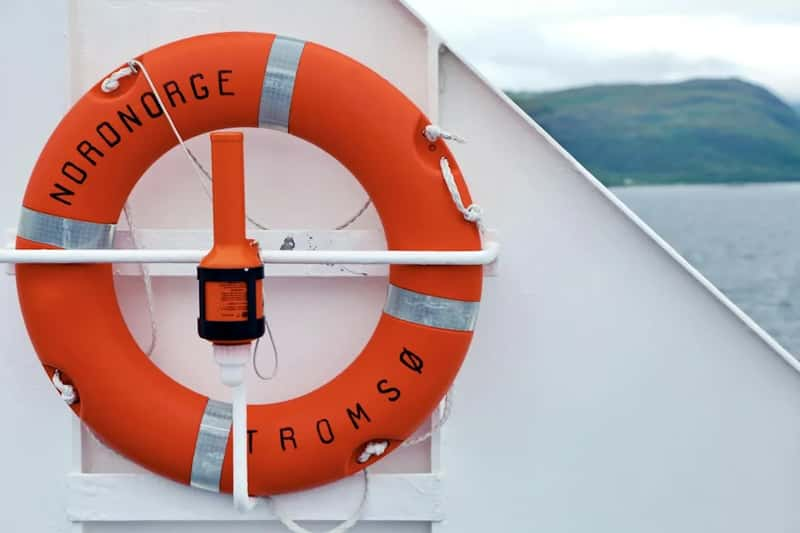
A recurring detail in these cases is the person who tries to help. At Lake Cauma, the German man began to drown himself during his rescue attempt.[12] Reports later said he died despite rescue efforts.[11]
The pattern goes back at least to 2022. Briton Aran Chada drowned in Lake Garda while trying to save his son.[9] Robot submarines needed 26 days to find his body, more than 300m below the surface.[9] Reaching for a distressed swimmer without flotation can put a second person at risk.
Boats, Life Jackets and Rentals
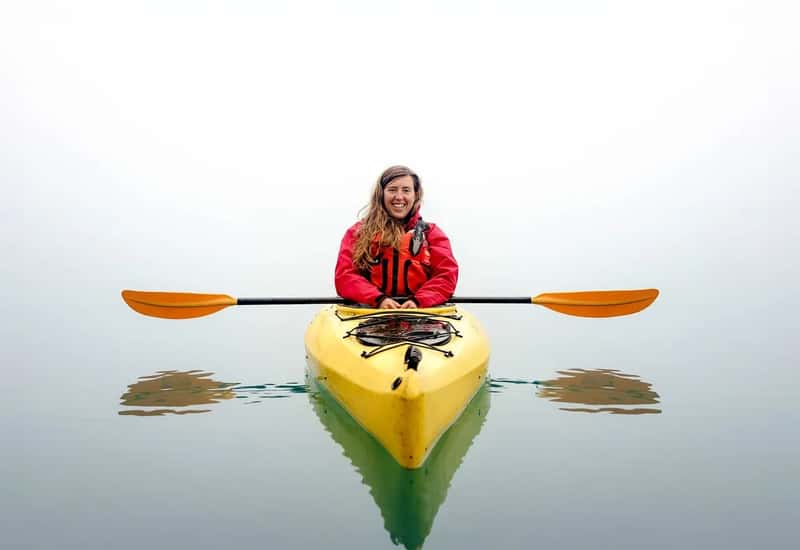
Boating adds its own risks, and not only for tourists. At least three people drowned in Minnesota lakes and rivers over the Fourth of July weekend in 2026.[14] One was a kayaker who was not wearing a life jacket when he went into the water.[14]
Rentals can go wrong too. In 2024, a British tourist drowned after swimming from a rented boat on Lake Como, when strong winds caused the boat to drift and strand the pair.[9] After the September 2026 incident, investigators launched a probe into a boat rental firm.[10] It’s worth asking what a rental comes with, and wearing the vest whether or not anyone insists.
What Lifeguards, Flags and Prevention Research Point To
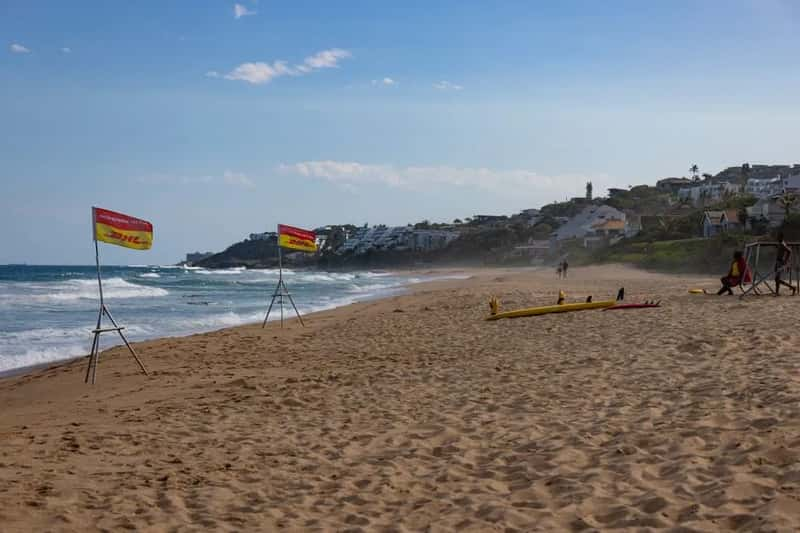
Supervision makes a measurable difference. In the roughly 25 years after South Haven ended its lifeguard program in 2001, 12 people drowned at the city’s beaches.[8] New Buffalo kept its lifeguards, which turns many incidents that might have become fatalities into successful rescues.[8]
Flags matter as well. A red flag warns people not to swim, even on a lifeguarded beach.[15] The WHO says most drowning deaths could be prevented by implementing its recommended interventions.[2] For a traveler, that comes down to swimming where lifeguards are on duty, respecting posted warnings, and wearing a life jacket on the water.