Travelers chasing the lowest advertised airfares often discover that the headline price tells only part of the story. A one-peso ticket, promoted aggressively by some carriers in the Philippines, quickly expands once taxes, airport charges, and other mandatory fees are added. The result is a final bill that can exceed the initial lure by hundreds or even thousands of pesos, a pattern familiar to anyone who has booked with low-cost airlines anywhere in the world.
The Appeal of Minimal Base Fares
Budget carriers frequently advertise base fares as low as one peso to attract attention and fill seats. These promotions highlight the carrier’s ability to operate with thin margins on the ticket itself. Passengers see the tiny number and picture an inexpensive getaway, whether a short domestic hop or a longer regional journey. The strategy works because it taps into the desire for affordable travel without requiring extensive research into the full price at the outset.
Documented Totals on Two Routes
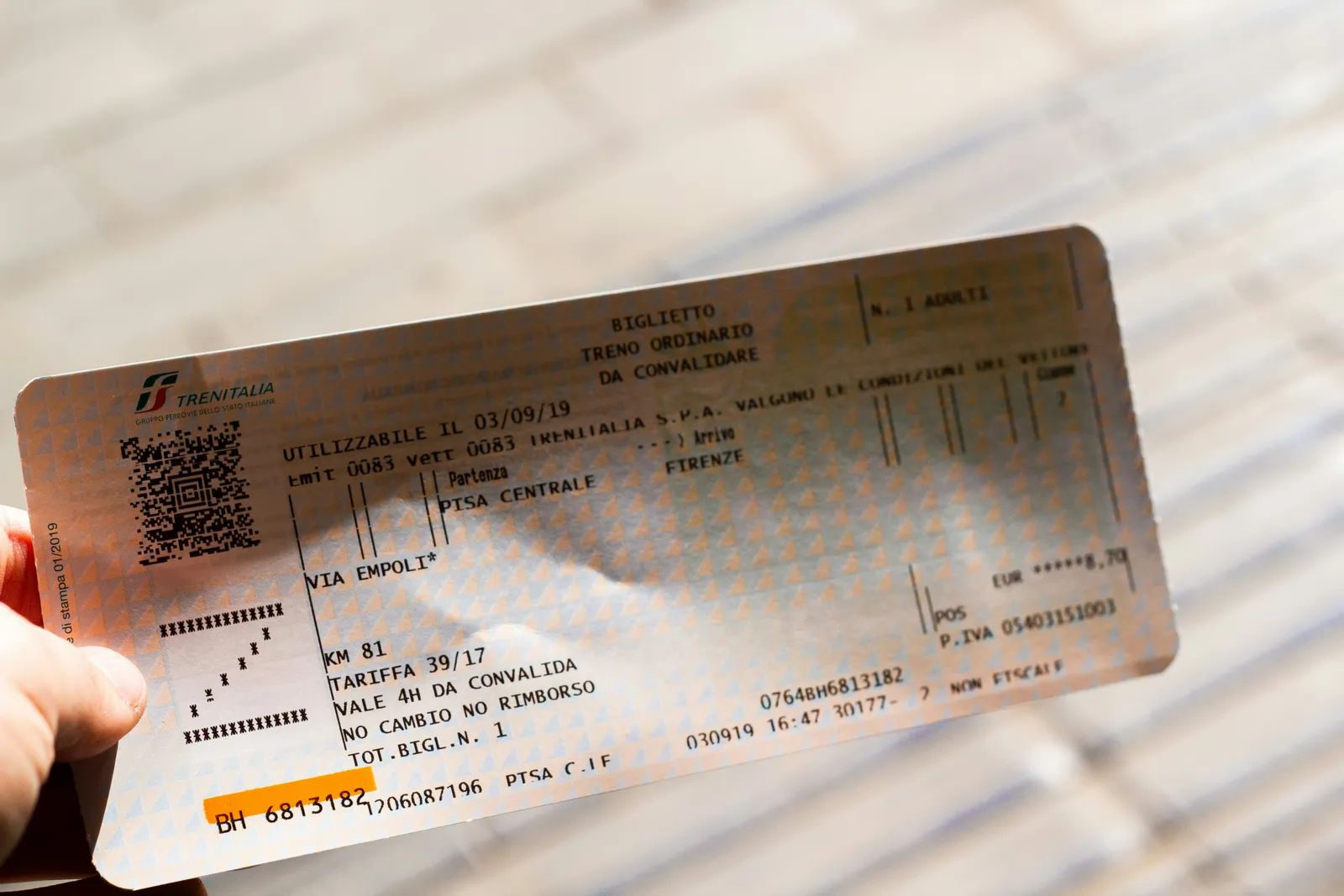
Real-world examples show how quickly the price rises. A one-peso fare to Cebu ends up costing approximately 903 pesos once all charges are included. An international example to Singapore reaches roughly 4,080 pesos in total. These figures come directly from a detailed receipt shared by travelers who booked the promoted fares and then tallied every line item. The gap between the advertised price and the final amount illustrates how little of the cost sits in the base fare itself.
Where the Additional Charges Come From
Most of the increase stems from government taxes, airport improvement fees, fuel surcharges, and carrier-imposed service fees that apply regardless of the base fare. These elements are standard across the industry and are rarely optional. Domestic routes tend to accumulate fewer extras than international ones, yet even short flights see the total multiply several times over. The structure means the one-peso starting point functions more as a marketing device than a realistic expectation of what a passenger will pay.
Practical Takeaways for Anyone Booking Flights
Shoppers benefit from comparing the complete price, including all mandatory add-ons, before committing. Checking the carrier’s full fare breakdown early prevents surprises at checkout or at the airport. The same dynamic appears with basic-economy products on carriers outside the Philippines, where seat selection, baggage, and other services push the final cost higher. Awareness of this pattern helps travelers set realistic budgets and avoid disappointment when the advertised bargain proves incomplete. The experience underscores a simple reality: the lowest number on the screen seldom represents the amount ultimately charged.