Biologists can spend a career in the Amazon and never catch sight of a bush dog. A new study in Canid Biology & Conservation puts numbers on that rarity, and the comparison with the region’s jaguars is striking. The research, reported by Mongabay ([1]), draws on 25 years of camera-trap records from across South America.
A Lopsided Count From the Camera Traps
Robert Wallace and his colleagues at the Wildlife Conservation Society examined more than 2.1 million photographs. Those images were taken over 611,159 camera-trap nights at 97 sites in seven South American countries. Bush dogs appeared in just 12 of them.
Other species turned up far more often. The table below compares detections against the bush dog’s count, based on the study’s reported ratios.
| Species | Detections compared with bush dog | Notes |
|---|---|---|
| Bush dog | Baseline, 12 occasions | Short legs, pack-hunting canid |
| Short-eared dog | About 50 times as often | Nicknamed the “ghost dog” for its elusiveness |
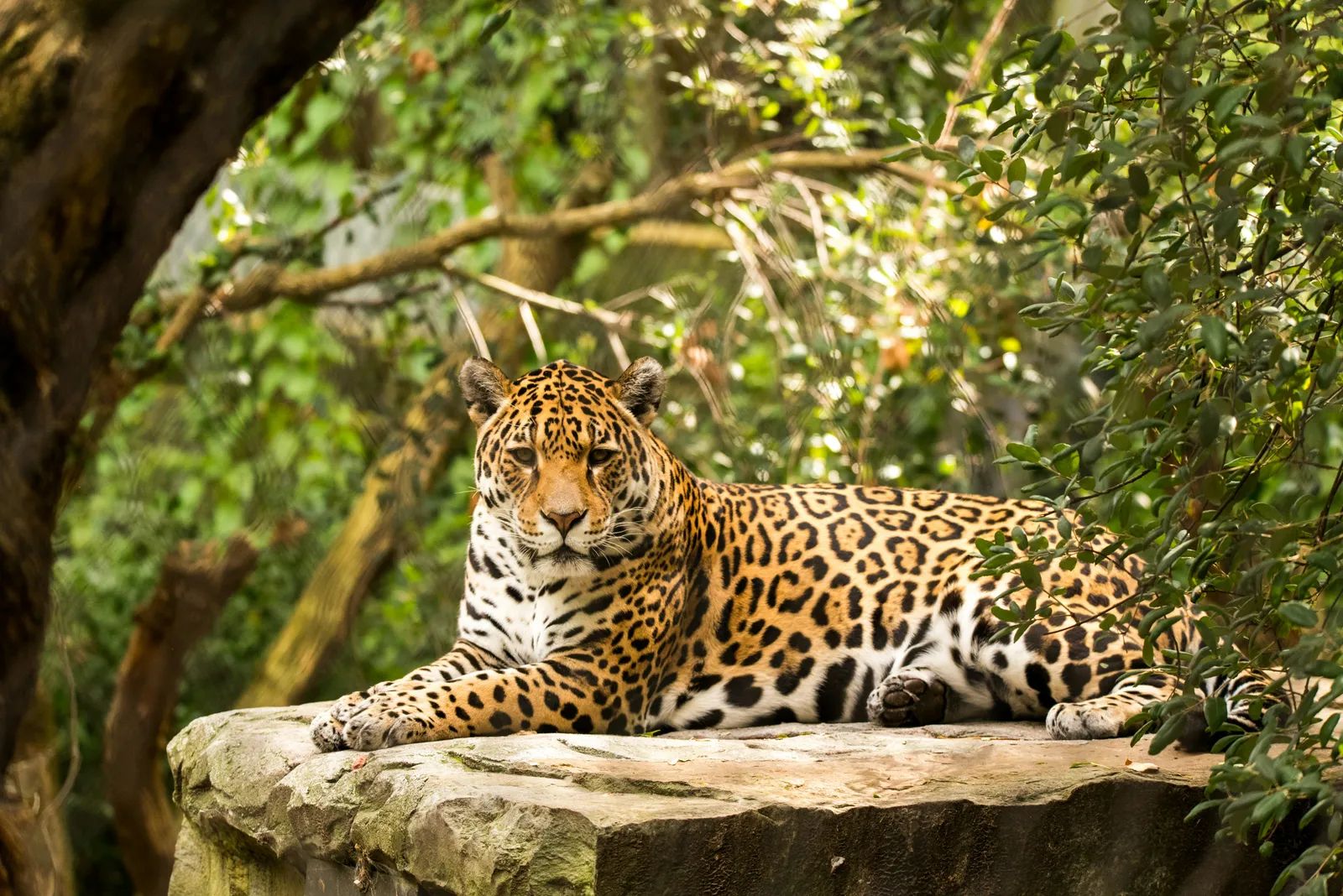
| Jaguar | About 100 times as often | Large cat, featured in the headline comparison |
| Ocelot | Nearly 280 times as often | Small wild cat |
The gap is wide, but it does not tell the whole story. The researchers themselves flagged reasons the bush dog count may be low, which is where the study becomes more nuanced.
Why the Dogs May Be Harder to Photograph Than They Seem
Most of the cameras were mounted 40 to 50 centimeters, or roughly 16 to 20 inches, above the ground. That height was chosen to capture jaguars. For a dog with short legs, it may have been a little high.
The same cameras did record animals of similar size. Pacas, rodents with a build close to a bush dog’s, were photographed on nearly 40,000 occasions. That suggests the setup was not blind to medium-sized animals, though the height question remains open.
Pack behavior adds another wrinkle. A group of dogs moving together should, in theory, be easier to capture than a lone animal. Even so, bush dogs were rarely recorded, which points to real scarcity rather than only a sampling problem. The authors’ findings do not settle the matter, and the study cannot separate every factor.
What Bush Dogs Are Known to Do
Bush dogs range from Costa Rica to northeastern Argentina. They have short legs and weigh up to about 7 kilograms, or 15 pounds. Their social life stands out, since they sometimes hunt in packs of a dozen.
Field observations also show how much space a single group can need. In Brazil’s Cerrado, one family group was found to occupy a home range of about 140 square kilometers, or 54 square miles. A species that needs that much territory, and lives in small numbers, is naturally hard to find.
Related Stories From Travelbinger


Key takeaways: bush dogs were recorded on only 12 occasions in more than 600,000 camera-trap nights, while jaguars appeared roughly 100 times as often. Camera height and pack behavior may have influenced the count, so the study points to scarcity without fully settling how rare the animals truly are.
Questions the Study Leaves Open
The research offers a clearer picture of how seldom bush dogs appear on camera across a broad sweep of the continent. It does not provide a population estimate, and it does not show how the animals fare under pressure from land use or other threats. Those gaps matter for conservation planning.
For now, the study gives researchers and wildlife watchers a useful benchmark. A jaguar in the frame is common by comparison, and a bush dog remains one of the Amazon’s least-seen mammals. The next step is to test whether different camera heights and survey methods change the picture.