Recent reports show that a little over a quarter of cruise passengers in the past two years were first timers, a noticeable jump from the two years before.[1] That’s a lot of people stepping onto a gangway without knowing how a ship really works. Crew members, captains and former performers see the same slip ups play out sailing after sailing.
Most of these errors aren’t dramatic. They’re small, avoidable, and often made long before anyone smells the sea air. Here’s what people who work at sea, or used to, keep noticing.
Treating a Cruise Like an All Inclusive Holiday

One crew member describes this as the first mistake they see: the fare is more inclusive than a hotel stay, but it isn’t all inclusive.[2] Specialty dining, drink packages, spa treatments and internet access add up fast, and staff often end up delivering the bad news.[2] Guest services desks tend to see the sticker shock on the final day.
Gratuities are a big part of that surprise. As of 2026, Carnival charges $17 per person per day for standard staterooms and $19 for suites, with other major lines charging similar amounts.[3] For a family of four on a week long cruise, that’s several hundred dollars added to the final bill.[3] Checking your onboard folio partway through the trip, instead of on the last night, makes it easier to catch charges early.
Flying In on Embarkation Day

Veteran cruisers call this one of the riskiest moves a beginner can make, and it has nothing to do with packing. Any flight delay, cancellation or missed connection means the ship leaves without you.[3] Cruise lines have schedules to keep, and a late passenger isn’t a reason to hold a vessel.
The fix is simple. Arrive the day before, find a hotel near the port, and use the extra time to relax and explore the city.[3] It costs a little more up front, though it’s usually far cheaper than trying to catch the ship at the next port.
Skipping or Joking Through the Muster Drill
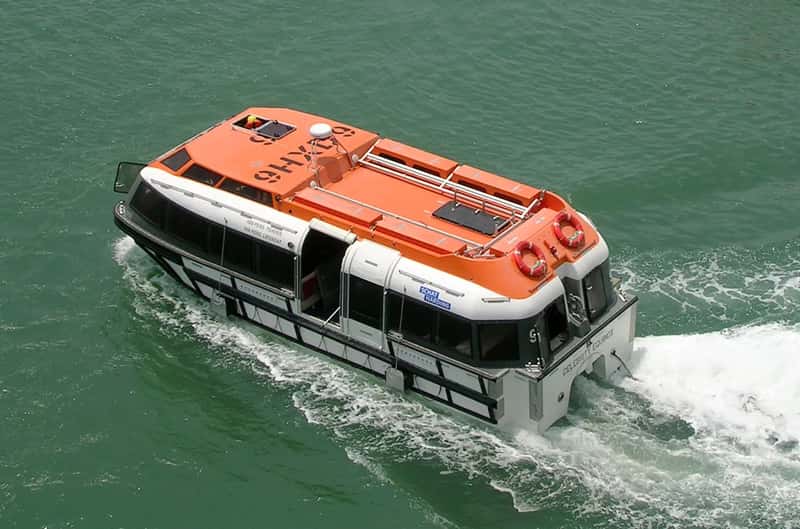
Every first timer feels the pull on embarkation day: skip the boring safety meeting and head straight for the pool bar.[3] Crew members say this is one of the most common, and most reckless, habits new cruisers pick up.[3] It’s easy to see why, since the drill feels like paperwork while the sun is out.
The crew see it differently. They treat it as the most important half hour of the sailing, because it exists so everyone knows exactly where to go in an emergency.[2] Showing up, paying attention and finding your muster station is a small ask for a large payoff.
Trying to Do Everything

Captain Kate McCue, the first American woman to captain a mega cruise ship for Celebrity Cruises, says the biggest mistake first timers make is trying to do everything.[4] She recommends planning enough to avoid stress while leaving room to be spontaneous. A packed itinerary can turn a vacation into a to do list.
Former cruise ship dancer Kelsey Glennon agrees, and points out that excursions can be exhausting. She suggests booking the things you really want to do, then leaving time to just hang out on the ship or in port.[4] Long lines and crowded decks take energy, so pacing yourself matters more than most people expect.
Leaving Port Days and Excursions to Chance

Popular tours fill up. Seasoned cruisers book land excursions far in advance because a reservation guarantees a spot, and popular ones sell out.[5] The same goes on board: on big ships like Harmony of the Seas and Norwegian Escape, you should pre-book shows and specialty dining at least 30 days before sailing.[6]
There are trade offs, of course. Depending on the ship’s policy, some excursions may be nonrefundable.[5] Ship run tours are convenient and reliable but often cost more, and they usually run in large groups on set schedules.[7] Also, the ship won’t wait if you’re running late[7] on an independent trip, so keep an eye on the clock.
Booking the Wrong Ship or the Wrong Cabin
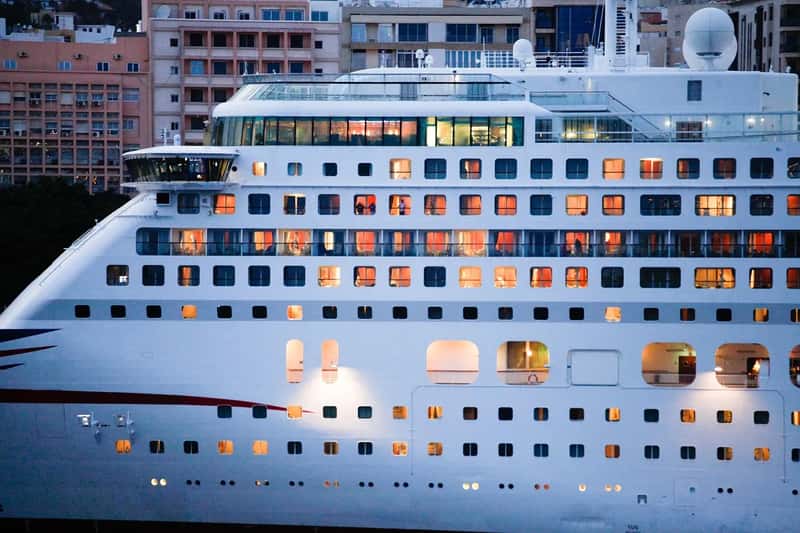
Price alone is a shaky way to choose. Picking a cruise that doesn’t fit how you like to travel can leave you thinking you hate cruising when the real problem was the ship, line, itinerary or overall experience.[8] One cruise blogger described friends who grabbed a good deal on a first sailing and admitted they were a bit bored on the ship at times.[9]
Cabin choice matters too. Many first timers book the cheapest cabin without thinking about comfort, space, motion or itinerary type.[8] Cabins near elevators, pool decks, nightclubs or noisy public venues can hurt sleep.[8] Looking at the deck plan before you pick is a five minute job that can save a week of annoyance.
Forgetting Your Phone Is a Billing Device

Some cruisers only find out about roaming charges when a surprisingly high bill shows up. The advice is to switch your phone to airplane mode as soon as you board and keep it that way.[7] If you want to stay connected, the ship’s internet package is generally more affordable and lets you control your data use.[7]
Cash is another thing people overpack. Nearly everything onboard runs through your room key or the cruise line’s app, tied to a card on file.[10] Regulars save cash for port tips or the rare crew member who prefers it.[10] Wads of bills mostly end up converted back at a poor rate on the last day.
Skipping Documents and Travel Insurance
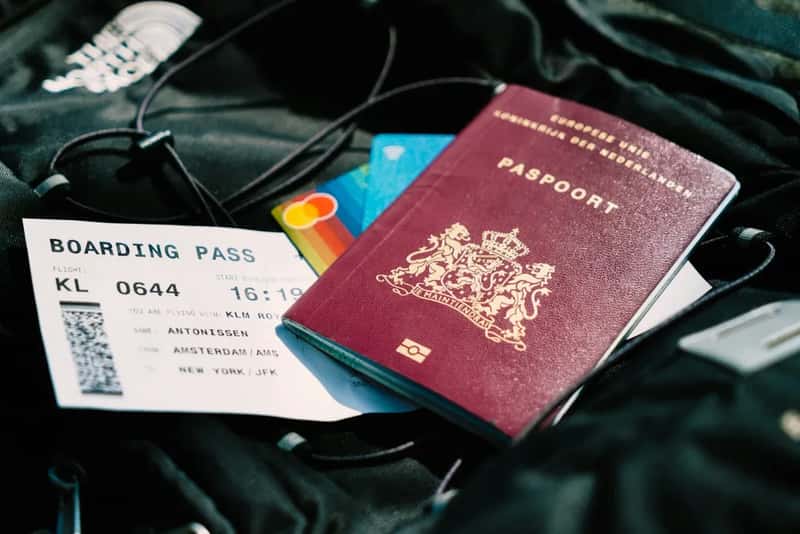
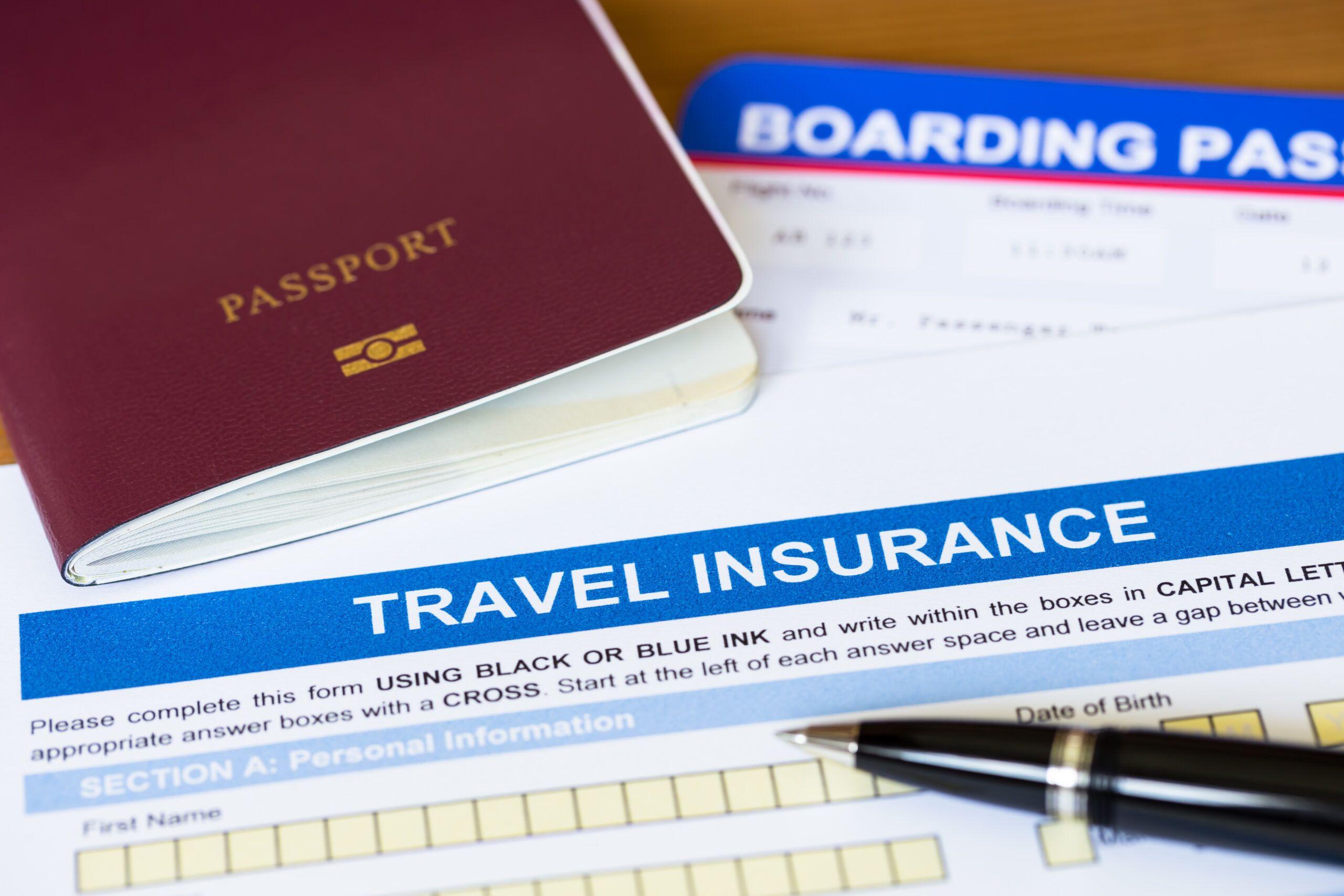
Among the experts polled by Yahoo Travel, arriving at port without the correct documentation was a consistently cited rookie mistake, and so was skipping travel insurance.[4] Passports, visas and booking details need to be checked well before departure. A missing document at the terminal can end a trip before it starts.
Insurance isn’t just a sales pitch, either. Carole Tokody, CEO of Southern Cross Travel Insurance, says the average cruise claim her company has paid this year is $3,584.[4] Flights get delayed, people get sick, and ports get cancelled, so that number is a useful reality check when you’re deciding whether to skip the extra cost.