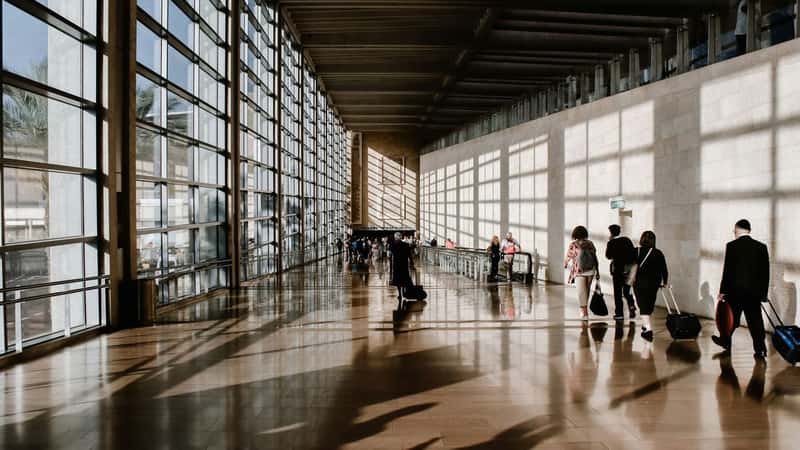
EU leaders call ‘urgent meeting’ with airlines as airport chaos grows – Image for illustrative purposes only (Image credits: Unsplash)
European airports entered the summer season expecting fuel shortages to pose the main challenge for travelers. Instead, lengthy lines at border controls have emerged as the dominant issue. The European Union’s new Entry and Exit System, introduced in April, requires biometric data collection for passengers crossing into or out of the Schengen Area. This change has produced extended waits at major hubs and prompted EU officials to schedule an urgent meeting with airline and airport representatives in the coming days.
Why the New System Has Slowed Travel
The Entry and Exit System aims to improve tracking of movements across EU borders by recording fingerprints and facial images for non-EU travelers. Officials designed it to replace manual stamping of passports with automated checks. In practice, the added steps have extended processing times at departure and arrival points throughout the continent.
Passengers at busy facilities have reported waits stretching several hours on peak days. These delays have led to missed connections and increased stress for families and business travelers alike. The problems surfaced well before the height of summer vacation traffic, raising concerns about capacity during the busiest weeks ahead.
Airports and Airlines Demand Immediate Changes
Industry groups have responded with direct appeals to EU leadership. European airports issued a public letter this week requesting swift intervention to prevent further deterioration at terminals. They highlighted five-hour queues at certain locations and the resulting flight disruptions.
Low-cost carrier Ryanair went further by urging a temporary suspension of the program until September. The airline stated that passengers should not serve as test subjects for an incomplete system that risks creating unnecessary stress during the peak travel period. Both organizations pointed to insufficient preparation at the operational level as a key factor behind the current backups.
EU Officials Acknowledge Concerns but Point to National Responsibilities
EU representatives confirmed plans for the emergency discussions with industry stakeholders. At the same time, they described the overall impact of the new system as limited at most airports. A spokesperson emphasized that individual member states bear responsibility for staffing border posts adequately and maintaining suitable facilities.
The commission noted that countries must provide enough personnel and infrastructure to handle the biometric requirements. This stance suggests the bloc views the rollout issues as manageable through better local execution rather than a full policy reversal. No indication has emerged that the system will be paused for the summer months.
Practical Steps for Travelers Heading to Europe
Those flying into or out of EU airports this summer can reduce risk by adjusting their routines. Arriving earlier than usual provides a buffer against unpredictable line lengths. Three hours before an international departure offers a reasonable starting point for most routes.
Additional preparation helps during extended waits. Carrying water after security or upon arrival prevents dehydration in crowded areas. Avoiding prolonged time in lounges or restaurants without first confirming gate access also limits last-minute rushes through border control.
- Check flight status and airport advisories the night before departure.
- Keep passports and any required documents easily accessible.
- Allow extra time between connecting flights when itineraries involve Schengen exits.
- Monitor airline communications for any updates on processing changes.
The situation remains fluid as EU leaders prepare to meet with aviation representatives. Travelers monitoring developments closely stand the best chance of navigating the current conditions with minimal disruption.