Walk through any train station in Vienna or a quiet café in Lisbon, and you’ll notice something: the locals rarely raise an eyebrow at tourists in general, but American visitors seem to draw a particular kind of attention. It’s not about passports or accents alone. According to travel writers, forum threads, and even survey data collected over the past two years, there’s a consistent pattern to how Europeans identify Americans before they’ve said a single word.
With American travel to Europe hitting record numbers, the topic keeps coming up in travel columns and online communities. Here are the five habits Europeans mention most often when they talk about spotting an American tourist in a crowd.
1. Speaking loudly in quiet public spaces
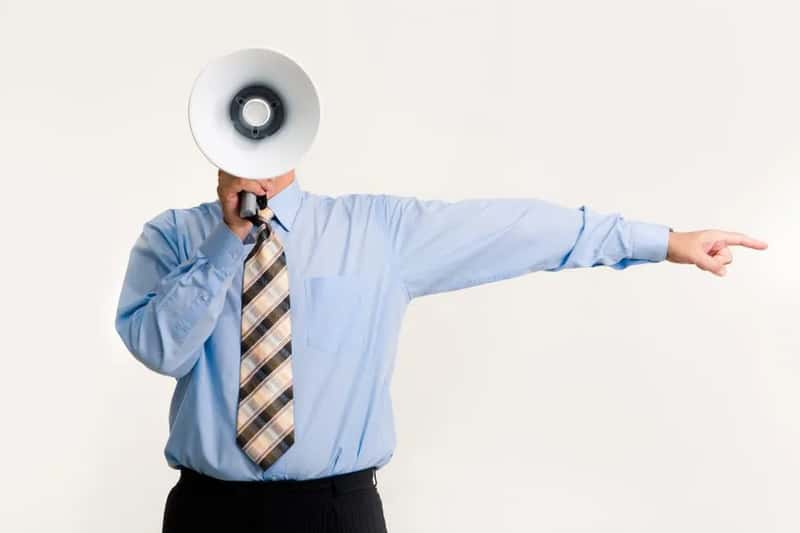
Volume tops nearly every list. One of the most frequently cited giveaways, according to recent travel features and online forums, is volume, since many European cities feature public spaces such as trains, cafés and museums that are noticeably quieter than their counterparts in the United States.[1] The contrast isn’t imagined either; it’s rooted in how American public life is designed.
Many public spaces in the United States are noisy by design, with venues for dining, drinking, or watching sporting events tending to be quite loud, which requires people to speak loudly to be heard.[2] That habit travels well within the US, but perception plays a role once Americans are in places where the norm is to speak quietly, since the contrast becomes far more noticeable.[2] A conversational tone at home can sound like a shout in a hushed Italian bistro or a near-silent French metro car.
2. Tipping generously, even when it isn’t expected
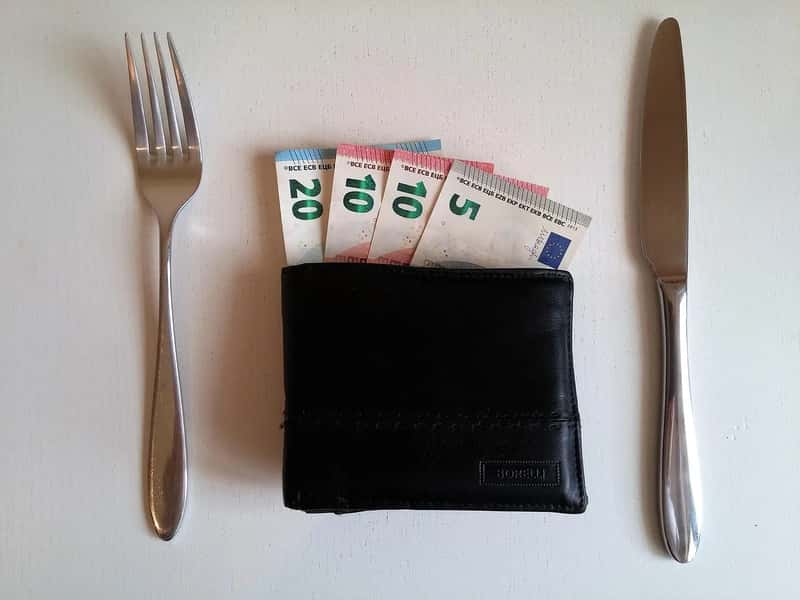
American tipping habits don’t just confuse European servers, they actively flag someone as a visitor. Americans often use their ingrained tipping habits when traveling, even if it’s not standard etiquette, and in some countries tipping is optional or even frowned upon, since European service workers don’t rely as heavily on tips from customers as they’re typically paid significantly higher wages.[2] That single gesture, sliding an extra bill across the table, can be enough to give someone away.
The math behind it matters too. While it’s common for Americans to add on fifteen to twenty percent of the total for the server’s tip, European restaurants don’t work that way, since they either include an automatic service charge on the bill or customers know to round up to the nearest euro or leave a small extra percentage.[2] Travel writers describe it as one of the more well-meaning habits that still creates friction. Restaurant tipping in Europe is often misunderstood by non-European visitors, with US tourists applying their own generous tipping culture where it isn’t necessarily appropriate, making it one of the more quietly disruptive habits Americans bring abroad, well-intentioned but with unintended consequences.[3]
3. Dressing for comfort over occasion
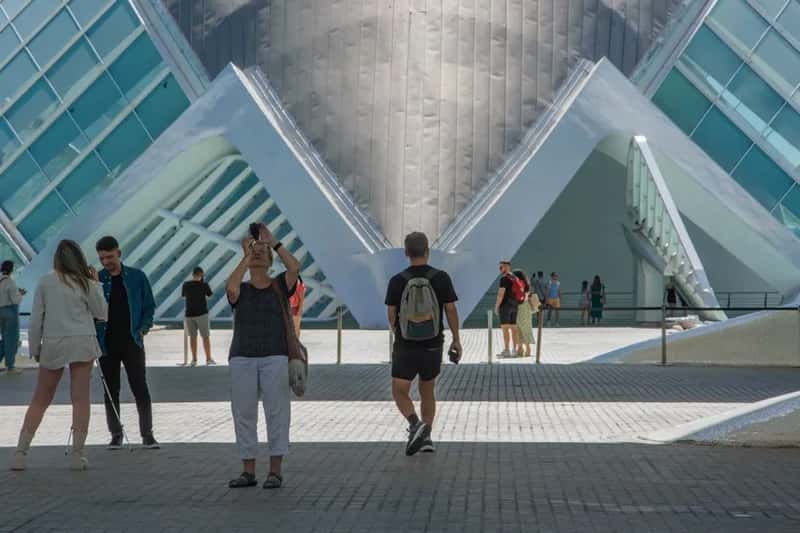
Clothing choices come up almost as often as noise levels. Americans often wear clothing that’s heavy on logos and bright colors, specifically sports jerseys, college merchandise, or designer brands, while European style tends to be more subdued and less logo-driven.[4] The gap becomes especially visible in cities where everyday dress leans more polished than practical.
Baseball caps and athletic wear are the most cited culprits. American customs like wearing baseball caps, carrying giant water bottles, and going everywhere in athleisure clothing are giveaways that are often made fun of on social media, since the typical European approach to dressing for sightseeing looks more like what an American would consider “going out” clothes.[3] Even hiking gear draws notice in historic centers. European people generally prefer formal clothing for regular activities like grocery shopping despite the global trend toward athleisure, so tourists wearing hiking boots with leggings and a baseball cap in a historic city center tend to stand out.[5]
4. Asking for extra ice in drinks

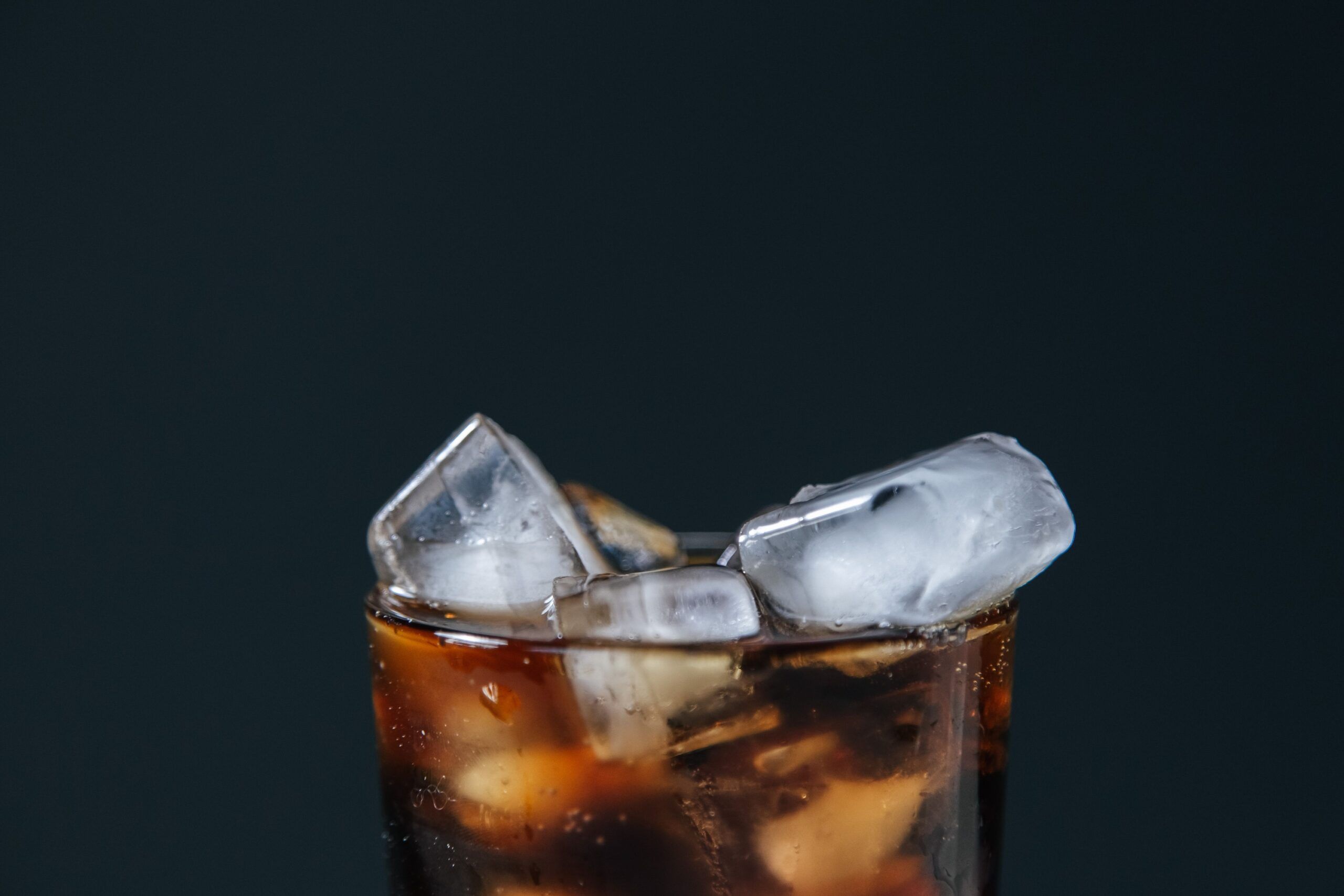
It sounds trivial, but this one comes up constantly in traveler accounts. When ordering drinks at a restaurant in Europe, many are not as iced as Americans would like, and it’s a common thing that locals associate with US tourists to ask for more ice whenever they want it.[6] European bars and cafés simply don’t chill drinks the way American establishments do by default.
The habit is specific enough that some writers call it a near-universal marker. Americans have gained recognition for their preference for extremely cold beverages, since European restaurants typically serve drinks at room temperature with the option to add one or two ice cubes, and North American visitors are often the ones making a specific request for a full glass of ice.[5] It’s a small ask, but it’s rarely one a local would make.
5. Striking up friendly conversations with strangers

Small talk, so normal in the US, reads differently abroad. Commenters on European and transatlantic forums regularly note that striking up friendly conversations in queues, elevators or quiet scenic spots feels very American, since in many European cultures casual chatter with strangers is more restrained and personal space in public places is guarded more carefully.[1] What feels warm and outgoing in an American context can come across as unexpected, even if not unwelcome, in a European one.
Some writers frame this as one of the more charming habits, even if it’s easy to spot. Americans are known for their sunny dispositions and for striking up conversations with people in elevators or lines.[5] The instinct to chat comes from genuine friendliness, but it’s precisely that friendliness, offered so readily to strangers, that tends to mark someone as a visitor rather than a local.
None of these habits are really about being a bad traveler. They’re just cultural defaults that don’t always translate once you cross an ocean. Loud enthusiasm, generous tipping, comfortable clothing, cold drinks, and easy conversation all read as perfectly normal at home. Abroad, they’re simply the tells that give someone away before their accent ever does.