
Travelbinger
TravelbingerTravel deals, guides and hacks
Travel News
Trip Planner
Sign In
Travel News
Share:

Four Wild Birds Left: A Kestrel's Comeback Needed Human Help

Expert reviewed
Matthias BinderCarley Rojas Avila

Author: Matthias Binder

·

Edited by Carley Rojas Avila

Cited 4 sourcesUpdated Nov 25, 2026· 4 min read
DetailsFull details

Cited Sources (4)

  1. news.mongabay.com — Species down to the last 50 animals can recover but rarely without help(news.mongabay.com)
  2. looks like(backend.travelbinger.com)
  3. peregrinefund.org — Mauritius kestrel(peregrinefund.org)
  4. zsl.org — New hope recovery of endangered mauritius kestrel(zsl.org)
Author:Matthias Binder

Travel Expert & VP of Operations

Matthias a curious globetrotter who collects moments from night markets, coastlines, and tiny mountain villages. Plans trips around local food, scenic trains, and the best views at golden hour.

Editor:Carley Rojas Avila

Bilingual Travel Writer & Editor

Checks place names, dates, and source links before a story is published.

Published November 25, 2026 · Updated November 25, 2026 · 4 min readRead about how we research, editorial independence, and AI policy.

By 1974, the Mauritius kestrel had dwindled to four birds in the wild, a margin that left almost no room for error. Its survival since then shows that a species on the brink can recover, though usually only when people intervene. A newly published study of 141 birds and mammals gives the clearest picture yet of how often that rescue works. ([1])

A species written off before the rescue began

In 1979, Norman Myers, a prominent environmentalist, questioned whether conservation money was being well spent on a bird with such poor odds. He suggested resources might do more good with species that had a better chance of pulling through. Conservationists pressed on anyway, and their decision now looks like one of the more consequential bets in modern bird conservation.

The stakes were concrete. With only one breeding pair in the wild at the lowest point, the loss of a single season could have ended the species in the wild. That fragility is what made the debate over funding so sharp.

How the rescue unfolded

The recovery effort relied on several techniques at once rather than a single fix. Among the main approaches were:

  • Breeding birds in captivity and releasing them into forest habitat, a program that began in the 1970s ([2])
  • Controlling predators and providing nest boxes and extra food for released birds ([3])
  • Removing a first clutch of eggs so breeding pairs would lay a second, boosting the number of chicks each season ([4])

Earlier habitat destruction and pesticide use had pushed the kestrel into a single remote gorge by the late 1950s, so the program also had to rebuild a population from almost nothing. Each step depended on the one before it, and the work stretched over many years.

What the wider data shows

The study, led by Donal Smith of Monash University in Australia, appeared in the Proceedings of the Royal Society B. It tracked birds and mammals whose wild populations dropped below 50 individuals at some point after 1950, and it included only species where enough time had passed to judge the result. The contrast between species that received direct help and those that did not is stark.

Group Species Reached at least 100 animals Went extinct
Received direct conservation help 51 31 (61%) 6
No direct intervention 90 2 (2%) 33 (37%)

The pattern suggests that hands-on work made a measurable difference. Still, the figures alone do not reveal why some species responded and others did not.

What the findings cannot prove

The researchers acknowledge that they cannot pin down how much of each recovery came from conservation work. Some species may have been selected for help precisely because their problems were easier to solve, which would inflate the apparent success of intervention. Recoveries were most common when teams tackled the causes of decline, such as introduced predators or habitat loss, while also raising animal numbers through captive breeding or translocation. Legal protection and other indirect measures, on their own, showed no clear link to recovery.

The 100-animal threshold also carries limits. Reaching that number is not a guarantee of long-term survival, and the study’s framing makes clear that a population can grow and still remain fragile.

Related Stories From Travelbinger

  • 23 Small Courtesies Hotel Front-Desk Staff Remember All Stay From Guests Over 65 Who Show Them at Check-In
  • 23 Hotel Chains Americans Loved in the 1970s That Have Quietly Vanished
  • 17 Things Experienced Cruisers Over 65 Do on Disembarkation Morning That Everybody Else Discovers Too Late

A comeback that remains unfinished

The kestrel’s numbers climbed into the hundreds in the decades after the rescue began, yet the population has since declined again, according to the original report. Estimates vary. The Peregrine Fund, which has worked on the species since the early 1970s, puts the current wild population at roughly 600 to 800 birds ([2]). Either way, the species is not out of danger.

For conservationists, the lesson is less about one bird than about timing. A species at four individuals is not necessarily lost, but its future depends on sustained effort after the headlines fade, from monitoring numbers to managing the threats that caused the decline in the first place.

Did any of these feel familiar?

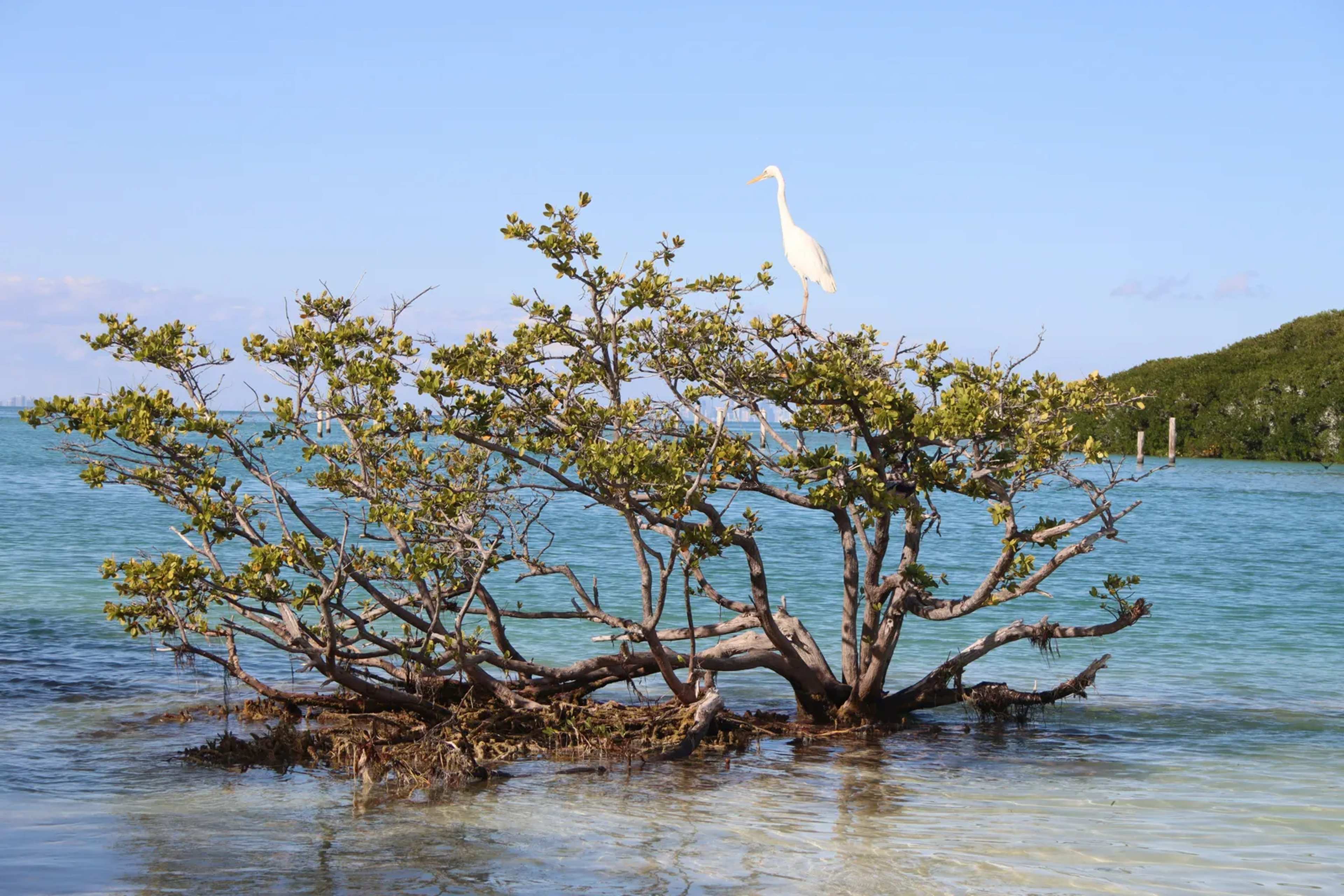
China Lost Nearly 70% of Its Mangroves, Then Bird Species Rose From 148 to 397

Up Next

China Lost Nearly 70% of Its Mangroves, Then Bird Species Rose From 148 to 397

China's coastal mangrove forests spent decades in retreat, which makes a new reversal worth attention. Findings published in The Innovation show that mangrove c

Read next

🔥 Would you like to save this?

We’ll email this post to you, so you can come back to it later.

Matthias Binder
Author

Matthias Binder

Travel Expert & VP of Operations

Matthias a curious globetrotter who collects moments from night markets, coastlines, and tiny mountain villages. Plans trips around local food, scenic trains, and the best views at golden hour.

All stories by MatthiasHow we research & AI policy
Carley Rojas Avila

Edited & reviewed by Carley Rojas Avila — Bilingual Travel Writer & Editor

Expert reviewed

Keep Reading

Wild Kiwi Are Back in the Hills Above Wellington After 150 Years

Wild Kiwi Are Back in the Hills Above Wellington After 150 Years

1 min read

14 Airline Fees Travelers Over 60 Can Still Clear at the Check-In Desk

14 Airline Fees Travelers Over 60 Can Still Clear at the Check-In Desk

1 min read

16 Cruise Fees Passengers Over 60 Can Still Get Dropped at Guest Services

16 Cruise Fees Passengers Over 60 Can Still Get Dropped at Guest Services

1 min read

15 Hotel Room Charges Guests Over 65 Can Still Get Dropped Early

15 Hotel Room Charges Guests Over 65 Can Still Get Dropped Early

1 min read

The Latest

Fresh stories from our travel desk

1

Four Wild Birds Left: A Kestrel's Comeback Needed Human Help

Matthias Binder·Nov 25
14 Airline Fees Travelers Over 60 Can Still Clear at the Check-In Desk

14 Airline Fees Travelers Over 60 Can Still Clear at the Check-In Desk

Matthias Binder·Nov 24
16 Cruise Fees Passengers Over 60 Can Still Get Dropped at Guest Services

16 Cruise Fees Passengers Over 60 Can Still Get Dropped at Guest Services

Matthias Binder·Nov 24
15 Hotel Room Charges Guests Over 65 Can Still Get Dropped Early

15 Hotel Room Charges Guests Over 65 Can Still Get Dropped Early

Matthias Binder·Nov 24
View All Stories

Stay Updated

Get the latest travel news delivered to your inbox

Stay Inspired

Get travel inspiration, guides, and exclusive deals delivered to your inbox.

Travelbinger
TravelbingerTRAVEL DEALS, GUIDES AND HACKS

Discover the world through the eyes of seasoned travel experts. From breaking news to hand-picked destination guides, we bring you the stories that matter. Join our community for exclusive member deals and authentic inspiration for your next journey.

Deals

  • All Deals
  • Beach Holidays
  • City Breaks
  • Luxury Hotels
  • Last Minute

Popular Destinations

  • Europe
  • Asia
  • North America
  • South America
  • Africa

Company

  • About Us
  • Travel News
  • Editorial Policy
  • Contact

Legal

  • Privacy Policy
  • Terms & Conditions

This website contains affiliate links to trusted partners.

© 2026 Travelbinger. All rights reserved.

Secure payment with:
Visa
MC
PayPal
Klarna