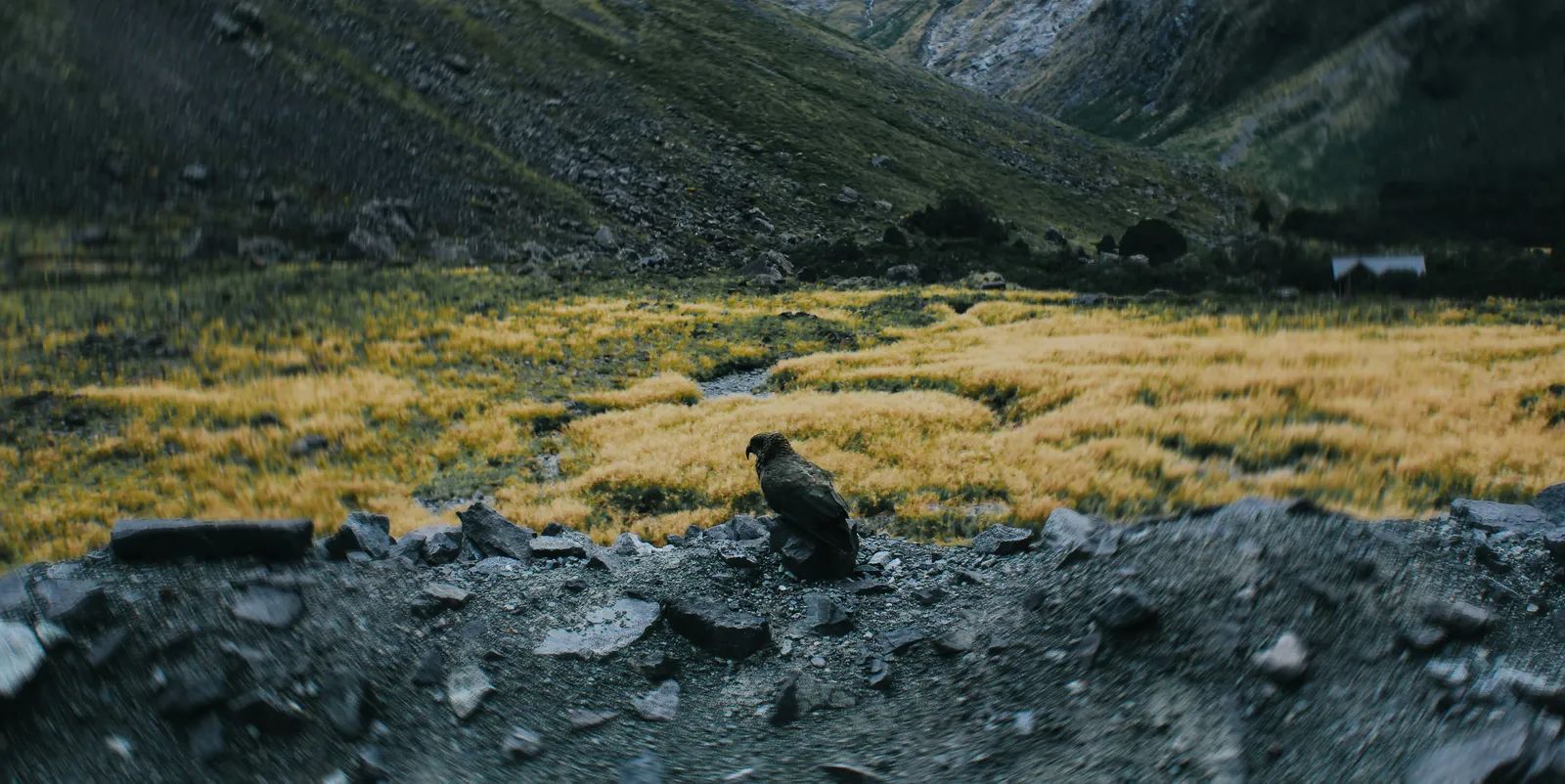
For the first time in more than 150 years, wild kiwi are roaming the hills around Wellington, the capital of New Zealand. The comeback is the work of Indigenous iwi (Māori nations), local residents and private landowners, who have spent several years bringing the flightless birds back to the region. Their effort, coordinated through the Capital Kiwi project, is a nonprofit initiative, and its results are beginning to show across the surrounding countryside ([1]).
The threat that kept kiwi away
Stoats arrived in New Zealand in the late 1800s, brought by European settlers who hoped the animals would keep rabbit numbers under control. The plan backfired in a different way. Stoats now prey heavily on young kiwi, and they are the main reason so few chicks survive to adulthood in areas left unmanaged.
That threat shaped the entire project. Returning birds to Wellington’s hills meant first clearing the land of predators, a task that reached well beyond a single reserve. Project founder and lead Paul Ward has explained the scale of the work in interviews, describing a landscape-wide approach rather than a handful of isolated sites.
A trapping network across a patchwork of land
Before any birds were released, teams set more than 5,300 traps across 24,000 hectares (59,300 acres). The network was not confined to protected bush. It ran through working farmland, forestry blocks and suburban reserves, where landowners agreed to host traps and help remove stoats. The project’s success rests on that cooperation as much as on the traps themselves.
The approach has been built around a few key elements:
- Trapping and removing stoats across roughly 24,000 hectares
- Working with iwi, community volunteers and private landowners
- Releasing kiwi only after predator pressure was reduced
Numbers that shifted the outlook
The gap between managed and unmanaged land is stark. Ward said that in areas without predator control, nearly all chicks die before reaching adulthood. Under the project’s trapping regime, however, chick survival has exceeded 90 percent. That contrast is the core reason the project has been able to put birds back into the hills.
Since late 2022, more than 250 kiwi have been moved into the region. Ward estimates that, once wild-hatched chicks are counted, the local population now tops 300 birds. He credited the result to the availability of food in the release areas, saying that if predator threats are controlled, the birds have a real chance to establish themselves. He called the outcome an “extraordinary result”.
Related Stories From Travelbinger


What comes next for the birds
The return of kiwi to Wellington’s hills is a significant step, but it is not a finished task. Keeping stoat numbers low across so many different types of land will require sustained effort from the iwi, community groups and landowners who have taken part so far. For the birds, each season of effective trapping adds to the chance that the next generation will grow up in the wild.
For residents of the region, the story offers something rare: a national symbol that has returned to the edge of the city after a century and a half. Whether the population keeps growing will depend on how well the traps, and the people maintaining them, keep working.