Some cities feel like they’re living a few years ahead of everyone else. Their trains run on time, their paperwork happens on a phone, and residents seem to take it all for granted. Other places keep a different clock entirely, whether by choice, by circumstance, or by sheer distance.
The first ten stops below lean on published measurements, mostly the IMD Smart City Index and official figures from Estonia. The last three are places where the old ways still run daily life. Each one comes with the facts that explain why it earned a spot.
Zurich, Switzerland
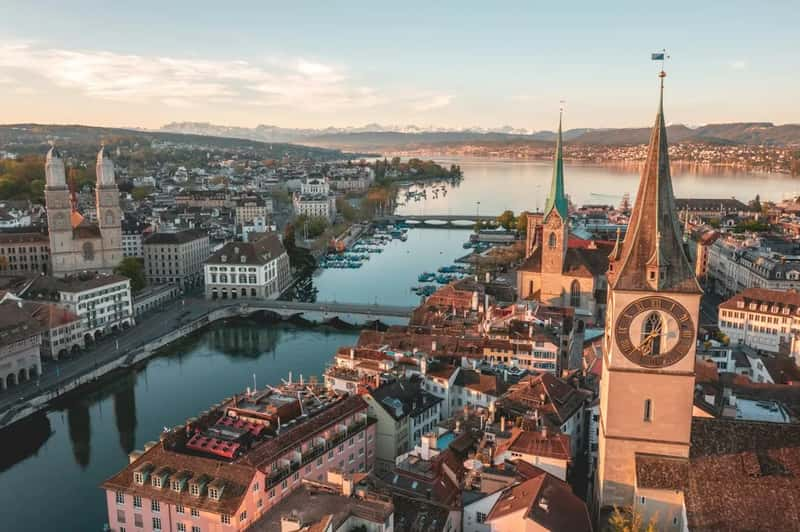
Zurich secured top spot in the IMD Smart City Index for the sixth year in a row in 2025.[1] The index measures how smart a city is perceived to be by its own inhabitants.[1] That makes it a ranking about lived experience rather than gadget counts.
The streak doesn’t look like ending quickly. IMD’s 2026 edition, released in March, shows Zurich retaining the top spot.[2] Around one hundred residents per city answer questions about mobility, governance, safety, health and opportunities,[3] so the result reflects what people say about daily life.
Oslo, Norway
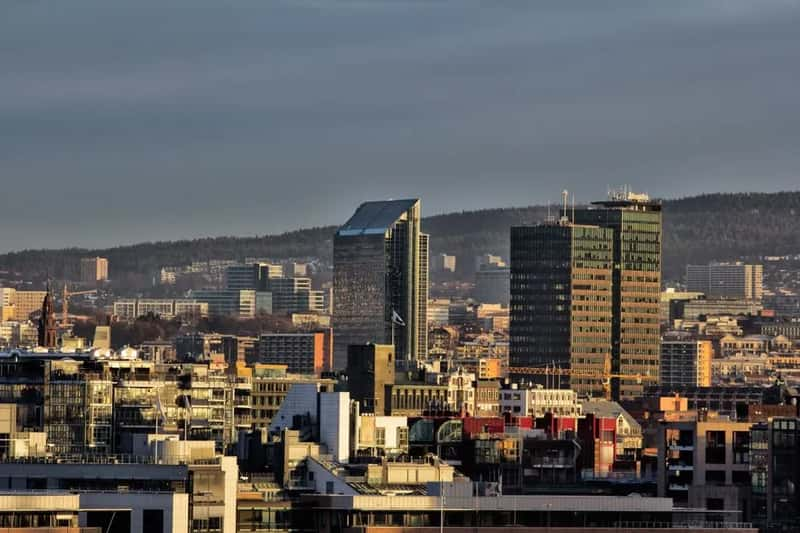
In the 2025 edition, Oslo took second place, behind Zurich.[1] The ranking covers five areas: health and safety, mobility, activities, opportunities, and governance.[4] A city doesn’t reach the top two by excelling at only one of them.
Even the leaders aren’t free of complaints. The 2025 edition identified affordable housing as the most pressing concern among urban dwellers.[5] A smart city, it seems, can still be an expensive one to rent in.
Geneva, Switzerland
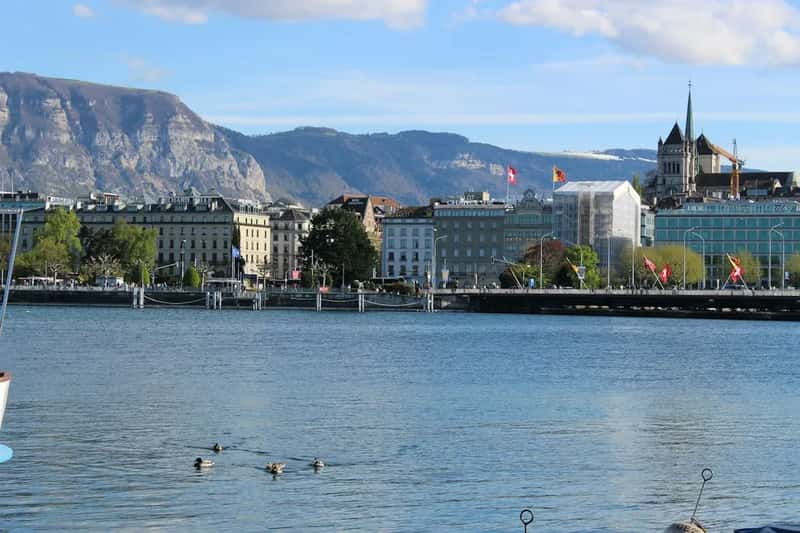
Geneva climbed in 2025. It moved up to third place from sixth.[6] Zurich, Geneva and Lausanne gave Switzerland three cities in the global top ten.[5]
IMD’s own commentary on the top three cities points to a balance of amenities without the congestion and pollution that often come with size. That’s a useful reminder that a smart city isn’t only about technology. Sometimes it’s about what doesn’t go wrong.
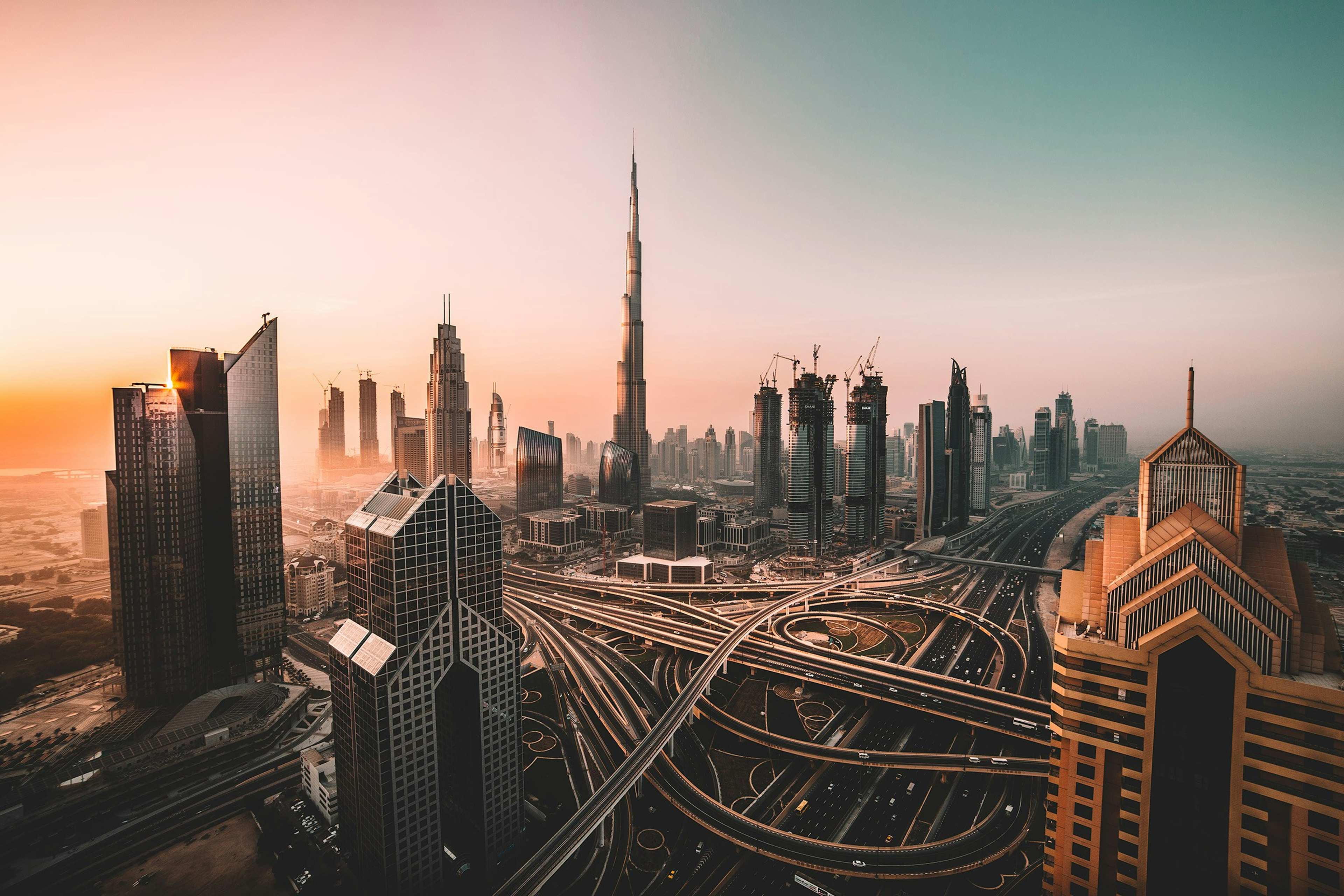
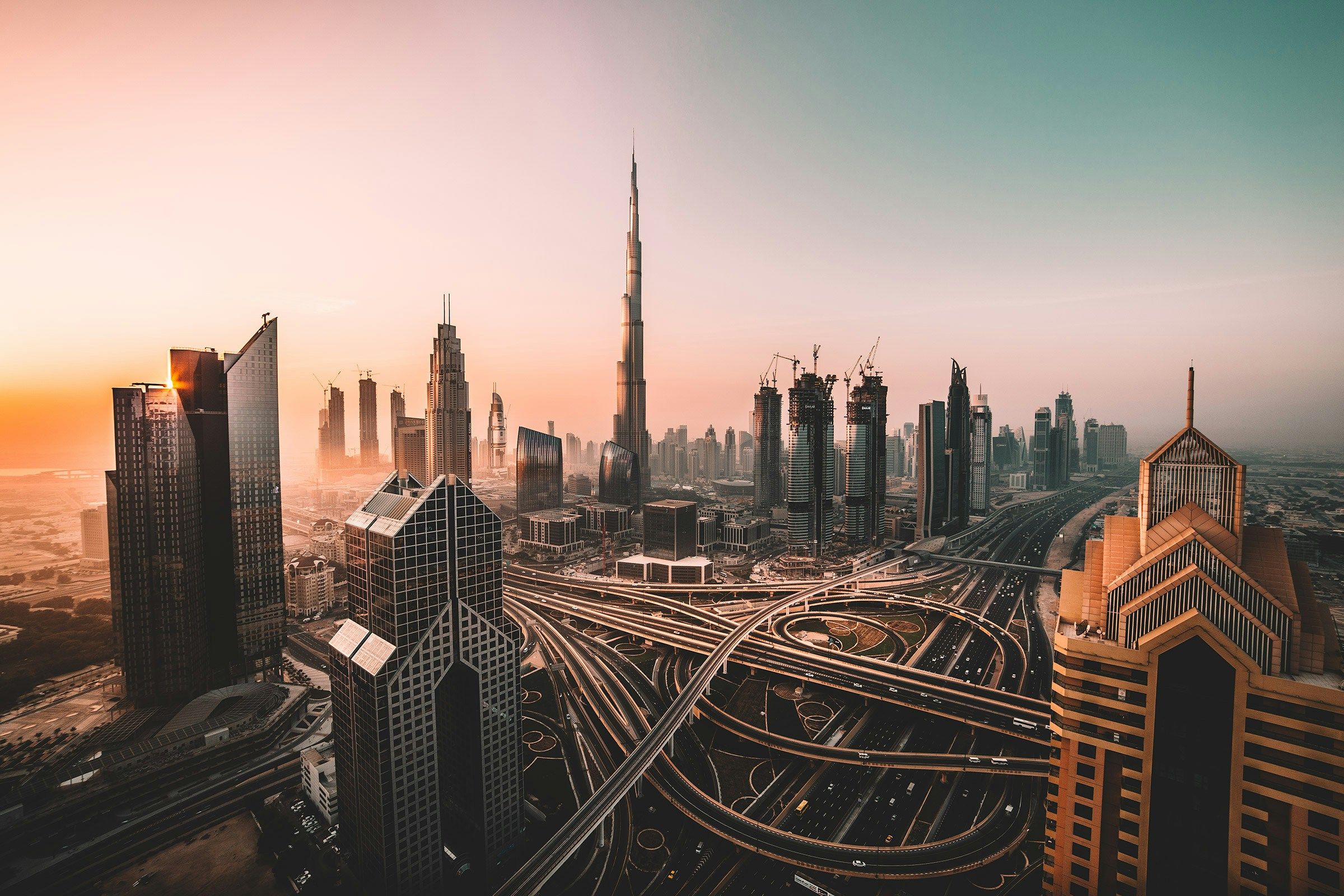
Dubai, United Arab Emirates
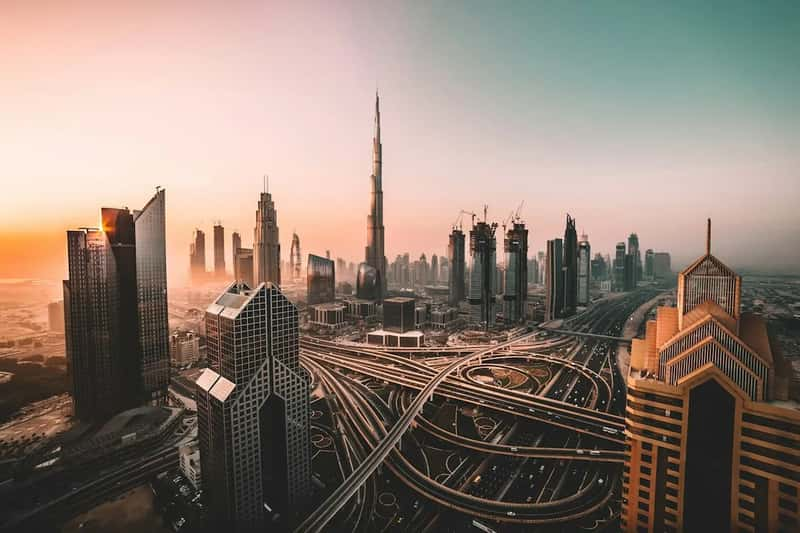
Dubai advanced eight places to rank fourth globally in the IMD Smart City Index 2025.[7] The same report places it first in the GCC, the Arab world and Asia. It’s one of the biggest single jumps near the top of the table.
Dubai’s transport authority has said its public transport scored better than that of the three cities above it, though that’s the authority’s own claim. What gives the result weight is the method: the index is based on comprehensive resident surveys that reflect how people experience services.[7] The city’s rise is therefore as much about residents’ opinions as official ambition.
Abu Dhabi, United Arab Emirates
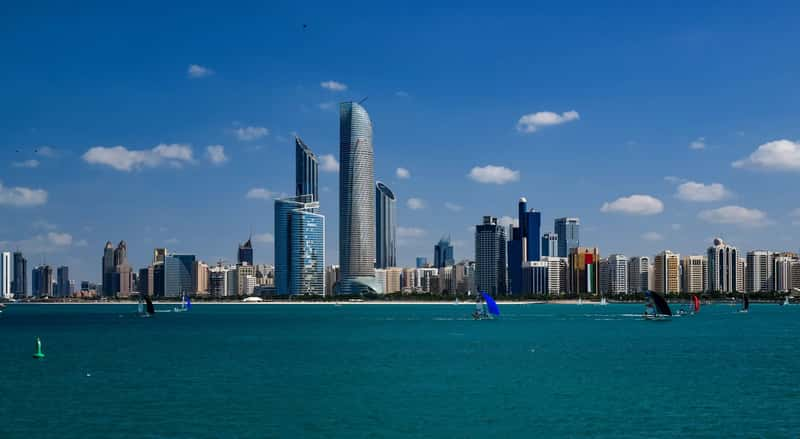
Abu Dhabi shared Dubai’s breakthrough. Both cities entered the top five for the first time in 2025, while Riyadh, Doha and Manama made the top fifty.[6] The Gulf is clearly becoming a serious player in urban technology rankings.
Summaries of the 2025 results describe Dubai and Abu Dhabi as showing the fastest improvement.[8] Rankings can shift from year to year, so it’s wise to treat one edition as a snapshot. Still, the direction of travel in the region has been consistent.
Singapore
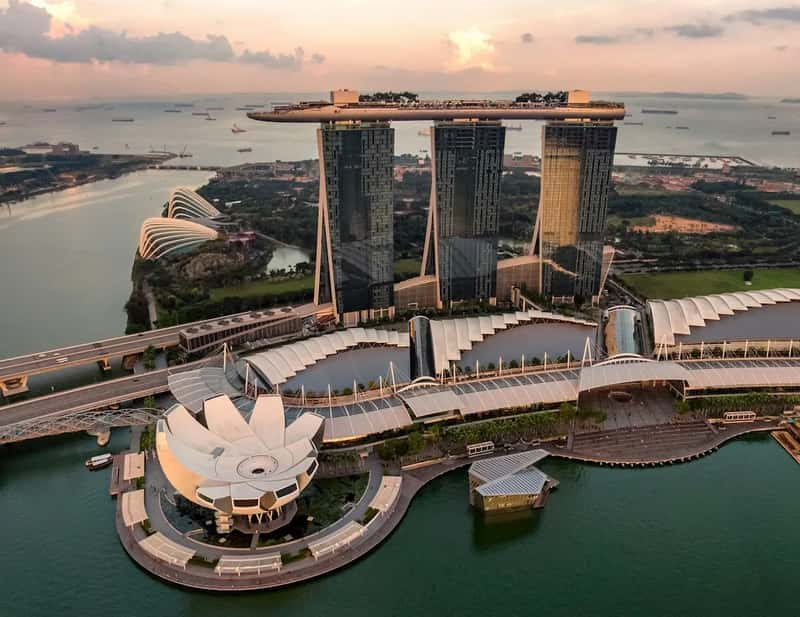
Singapore has long been shorthand for the high tech city. In 2025 it ranked ninth, slipping from fifth.[8] That’s still a very strong result among 146 cities, even if it’s a step back.
Where it keeps shining is access. Shanghai and Singapore rank as the most accessible cities among those evaluated, each scoring over 80 points on the Smart City Expo’s accessibility index.[9] That index looked at the accessibility of subway systems, tourist attractions and accommodations.[9]
Canberra, Australia
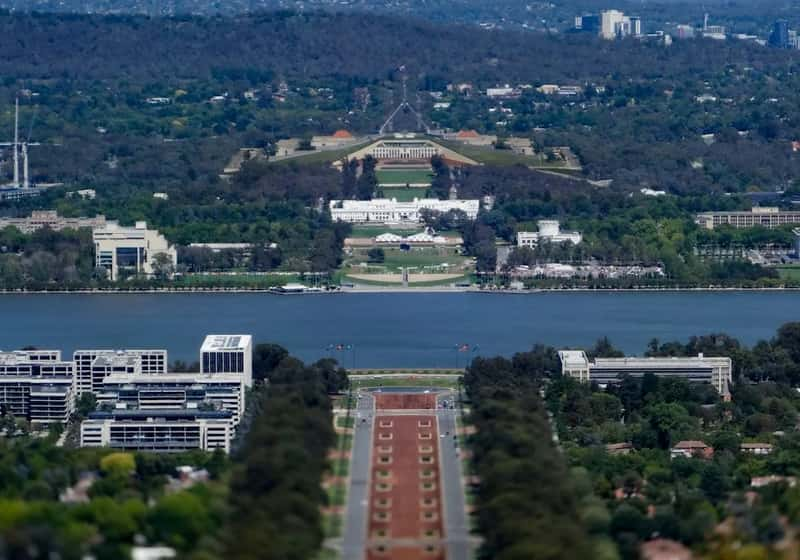
Canberra is the quieter name in this lineup. It dropped from third to eighth in the 2025 index.[8] Eighth out of 146 cities is still a result most governments would happily frame.
The fall is a useful lesson in how the ranking works. Because it’s perception driven, changes can reflect shifts in resident sentiment. IMD also rescales survey responses according to the Subnational Human Development Index,[6] so cities at similar stages of development are compared with each other.
Ljubljana, Slovenia
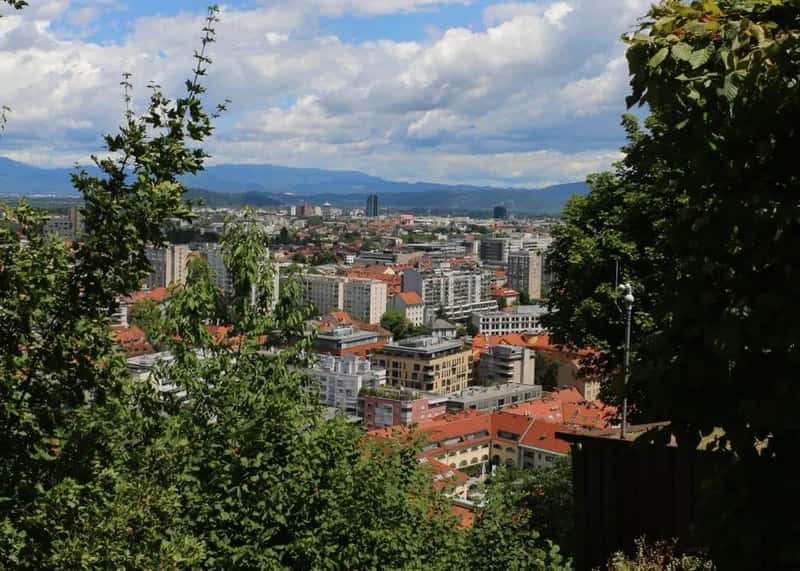
Slovenia’s capital made one of the more eye catching moves in 2025. Ljubljana jumped from 32nd to 16th,[6] while the rest of the top twenty saw only minimal changes. For a city of its modest size, that’s a notable climb.
The same report noted that Taipei slid from 16th in 2024 to 23rd in 2025.[6] It’s a reminder that this isn’t a fixed hall of fame. Cities move up and down as residents’ views change.
Tallinn and Estonia’s Digital State
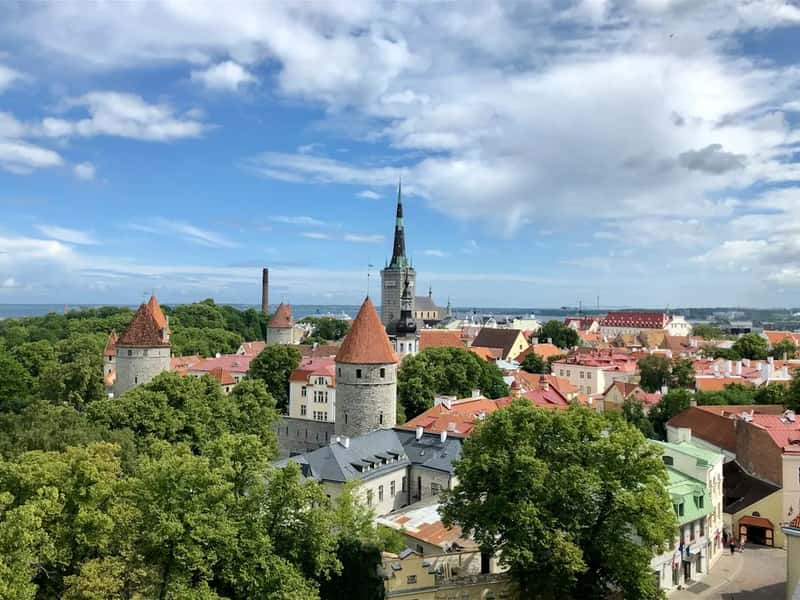
Estonia’s approach to technology began with a decision in the early 1990s. Finland offered Estonia its old analogue telephone exchange for free, but Estonia refused and decided to build its own digital system.[10] In 2002, it created a digital identification system based on the mandatory ID card.[10]
That groundwork supports a program for foreigners too. The e-Residency program, launched in late 2014, offers foreign citizens secure access to Estonia’s e-services.[11] In 2025, it brought in €125 million for the state, and digital residents founded 5,556 companies.[11] One commentator argued that a significant slice of the record was inflated by timing, not just growth,[12] so the figure is best read with some care.
Shanghai, China
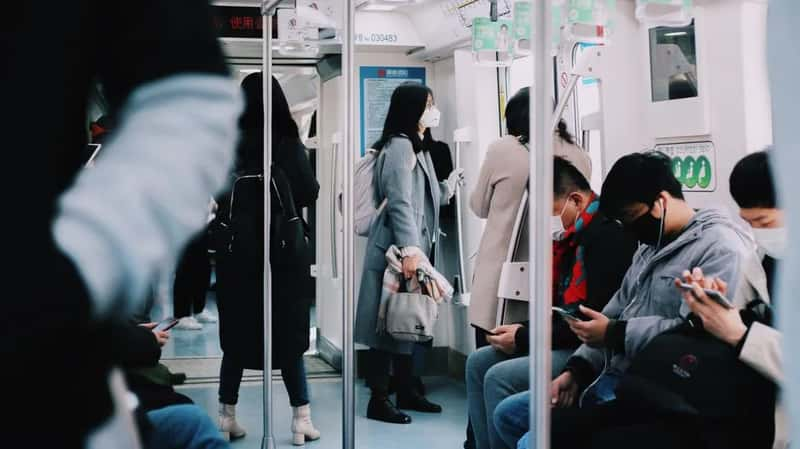
Shanghai’s strength in this lineup comes from how easily visitors can move around. It topped the Smart City Expo’s accessibility ranking of the 25 top IMD cities with 84.86 points.[9] The score reflects subway systems, attractions and accommodations rather than a general tech reputation.
It isn’t alone in China. Hong Kong and Beijing also appear in the top ten of that accessibility ranking.[9] For travelers, the practical takeaway is that a high tech city can also be a smooth one to navigate.
Havana, Cuba
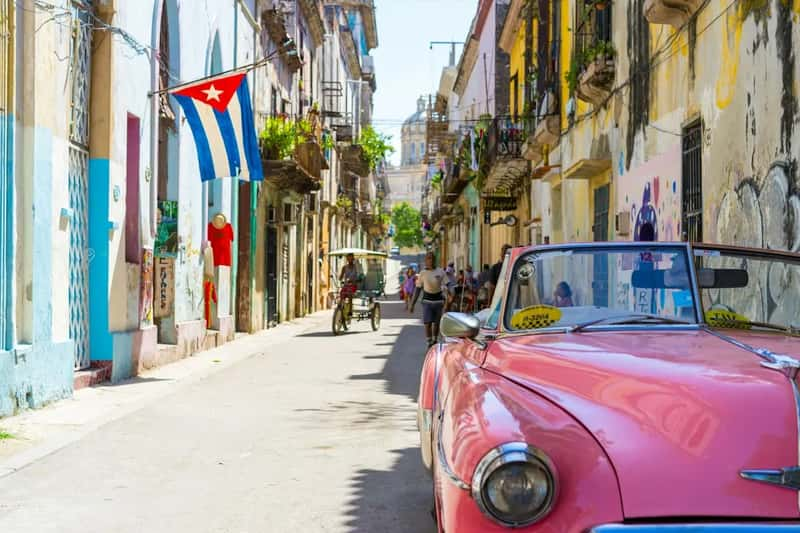
Walk through Havana and the cars do the talking. Before the trade embargo of 1962, Cuba was a major importer of American vehicles.[13] With few new cars arriving since, owners have had to preserve and repair what they have, namely many classic American cars from the 1940s and 1950s.[14]
The upkeep is a craft in itself. Soviet cars arrived through Cuba’s ties with Moscow, and they’re frequently used as parts sources for American classics.[14] In August 2025, car enthusiasts gathered to show off their restorations at Cuba’s Elegance Competition.[15] Some vehicles in the capital are nearly a century old.[15]
Tristan da Cunha, South Atlantic

Tristan da Cunha is the most remote inhabited island in the world, home to around 250 people.[16] Estimates vary a little from source to source, but they all land in that range. There’s no airport, so the only way to reach it is by ship.[17]
Daily life follows island rhythms. Islanders grow vegetables at The Patches, linked to the Settlement by the island’s only road and the world’s most remote timetabled bus service.[16] Serious medical cases must travel for one week by ship to Cape Town.[16] After a volcanic eruption in 1961, all inhabitants were evacuated to England, but they eventually returned.[18]
Lancaster County, Pennsylvania

Lancaster County in southeastern Pennsylvania is home to one of the best known Amish communities in the United States. Many Old Order Amish families still travel by horse drawn buggy and keep their distance from the public power grid. For visitors, the sight of a buggy on a rural road is the most obvious sign that the pace here is different.
It would be a mistake to call the place frozen. The Amish tend to weigh each new technology against its effect on family and community, adopting some tools and declining others. Travelers are best off treating farms and homes as private spaces, and asking before taking any photographs of people.