Activists have placed boulders on the seafloor of the Southern North Sea, a protected area of nearly 37,000 square kilometers, or about 14,000 square miles. Their goal was to interfere with bottom trawling, a fishing method that the zone still permits. The action has raised a pointed question about what protection means when a destructive practice remains legal inside the boundary. ([1])
Ten Boulders and One Famous Likeness
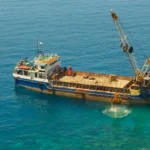
Greenpeace set 10 boulders on the seabed, each weighing about 2 tonnes, or roughly 4,400 pounds. The rocks were placed to create obstacles for trawlers working in the area. One of them was carved to resemble the naturalist David Attenborough, and the group nicknamed it “Attenboulder,” a name that has spread quickly because of its playful pun.
The group shared the coordinates of the boulders with authorities and fishers. That step meant the placements were not hidden, and vessel operators were given the information they would need to avoid the rocks. Greenpeace has said the boulders will not necessarily stop trawlers from working, but it expects them to complicate operations in the zone.
A Protected Area Under Scrutiny
The Southern North Sea site is part of the United Kingdom’s network of marine protected areas. Those areas support the country’s commitment to a global target of protecting 30 percent of the planet’s land and sea by 2030. Greenpeace argues that the designation does not match the reality on the water, because bottom trawling is still allowed there.
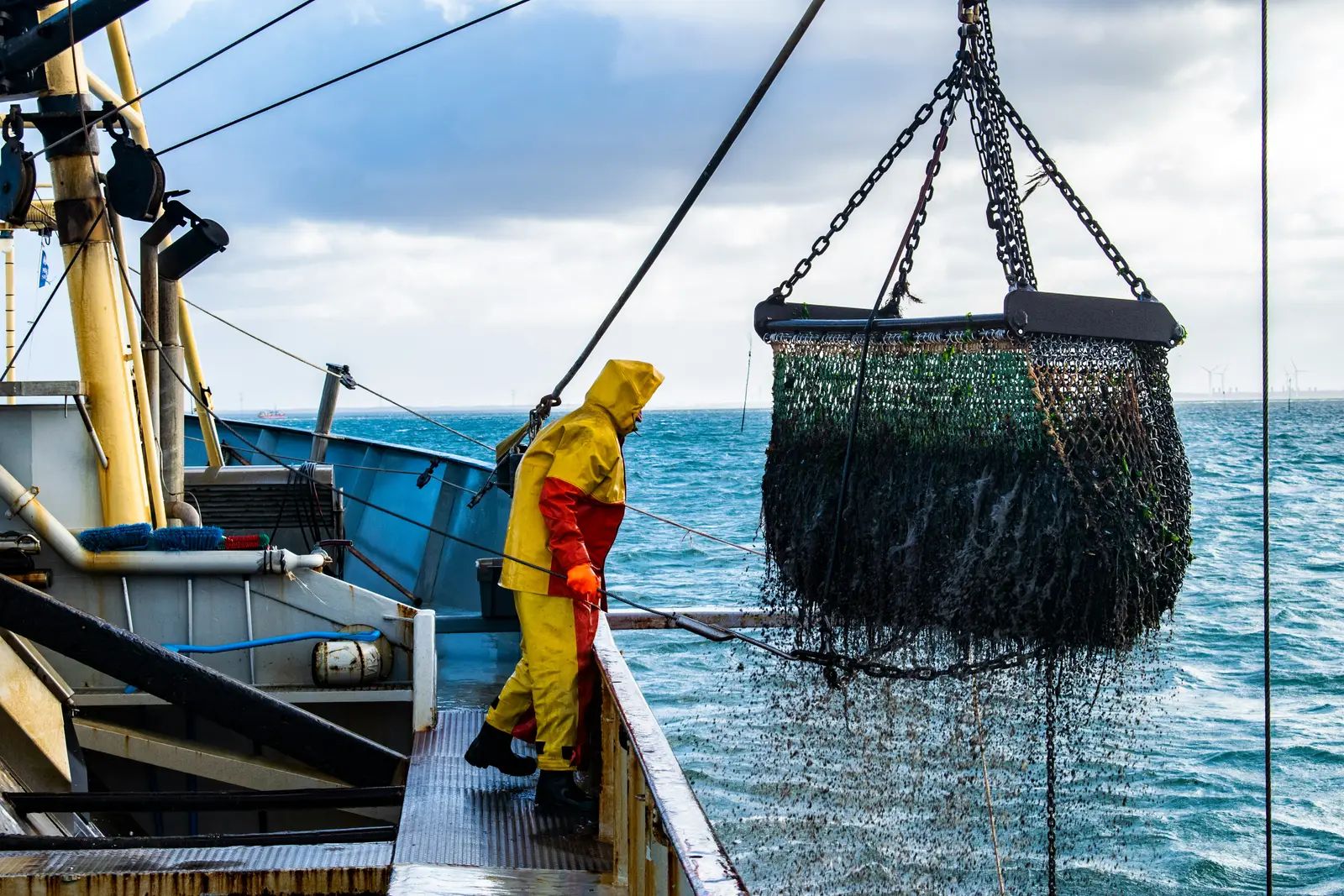
Bottom trawling involves dragging a large, weighted net along the seafloor, collecting whatever lies in its path. Elena Polisano, head of oceans for Greenpeace U.K., described the site as a paper park, meaning a protected area in name only. She said the designation amounts to false advertising, since marine life in the zone is not shielded from the practice. In her view, trawling clears the seabed and harms a wide range of animals, including porpoises, sharks, dolphins and seabirds.
Who Feels the Impact
The dispute touches several groups with very different stakes. A short breakdown helps clarify where each stands:
Related Stories From Travelbinger


- Trawl operators: They may face new obstacles on the seabed, although Greenpeace concedes the boulders may not halt their work.
- Fishers and fishing groups: They received the boulder coordinates, which helps them navigate around the rocks.
- Regulators and authorities: They have the location data and now face questions about how a protected zone still permits this method.
- Marine wildlife: Greenpeace argues the seabed and its animals remain exposed while trawling continues.
The European Bottom Fisheries Alliance publicly condemned the protest, arguing that the environmental goals it cited cannot be reached through this kind of action. That disagreement captures the wider divide over whether the protection on paper is enough, and whether direct intervention is a fair response.
An Unresolved Question on the Seabed
The boulders are unlikely to settle the debate, and the available reporting does not describe any legal outcome or confirmed change in fishing activity. What the protest has done is make a technical policy question visible to a much broader audience. The coming months will show whether the marine protection in the zone starts to reflect its label, or whether the boulders remain the most memorable part of the story.