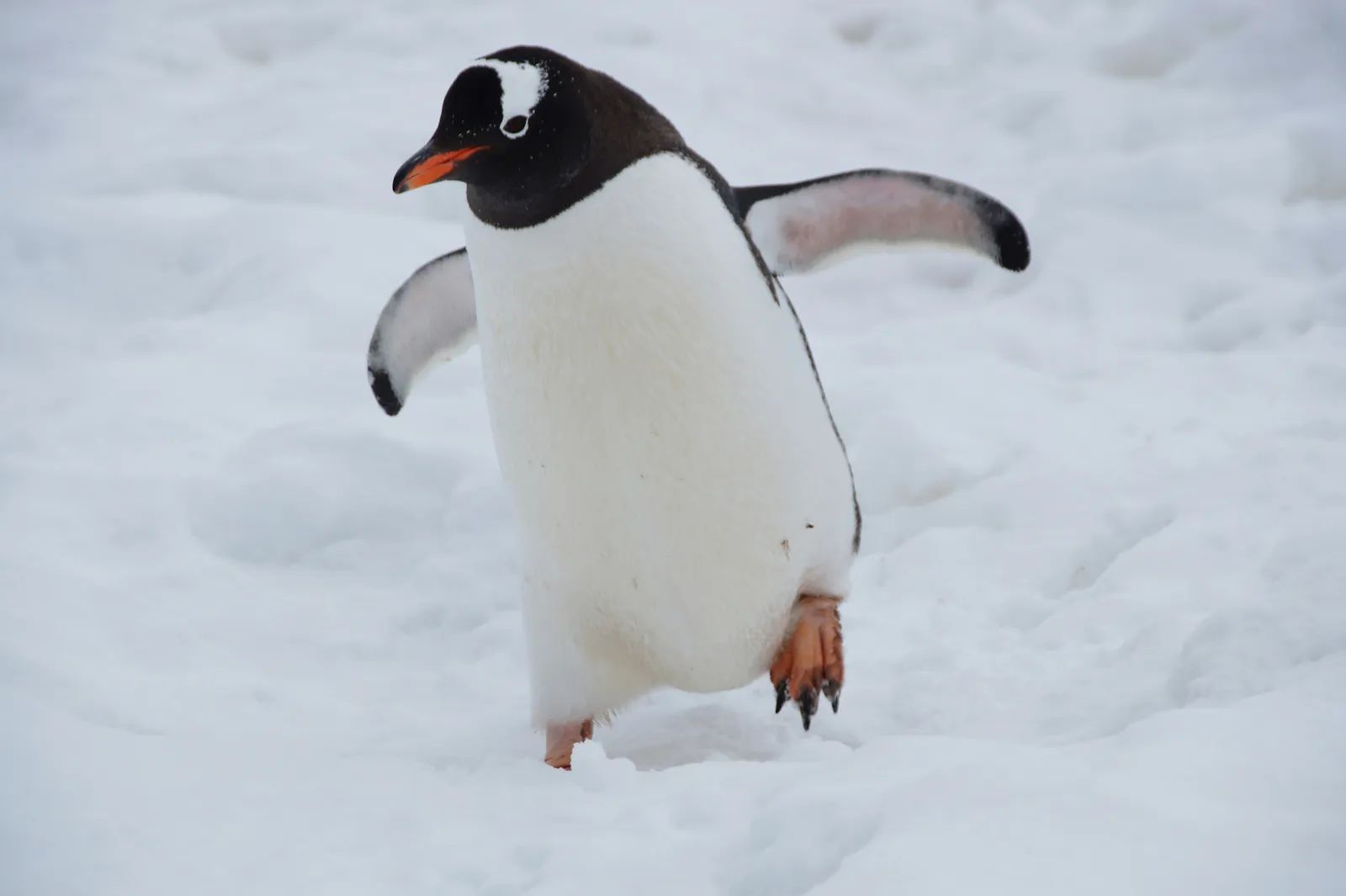
Australia – H5N1 avian influenza has moved beyond birds and into marine mammals along the country’s southern coasts, with confirmed cases in an Australian sea lion and a common dolphin reported in September. The detections follow earlier infections in wild birds and a red fox, marking a notable shift in how the virus is behaving in the region. Wildlife authorities are tracking the developments closely as breeding aggregations continue. The initial spread occurred among several bird species in southeastern Australia, including little penguins, magpies, crested terns, and pelicans. These outbreaks have been concentrated in areas where large numbers of birds gather, which experts note can speed up transmission. South Australia recorded the nation’s first confirmed pelican case on the Yorke Peninsula, alongside infections in long-nosed fur seals.
Early Mammal Infections Signal a Shift
In late August, a red fox in Adelaide tested positive for the virus, representing the first documented mammal case in the current wave. Officials observed that foxes typically scavenge rather than transmit the pathogen directly, yet their movement of carcasses could help the virus reach new habitats. By September, state authorities confirmed H5N1 in an Australian sea lion and a common dolphin, both in South Australia. The sea lion, a member of a critically endangered species already declining at roughly 2 percent annually, had been recovering from a shark attack before succumbing to the infection. A common dolphin also contracted the disease, prompting researchers to note the speed of the crossover. These cases stand out because they involve species that do not routinely interact with infected birds in the same way terrestrial mammals might.
Expert Views on Transmission Risks
Victoria’s chief biodiversity officer James Todd highlighted that bird breeding seasons are likely to intensify contact between species and accelerate spread to mammals. Acting chief veterinary officer Cameron Bell noted the scavenging behavior of foxes as a potential pathway for wider dispersal. South Australian Environment Minister Emily Bourke described the sea lion death as a significant development for local wildlife. Cetacean researcher Mike Bossley called the dolphin infection both shocking and very worrying in public statements. Associate professor Bill Bateman of Curtin University wrote that the first confirmed H5N1 death in an Australian sea lion represents a notable moment for the country’s wildlife, pointing to the virus’s ability to affect mammalian systems.
Monitoring and Ongoing Questions
Authorities continue to test samples from birds and mammals across affected states while advising the public to avoid contact with sick or dead animals. The pattern of detections shows the virus moving from avian hosts into both terrestrial and marine mammals within weeks. Researchers emphasize that the full scope of future spread remains under observation, particularly as seasonal bird movements continue. No evidence currently points to sustained mammal-to-mammal transmission in these cases, though the rapid sequence of infections has drawn attention. Wildlife managers are focusing resources on high-risk coastal and breeding sites to limit further jumps. The situation underscores how quickly an avian pathogen can expand its host range when conditions align. The detections in iconic species such as sea lions and penguins illustrate the broader ecological stakes as the virus circulates through Australian ecosystems. Continued surveillance will determine whether additional mammal species become involved in the coming months.