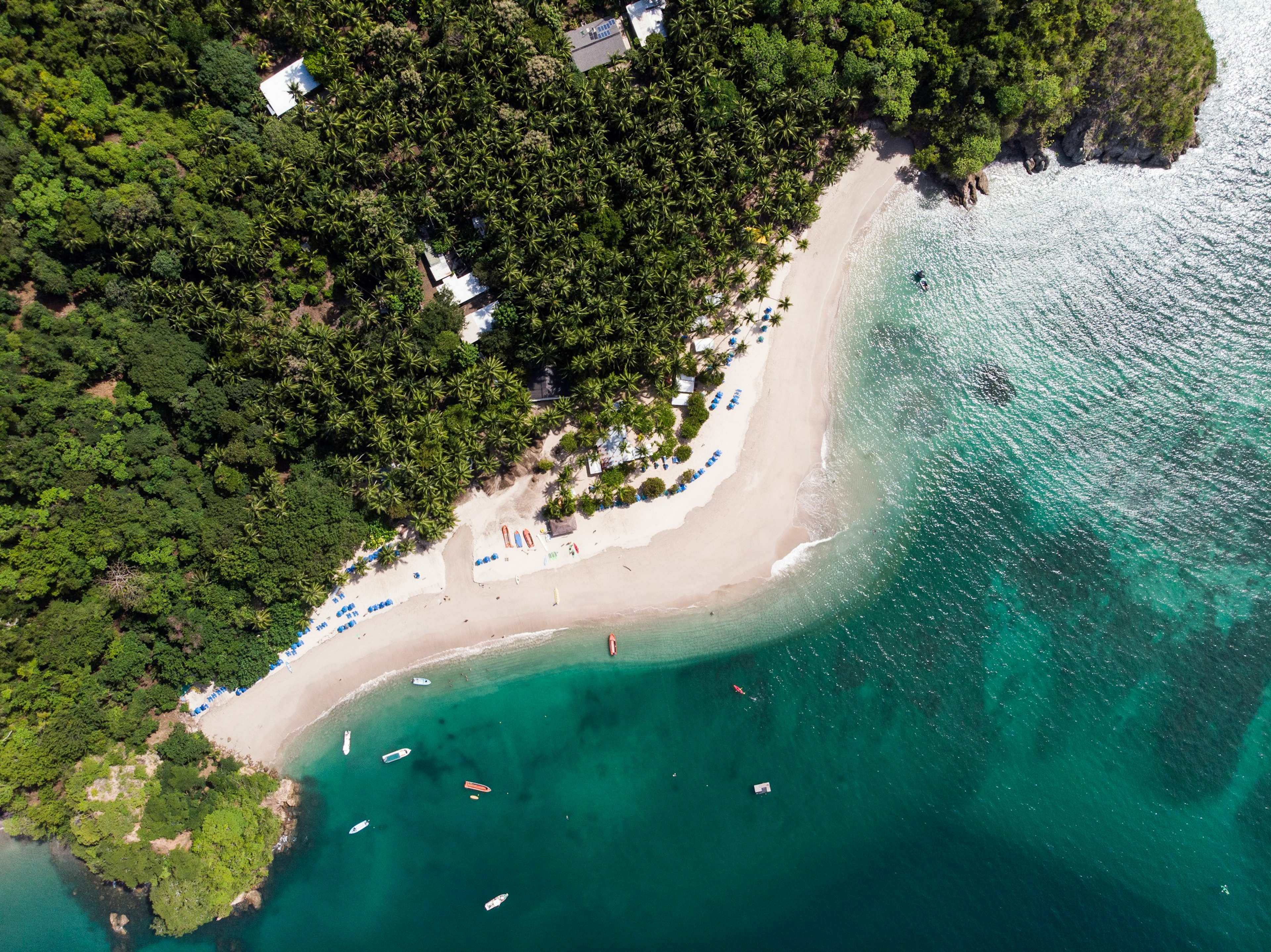
Rare fungi help restore Palmyra Atoll rainforests, new study finds. Here’s how – Image for illustrative purposes only (Image credits: Pexels)
Palmyra Atoll sits among the most isolated U.S. territories in the North Pacific. Its native pisonia trees host thousands of seabirds whose droppings enrich the surrounding coral reefs. A recent study shows this chain depends on a specific group of fungi that live in close partnership with the trees.
The Tree-Fungus Partnership at the Center
Researchers mapped fungal communities across the atoll and found every sampled pisonia tree carried the same genus of mycorrhizal fungi, known as Tomentella. The association appears total. Without these fungi the trees would struggle to draw nutrients from the soil in sufficient quantities. The fungi form a direct bridge between the trees and the massive pulses of nitrogen and phosphorus left by seabird colonies. In most environments such high nutrient loads would overwhelm typical fungal partners. Tomentella species, however, tolerate and even thrive under these conditions, suggesting a long-evolved adaptation shaped by the atoll’s seabird populations.
Nutrient Management in Extreme Conditions
Seabird guano arrives in concentrated bursts that would otherwise wash quickly into the ocean. The fungi intercept these nutrients and transfer usable forms to the pisonia roots. This transfer keeps the nutrients cycling within the island system rather than dissipating offshore. Study co-author Alex Wegmann noted that most similar fungi falter in phosphorus-rich soils, yet the Tomentella strains tied to pisonia appear specially suited to the levels created by the birds. The finding points to a tightly linked trio of fungi, trees, and seabirds that together shape the atoll’s ecology.
Restoration Implications for Cleared Areas
Palmyra managers are removing roughly 1.5 million invasive coconut palms to allow native forest recovery. The study shows Tomentella abundance falls sharply beyond 250 meters from existing pisonia trees. Large cleared zones may therefore lack the fungi needed for natural pisonia regrowth.
| Finding | Limitation | Next consideration |
|---|---|---|
| 100% Tomentella association in sampled trees | Fungi decline rapidly away from pisonia stands | Possible need for fungal inoculation in distant restoration plots |
| Fungi capture guano nutrients efficiently | Role in non-pisonia species remains untested | Further sampling across cleared and intact sites |
These patterns suggest restoration plans may need to account for fungal presence rather than relying solely on seed dispersal or natural succession. Areas far from remnant pisonia stands could require active measures to reintroduce the necessary fungi if native forest cover is to return at scale.